

Bio
Andre is co-founder at A47 News. He is responsible for editorial standards and news curation, and shares commentary on AI, general technology, and global politics.
Editorial Responsibility
As Editor, I am responsible for all editorial standards, news sourcing, research, and content production.
Previous experience · 15+ years
- · Co-founder at Tiki
- · Operations Director at Rocket Internet
Education
BA Economics, University of Waikato
Areas of expertise
Categories overseen
Stories from Andre Teow’s desk
19982 stories- Tech· World
NSA Expands Use of Anthropic's Mythos AI Despite Supply Chain Risk Designation
The U.S. National Security Agency has increased its deployment of Anthropic's Mythos Preview AI model within the agency, despite the Pentagon's recent supply chain risk designation against Anthropic. This decision follows failed negotiations between the Department of Defense and Anthropic regarding safety guardrails, which the company refused to disable. The ongoing use of Mythos raises significant concerns about cybersecurity and the potential for inter-agency conflict over AI deployment strategies in national security.
13 sourcesApr 21Moderate
- Politics· MENA
Trump Pushes for Iran Deal Amidst Israeli Military Tensions and Regional Escalations
U.S. President Donald Trump has expressed increased eagerness for a nuclear agreement with Iran, reportedly more so than Tehran itself, as he intervenes to halt Israeli military actions in Lebanon. This shift comes in the wake of heightened tensions following the assassination of Iranian leader Ayatollah Khamenei and the closure of the Strait of Hormuz by Iran. The long-term implication is a potential reconfiguration of U.S. foreign policy in the Middle East, prioritizing diplomacy over military engagement under Netanyahu's influence.
3 sourcesApr 21High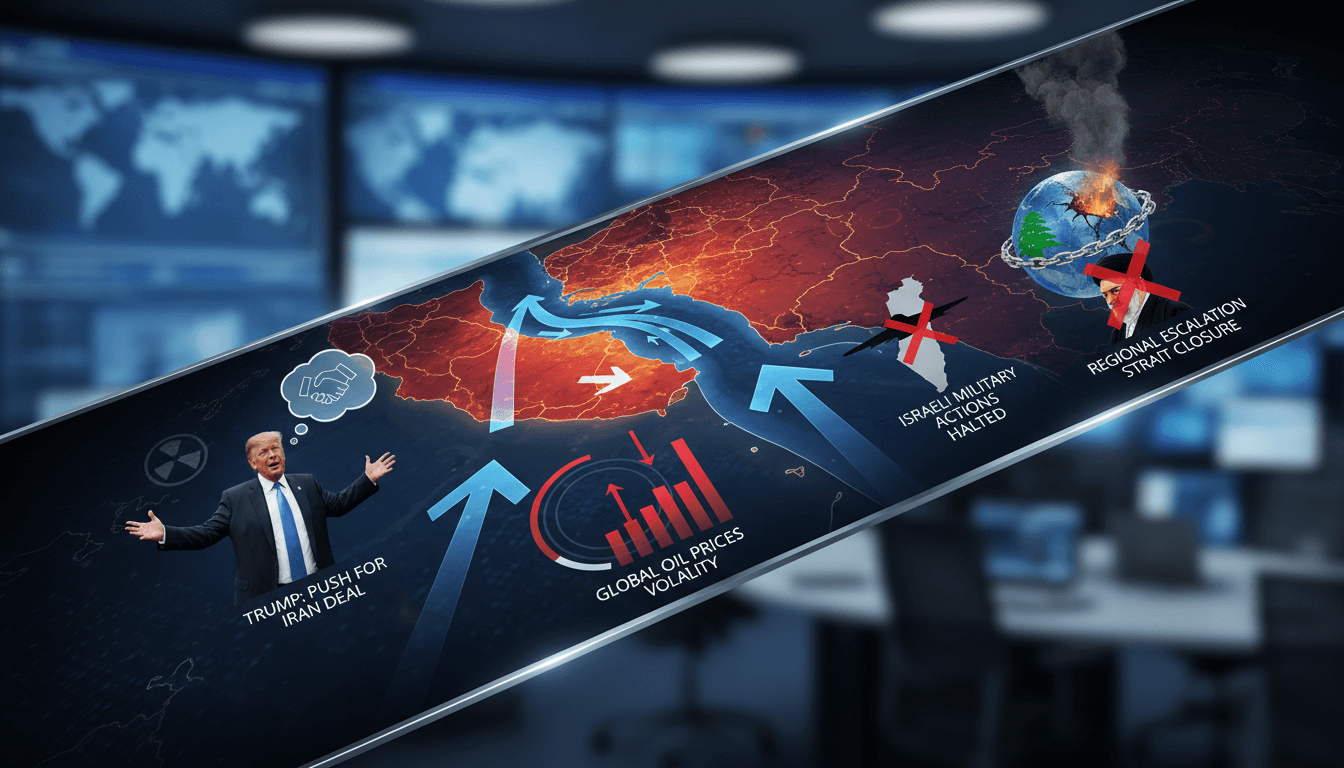
- World· MENA
Iran Conflict Causes Major Disruptions in Global Air Travel and Jet Fuel Supply
The ongoing Iran conflict has led to significant disruptions in global air travel, with over 23,000 flights canceled and more than one million passengers stranded due to airspace closures in the Middle East. This crisis was triggered by U.S.-Israeli military strikes on Iranian targets, prompting retaliatory actions from Iran that affected key aviation hubs, including Dubai International Airport. Long-term implications include a potential reevaluation of air travel routes and increased scrutiny on energy supply chains, particularly in Europe, which is facing jet fuel shortages amid escalating geopolitical tensions.
3 sourcesApr 21Low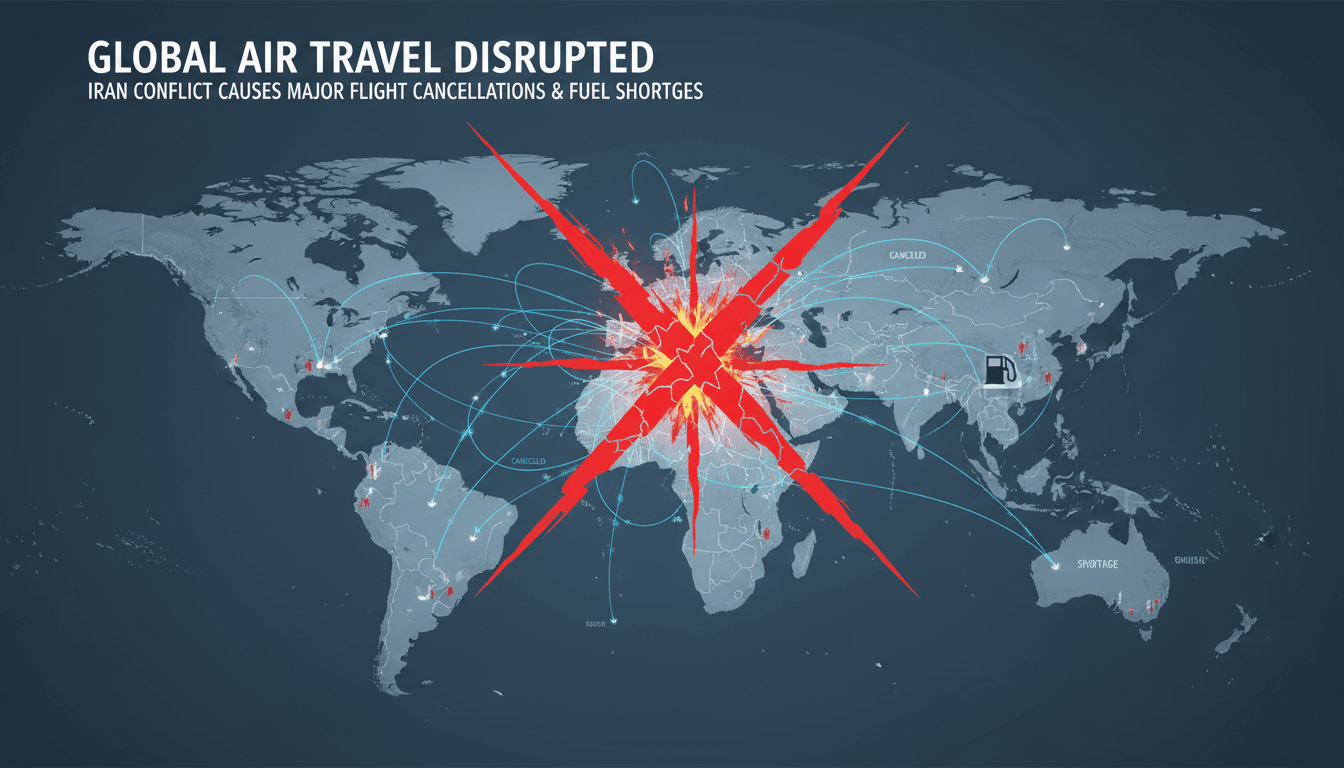
- Tech· World
Blue Origin's New Glenn rocket fails to place satellite in intended orbit
Blue Origin's New Glenn rocket launched on April 19, 2026, but an upper stage malfunction resulted in the AST SpaceMobile BlueBird 7 satellite entering an unintended low elliptical orbit. The failure was triggered by insufficient thrust from one of the upper stage engines, leading to the grounding of the New Glenn program by the FAA pending an investigation. This incident may hinder Blue Origin's certification and future launch cadence, impacting its competitive position in the commercial space sector.
7 sourcesApr 21High
- World· MENA
Iran's Control Over Strait of Hormuz Becomes Key Deterrent Amid Ongoing Conflict
On April 19, 2026, analysts confirmed that Iran's strategic leverage over the Strait of Hormuz has emerged as its primary deterrence mechanism, overshadowing its nuclear ambitions. This shift is driven by the ongoing military conflict with the United States and Israel, which began with preemptive strikes on February 28, 2026, prompting Iran to utilize its geographic advantage to threaten global energy supplies. Long-term, this development may solidify Iran's influence in the region and complicate international negotiations regarding its nuclear program and regional security dynamics.
3 sourcesApr 21High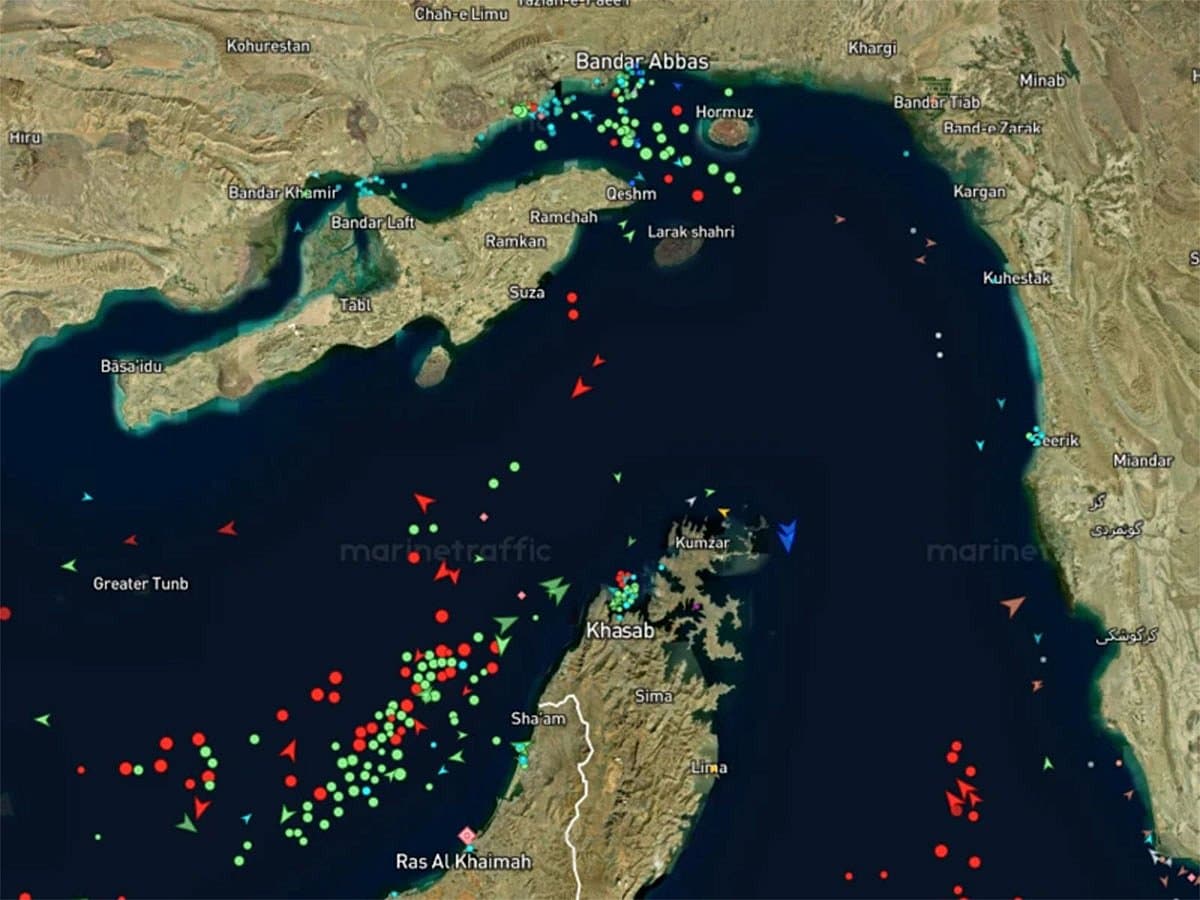
- World· World
Maritime Attacks in Strait of Hormuz Disrupt Oil Supply and Escalate US-Iran Conflict
On April 18, 2026, two Indian-flagged crude oil carriers were attacked in the Strait of Hormuz, leading to a renewed blockade by Iran and halting shipping traffic. This escalation follows a fragile ceasefire and is triggered by ongoing tensions from the US-Iran war, including the US seizure of an Iranian vessel. The long-term implication is a significant risk to global oil supply and prices, with analysts warning of prolonged disruptions in energy markets.
5 sourcesApr 21Low
- Politics· World
Pakistan's Leaders Complete Diplomatic Tours to Advance US-Iran Peace Talks Amid Ongoing Conflict
On April 18, 2026, Pakistan's Prime Minister Shehbaz Sharif and Army Chief Asim Munir concluded diplomatic tours in the Middle East aimed at facilitating peace negotiations between the United States and Iran during the ongoing Iran war. These tours were triggered by the failure of initial US-Iran talks and the urgent need to address threats to the Strait of Hormuz following a two-week ceasefire mediated by Pakistan. The long-term implication is that Pakistan is positioning itself as a key mediator in regional diplomacy, potentially hosting further negotiations to stabilize the situation and prevent escalation of conflict.
5 sourcesApr 21Low
- Politics· MENA
Iran Announces No Date for Next Round of US Peace Talks as Ceasefire Nears Expiration
Iran has declared that no date has been set for the next round of peace negotiations with the United States, following failed talks in Islamabad. This announcement comes as a fragile ceasefire, brokered by Pakistan, is set to expire on April 22, 2026, amid escalating tensions in the region. The lack of progress in negotiations raises concerns about a potential return to conflict and the implications for regional stability and oil markets.
3 sourcesApr 21Moderate
- Politics· MENA
Iran's Khamenei Issues Warning of Military Escalation Against US and Israel in Strait of Hormuz
Iran's Supreme Leader Mojtaba Khamenei has declared the readiness of the Iranian navy to deliver 'new bitter defeats' to the US and Israel, coinciding with the reimposition of restrictions on the Strait of Hormuz. This escalation follows recent naval confrontations and blockades amid a fragile ceasefire in the ongoing US-Israel war against Iran. The long-term implication suggests a potential intensification of military conflict in the region, impacting global oil supply and geopolitical stability.
3 sourcesApr 21Low
- Politics· MENA
Pope Leo XIV Criticizes Resource Exploitation in Angola
Pope Leo XIV condemned the exploitation of Angola's natural resources by despots and tyrants during a speech in Luanda on April 18, 2026. This condemnation comes amid his Africa tour, highlighting the urgent need to address the suffering caused by extractivism in oil-rich Angola. The long-term implication may lead to increased scrutiny on resource management practices and a push for more equitable policies in the region.
3 sourcesApr 21Low
- Politics· MENA
Iranian Gunboats Intercept Indian Oil Tankers in Strait of Hormuz
On April 18, 2026, Iranian Revolutionary Guard Corps gunboats fired upon two Indian-flagged crude oil carriers in the Strait of Hormuz, forcing them to turn back. This incident occurred amidst heightened tensions following Iran's brief reopening of the strait, which was quickly rescinded due to alleged U.S. violations. The long-term implication may involve increased diplomatic friction between India and Iran, alongside potential escalations in maritime security measures in the region.
5 sourcesApr 21Moderate
- World· MENA
Israeli Forces Kill Two UNICEF Drivers in Gaza, Halting Water Supply Operations
Israeli forces killed two drivers contracted by UNICEF during water trucking operations in northern Gaza, leading to the suspension of critical water deliveries. The incident occurred amidst ongoing tensions following a recent ceasefire, with UNICEF demanding an investigation into the killings. This disruption threatens the water supply for hundreds of thousands of residents in Gaza, highlighting the precarious humanitarian situation in the region.
4 sourcesApr 21Low - Politics· World
Tisza Party Wins Supermajority in Hungary, Ending Orbán's 16-Year Rule
Péter Magyar's Tisza Party achieved a supermajority victory in Hungary's parliamentary election, defeating Viktor Orbán's Fidesz party and ending 16 years of governance. This shift is driven by widespread voter discontent over corruption and economic stagnation, particularly among the youth. The long-term implication is a potential shift towards pro-EU policies and anti-corruption reforms under the new government.
3 sourcesApr 21Low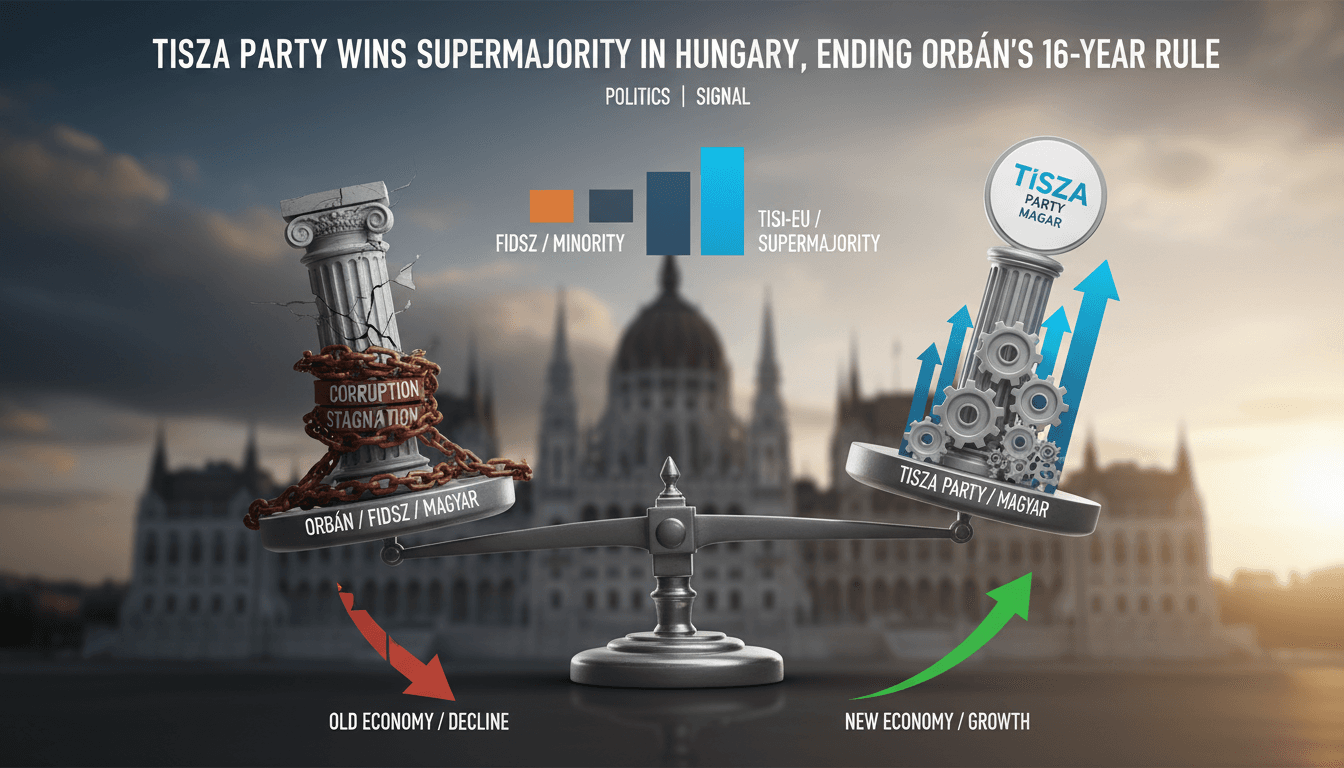
- Politics· World
Mass shooting in Kyiv results in six civilian deaths amid ongoing conflict
On April 18, 2026, a gunman killed six civilians in Kyiv's Holosiivskyi district during a mass shooting and hostage crisis. The incident is linked to the ongoing Russia-Ukraine war, with the perpetrator exhibiting pro-Russian sentiments and mental instability. This event raises concerns about domestic security and the potential for increased violence in Ukraine as the war continues to affect civilian life.
7 sourcesApr 21Moderate
- Politics· World
Suspicious items near Israeli Embassy in London deemed non-hazardous by police
On April 17, 2026, suspicious items were found near the Israeli Embassy in London, leading to a significant security response. The incident was triggered by an online threat from an Iran-linked Islamist group, prompting immediate police action to assess the situation. In the long term, this event highlights the ongoing tensions and threats against Jewish targets in the UK, potentially escalating security measures in the region.
4 sourcesApr 21Low
- Politics· World
Mexico, Spain, and Brazil Call for Dialogue to Address Cuba's Humanitarian Crisis
On April 18, 2026, Mexico, Spain, and Brazil issued a joint statement expressing concern over Cuba's humanitarian crisis and advocating for dialogue. This initiative follows a severe oil blockade imposed by the U.S. that has led to widespread shortages and blackouts in Cuba. The long-term implication may involve increased international pressure on the U.S. to reconsider its sanctions and a potential shift in regional alliances regarding Cuba's future.
3 sourcesApr 21Low
- Politics· World
Ben Roberts-Smith Charged with War Crimes in Australia
On April 7, 2026, Ben Roberts-Smith, Australia's most decorated living soldier, was arrested and charged with five counts of war crime murder related to alleged unlawful killings of Afghan civilians. This legal action follows years of investigations and a previous civil court ruling that found substantial truth to claims of his involvement in similar acts. The long-term implications may involve significant scrutiny of military conduct and accountability in Australia, potentially reshaping public perceptions of the armed forces and their operations abroad.
4 sourcesApr 21Moderate
- Politics· World
Pope Leo XIV Clarifies Remarks on Tyrants Amid Trump Controversy
Pope Leo XIV clarified that his recent comments criticizing 'tyrants' were not directed at U.S. President Donald Trump, despite media interpretations linking the remarks to Trump's prior criticisms. This clarification comes after a public spat between the two, triggered by Trump's comments on the Pope's stance regarding U.S. policy toward Iran. The long-term implication may involve a continued focus on the Pope's diplomatic role in global conflicts and his influence on international relations, particularly in the context of U.S. foreign policy.
3 sourcesApr 21Low
- World· MENA
UNIFIL Peacekeeping Mission Faces Increased Hostilities Amid Renewed Violence in Southern Lebanon
The United Nations Interim Force in Lebanon (UNIFIL) has reported renewed hostilities and casualties among peacekeepers in southern Lebanon, with recent incidents attributed to Hezbollah. This escalation follows a series of clashes between Hezbollah and Israeli forces, prompting international condemnation and calls for enhanced security measures. The long-term implication may involve a reevaluation of UNIFIL's mandate and presence in the region as Lebanon grapples with ongoing instability and humanitarian crises.
3 sourcesApr 21Low
- Politics· World
Argentine President Javier Milei Supports US-Israel Military Action Against Iran in Jerusalem
On April 19, 2026, Argentine President Javier Milei endorsed the US-Israel military campaign against Iran during his visit to Jerusalem. This endorsement follows the ongoing war that began on February 28, 2026, and is linked to Argentina's historical grievances against Iran regarding past terrorist attacks. The long-term implication may involve Argentina's deeper alignment with Israel and the US, potentially affecting its foreign policy and regional relations in the context of escalating tensions in the Middle East.
3 sourcesApr 21Low