
Bio
Andre is co-founder at A47 News. He is responsible for editorial standards and news curation, and shares commentary on AI, general technology, and global politics.
Editorial Responsibility
As Editor, I am responsible for all editorial standards, news sourcing, research, and content production.
Previous experience · 15+ years
- · Co-founder at Tiki
- · Operations Director at Rocket Internet
Education
BA Economics, University of Waikato
Areas of expertise
Categories overseen
Stories from Andre Teow’s desk
15808 stories- Politics· MENA
U.S. Conducts Airstrikes on Iranian Missile Sites Near Strait of Hormuz
On March 17, 2026, U.S. forces executed precision airstrikes targeting Iranian anti-ship missile sites near the Strait of Hormuz. This military action is a response to Iran's recent restrictions on navigation and attacks on commercial vessels in the strait, a vital route for global oil supplies. The long-term implication may involve escalating military tensions in the region and potential disruptions to oil markets, as evidenced by rising Brent crude prices following the strikes.
3 sourcesMar 19High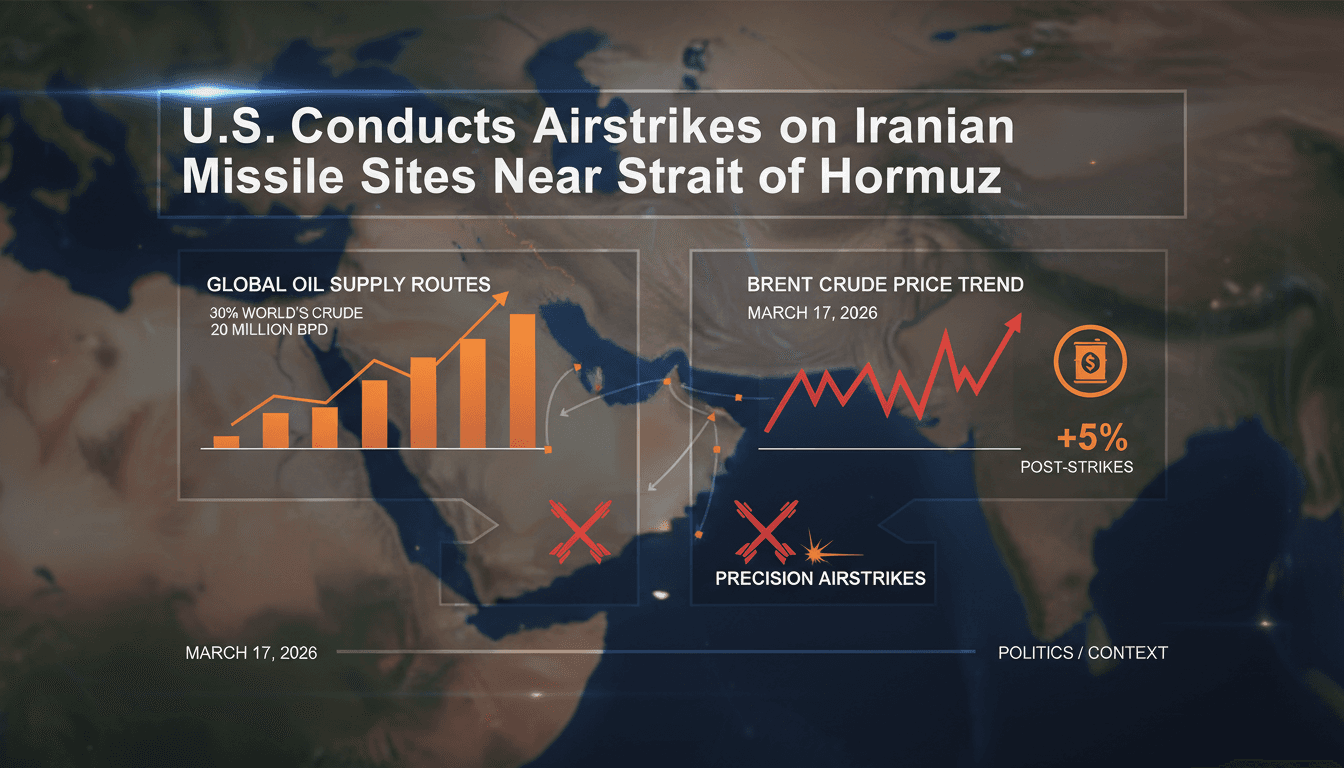
- Politics· MENA
Complete Halt of Iranian Gas Supplies to Iraq Following US-Israel Strikes on South Pars Field
Iraq's gas imports from Iran were completely halted on March 18, 2026, due to US-Israeli strikes on Iranian energy facilities. This disruption is occurring now as the ongoing conflict escalates, severely impacting Iraq's electricity generation capacity. In the long term, Iraq may face increased reliance on alternative fuels and domestic reserves, further straining its energy infrastructure and economy.
3 sourcesMar 19Low
- Politics· UAE
UAE Identifies Six Civilians Killed in Iranian Missile Attacks Amid Ongoing Conflict
On March 18, 2026, the United Arab Emirates publicly disclosed the names of six expatriate civilians killed amid continuous Iranian ballistic missile and drone strikes that began on February 28, 2026. The attacks are retaliatory measures by Iran against U.S. and Israeli strikes on its territory, exacerbated by escalating regional tensions. This incident underscores the ongoing volatility in the region and may prompt further military and diplomatic responses from the UAE and its allies.
3 sourcesMar 19Low
- Politics· Americas
U.S. Judge Blocks Changes to CDC Childhood Vaccine Schedule Proposed by HHS Secretary Kennedy
U.S. District Judge Brian E. Murphy issued a preliminary injunction halting Secretary Robert F. Kennedy Jr.'s proposed reductions to the CDC's childhood immunization schedule. The ruling follows a lawsuit from the American Academy of Pediatrics and over 200 medical groups, citing procedural violations and public health risks. This decision may lead to a reevaluation of vaccine policies and increased scrutiny of public health governance in the U.S.
3 sourcesMar 19Low
- Tech· Europe
Nebius Group and Meta Platforms Forge $27 Billion AI Infrastructure Agreement
On March 16, 2026, Nebius Group N.V. announced a five-year agreement valued at up to $27 billion with Meta Platforms Inc. to supply dedicated AI cloud capacity. This deal is triggered by the surging demand for AI compute resources amid global infrastructure constraints, with a capacity rollout beginning in early 2027. The long-term implication is a significant shift in the AI infrastructure landscape, as major tech companies increasingly outsource their capacity needs to specialized providers like Nebius.
4 sourcesMar 19High
- Tech· Americas
Nvidia Launches Groq 3 LPX Inference Hardware at GTC 2026
Nvidia has unveiled the Groq 3 LPX, its first dedicated low-latency inference hardware, during the GTC 2026 conference. This announcement follows a significant $20 billion asset deal with Groq, aimed at meeting the increasing demand for efficient AI inference solutions. The integration of this technology into the Vera Rubin platform signals Nvidia's strategic shift towards heterogeneous computing architectures, potentially reshaping the competitive landscape in AI hardware.
3 sourcesMar 19Moderate
- Tech· Americas
Google Discontinues AI Health Feature Due to Accuracy Concerns
On March 17, 2026, Google discontinued its experimental 'What People Suggest' feature within AI Overviews. The decision was triggered by escalating criticisms regarding the reliability and safety of crowdsourced health advice, following previous incidents of misinformation. This move signals a potential shift towards stricter regulations and oversight of AI-generated health information in the future.
4 sourcesMar 19Low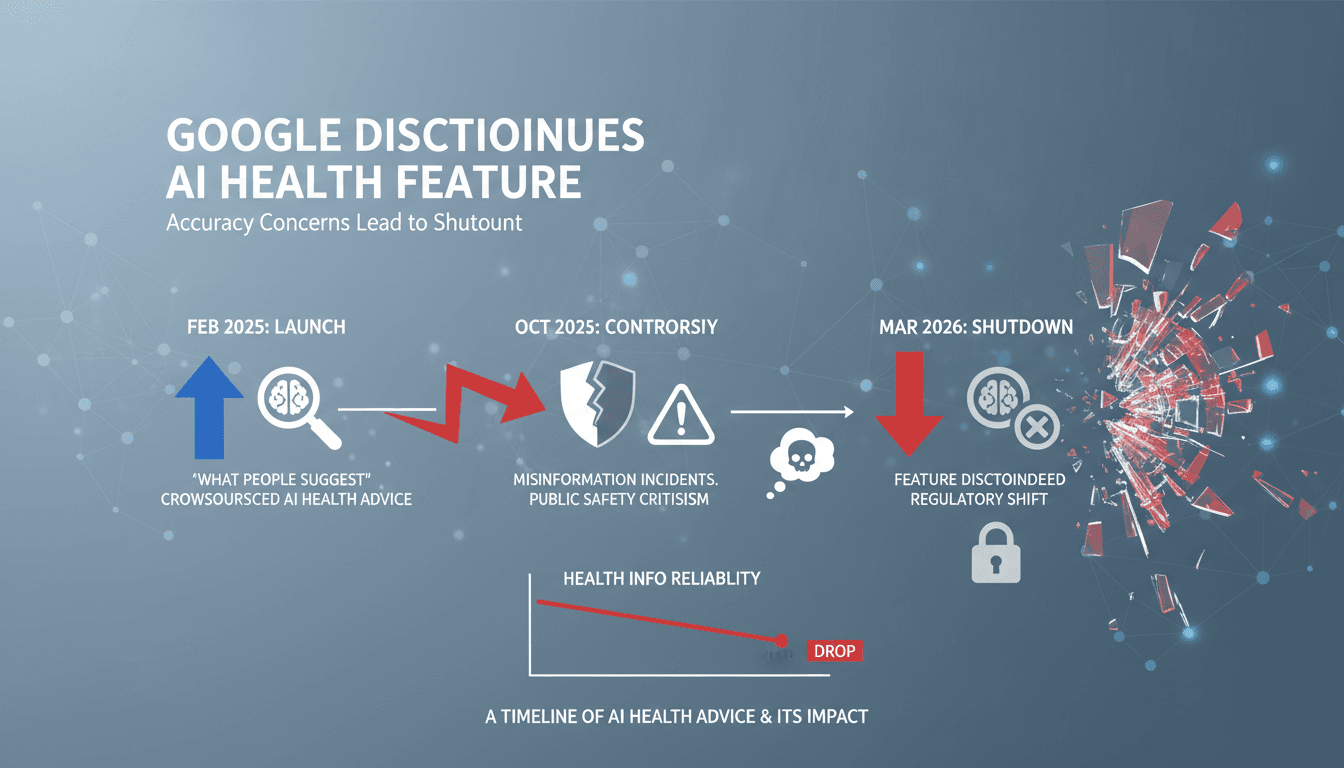
- Tech· Americas
Nvidia CEO Defends DLSS 5 Against Gamer Backlash at GTC 2026
On March 18, 2026, Nvidia CEO Jensen Huang asserted that criticisms labeling DLSS 5 as 'AI slop' are unfounded during a press Q&A at GTC 2026. This response comes in the wake of significant backlash from gamers following the announcement of DLSS 5 two days earlier, which faced scrutiny for its visual outputs in game demos. The long-term implication suggests ongoing debates in the gaming industry regarding the balance between artistic integrity and technological advancements in AI-driven graphics.
3 sourcesMar 19High
- Tech· Americas
Google Expands Personal Intelligence AI Feature to All US Users
Google has announced the expansion of its Personal Intelligence feature to all users in the United States, allowing free access to context-aware AI responses. This rollout is triggered by Google's strategy to enhance user engagement and compete with rivals in the personalized AI space. The long-term implication is a potential shift in user reliance on AI for daily tasks, impacting how consumers interact with technology and digital services.
4 sourcesMar 19Moderate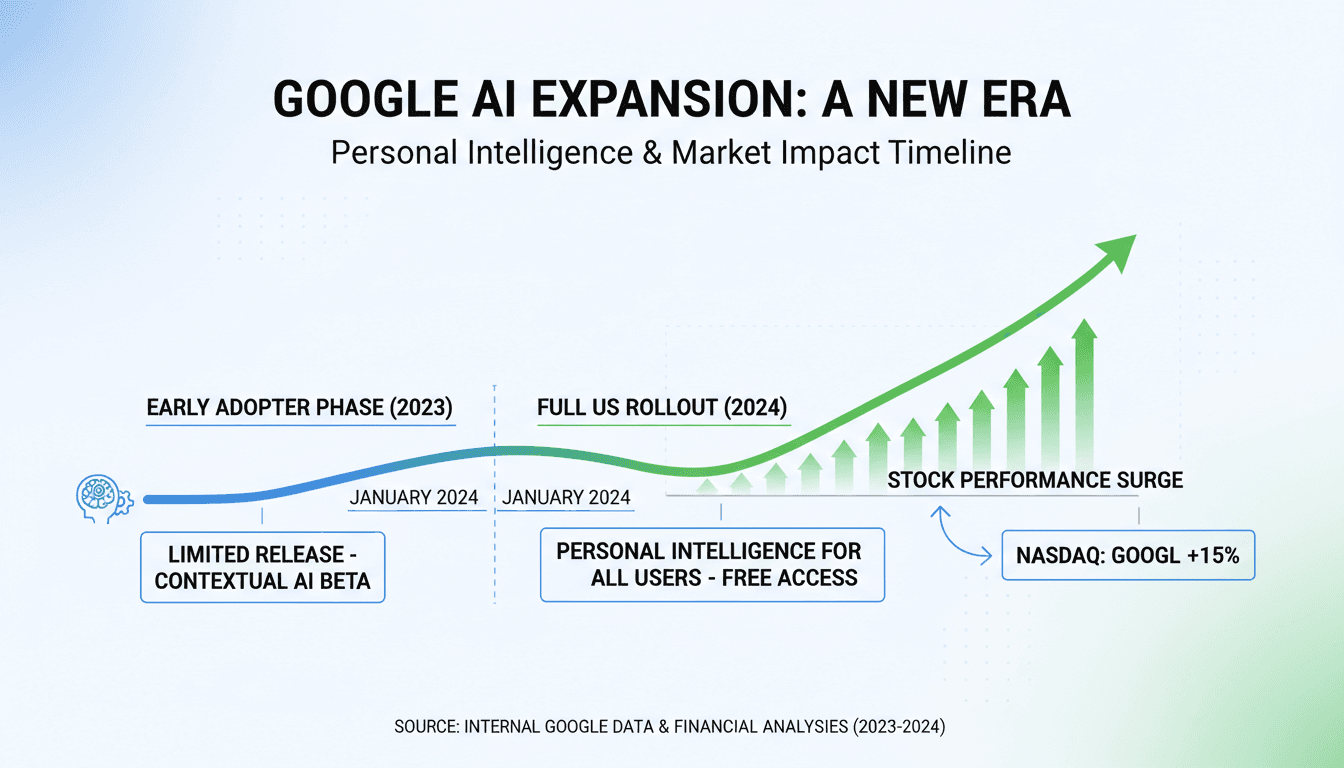
- Tech· Americas
OpenAI Shifts Focus to Core Business Amid Financial Pressures
OpenAI has announced a strategic refocus to deprioritize non-core projects, concentrating on coding tools and enterprise applications. This decision comes in response to significant financial losses and increasing competition in the AI sector, particularly from companies like Anthropic. The long-term implication is likely a more streamlined product offering that could enhance OpenAI's competitive position in the enterprise software market.
3 sourcesMar 19Moderate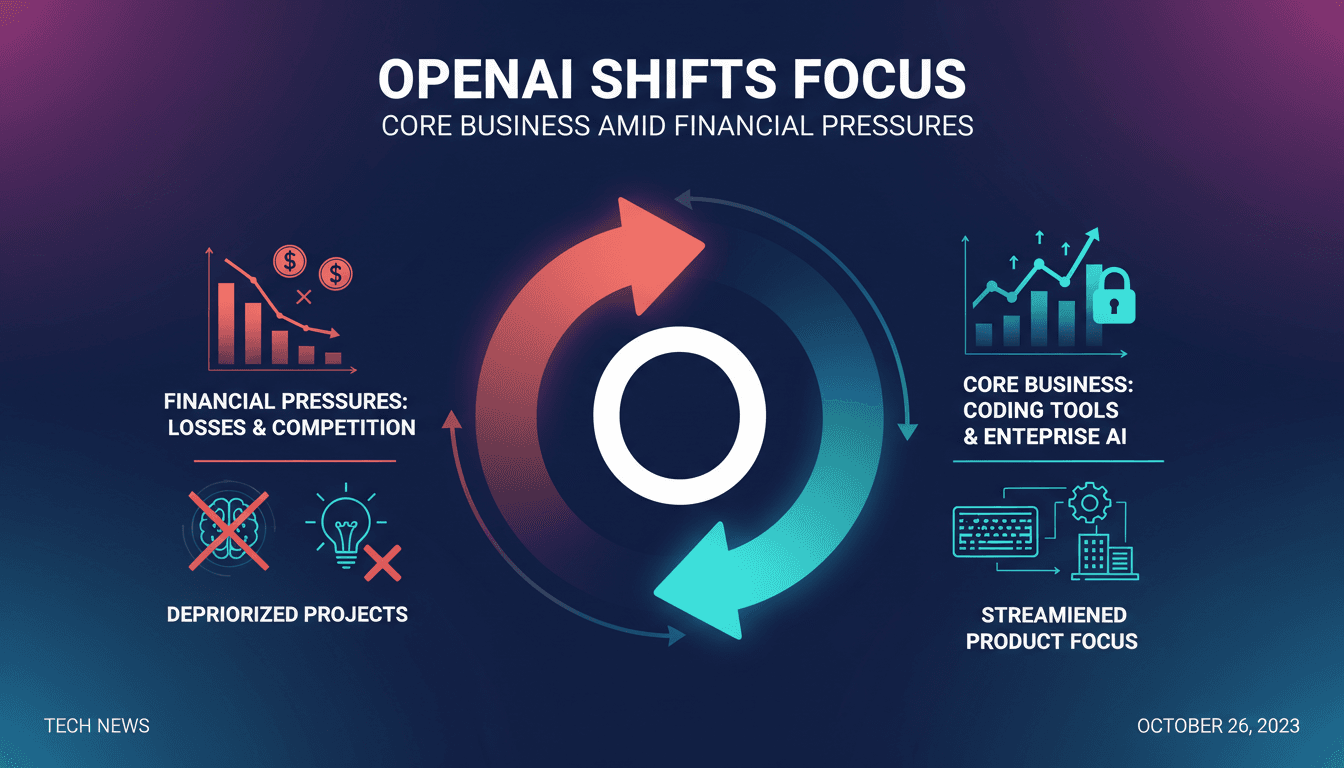
- Tech· Americas
OpenAI Launches GPT-5.4 Mini and Nano Models for Enhanced AI Performance
On March 17, 2026, OpenAI released the GPT-5.4 mini and nano models, which offer over twice the speed of the previous GPT-5 mini while maintaining high performance in various tasks. This launch is driven by the increasing demand for efficient AI models capable of handling high-volume workloads and real-time applications. The introduction of these models is likely to accelerate the adoption of AI technologies across industries, particularly in sectors requiring rapid processing and scalability.
5 sourcesMar 19High
- Tech· Europe
Mistral AI Launches Advanced AI Model and Enterprise Platform to Enhance Data Sovereignty
On March 18, 2026, Mistral AI announced the launch of its Mistral Small 4 hybrid model and Forge enterprise platform. This initiative is driven by the increasing demand for open-source AI solutions that prioritize data sovereignty and efficiency in a competitive market dominated by closed systems. The long-term implication is a potential shift in enterprise AI adoption, enabling companies to develop proprietary models while maintaining control over their data.
3 sourcesMar 19Moderate
- Tech· Americas
Encyclopedia Britannica and Merriam-Webster Sue OpenAI for Copyright Infringement
On March 13, 2026, Encyclopedia Britannica, Inc. and Merriam-Webster filed a copyright infringement lawsuit against OpenAI in the U.S. District Court for the Southern District of New York. The lawsuit alleges that OpenAI unlawfully copied nearly 100,000 articles to train its AI models, prompting legal action amid ongoing disputes between traditional publishers and AI developers. This case could set significant precedents for AI content licensing practices and fair use doctrines globally.
3 sourcesMar 19Low
- Politics· Americas
Pentagon to Allow AI Firms to Train on Classified Military Data
On March 17, 2026, the U.S. Department of Defense announced plans to enable commercial AI companies to train models using classified military data in secure environments. This initiative follows Defense Secretary Pete Hegseth's directive aimed at establishing an 'AI-first warfighting force' amid rising geopolitical tensions, particularly with Iran. The long-term implication is a potential transformation in military intelligence capabilities, enhancing the accuracy of AI models for defense applications while raising concerns about data security and integrity.
5 sourcesMar 19Low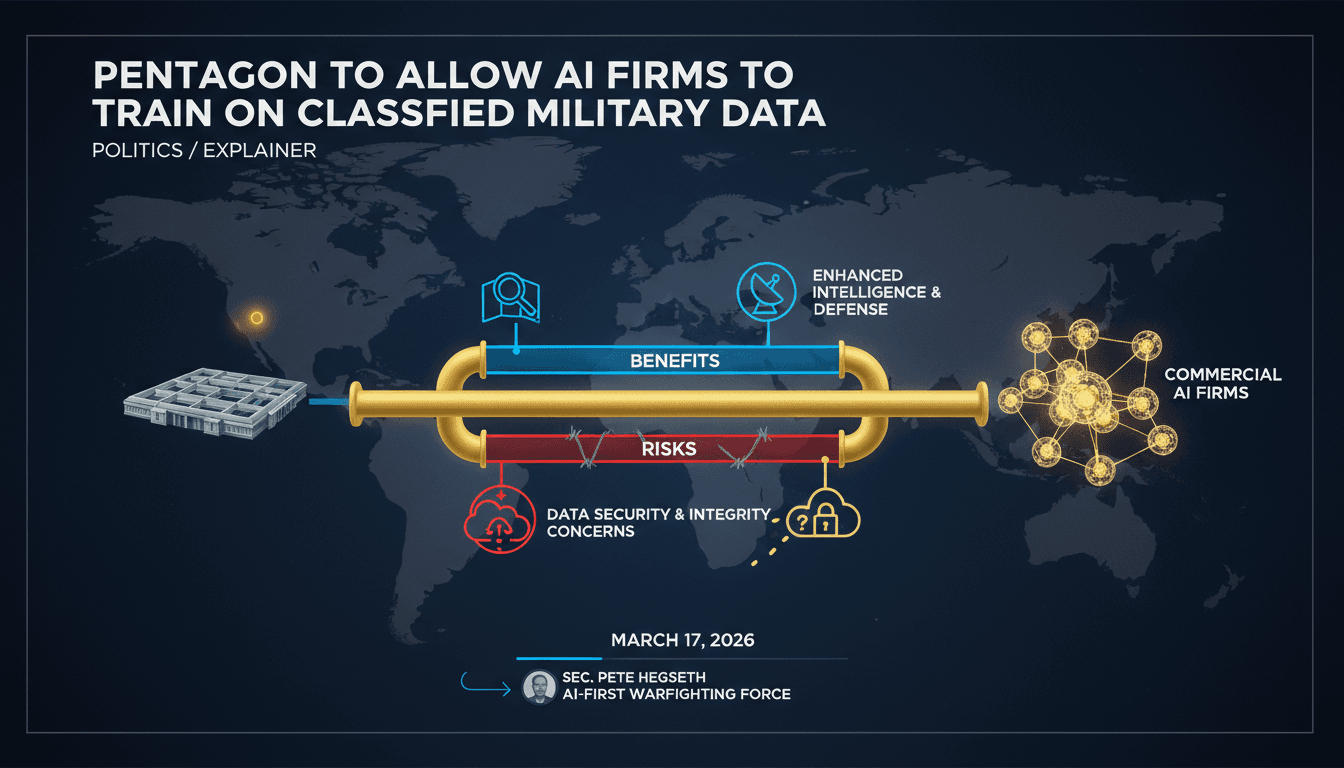
- Politics· Americas
U.S. Department of Defense Labels Anthropic a National Security Risk
The U.S. Department of Defense has designated Anthropic PBC as an 'unacceptable' national security risk in a recent court filing. This designation follows Anthropic's refusal to allow unrestricted military use of its AI technology, raising concerns about potential vulnerabilities in AI systems. The ongoing litigation may lead to stricter regulations on AI companies and their involvement in defense contracts.
5 sourcesMar 19Low
- Tech· Americas
Microsoft restructures Copilot AI leadership to enhance enterprise model development
Microsoft announced a reorganization of its Copilot AI leadership, unifying consumer and commercial teams under Jacob Andreou. This restructuring is prompted by the need to address fragmentation in AI experiences and improve adoption rates, which have lagged behind competitors. In the long term, this move is expected to support Microsoft's ambitions in developing advanced enterprise-tuned AI models over the next five years.
3 sourcesMar 19Low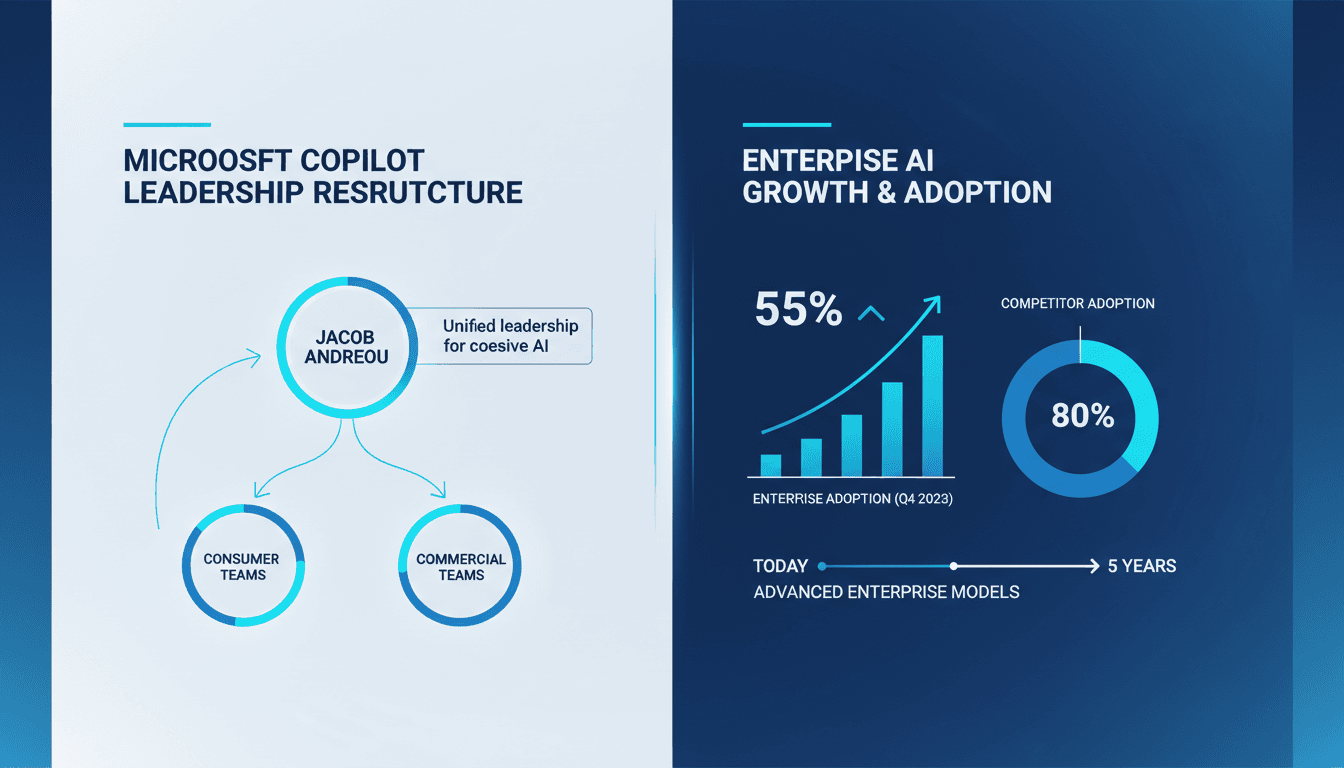
- Tech· Americas
OpenClaw AI Agents Demonstrate Autonomous Task Execution at Nvidia GTC Conference
OpenClaw agents showcased their ability to autonomously perform practical tasks at Nvidia's GTC event on March 18, 2026. This demonstration follows the rapid viral adoption of these open-source AI agents, which began as a side project in late 2025. The long-term implication is a shift towards increased automation in enterprise environments, raising concerns about security and agent autonomy as companies seek to integrate these technologies into their workflows.
6 sourcesMar 19High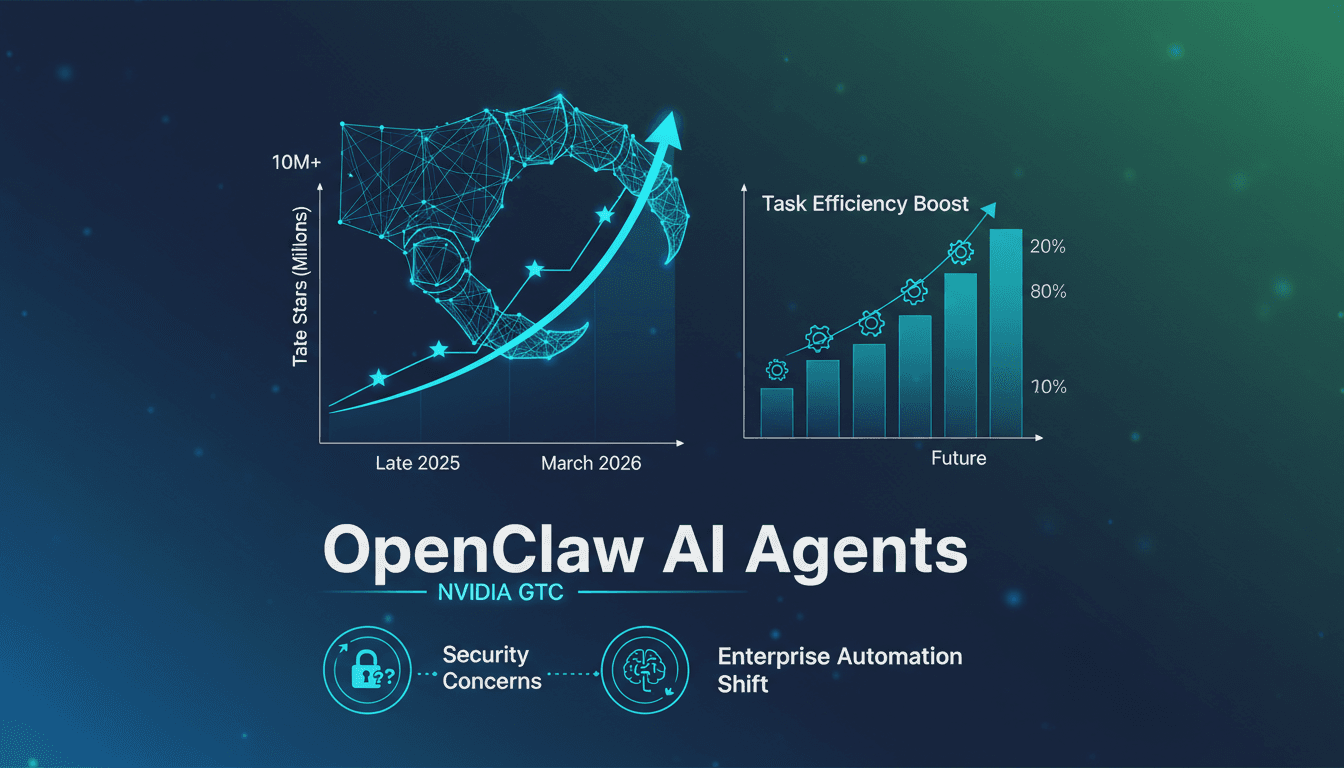
- Tech· Asia
Samsung Halts Galaxy Z TriFold Sales After Three Months Due to Rising Costs
Samsung Electronics has begun the discontinuation of sales for its Galaxy Z TriFold smartphone, just three months after its launch. This decision is driven by escalating component costs linked to AI demand and the complexities of manufacturing the device. The long-term implication suggests a strategic pivot for Samsung as it refines its foldable technology, potentially focusing on more affordable and durable models in the future.
5 sourcesMar 19Moderate
- Tech· Americas
Silicon Valley Supports Anthropic in Pentagon AI Safeguards Legal Challenge
Silicon Valley executives and trade associations have mobilized to support Anthropic in its legal dispute with the U.S. Pentagon regarding its designation as a national security supply-chain risk. This advocacy comes in response to the Pentagon's recent actions that threaten Anthropic's $200 million defense contract and raise concerns over AI regulations. The outcome of this case could significantly impact the future of AI development and its integration into national security frameworks.
3 sourcesMar 19Low
- Politics· Americas
Argentina Enforces Nationwide Ban on Polymarket Following Suspicious Betting Activity
On March 16, 2026, a Buenos Aires court mandated the nationwide blockade of the prediction market platform Polymarket due to concerns over unlicensed betting and potential insider trading. This ruling was triggered by unusual betting patterns that accurately predicted Argentina's February inflation rate just minutes before its official announcement. The long-term implication may lead to increased regulatory scrutiny of prediction markets and similar platforms in Argentina and potentially across Latin America.
5 sourcesMar 19Moderate