

Bio
Andre is co-founder at A47 News. He is responsible for editorial standards and news curation, and shares commentary on AI, general technology, and global politics.
Editorial Responsibility
As Editor, I am responsible for all editorial standards, news sourcing, research, and content production.
Previous experience · 15+ years
- · Co-founder at Tiki
- · Operations Director at Rocket Internet
Education
BA Economics, University of Waikato
Areas of expertise
Categories overseen
Stories from Andre Teow’s desk
20066 stories- Politics· World
Rümeysa Öztürk Returns to Türkiye After Settlement in Deportation Case Linked to Pro-Palestinian Advocacy
Rümeysa Öztürk has returned to Türkiye following a settlement that concluded her deportation case initiated by the Trump administration. The settlement comes after Öztürk faced accusations of supporting Hamas due to her advocacy for Palestinian rights, which led to her detention for 45 days. This case highlights ongoing tensions surrounding immigration policies and free speech in the U.S., potentially influencing future legal battles over similar cases involving political advocacy.
3 sourcesApr 18Moderate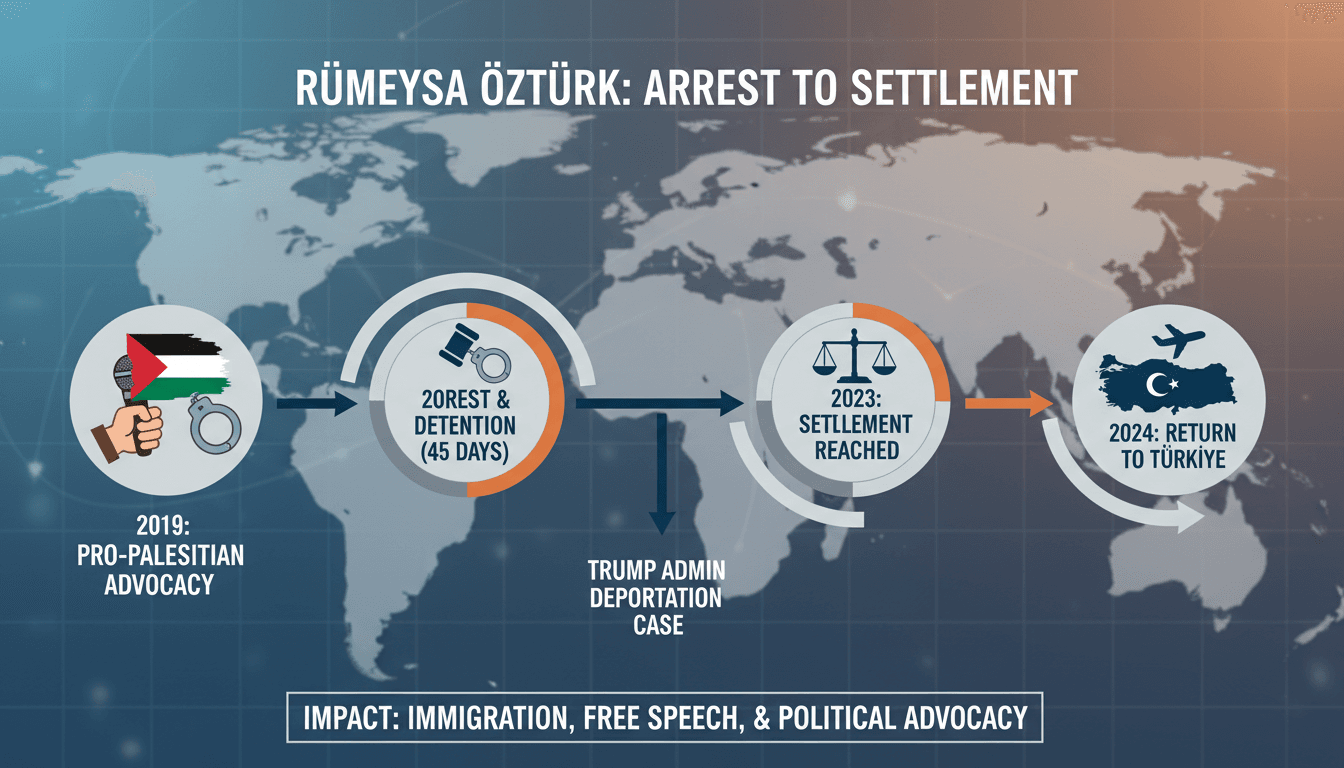
- Politics· MENA
Lebanese President Aoun Asserts National Sovereignty Amid Israel Ceasefire
On April 17, 2026, Lebanese President Joseph Aoun declared that Lebanon is no longer a pawn in regional conflicts during a televised address following a 10-day ceasefire with Israel. This declaration comes after six weeks of intense conflict initiated by Hezbollah's rocket fire, which resulted in over 2,200 fatalities. The long-term implication suggests a potential shift towards permanent agreements that could redefine Lebanon's political landscape and its relations with Israel and the U.S.
5 sourcesApr 18Moderate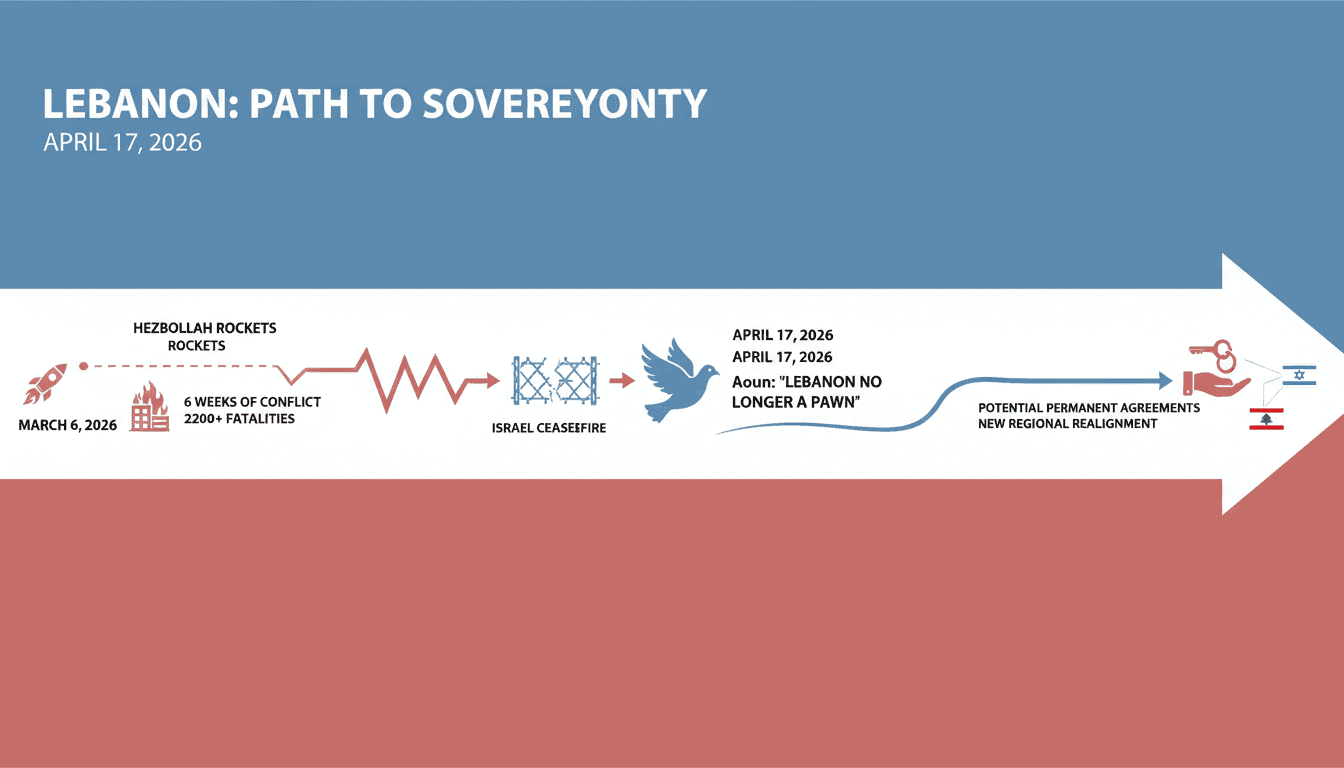
- Politics· UAE
Daniel Kinahan Arrested in Dubai on Irish Extradition Warrant
Daniel Kinahan, the alleged leader of the Kinahan Organised Crime Group, was arrested in Dubai on April 17, 2026, following an Irish court warrant for serious organised crime offences. The arrest was triggered by a bilateral extradition treaty between Ireland and the UAE, which facilitated swift action by Dubai police within 48 hours of the warrant issuance. This event marks a significant step in international cooperation against transnational crime and may lead to Kinahan's extradition to Ireland for trial, impacting the operations of organised crime networks in the region.
4 sourcesApr 18High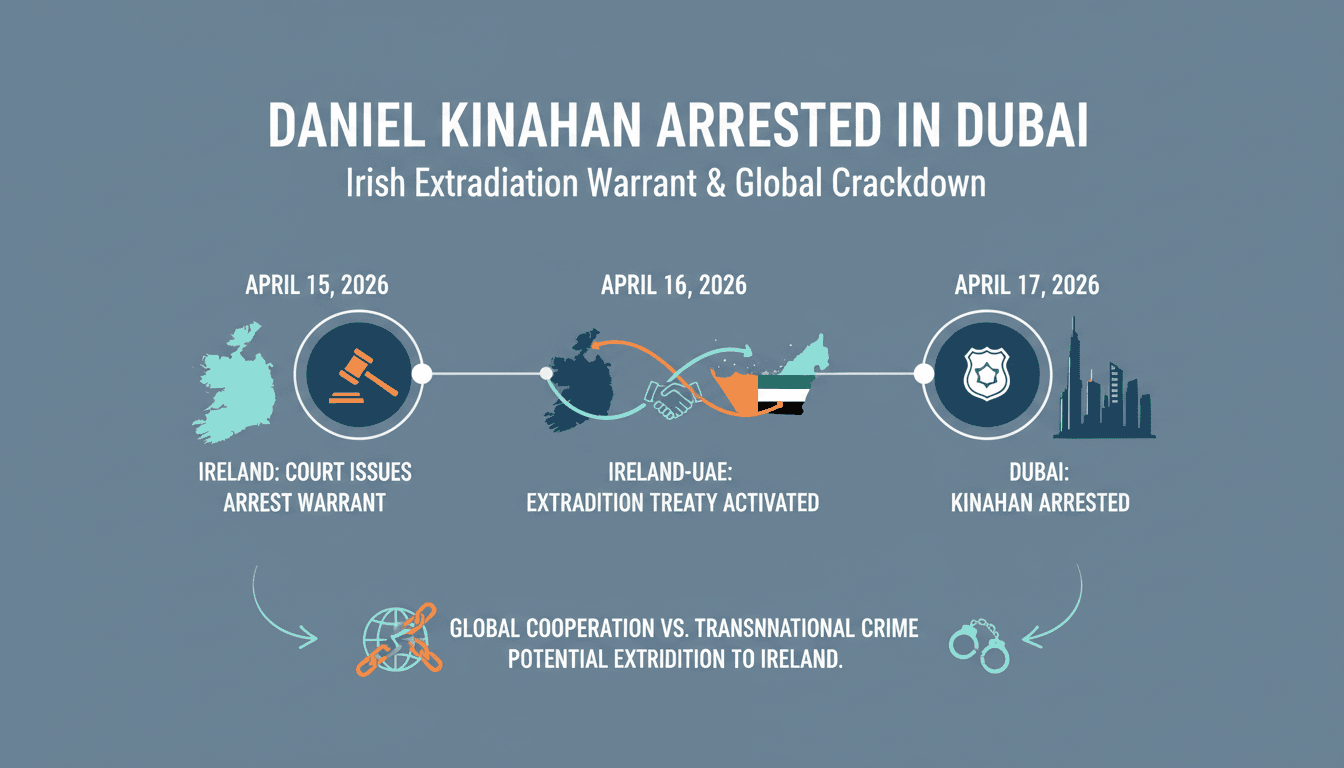
- Politics· MENA
Israel and Lebanon agree to a 10-day ceasefire amid ongoing conflict
A 10-day ceasefire between Israel and Lebanon took effect on April 16, 2026, to facilitate negotiations for a permanent security arrangement. The agreement was brokered by the United States following the escalation of the 2026 Lebanon war, which began on March 2, 2026, amid heightened US-Iran tensions. The long-term implication may involve a fragile peace process that could reshape regional dynamics and influence future US involvement in Middle Eastern conflicts.
5 sourcesApr 18High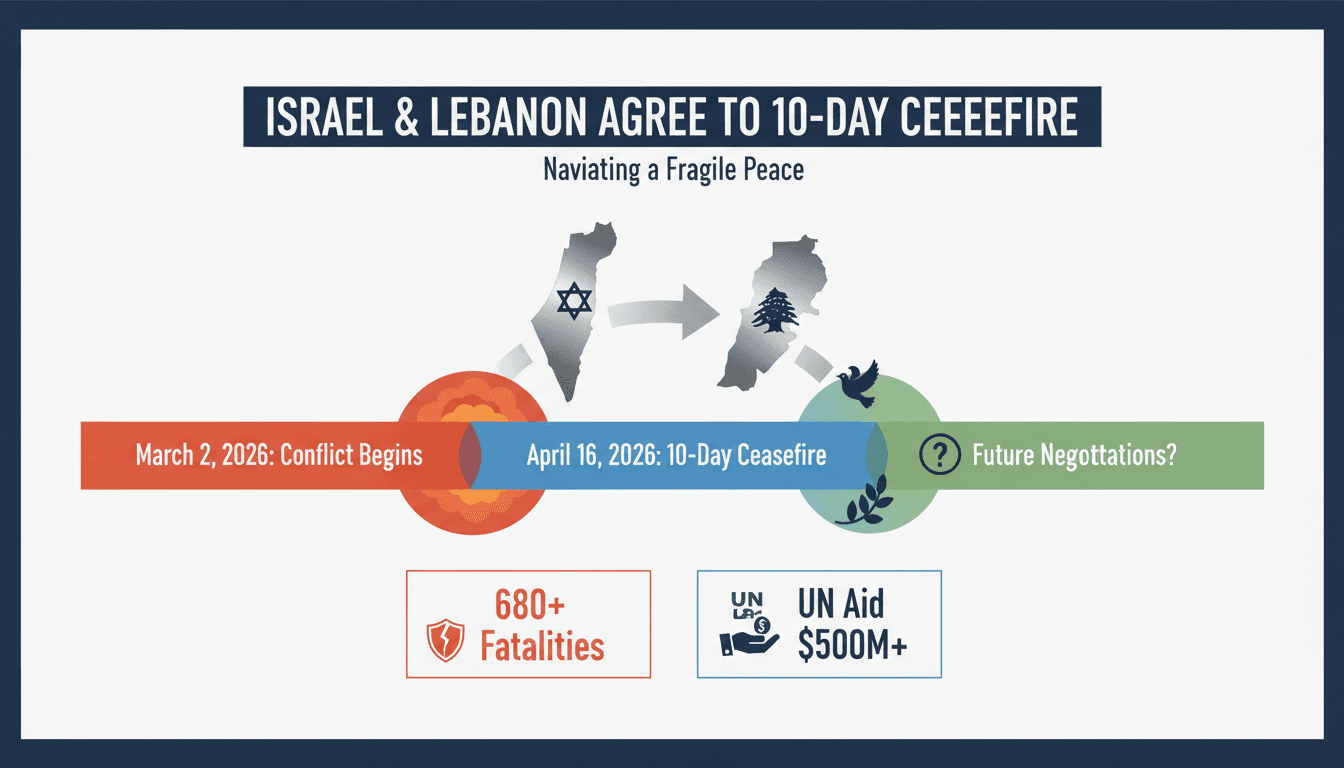
- Politics· MENA
Iran Rejects Claims of Uranium Transfer Amid Ongoing Nuclear Negotiations
On April 17, 2026, Iran's Foreign Ministry denied any agreement to transfer its enriched uranium stockpile, countering U.S. President Trump's assertions. This denial comes during indirect U.S.-Iran nuclear negotiations, which have been influenced by a recent ceasefire in Lebanon and Iran's conditional reopening of the Strait of Hormuz. The long-term implication may involve heightened tensions in the region as negotiations continue without a clear resolution on Iran's nuclear capabilities.
7 sourcesApr 18High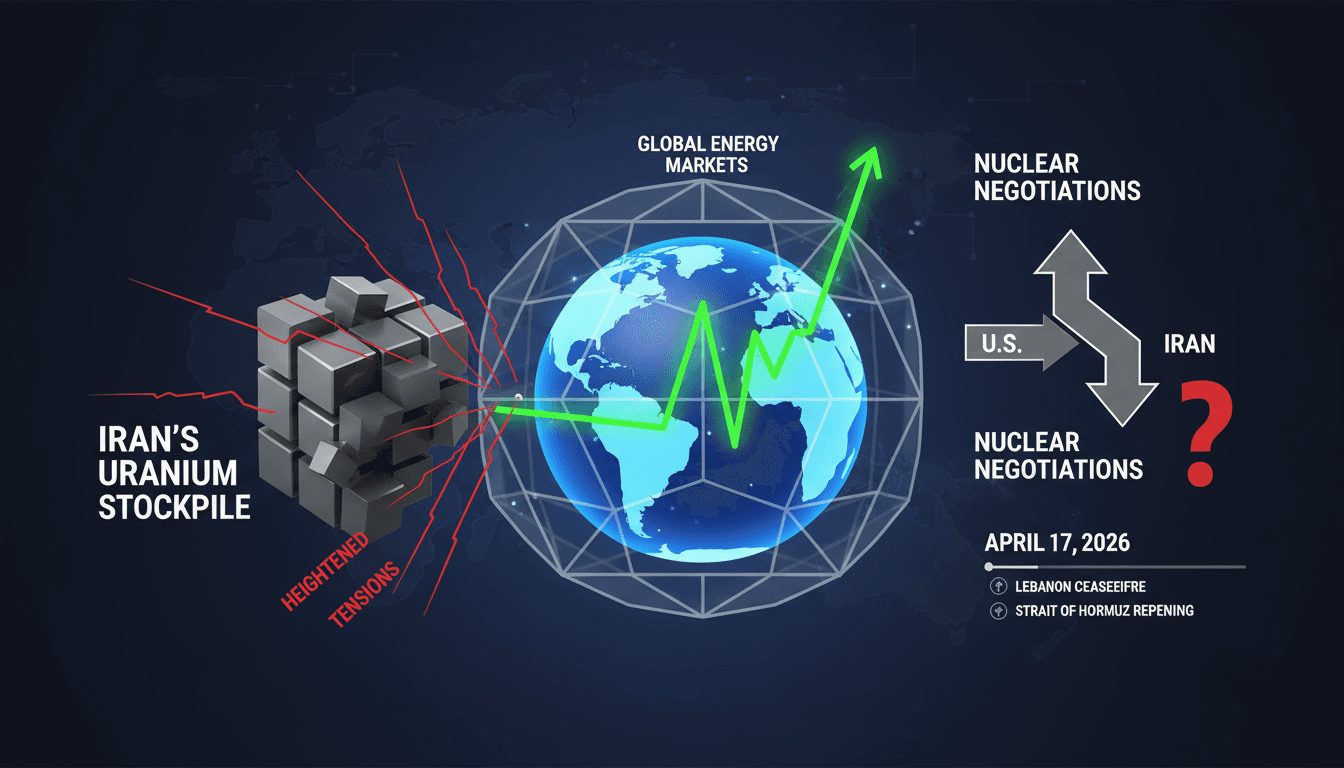
- Politics· World
Keir Starmer Unaware of Mandelson's Security Vetting Failure for US Ambassador Role
UK Prime Minister Sir Keir Starmer expressed shock at not being informed of Lord Peter Mandelson's failure to pass security vetting before his appointment as UK Ambassador to the US. The revelation follows a Guardian investigation that uncovered the Foreign Office's decision to overrule a negative recommendation from the UK Security Vetting service. This incident raises questions about government transparency and may lead to stricter protocols for ministerial notifications regarding security vetting outcomes in the future.
10 sourcesApr 18High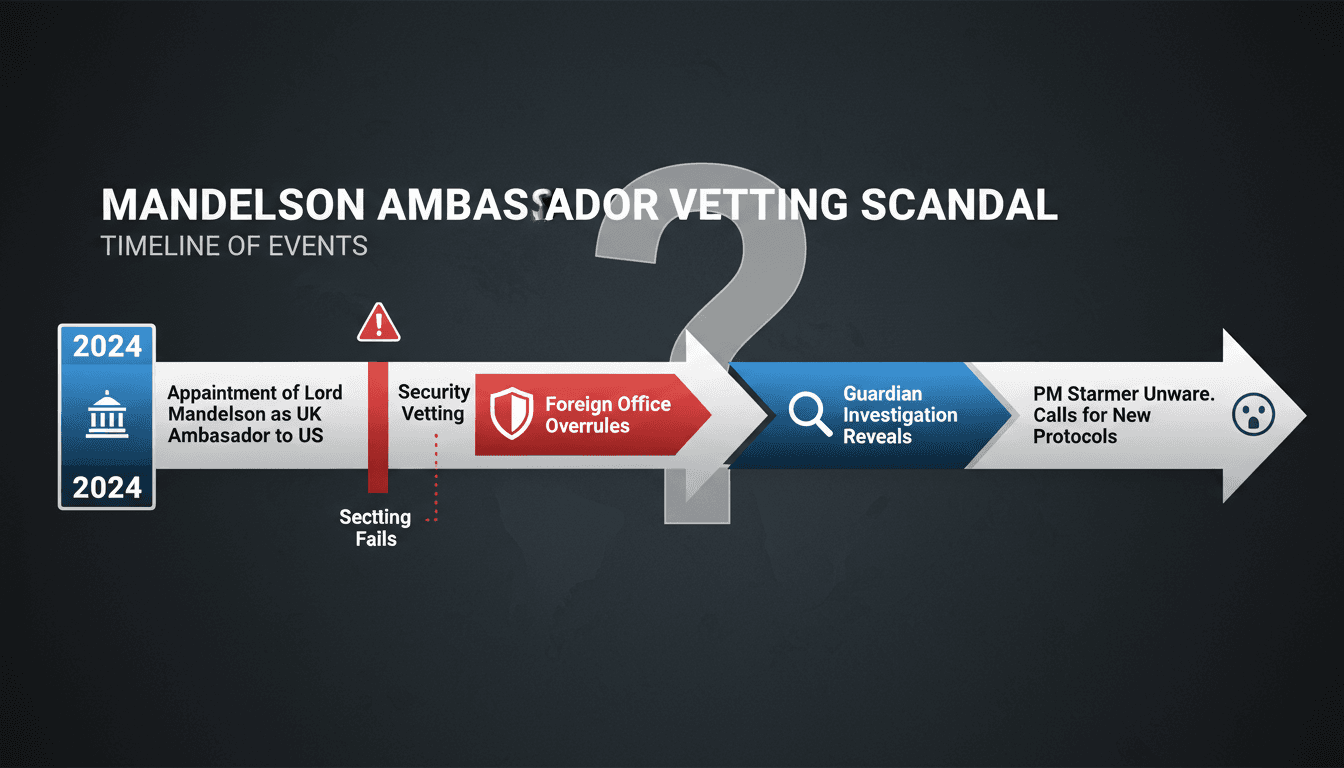
- Politics· World
U.S. Central Command Reports Nine Ships Returned to Iranian Ports Following Naval Blockade
U.S. Central Command announced that nine ships returned to Iranian ports within 48 hours of the naval blockade imposed on April 13, 2026. This compliance follows the U.S. enforcement of maritime quarantine amid escalating tensions from the ongoing Iran War. The long-term implication may involve sustained military pressure on Iran and potential escalation of conflict if negotiations fail.
10 sourcesApr 18High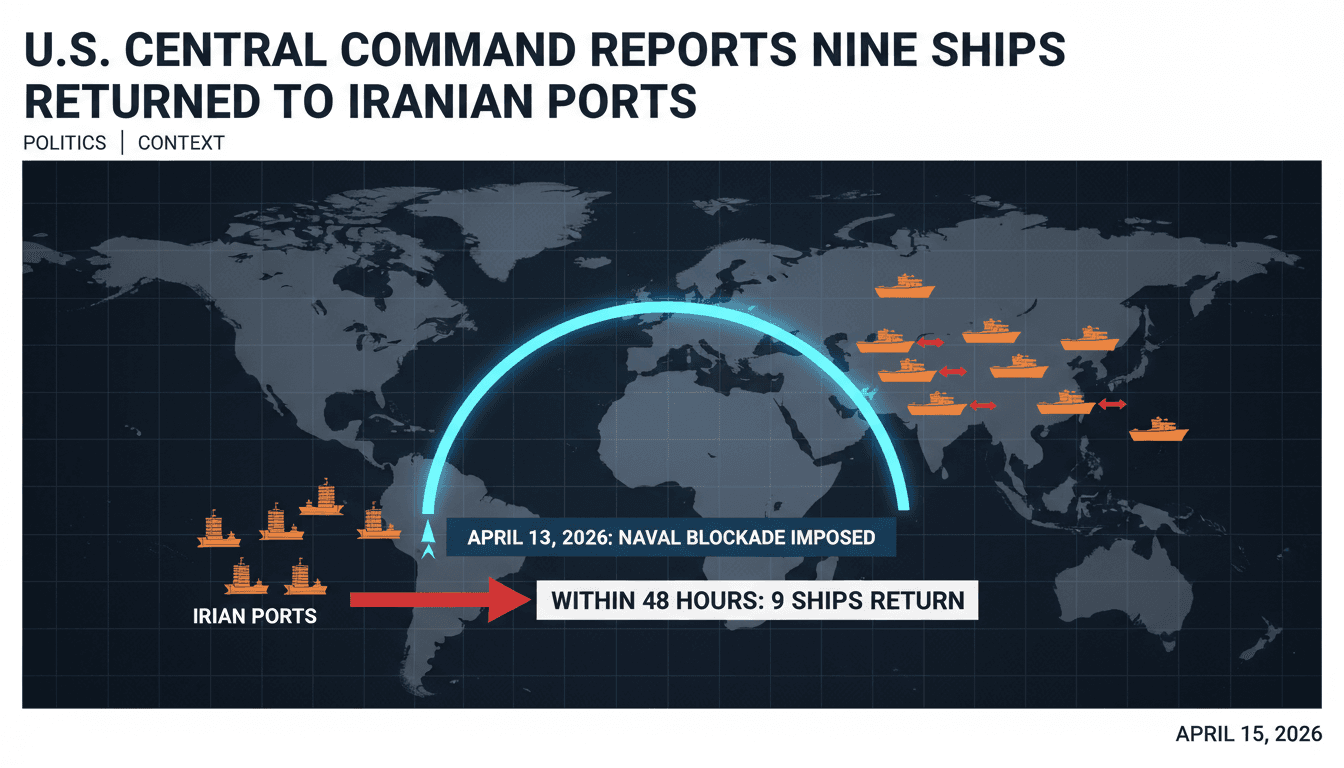
- Tech· World
Meta Launches Muse Spark AI Model to Enhance Multimodal Capabilities
Meta has launched Muse Spark, its first AI model from Superintelligence Labs, aimed at improving its AI assistant across various platforms. This release follows a significant overhaul of Meta's AI infrastructure after previous models underperformed, driven by a competitive need to catch up with industry leaders like OpenAI and Google. The introduction of Muse Spark is expected to strengthen Meta's position in the AI market and enhance user engagement through advanced features.
4 sourcesApr 18Low
- Politics· MENA
Trump Claims No Obstacles Remain for US-Iran Peace Agreement
US President Donald Trump announced that there are 'no sticking points' in the ongoing peace negotiations with Iran, indicating a potential resolution is imminent. This declaration follows a recent truce in the Strait of Hormuz and direct talks in Pakistan, amidst a backdrop of escalating conflict in the region. If successful, this agreement could significantly alter geopolitical dynamics and stabilize oil transit through a critical global shipping route.
5 sourcesApr 18Low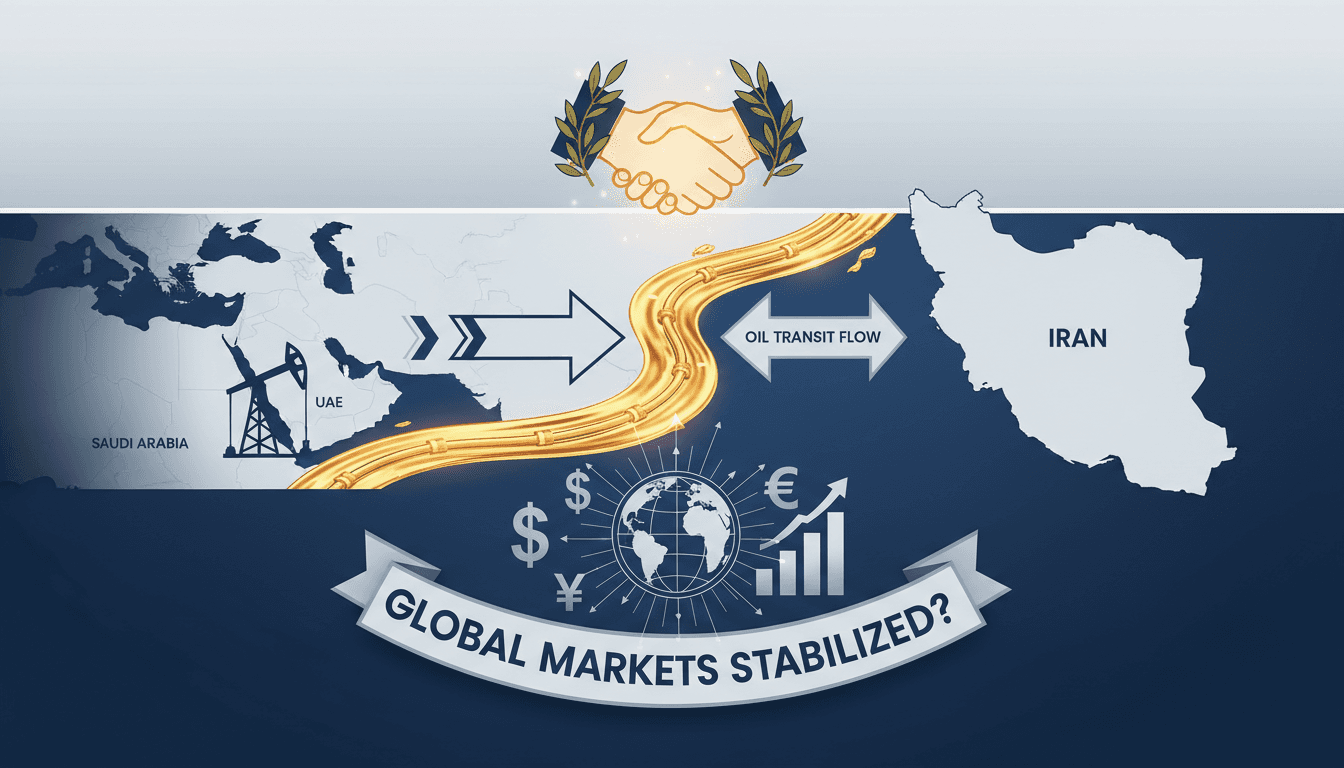
- Politics· MENA
Trump Acknowledges Gulf States' Support as Strait of Hormuz Reopens
On April 18, 2026, U.S. President Donald Trump publicly thanked Gulf states for their support during the ongoing U.S.-Iran conflict, coinciding with Iran's announcement of the Strait of Hormuz fully reopening to commercial shipping. This development follows a period of heightened tensions and military actions that had previously threatened oil supply routes. The long-term implication is a potential stabilization of global oil markets and a shift in geopolitical dynamics in the region as Gulf states reaffirm their strategic alliances with the U.S.
4 sourcesApr 18Low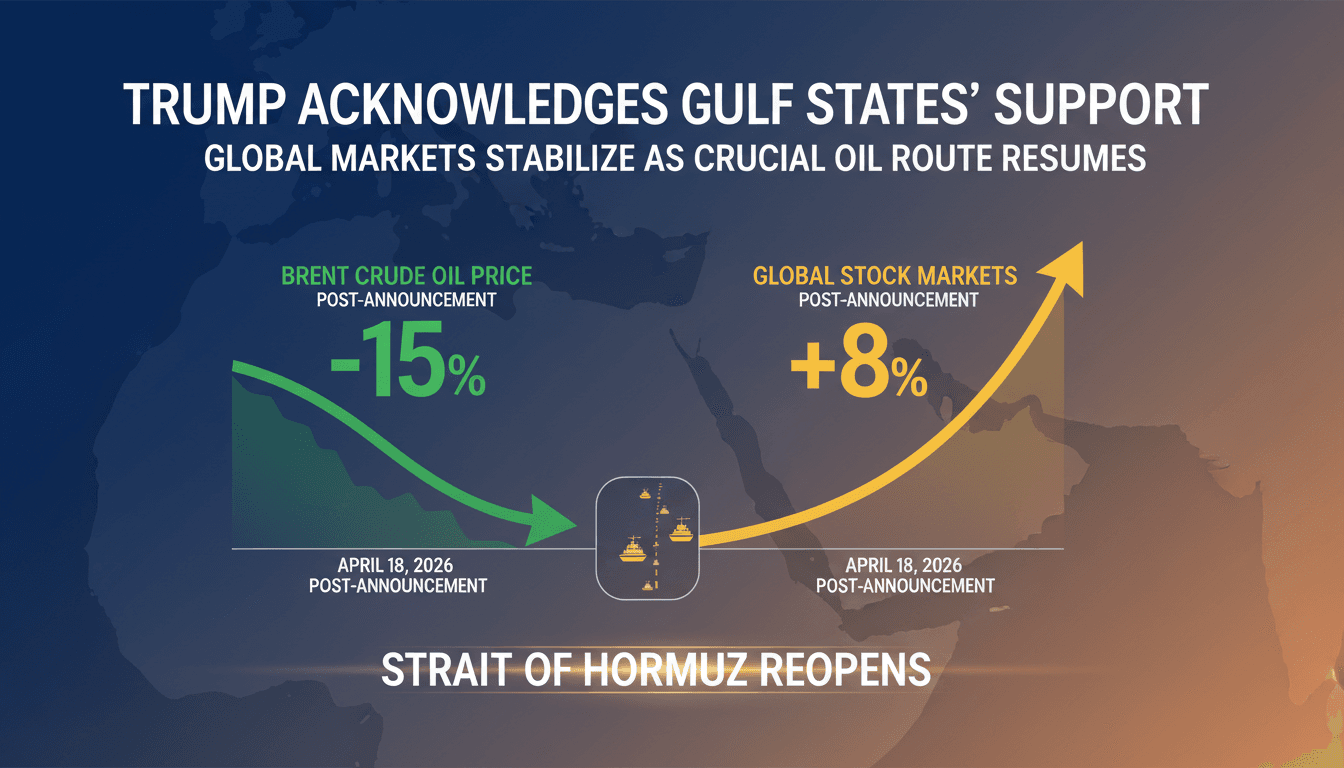
- Politics· World
Public Dispute Erupts Between Pope Leo XIV and President Trump Over U.S.-Iran War
A public feud has emerged between Pope Leo XIV and President Donald Trump regarding the ongoing U.S.-Iran war, with the pope condemning the conflict and Trump defending military actions. This clash is triggered by the pope's recent statements against the war, which Trump countered with personal attacks on social media. The long-term implication may deepen divisions within the Republican Party and impact Trump's support among Catholic voters ahead of upcoming elections.
3 sourcesApr 18High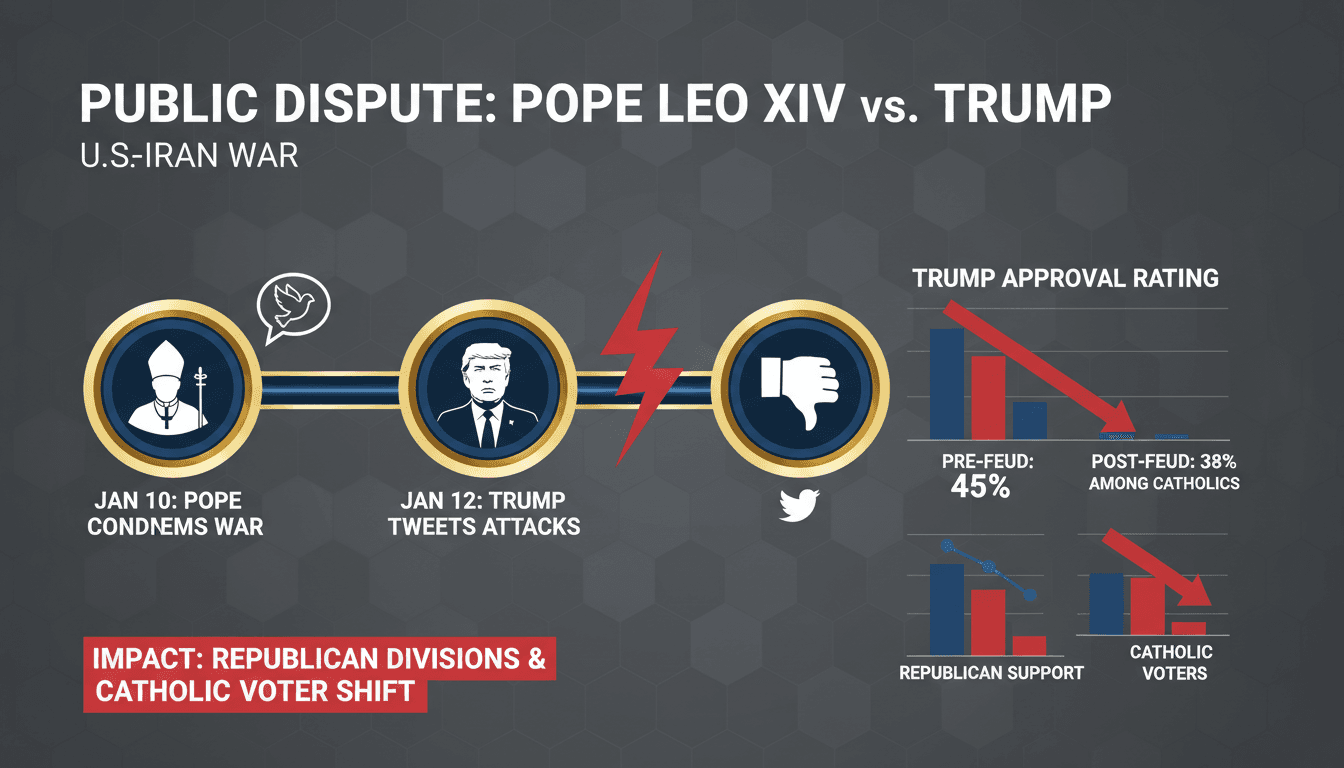
- Politics· World
U.S. Courts Rule AI Chatbot Communications Lack Attorney-Client Privilege
On February 10, 2026, a U.S. District Judge ruled that communications with Anthropic's Claude chatbot do not qualify for attorney-client privilege, ordering the disclosure of 31 documents in a securities fraud case. This ruling comes amid increasing reliance on AI tools for legal research, highlighting a critical legal gap regarding the confidentiality of AI-generated communications. The long-term implication may lead to stricter regulations and guidelines for the use of AI in legal contexts, as law firms adapt to the evolving landscape of evidentiary standards.
3 sourcesApr 18Low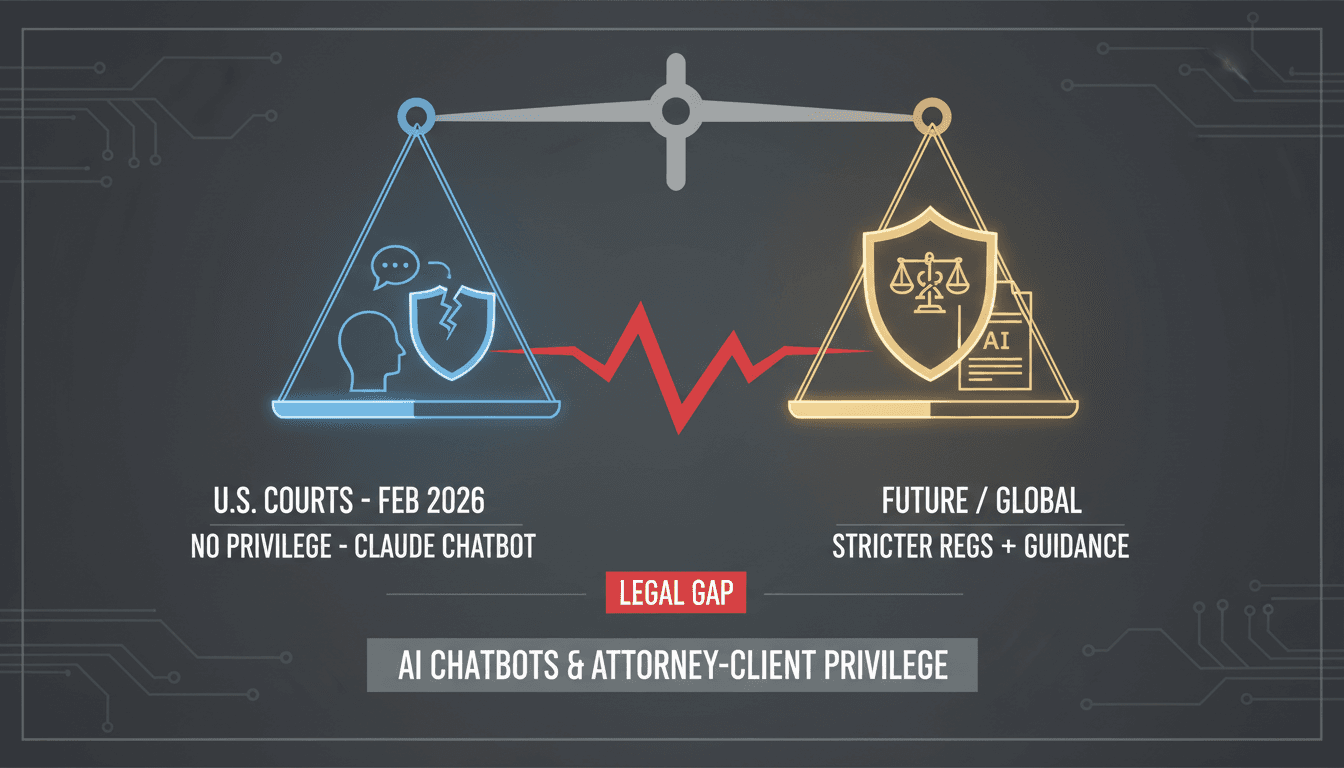
- Politics· World
U.S. Senate Fails to Pass War Powers Resolution Limiting Military Actions Against Iran
The U.S. Senate voted 47-52 against a motion to discharge a war powers resolution aimed at limiting President Trump's military actions in Iran. This failure comes amid ongoing military operations and a naval blockade of the Strait of Hormuz, escalating tensions in the region. The long-term implication is a continued consolidation of executive military authority without congressional oversight, potentially leading to further conflict in the Middle East.
3 sourcesApr 18Moderate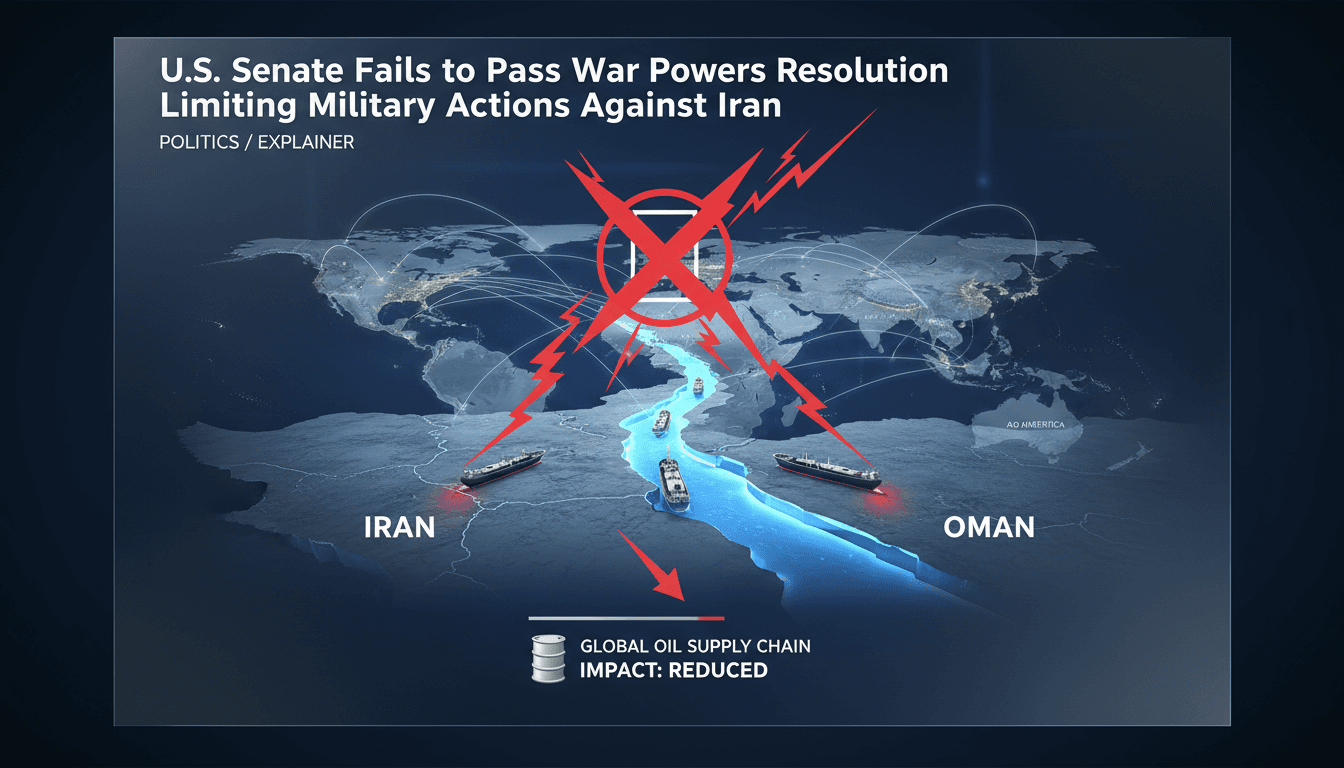
- Politics· World
Péter Magyar's Tisza Party Wins Supermajority in Hungarian Election Ending Fidesz Rule
Péter Magyar's Tisza Party achieved a supermajority victory in Hungary's parliamentary election on April 12, 2026, marking the end of Viktor Orbán's 16-year leadership. This shift is driven by widespread voter dissatisfaction with economic stagnation and corruption, prompting a demand for reform and EU reintegration. The long-term implication is a potential unlocking of €19 billion in EU funds contingent on Magyar's promised reforms, which could revitalize Hungary's economy and improve its relations with Brussels.
7 sourcesApr 18High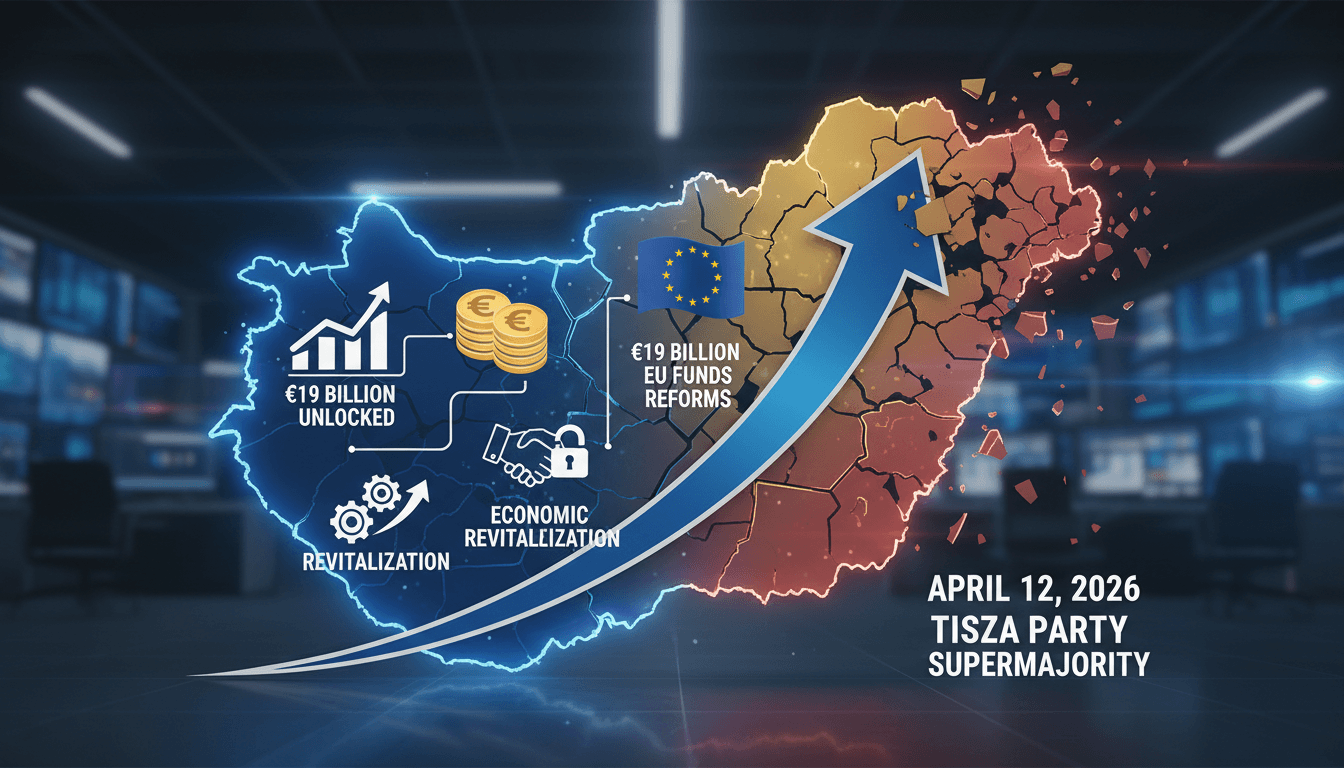
- Politics· World
Pentagon Engages Ford and GM to Boost Defense Production Capacity
The Pentagon has initiated preliminary discussions with Ford and General Motors to explore the automotive industry's role in producing military components. This move is prompted by significant stockpile depletions due to U.S. military aid to Ukraine and the ongoing conflict in Iran. The long-term implication is a potential shift towards commercial manufacturing solutions to enhance the U.S. defense industrial base and ensure supply chain resilience.
6 sourcesApr 18High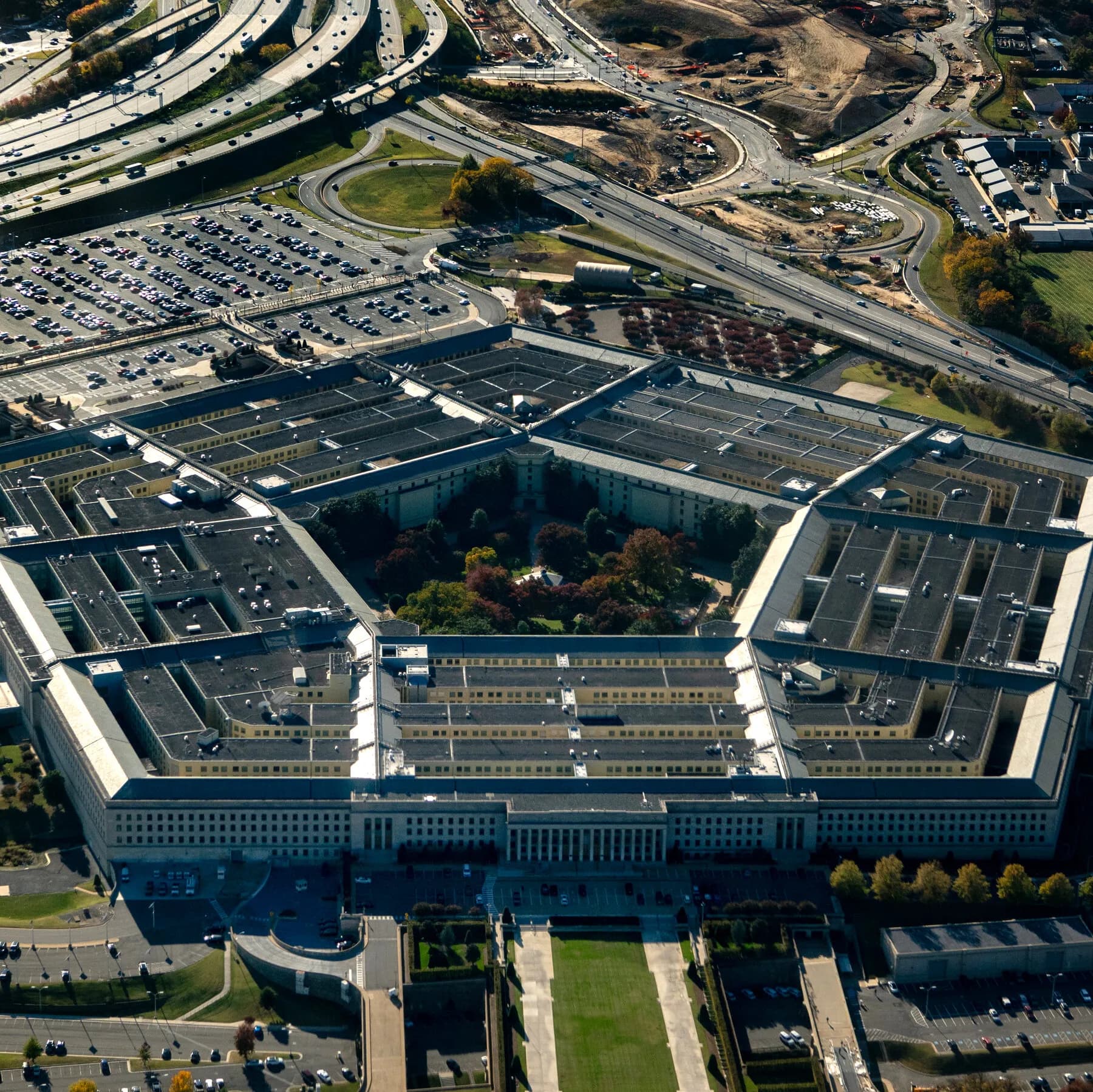
- Politics· World
USS Gerald R. Ford Sets Record for Longest U.S. Aircraft Carrier Deployment Since Vietnam War
The USS Gerald R. Ford has completed 295 days at sea, marking the longest deployment of a U.S. aircraft carrier since the Vietnam War. This unprecedented duration is a response to escalating geopolitical tensions, including operations related to Venezuela and Iran. The extended deployment raises concerns about crew welfare and may prompt a reevaluation of U.S. naval operational strategies in future conflicts.
4 sourcesApr 18Low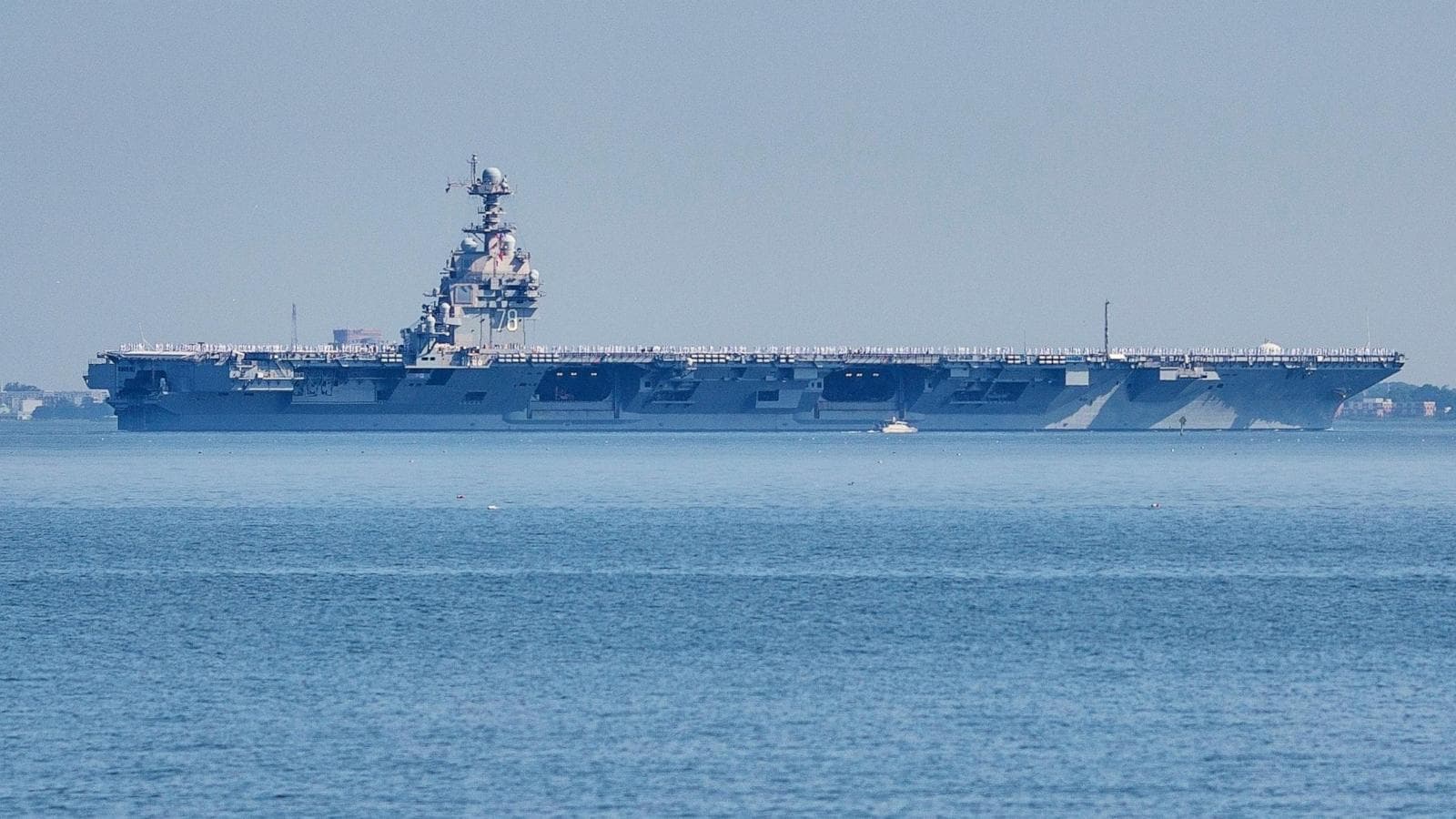
- Politics· World
U.S. Senate Republicans Block Democratic Resolution to Limit Military Action in Iran
On April 14, 2026, U.S. Senate Republicans defeated a Democratic resolution aimed at terminating military involvement in Iran without congressional approval. This vote, which ended 47-52, was triggered by ongoing hostilities in the Iran War and significant public disapproval of military actions. The long-term implication may lead to continued partisan conflict over war powers and potential electoral repercussions for Republicans amid rising domestic energy costs and inflation.
7 sourcesApr 18Low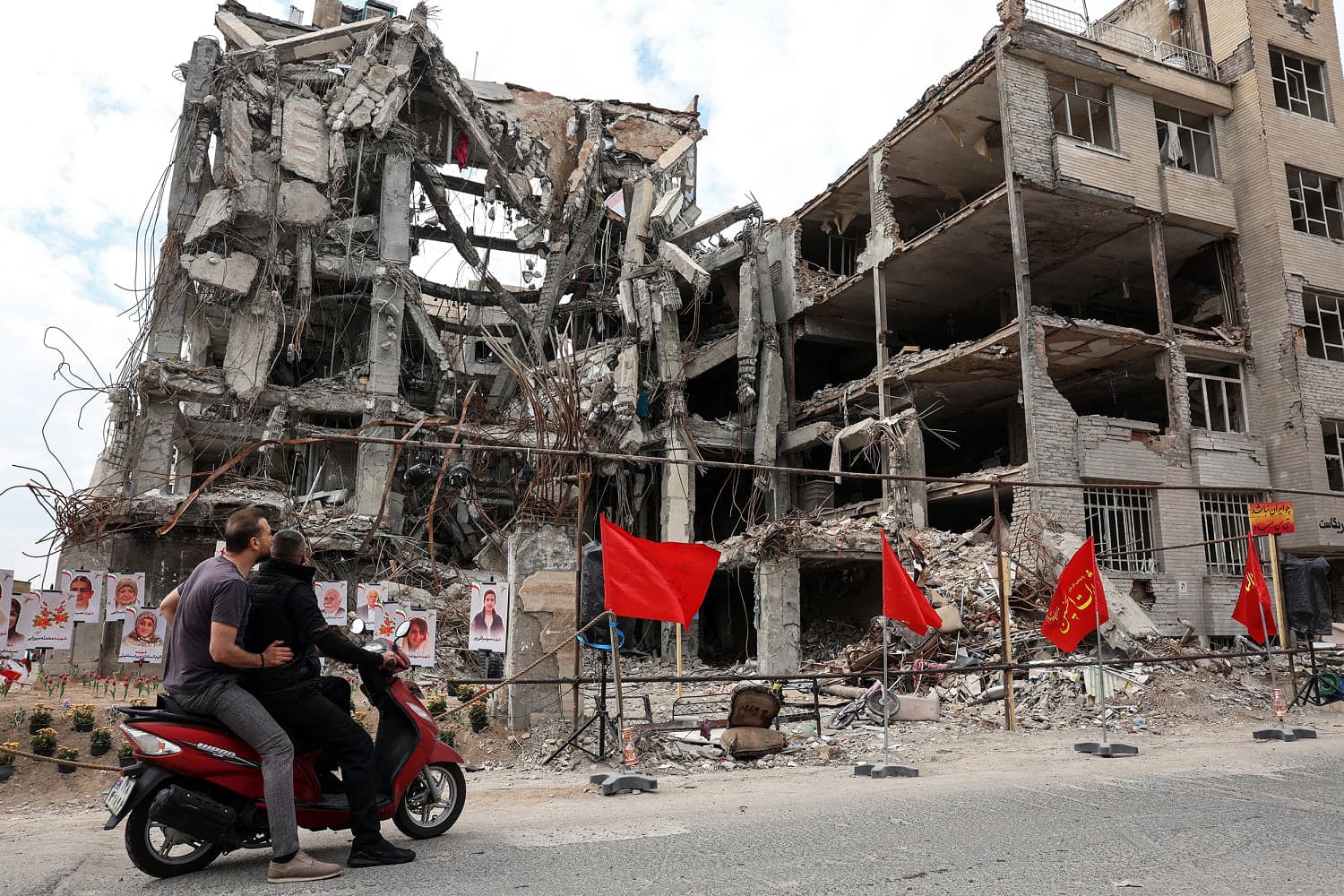
- Politics· MENA
Pakistan Mediates US-Iran Nuclear Negotiations Approaching Breakthrough
Indirect negotiations mediated by Pakistan between the US and Iran regarding Tehran's nuclear program have shown signs of nearing a breakthrough as of April 16, 2026. The talks were prompted by a recent two-week ceasefire and the urgent need to address Iran's stockpile of highly enriched uranium. If successful, these negotiations could lead to a significant reduction in tensions and a potential resolution to the ongoing conflict between the US and Iran.
5 sourcesApr 18High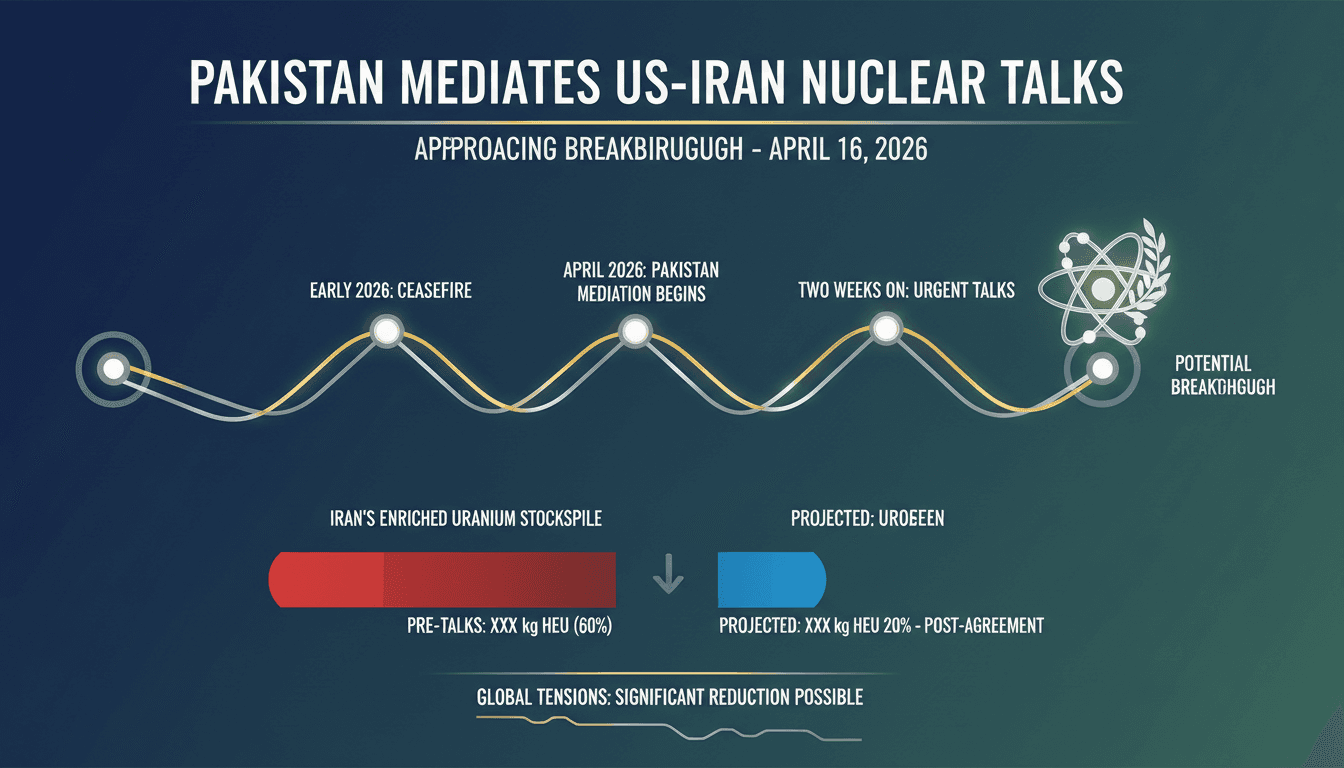
- Politics· World
US Senate Rejects Resolution to Block $295 Million Military Sale to Israel
On April 15, 2026, the United States Senate voted 40–59 against a resolution to disapprove a $295 million foreign military sale of bulldozers to Israel. The immediate trigger for this vote was the notification from the Trump administration regarding the arms sale, which bypassed standard congressional review amid ongoing conflicts involving Israel. This decision reflects a significant division within the Democratic Party and may lead to increased scrutiny and debate over U.S. military support for Israel in the future.
9 sourcesApr 18Moderate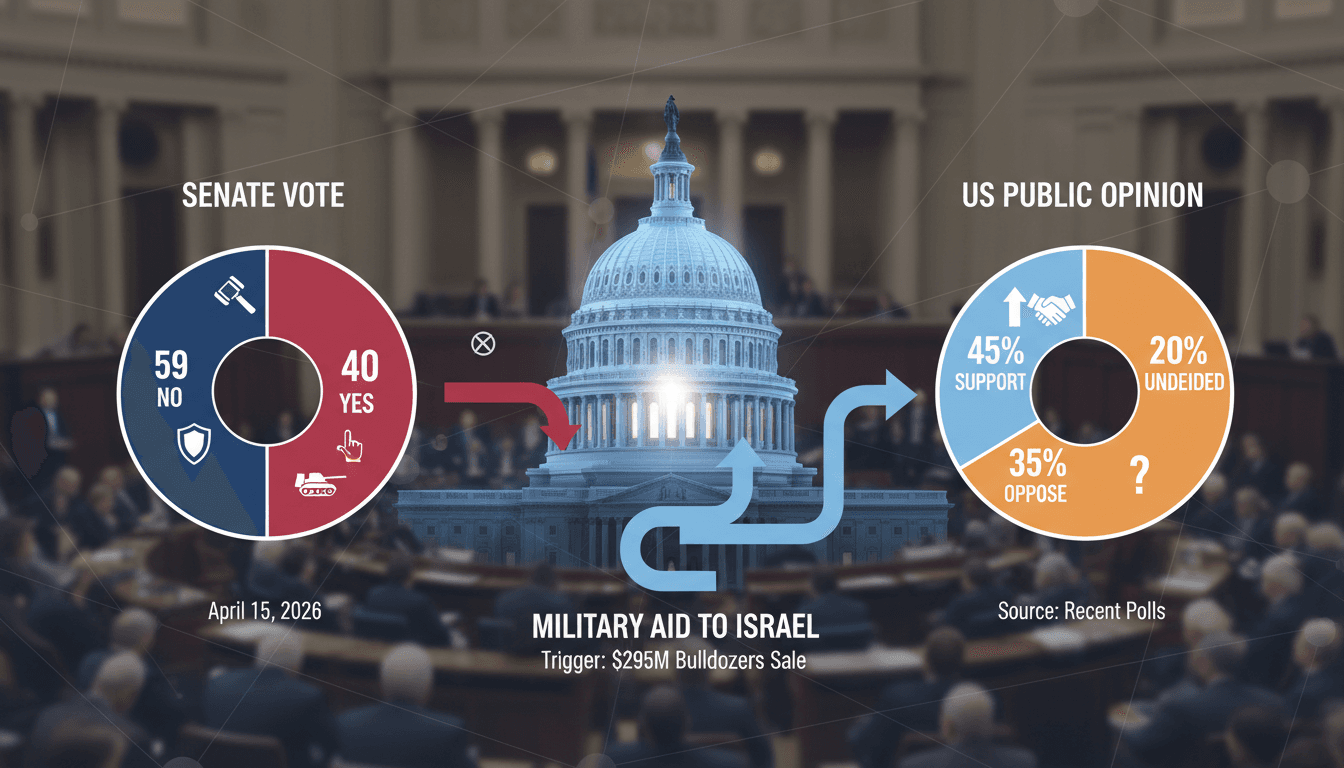
- Politics· World
Trump Reaffirms Naval Blockade on Iran Amid Ongoing Tensions
U.S. President Donald Trump has declared that the naval blockade on Iran remains in full force until a comprehensive deal is reached. This announcement follows the collapse of U.S.-Iran negotiations and comes after a recent ceasefire between Israel and Lebanon, which has shifted regional dynamics. The long-term implication is a continued escalation of tensions in the Persian Gulf, potentially impacting global oil supply and regional security.
6 sourcesApr 18High