Bio
Andre is co-founder at A47 News. He is responsible for editorial standards and news curation, and shares commentary on AI, general technology, and global politics.
Editorial Responsibility
As Editor, I am responsible for all editorial standards, news sourcing, research, and content production.
Previous experience · 15+ years
- · Co-founder at Tiki
- · Operations Director at Rocket Internet
Education
BA Economics, University of Waikato
Areas of expertise
Categories overseen
Stories from Andre Teow’s desk
20162 stories- Politics· World
U.S. Offers $10 Million Reward for Information on Kata'ib Hezbollah Leader
On April 14, 2026, the U.S. State Department announced a reward of up to $10 million for information leading to the arrest of Ahmad al-Hamidawi, leader of the Iran-backed militia Kata'ib Hezbollah. This announcement follows recent attacks on U.S. diplomatic facilities attributed to the group, escalating tensions in the region. The long-term implication may involve increased U.S. military and intelligence operations targeting Iranian proxies in Iraq and the broader Middle East.
3 sourcesApr 16Low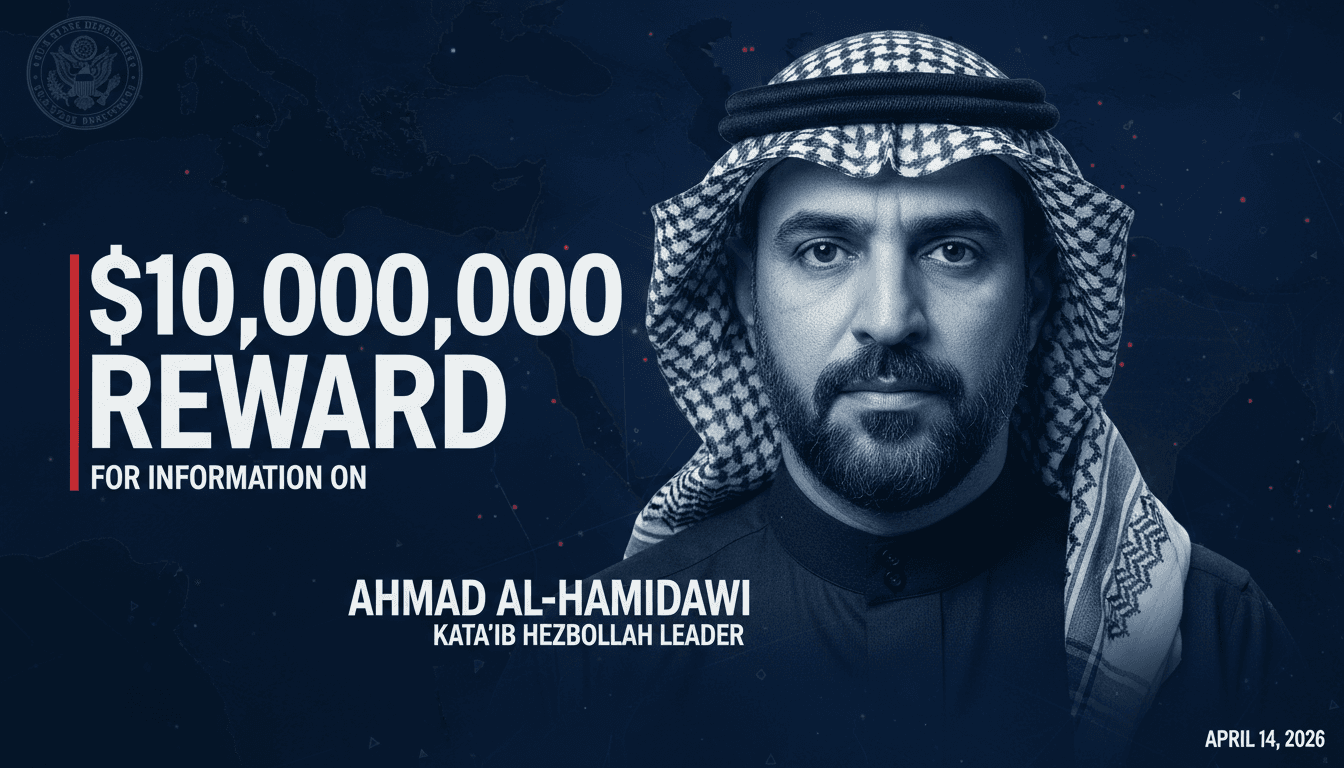
- Politics· World
Modi and Trump Discuss Strait of Hormuz Security Amid West Asia Tensions
On April 14, 2026, Prime Minister Narendra Modi of India and President Donald Trump of the United States held a phone call emphasizing the need to secure the Strait of Hormuz. This discussion was triggered by recent tensions in West Asia, including a US-Iran ceasefire and significant disruptions to global oil supplies. The long-term implication is a potential escalation in multinational efforts to ensure the strait's security, impacting global energy markets and geopolitical dynamics.
3 sourcesApr 16Low
- World· MENA
US Naval Blockade on Iranian Vessels Escalates Strait of Hormuz Crisis
The Strait of Hormuz crisis intensified as the United States implemented a naval blockade on Iranian ships, drastically reducing shipping traffic to under 10% of normal levels. This escalation follows Iran's partial closure of the strait in March 2026 in retaliation for regional hostilities, prompting the US to act decisively. The long-term implications include soaring global oil prices and heightened geopolitical tensions, particularly affecting major importers in Asia and Europe.
3 sourcesApr 16Very High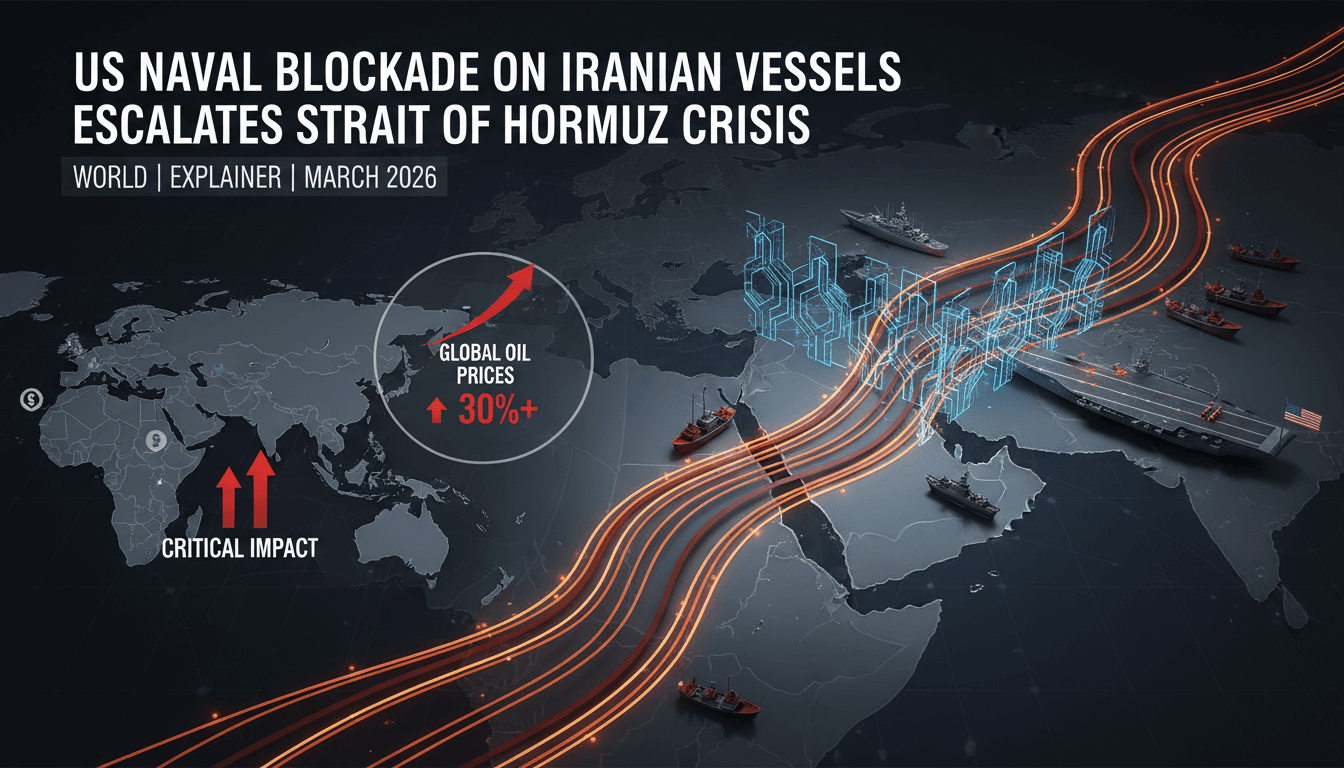
- Politics· World
First Direct Lebanese-Israeli Ceasefire Negotiations Begin Amid Military Tensions
On April 13, 2026, Lebanese and Israeli delegations engaged in their first direct ceasefire negotiations in Washington, DC, after over 40 years. The immediate trigger for these talks was the Israeli military encirclement of Bint Jbeil, a Hezbollah stronghold, which has intensified the urgency for diplomatic resolution amid ongoing hostilities. The long-term implication may involve a shift in regional dynamics, as continued dialogue could pave the way for a more stable ceasefire and potential peace agreements in the future.
4 sourcesApr 16Moderate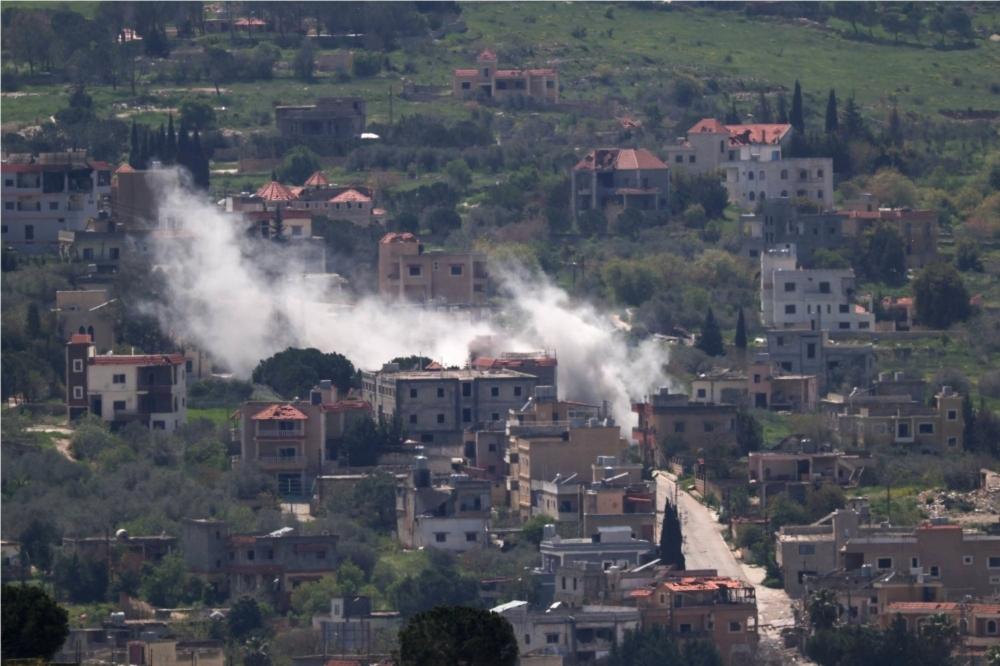
- World· MENA
U.S. Ends Temporary Sanctions Waiver on Iranian Oil Exports
The U.S. Treasury Department announced it will not renew a temporary waiver allowing Iranian oil exports, set to expire on April 19, 2026. This decision follows Iran's recent disruptions in the Strait of Hormuz and the collapse of ceasefire talks, prompting a return to stringent sanctions. The long-term implication is likely increased volatility in global oil prices and heightened geopolitical tensions in the region.
3 sourcesApr 16Moderate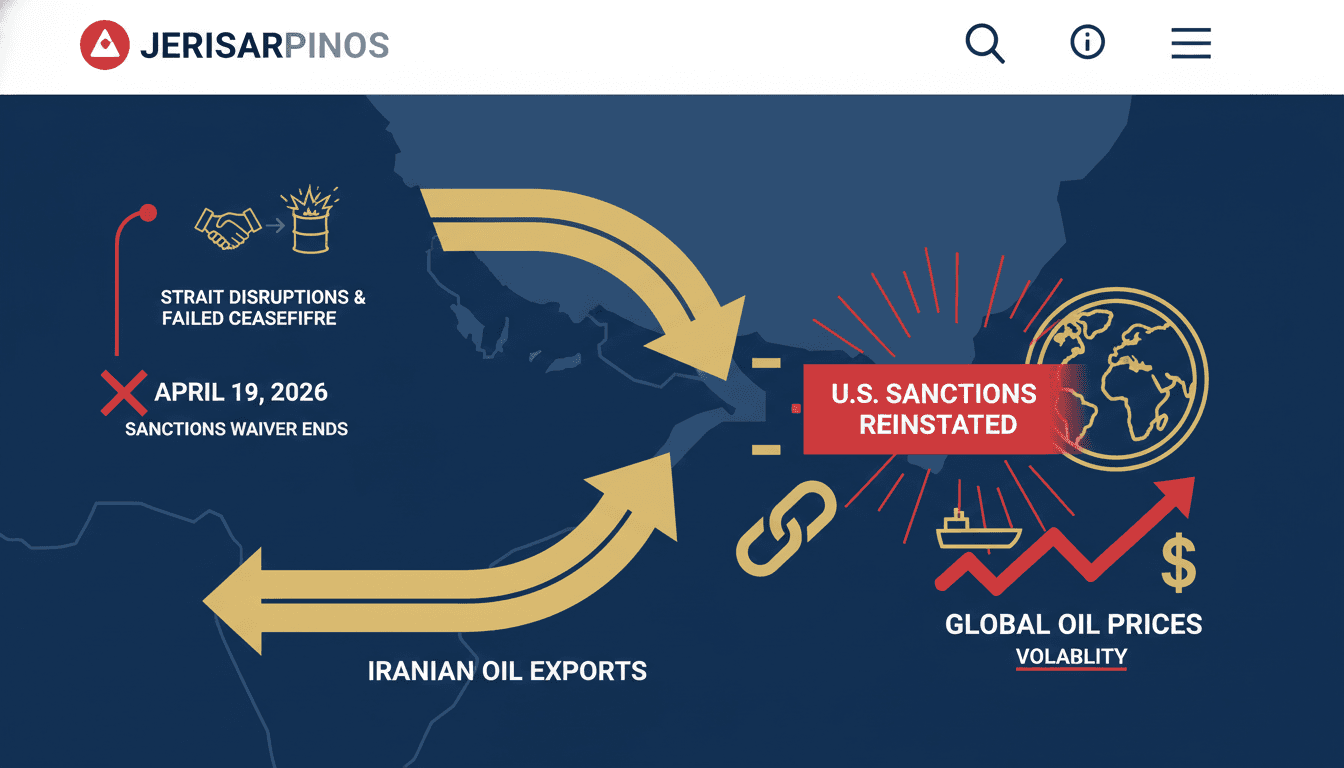
- Politics· MENA
Renewed Clashes Between Hezbollah and Israeli Forces in Bint Jbeil
Clashes have reignited in Bint Jbeil, Lebanon, between Hezbollah and Israeli forces, marked by intense fighting and aerial operations. This escalation follows Hezbollah's recent cross-border attacks and their rejection of U.S. negotiations aimed at curbing Israeli military actions. The ongoing conflict is likely to further destabilize the region and complicate diplomatic efforts in the Israel-Hezbollah war.
8 sourcesApr 16High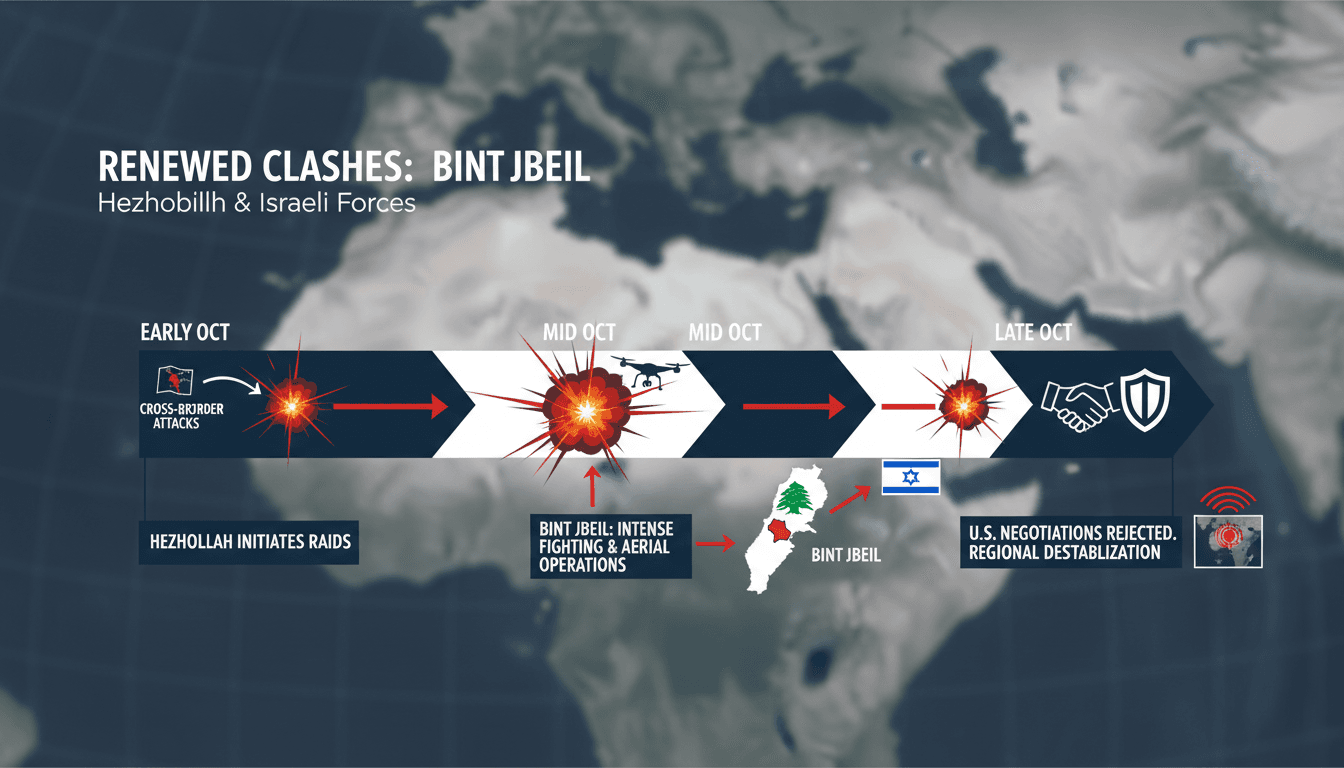
- Politics· World
Historic Direct Talks Between Israel and Lebanon Resume After 33 Years
On April 14, 2026, Israeli and Lebanese ambassadors held their first direct talks in 33 years at the US State Department. The meeting was triggered by escalating hostilities between Israel and Hezbollah, with US mediation aimed at countering Iranian influence in the region. This diplomatic engagement suggests a potential shift towards de-escalation and cooperation between Israel and Lebanon against common threats.
4 sourcesApr 16High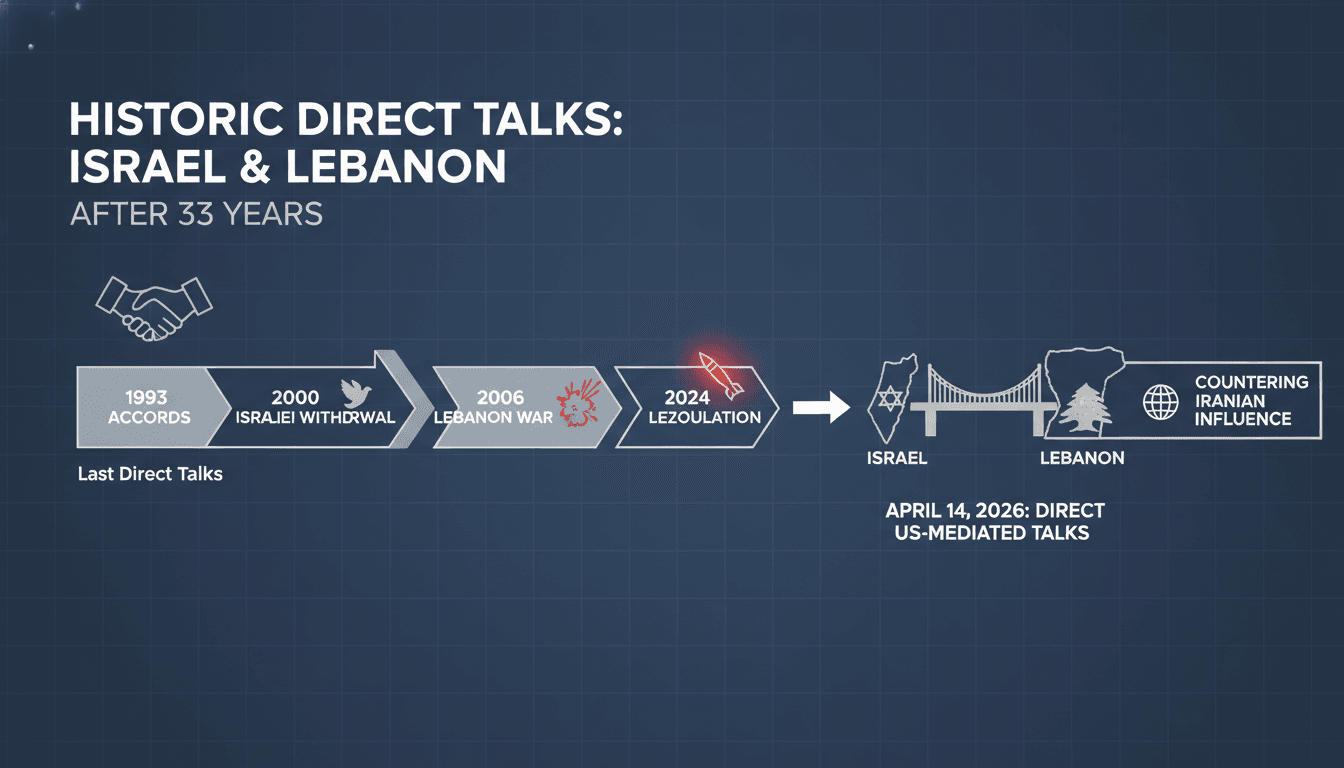
- Politics· World
Kim Jong Un Oversees Successful Naval Missile Tests Amid Rising Tensions
On April 12, 2026, North Korean leader Kim Jong Un supervised the successful launch of strategic cruise and anti-ship missiles from the Choe Hyon destroyer in the western sea of North Korea. This event is a direct response to ongoing regional tensions, including U.S.-South Korea military drills and stalled denuclearization talks. The long-term implication is an escalation in North Korea's naval capabilities, potentially heightening security risks in the region and prompting international scrutiny.
5 sourcesApr 16Moderate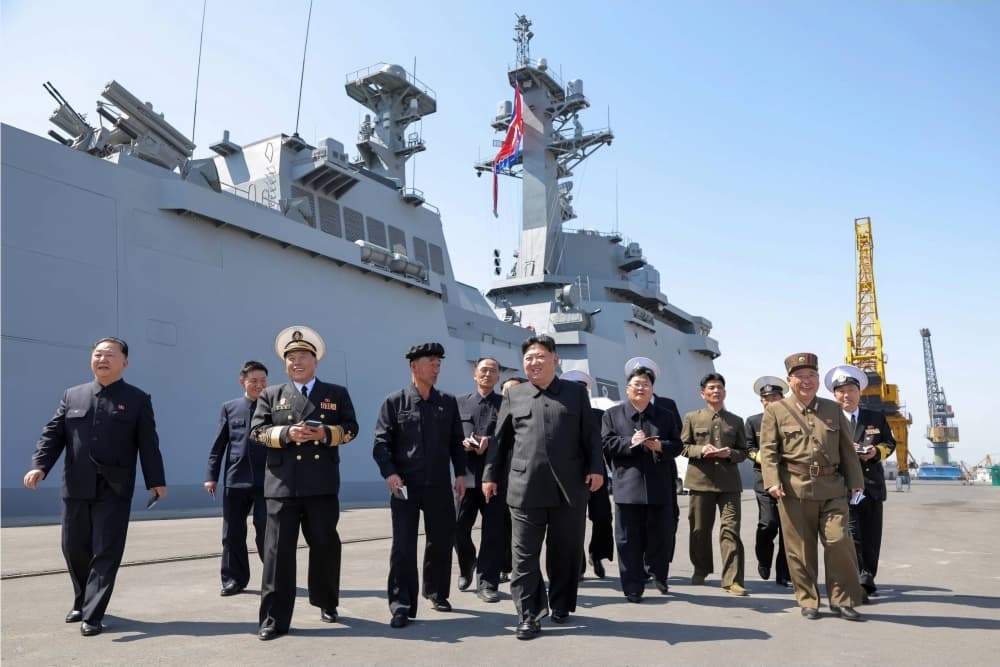
- Politics· MENA
US Offers Reconstruction Aid to Lebanon Based on Peace Talks with Israel
The United States has pledged significant reconstruction assistance to Lebanon contingent on successful direct negotiations with Israel, following a tripartite meeting in Washington, D.C. This initiative is triggered by escalating conflict and humanitarian crises in the region, particularly after renewed hostilities involving Hezbollah and Israel. Long-term, this could lead to greater regional stability and economic recovery for Lebanon if negotiations succeed.
5 sourcesApr 16Low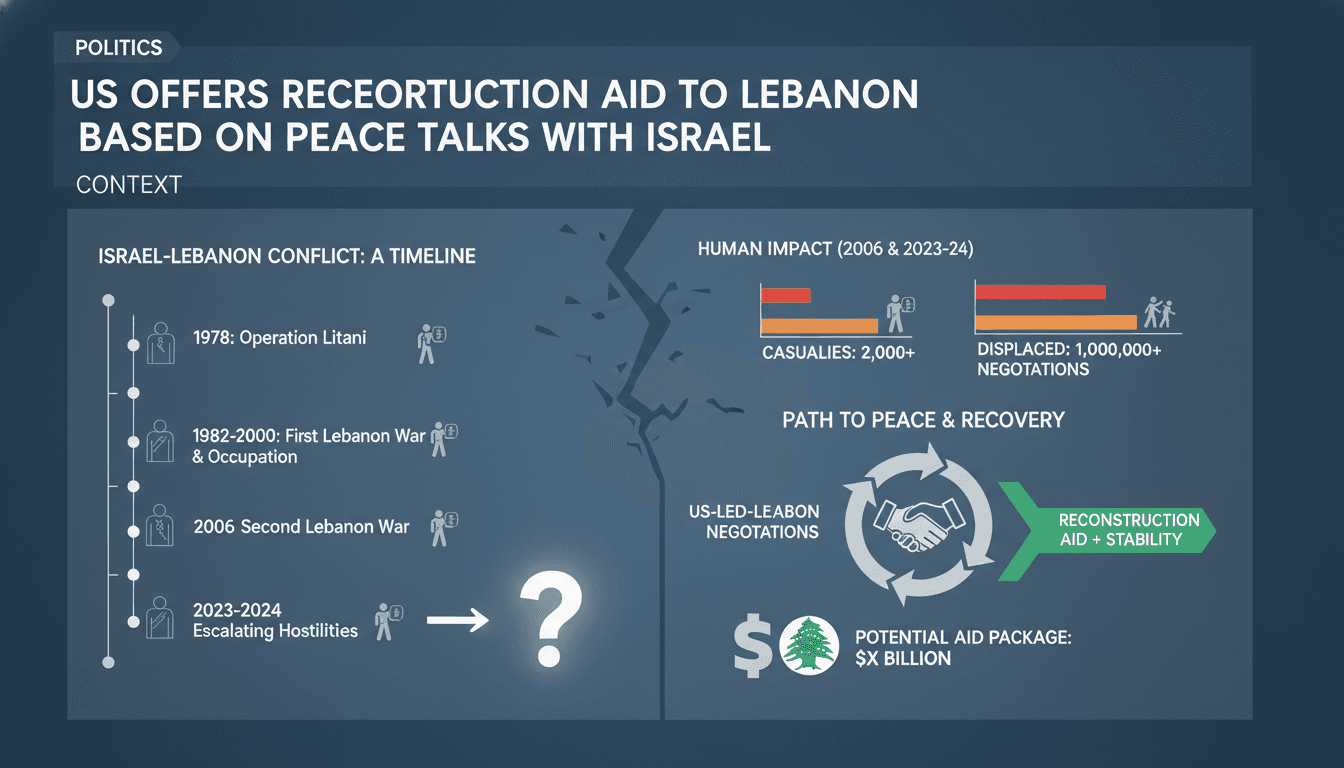
- Politics· World
France and UK Lead Multinational Conference to Secure Strait of Hormuz Navigation
A multinational conference co-chaired by France and the UK convened to address navigation security in the Strait of Hormuz following Iran's closure of the waterway to non-Iranian shipping. This closure was triggered by escalating tensions from US-Israeli airstrikes and a subsequent US naval blockade of Iranian ports. The long-term implication is a potential shift in global energy transit security and increased European involvement in Middle Eastern maritime defense strategies.
7 sourcesApr 16Moderate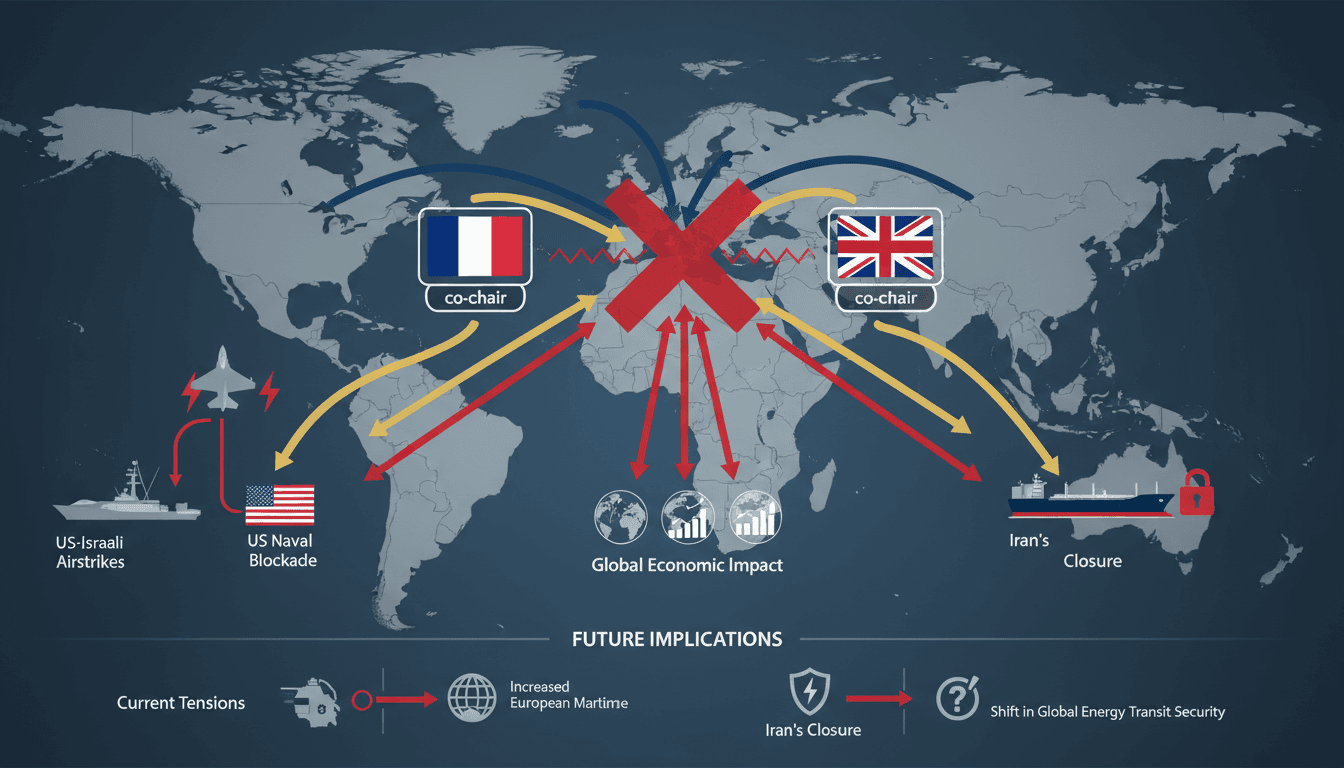
- Politics· MENA
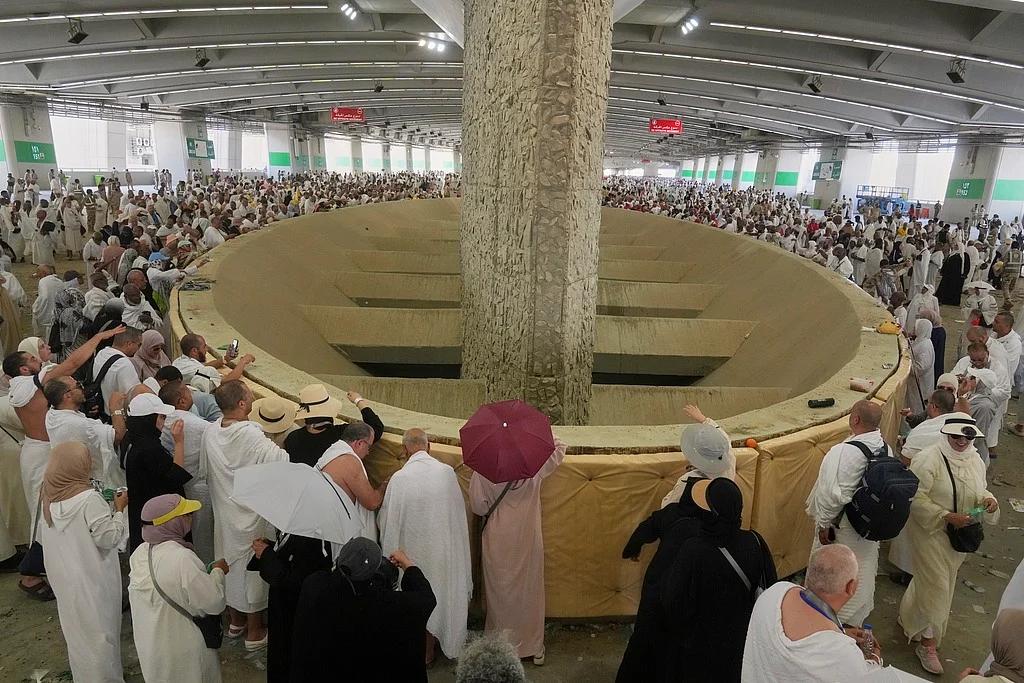
Saudi Arabia Implements New Hajj Security Measures Ahead of 2026 Pilgrimage
On April 13, 2026, Saudi Arabia's Ministry of Interior announced new regulations including mandatory entry permits for residents and a suspension of Umrah permits to ensure the safety of Hajj pilgrims. This decision comes as part of annual pre-Hajj protocols aimed at managing crowds and preventing unauthorized access, particularly in light of past incidents like the 2015 Mina stampede. Long-term, these measures are expected to enhance security and streamline pilgrim flows as Saudi Arabia continues to pursue its Vision 2030 tourism goals.
3 sourcesApr 16Low
- Politics· UAE
Xi Jinping and Abu Dhabi Crown Prince Strengthen China-UAE Strategic Partnership in Beijing
On April 14, 2026, Chinese President Xi Jinping met Sheikh Khaled bin Mohamed bin Zayed Al Nahyan, Crown Prince of Abu Dhabi, to enhance the comprehensive strategic partnership between China and the UAE. This meeting was triggered by the ongoing deepening of economic ties and geopolitical considerations in the Middle East, particularly in relation to the Belt and Road Initiative. The long-term implication is a likely expansion of cooperation in energy, technology, and regional stability initiatives, positioning both nations as key players in Middle Eastern geopolitics.
6 sourcesApr 16Low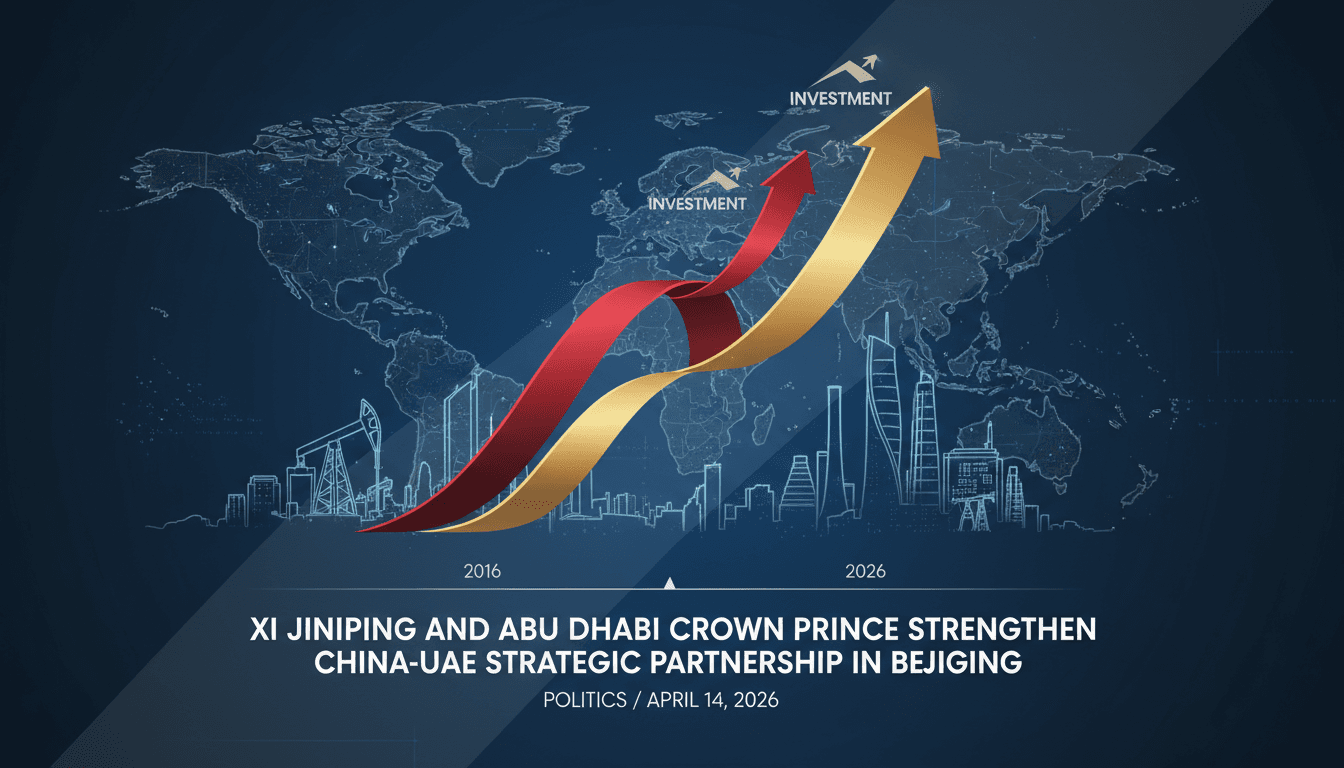
- Politics· UAE
Crown Prince of Abu Dhabi Engages Emirati Students in Beijing to Highlight Youth as National Asset
On April 15, 2026, Sheikh Khaled bin Mohamed bin Zayed Al Nahyan met with Emirati students in Beijing, emphasizing their role as the nation's true wealth. This engagement coincided with his official visit to China aimed at strengthening UAE-China relations and promoting educational excellence. The long-term implication is a reinforced commitment to youth empowerment and skill development as part of the UAE's strategic vision for national growth.
8 sourcesApr 16Low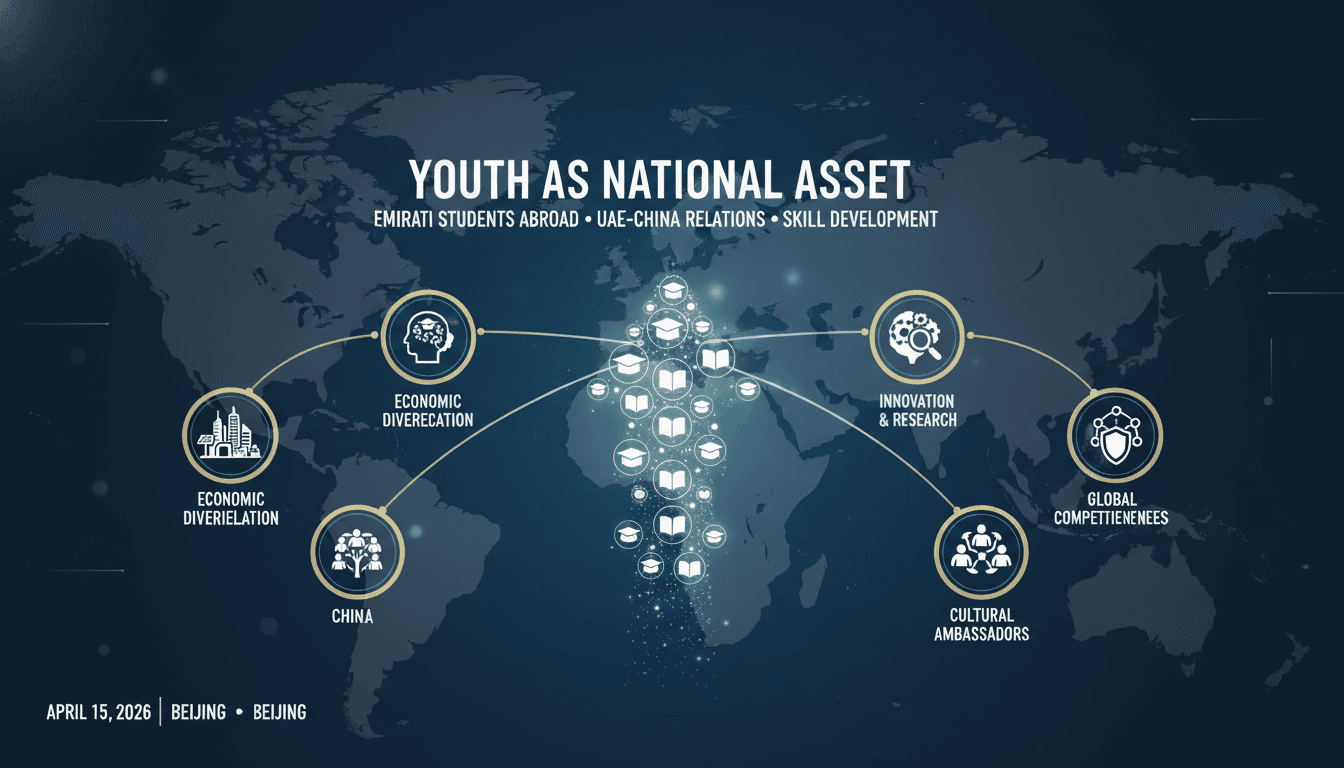
- Politics· World
Israel Excludes France from Israel-Lebanon Peace Negotiations
On April 14, 2026, Israeli Ambassador to the U.S. Yechiel Leiter stated that Israel does not want France involved in ongoing peace talks with Lebanon. This declaration follows the first direct diplomatic discussions between Israeli and Lebanese representatives, which were hosted by U.S. Secretary of State Marco Rubio, amid the backdrop of the 2026 Lebanon war. The long-term implication is a potential shift in diplomatic dynamics in the region, as Israel seeks to redefine its negotiation partners and security arrangements without French influence.
3 sourcesApr 16Low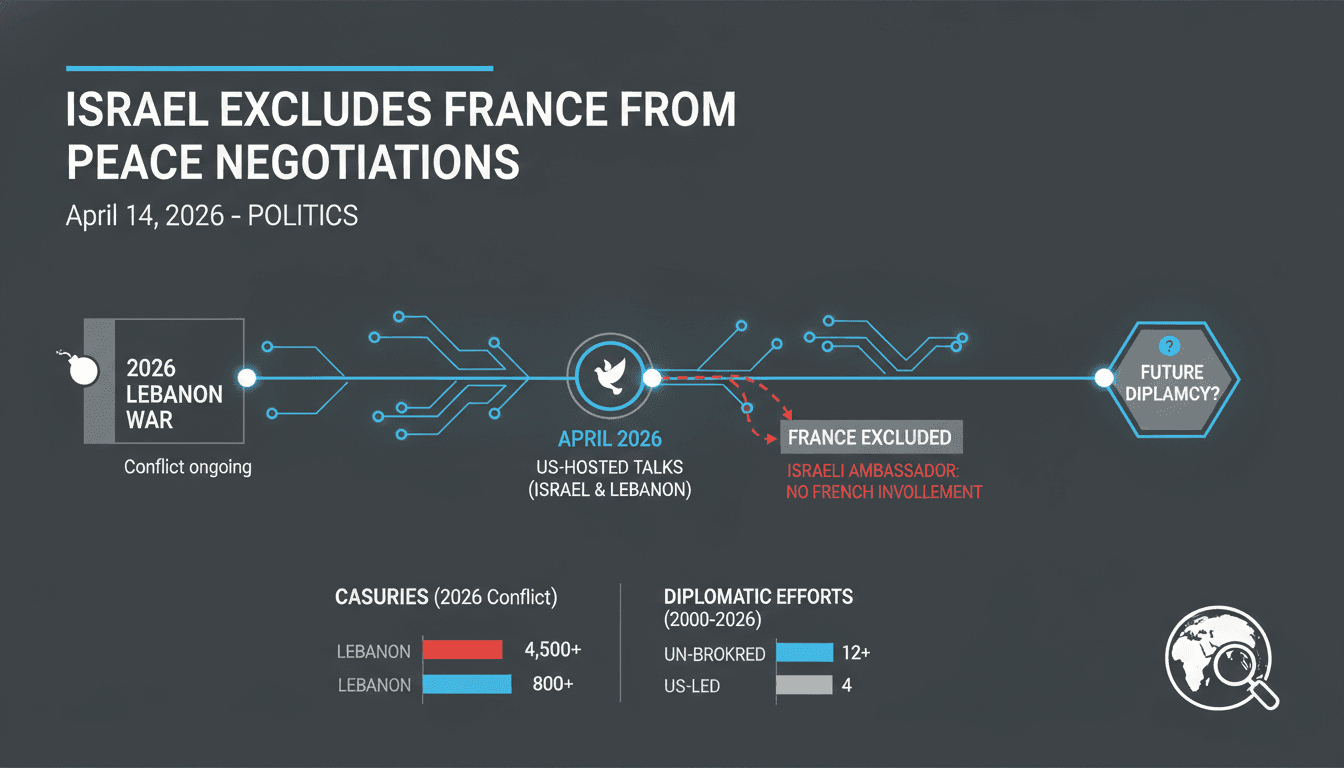
- Politics· World
U.S. Representative Calls for Investigation into Suspicious Oil Futures Trades Before U.S.-Iran Ceasefire
On April 14, 2026, U.S. Representative Ritchie Torres demanded a joint investigation by the SEC and CFTC into $950 million in crude oil futures trades executed just hours before President Trump's announcement of a U.S.-Iran ceasefire. This demand follows a significant 15% drop in oil prices that occurred after the announcement, raising concerns about potential insider trading. The long-term implication may involve increased scrutiny and regulatory reforms in the oil futures market to protect against insider trading practices.
3 sourcesApr 16Low
- World· World
Russia Offers Energy Supply Compensation to China Amid Middle East Conflict
On April 15, 2026, Russian Foreign Minister Sergey Lavrov announced in Beijing that Russia possesses the capacity to fully compensate for any energy supply shortages faced by China due to the ongoing Middle East conflict. This announcement comes as the US-Israeli war against Iran disrupts energy supplies through the Strait of Hormuz, prompting China to seek alternative sources. The long-term implication is a strengthened Russia-China strategic partnership that may reshape global energy dynamics and reduce reliance on Western suppliers.
3 sourcesApr 16Moderate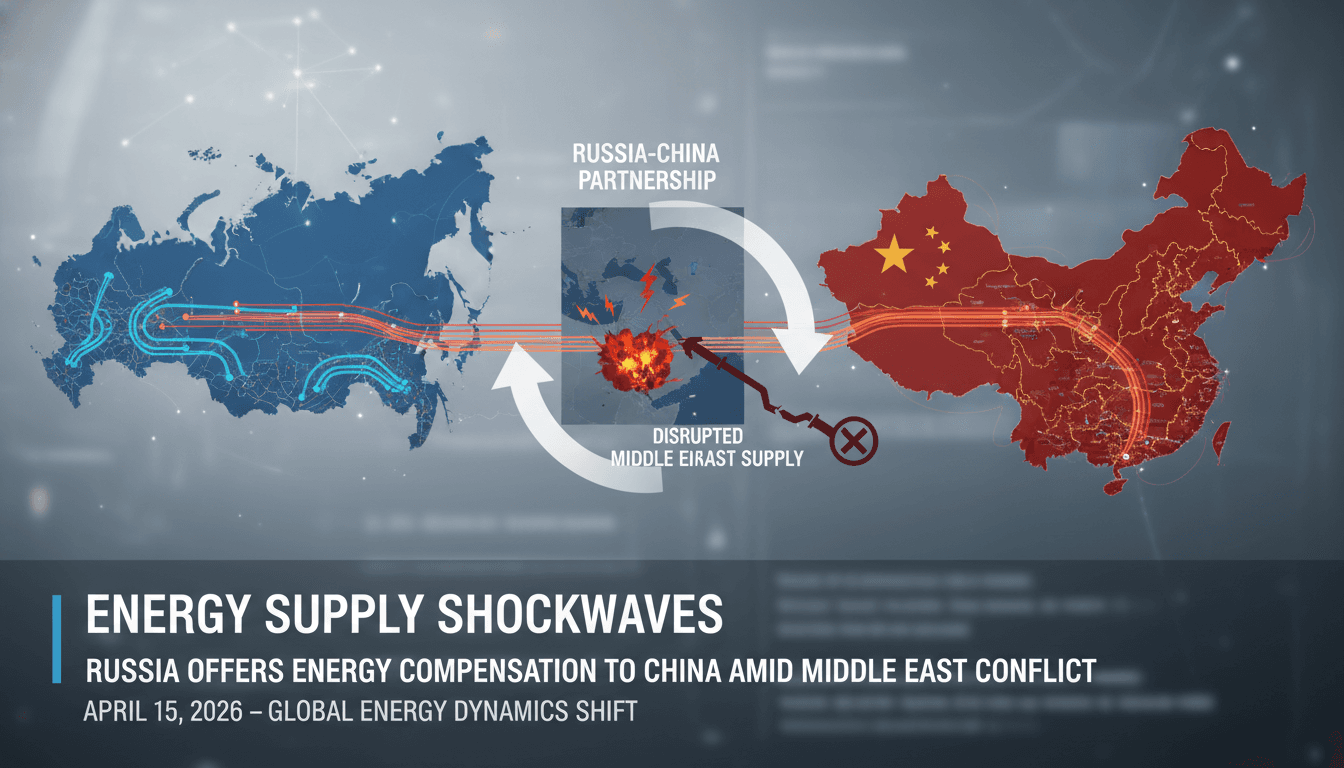
- Politics· World
Ten Nations Urge Immediate Cessation of Hostilities in Lebanon Following UN Peacekeeper Deaths
On April 14, 2026, foreign ministers from ten countries issued a joint statement urging an urgent end to hostilities in Lebanon and condemning actions that killed United Nations Interim Force in Lebanon (UNIFIL) peacekeepers. This call comes in response to escalating violence between Israeli forces and Hezbollah, which has resulted in significant humanitarian crises and the deaths of UN personnel. The long-term implication may involve increased international diplomatic pressure for a sustainable ceasefire and regional talks to stabilize the situation in Lebanon and protect civilians.
5 sourcesApr 16Moderate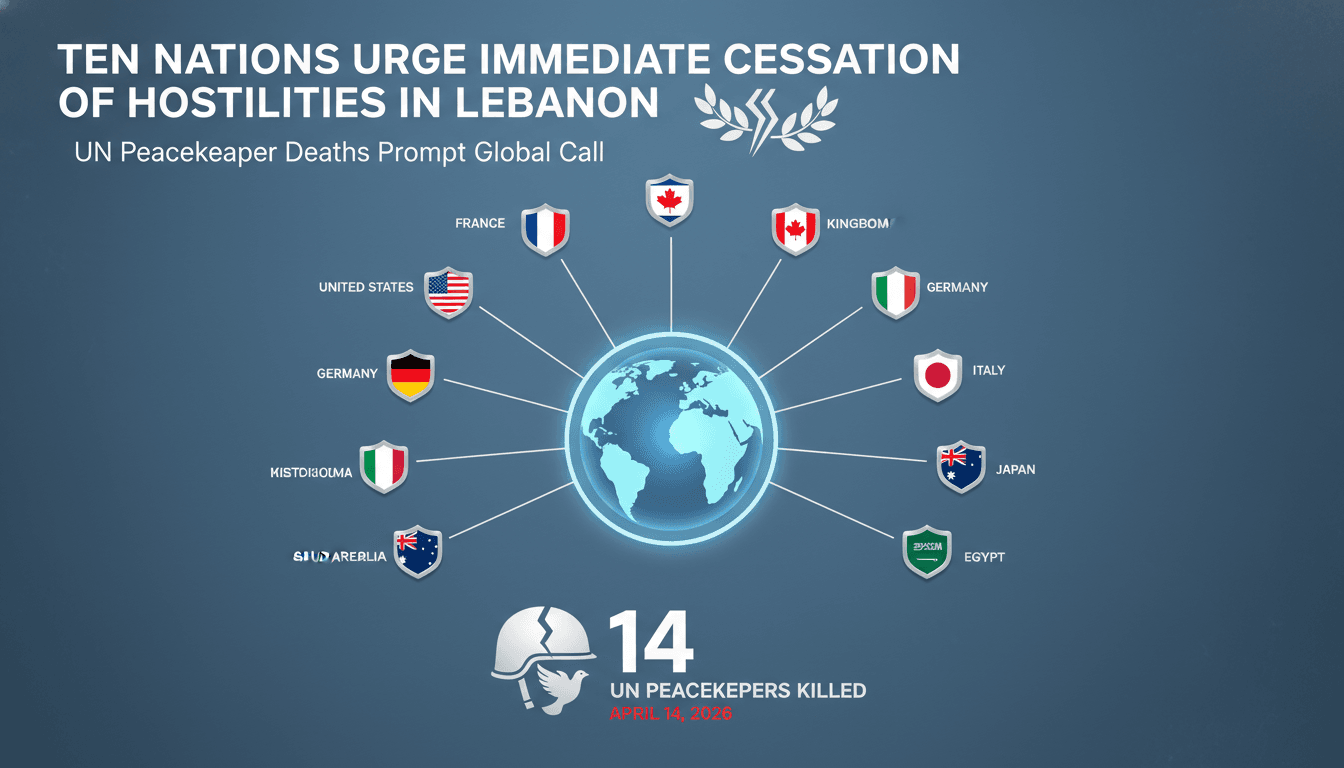
- Politics· World
Ten Countries Call for Immediate Ceasefire in Lebanon Amid Escalating Conflict
On April 15, 2026, foreign ministers from ten countries issued a joint statement demanding an urgent end to hostilities in Lebanon following the killing of three UN peacekeepers and a humanitarian crisis affecting over one million displaced persons. This diplomatic initiative is a direct response to the recent escalation of Israel-Hezbollah clashes and aims to protect civilians while urging respect for international law. The long-term implication may involve increased international pressure for a comprehensive peace process in the region, potentially including Lebanon in broader de-escalation efforts.
3 sourcesApr 16Low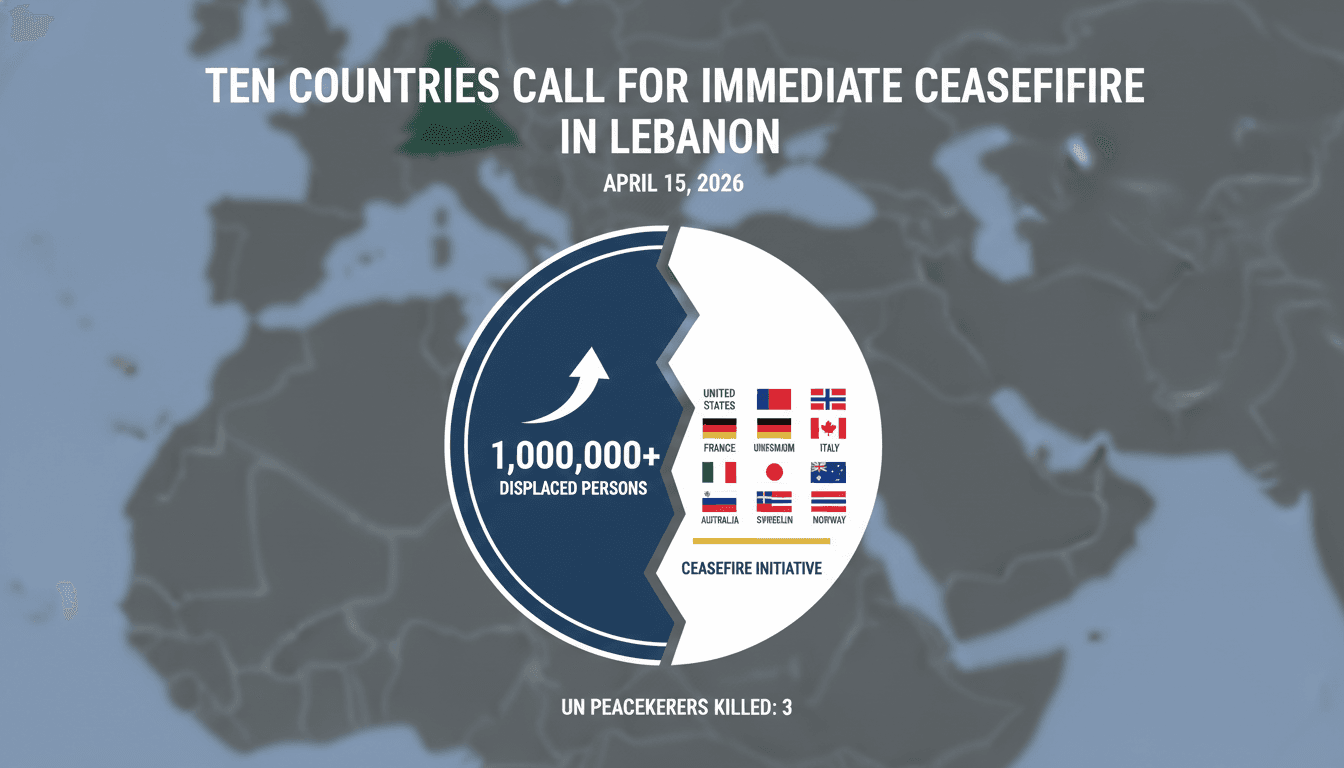
- Politics· MENA
Iran Deploys Chinese Spy Satellite to Target US Bases Amid Ongoing Middle East Conflict
In March 2026, Iran deployed the Chinese-built TEE-01B spy satellite to surveil and target U.S. military bases across the Middle East. This action follows the escalation of the Middle East war, triggered by U.S. and Israeli strikes on Iranian targets, prompting Iran to enhance its military capabilities through foreign technology. The long-term implication includes heightened regional tensions and potential shifts in military strategies among involved nations, particularly concerning U.S. presence in the region.
4 sourcesApr 16Moderate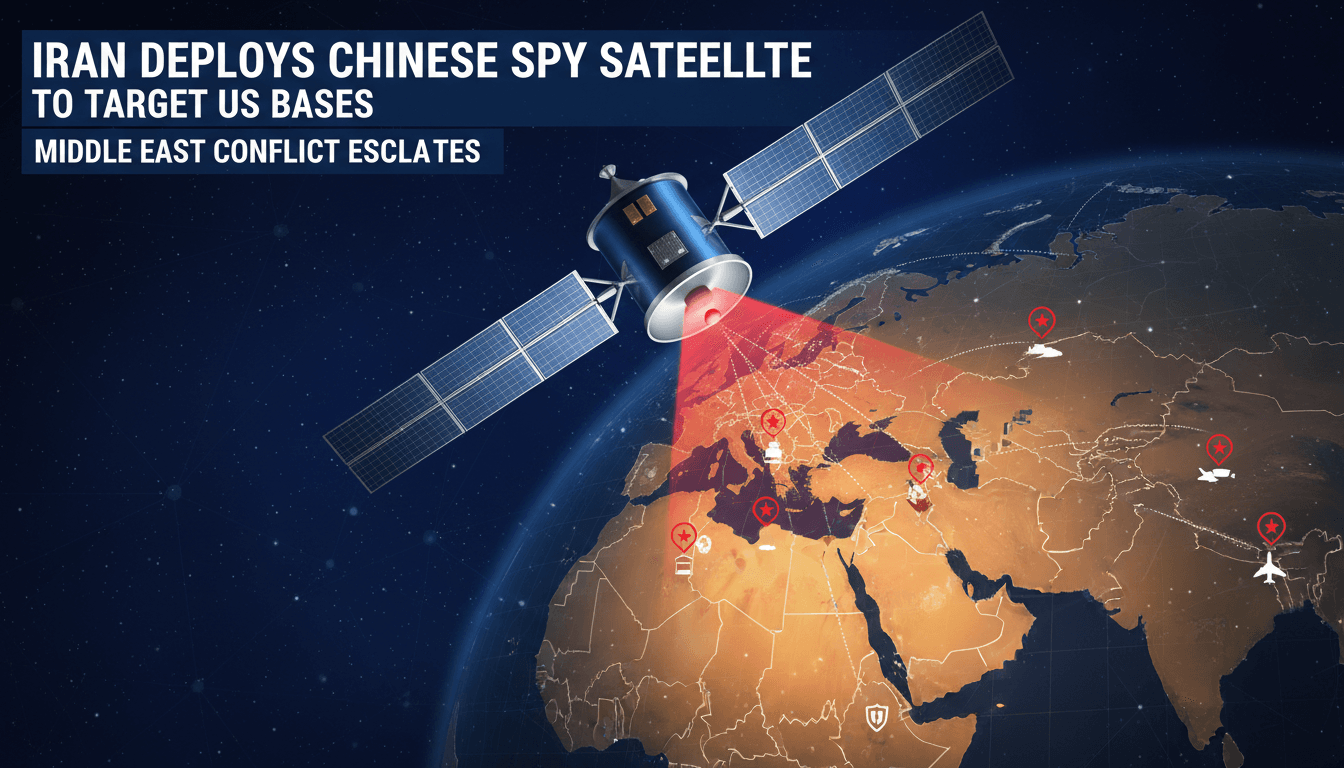
- Politics· MENA
Saudi Arabia Enforces SR100,000 Fines for Unauthorized Hajj Assistance
On April 15, 2026, Saudi Arabia's Ministry of Interior announced fines of up to SR100,000 for individuals facilitating unauthorized Hajj pilgrimages. This enforcement, effective from April 18 to mid-June 2026, is a response to the need for stricter control over Hajj participation to ensure public safety and manage the influx of pilgrims. The long-term implication is a reinforced regulatory framework around Hajj operations, potentially impacting travel and pilgrimage practices in the region.
6 sourcesApr 16Low