

Bio
Andre is co-founder at A47 News. He is responsible for editorial standards and news curation, and shares commentary on AI, general technology, and global politics.
Editorial Responsibility
As Editor, I am responsible for all editorial standards, news sourcing, research, and content production.
Previous experience · 15+ years
- · Co-founder at Tiki
- · Operations Director at Rocket Internet
Education
BA Economics, University of Waikato
Areas of expertise
Categories overseen
Stories from Andre Teow’s desk
20264 stories- Politics· World
Trump Announces Iranian Interest in Nuclear Negotiations Following Failed Talks in Islamabad
On April 13, 2026, President Donald Trump revealed that Iranian leaders expressed a willingness to negotiate a nuclear deal after unsuccessful discussions in Islamabad. The immediate trigger for this overture was the collapse of 21 hours of talks over nuclear restrictions, coupled with the enforcement of a US naval blockade in the Strait of Hormuz. Long-term implications suggest a potential escalation in diplomatic efforts, but also increased tensions as the US maintains pressure on Iran for compliance on denuclearization.
3 sourcesApr 13High - Politics· MENA
Lebanon and Israel Prepare for Diplomatic Confrontation Over Ceasefire Terms
Lebanon and Israel are scheduled to engage in a diplomatic confrontation on April 14, 2026, regarding ceasefire implementation amid ongoing military operations. This meeting, mediated by the United States, is prompted by Lebanon's demand for an immediate ceasefire and Israel's insistence on establishing a security buffer. The outcome of these discussions could significantly influence regional stability and future negotiations between the two nations.
2 sourcesApr 13Low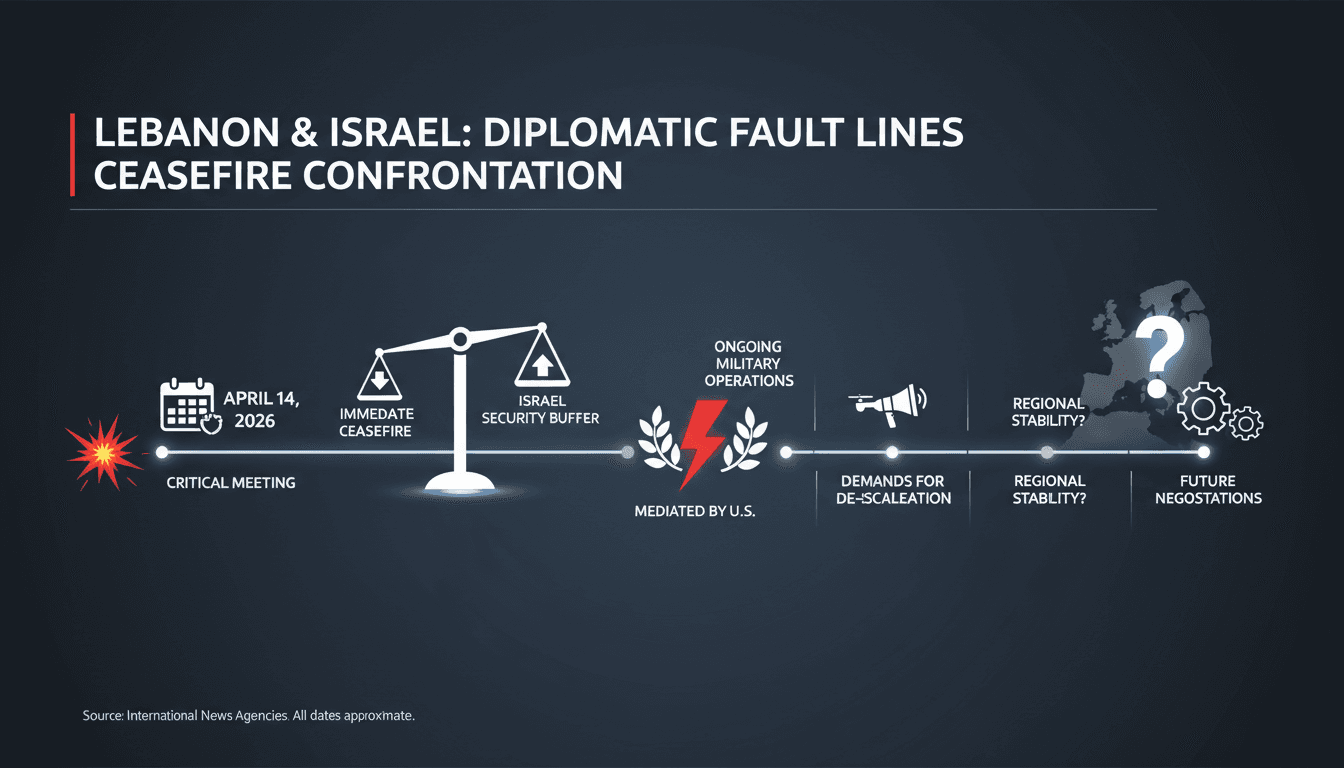
- Politics· MENA
Bahrain Protests Iraqi Drone Attacks Targeting GCC States
On April 13, 2026, Bahrain's Ministry of Foreign Affairs summoned the Iraqi Chargé d'Affaires to express condemnation of ongoing drone attacks from Iraqi territory. This diplomatic action is triggered by escalating concerns over cross-border threats from Iran-aligned militias amid rising U.S.-Iran tensions. The long-term implication may involve increased security measures and diplomatic strain within the Gulf Cooperation Council as member states respond to perceived threats to their sovereignty.
3 sourcesApr 13Low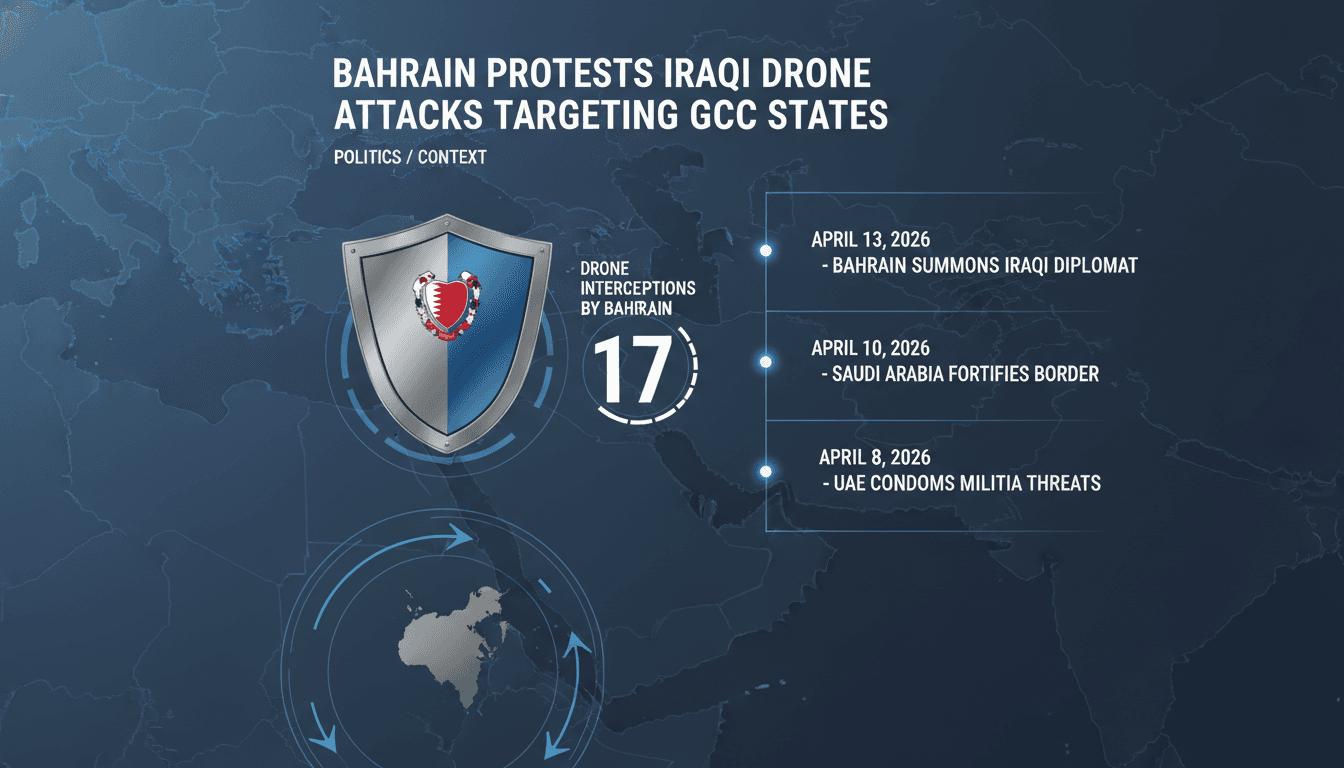
- Politics· World
American Bankers Association Critiques White House Economic Advisers on Stablecoin Yield Analysis
On April 13, 2026, the American Bankers Association published a rebuttal to the White House Council of Economic Advisers' study on the impacts of stablecoin yield prohibitions. The ABA argues that the CEA's analysis fails to consider the long-term risks of deposit outflows from community banks as stablecoins potentially expand, prompting their intervention amid ongoing U.S. legislative efforts on digital asset regulation. This debate may influence future regulatory frameworks and the stability of community banking in the U.S.
3 sourcesApr 13Low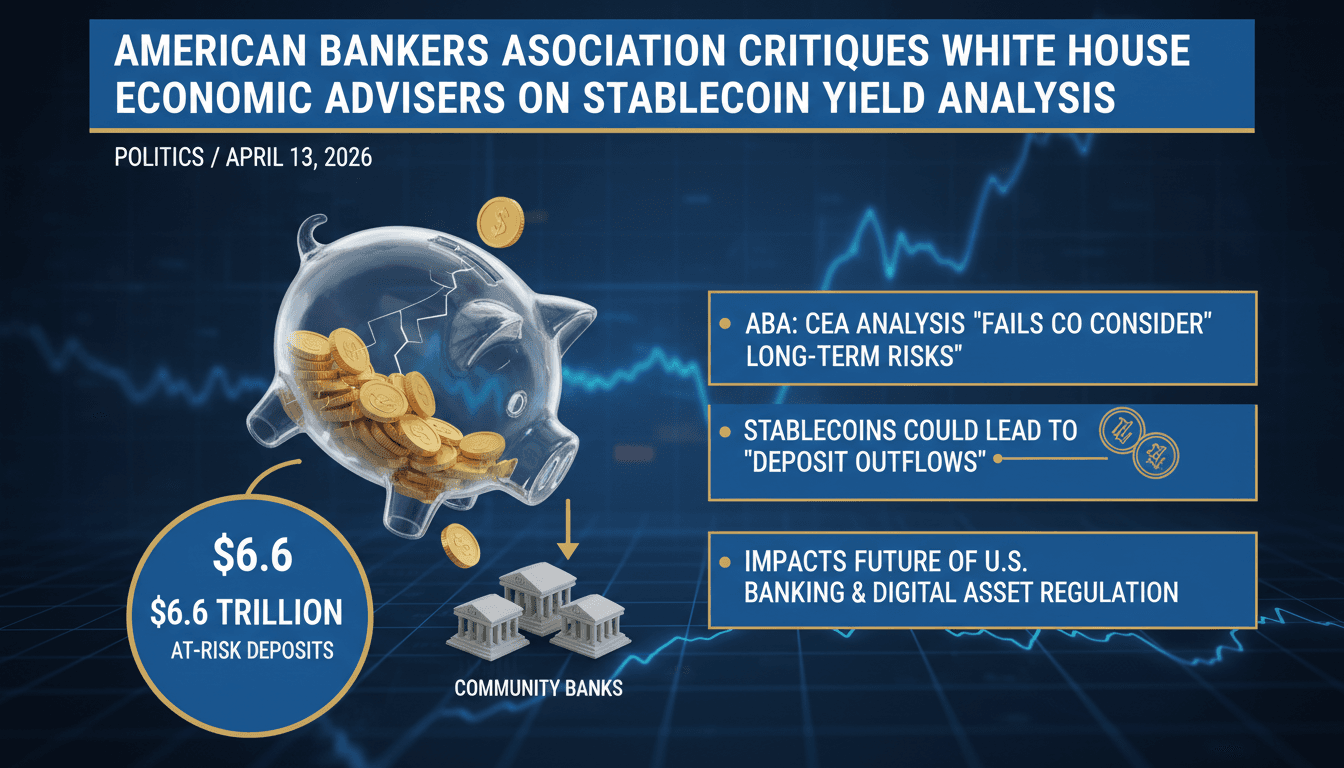
- Politics· MENA
Trump Issues Naval Blockade Warning Against Iranian Ships in Strait of Hormuz
On April 13, 2026, U.S. President Donald Trump warned that any Iranian fast-attack ships approaching the U.S. naval blockade in the Strait of Hormuz would be eliminated. This warning follows the activation of a military blockade aimed at enforcing restrictions on Iranian ports after failed peace talks in Pakistan. The long-term implication is a heightened risk of military confrontation in a critical global oil transit route, potentially disrupting energy markets and international relations further.
6 sourcesApr 13Very High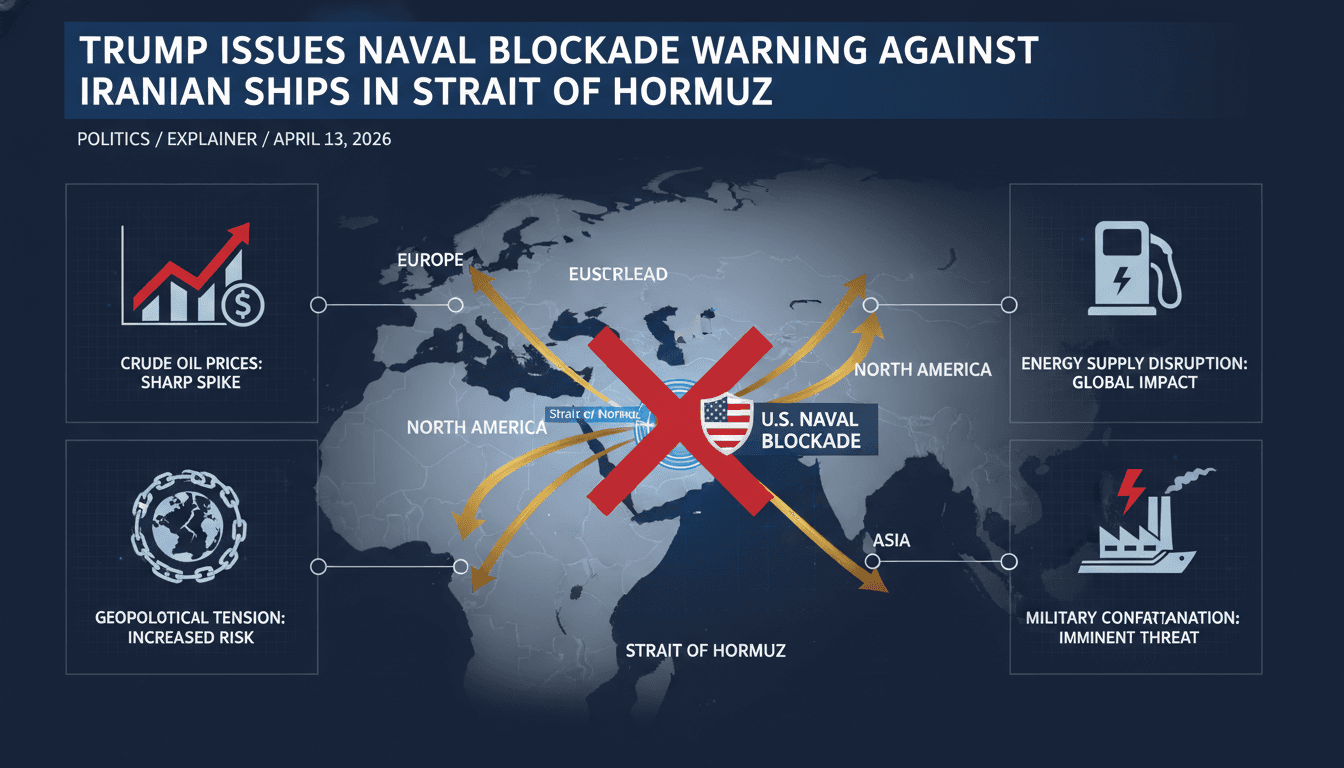
- Politics· MENA
Chinese Foreign Minister Wang Yi Emphasizes Middle East Ceasefire in Call with Pakistan
On April 13, 2026, Chinese Foreign Minister Wang Yi prioritized the maintenance of the Middle East ceasefire during a telephone discussion with Pakistani Foreign Minister Ishaq Dar. This focus on ceasefire preservation follows the fragile US-Iran truce established after the 2026 Iran War and recent failed negotiations in Islamabad. The long-term implication suggests an increased role for China and Pakistan in mediating regional conflicts and stabilizing energy supplies from the Strait of Hormuz.
4 sourcesApr 13Low - Politics· World
Israeli Airstrikes in Southern Lebanon Kill Six Ahead of U.S.-Lebanon Talks
On April 13, 2026, Israeli airstrikes in southern Lebanon killed at least six people amid ongoing military operations against Hezbollah targets. The strikes occurred just hours before Israeli and Lebanese ambassadors are scheduled to hold direct talks in Washington, D.C., aimed at discussing a potential ceasefire and Hezbollah disarmament. This escalation raises concerns about the effectiveness of diplomatic efforts and the potential for further military conflict in the region.
2 sourcesApr 13Low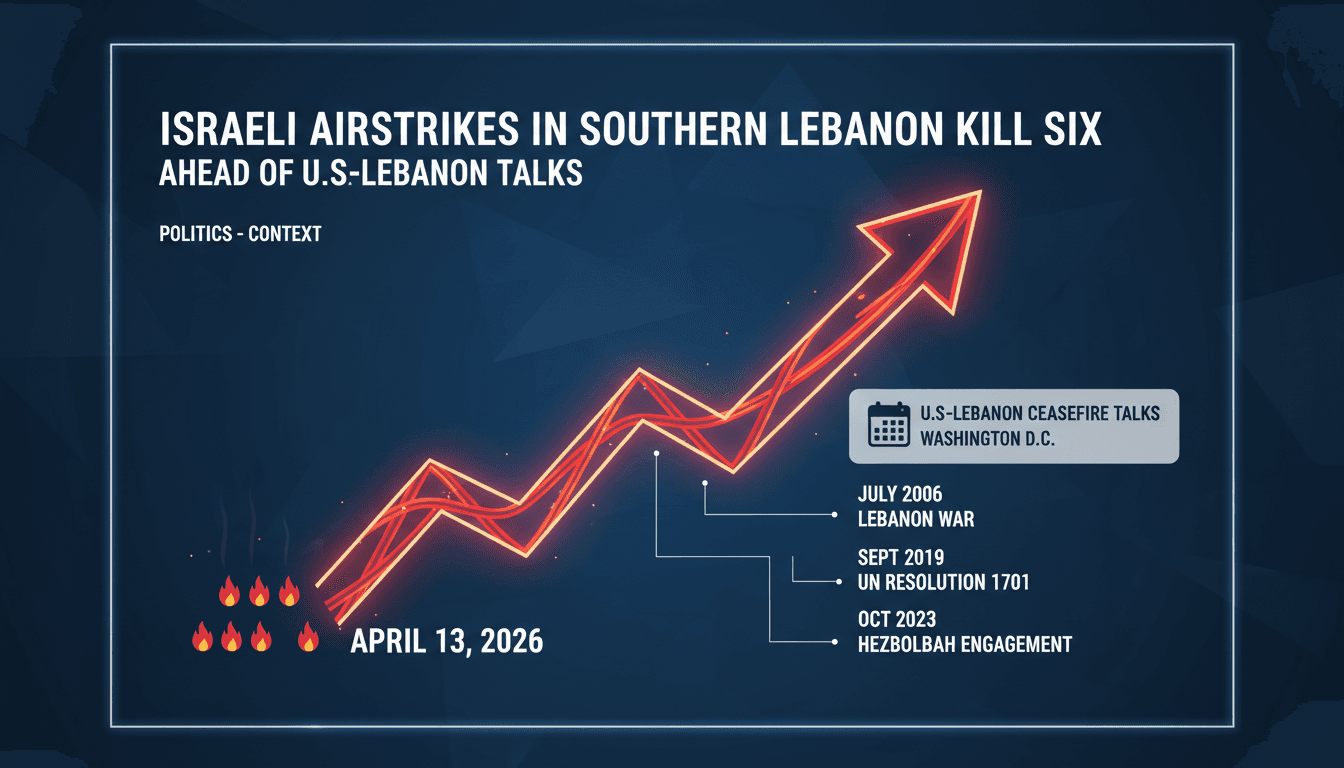
- Tech· World
Meta Platforms Develops AI Persona of CEO Mark Zuckerberg for Employee Engagement
On April 13, 2026, Meta Platforms initiated the development of a photorealistic AI character modeled after CEO Mark Zuckerberg to interact with employees. This move is part of Meta's broader strategy to enhance AI capabilities and compete with industry leaders like OpenAI and Google. In the long term, this initiative may redefine corporate communication and employee engagement through advanced AI technologies.
5 sourcesApr 13Moderate
- Politics· World
Peru's 2026 election results delayed due to logistical failures prompting one-day extension
Peru's presidential and congressional election results were delayed on April 13, 2026, after a one-day voting extension was granted to over 63,300 residents due to logistical issues. The immediate cause was widespread disruptions, including polling station delays and material shortages, which prevented thousands from voting on April 12. This situation raises concerns about electoral integrity and may lead to increased scrutiny and reforms in Peru's electoral processes moving forward.
8 sourcesApr 13High
- World· MENA
ICRC Condemns Strikes on Humanitarian Operations in Southern Lebanon
On April 13, 2026, the International Committee of the Red Cross (ICRC) expressed grave concern over consecutive strikes impacting Lebanese Red Cross personnel and facilities in southern Lebanon. The immediate trigger for this condemnation was an Israeli drone strike that killed a volunteer paramedic and subsequent airstrikes damaging Red Cross assets amid the ongoing Israel-Hezbollah conflict. Long-term, this escalation raises significant concerns about the safety of humanitarian operations in conflict zones and may prompt international calls for stricter protections for aid workers.
2 sourcesApr 13High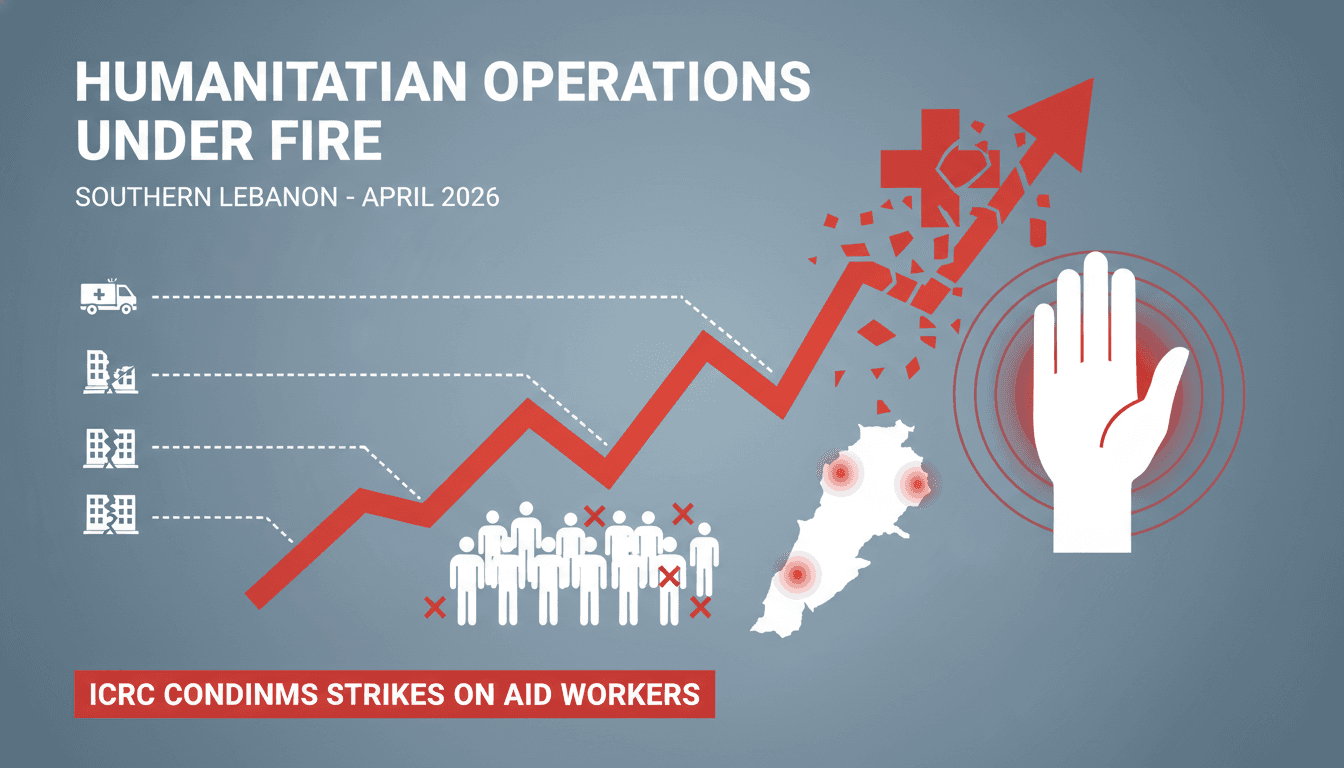
- Politics· MENA
Emirati-Bahraini Summit Focuses on Maritime Security and Energy Amid Regional Tensions
On 13 April 2026, UAE President Sheikh Mohamed bin Zayed Al Nahyan and Bahrain King Hamad bin Isa Al Khalifa convened in Manama to discuss maritime security and energy supplies. This meeting was triggered by escalating Iranian missile and drone attacks on Gulf states, prompting a need for enhanced bilateral cooperation. The long-term implication is a strengthened regional alliance aimed at ensuring security and stability in the Gulf amidst ongoing geopolitical conflicts.
3 sourcesApr 13Low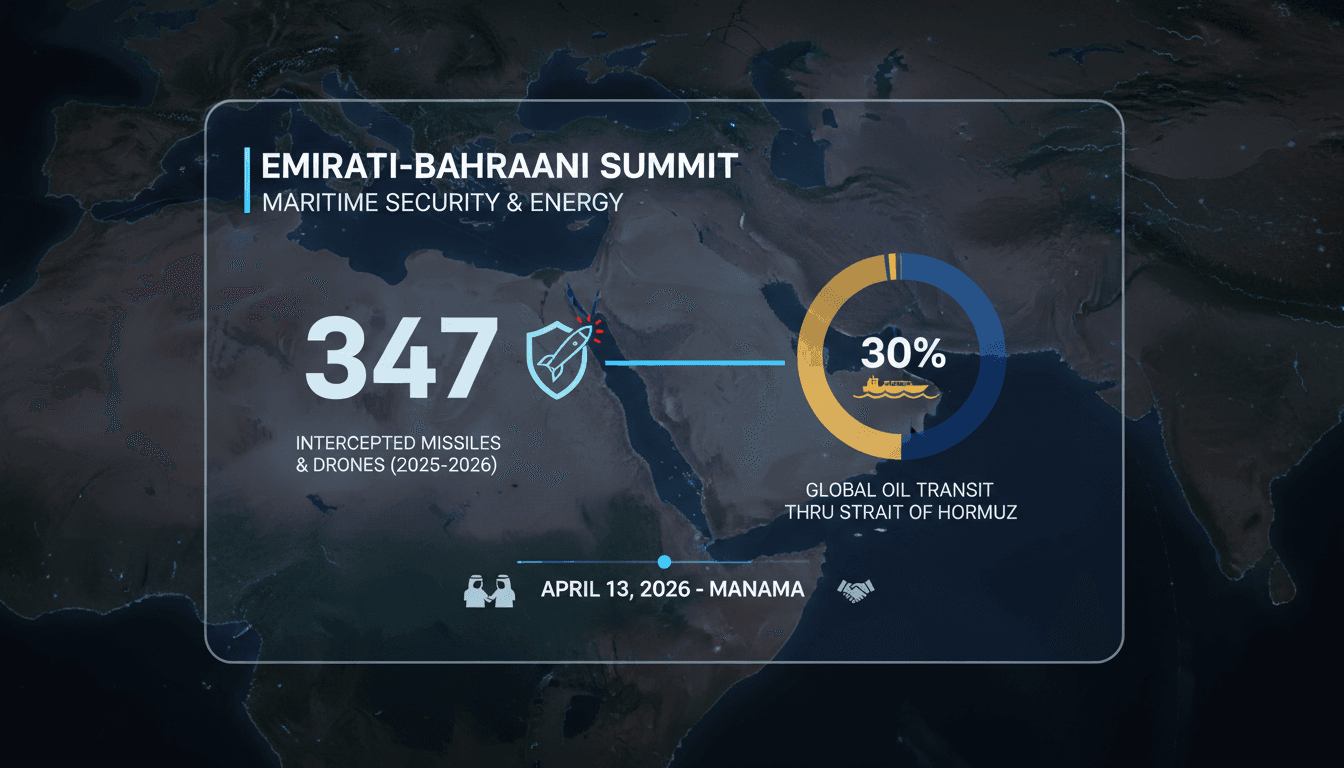
- Politics· MENA
Turkey Accuses Israel of Targeting It as Next Adversary Following Iran Conflict
On April 13, 2026, Turkish Foreign Minister Hakan Fidan accused Israel of designating Turkey as its next enemy after the recent conflict with Iran. This accusation arises amid heightened tensions and a ceasefire between Iran and the United States, with Turkey expressing concerns over its inclusion in Israel's targeting strategy. The long-term implication may involve further deterioration of Turkey-Israel relations, potentially impacting regional stability and alliances in the Middle East.
2 sourcesApr 13Moderate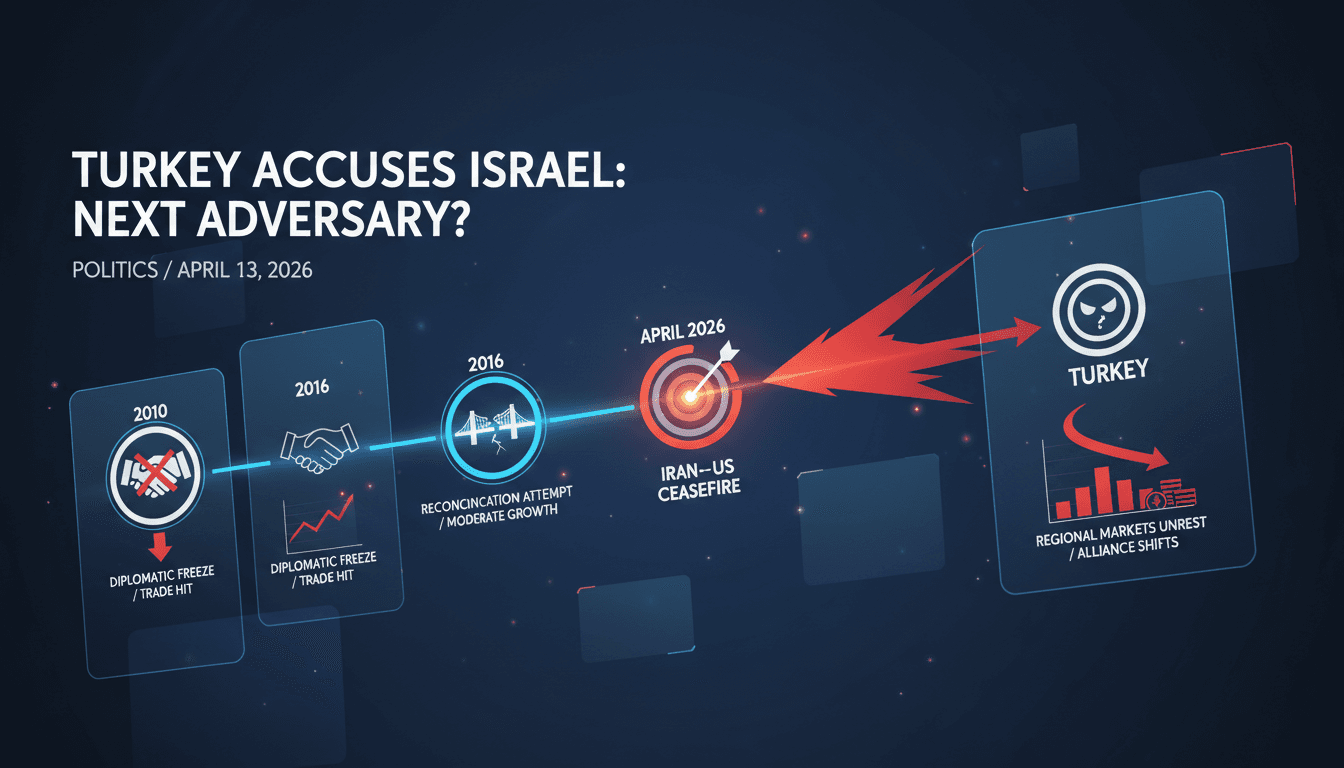
- Politics· MENA
France and UK Prepare for Diplomatic Talks on Multinational Mission in Strait of Hormuz
On April 13, 2026, France and the United Kingdom announced preparations for talks to establish a peaceful multinational mission aimed at restoring navigation freedom in the Strait of Hormuz. This initiative is triggered by escalating US-Iran tensions and disruptions in the vital waterway, prompting European powers to seek independent de-escalation measures. The long-term implication is a potential shift in global maritime security dynamics, as European nations position themselves as key players in the region's stability.
3 sourcesApr 13High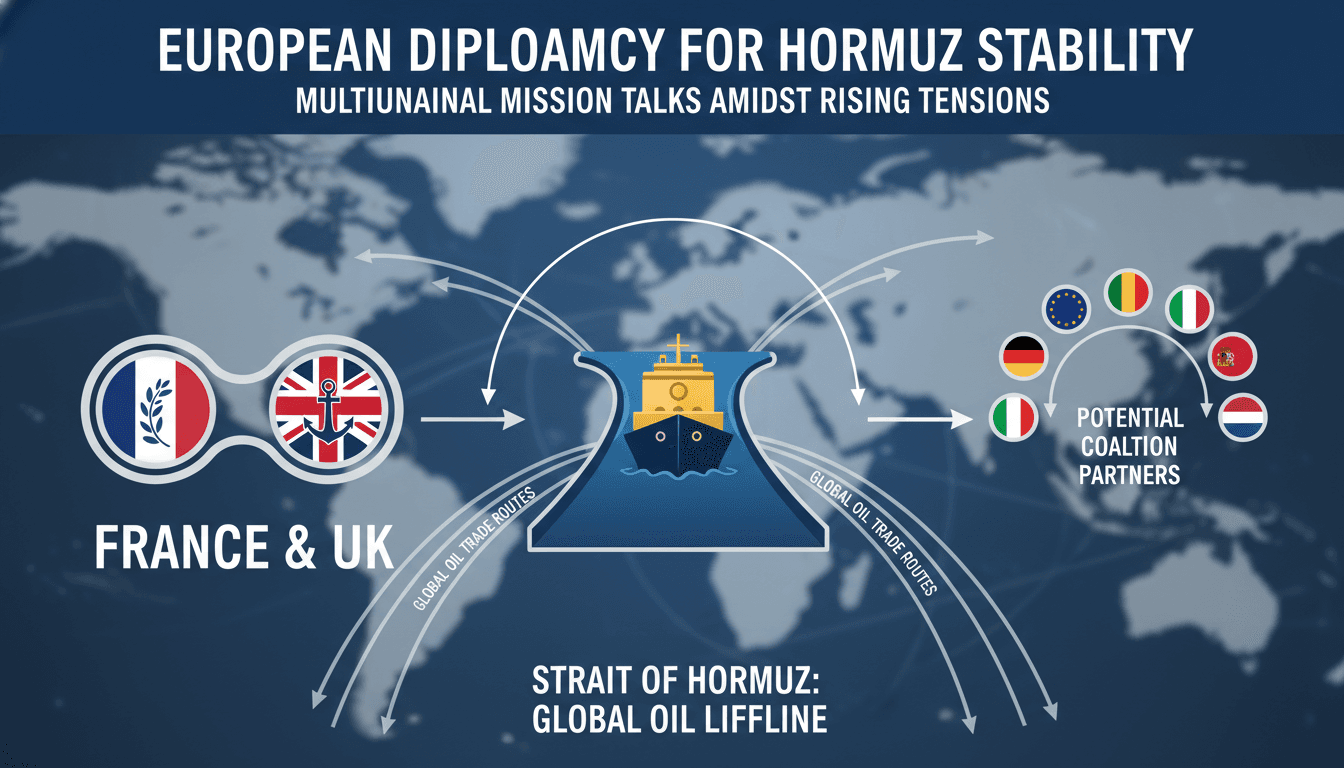
- World· MENA
U.S. Naval Blockade on Iranian Ports Triggers Wall Street Decline
On April 13, 2026, major Wall Street indices fell following President Trump's announcement of a naval blockade targeting Iranian ports in the Strait of Hormuz. This escalation came after the collapse of U.S.-Iran ceasefire talks in Islamabad, raising fears of a prolonged conflict and driving oil prices above $100 per barrel. The long-term implication may include heightened geopolitical tensions and further instability in global oil markets, impacting investor sentiment and economic forecasts.
2 sourcesApr 13High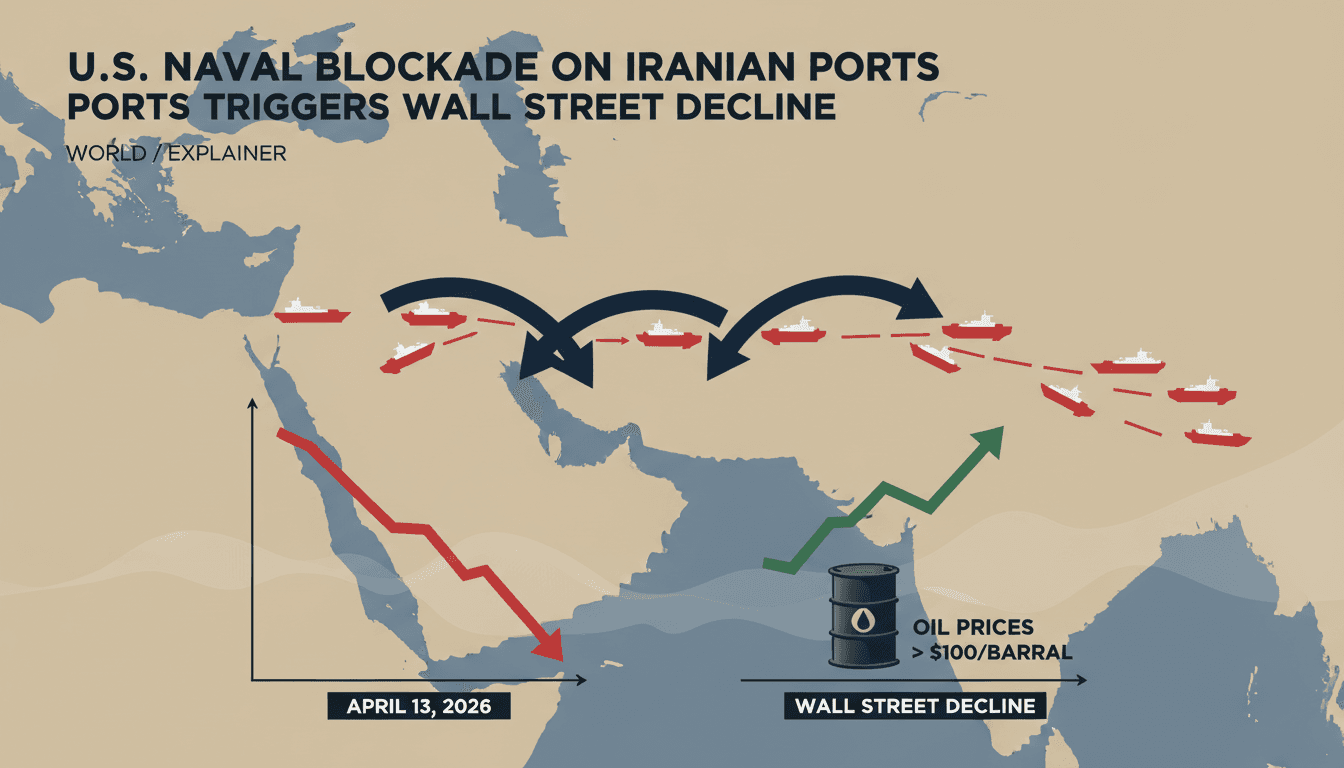
- World· MENA
NATO Allies Decline U.S. Naval Blockade Participation in Strait of Hormuz
On April 13, 2026, NATO allies including Britain and France refused to participate in the U.S. naval blockade of the Strait of Hormuz, which was announced following failed peace talks with Iran. This refusal is driven by European nations' reluctance to escalate their involvement in the ongoing U.S.-Iran conflict, which has already disrupted a significant portion of global oil trade. The long-term implication may lead to further strains within NATO and increased geopolitical tensions in the region, potentially impacting global oil markets and security dynamics.
4 sourcesApr 13High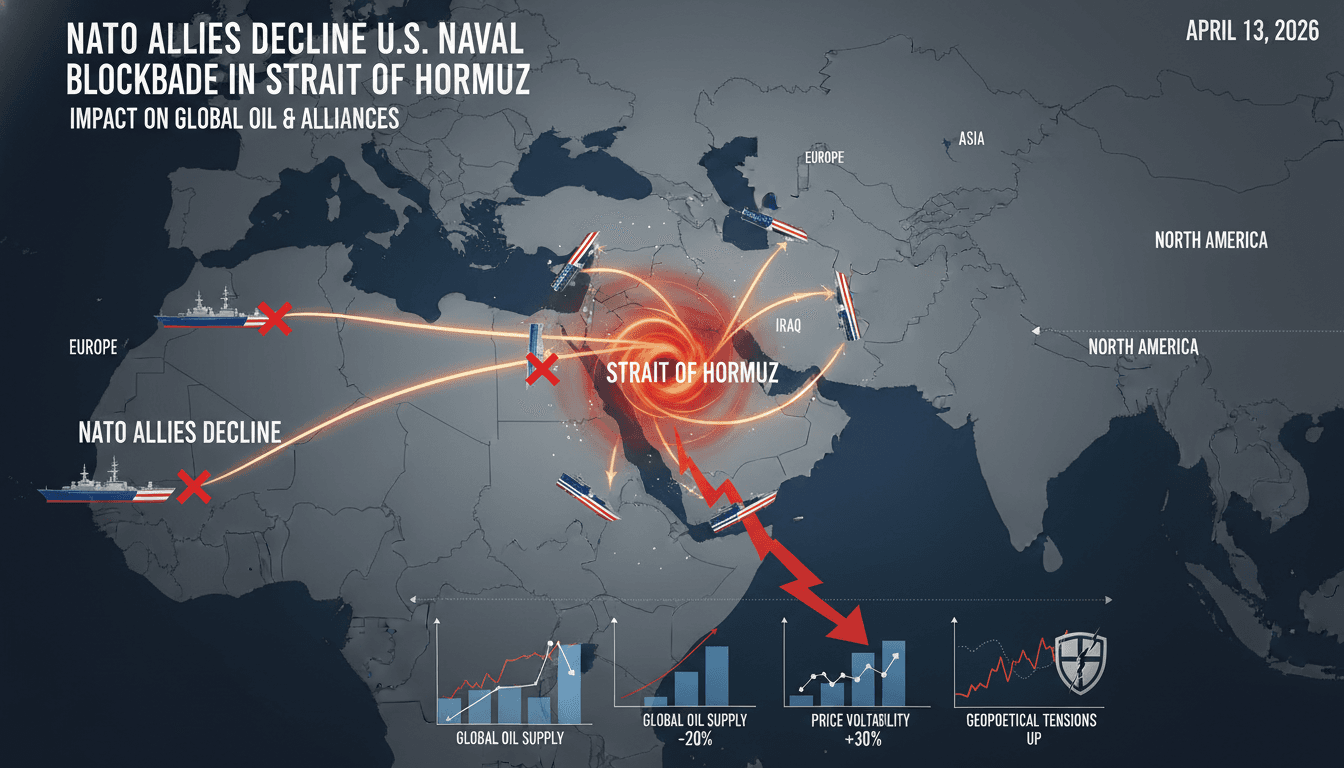
- World· MENA
United Nations Proposes Safe Fertilizer Transit Through Strait of Hormuz Amid Ongoing Conflict
On April 13, 2026, the United Nations announced an intensified diplomatic push on a proposal to secure safe passage for commercial fertilizer shipments through the Strait of Hormuz. This initiative is a response to acute global fertilizer shortages caused by six weeks of regional conflict, including U.S.-Israeli strikes on Iran and a new U.S. naval blockade. Long-term implications may include heightened food security risks in Asia, Africa, and Latin America, prompting further international negotiations and potential military escort mechanisms for shipping routes.
2 sourcesApr 13Moderate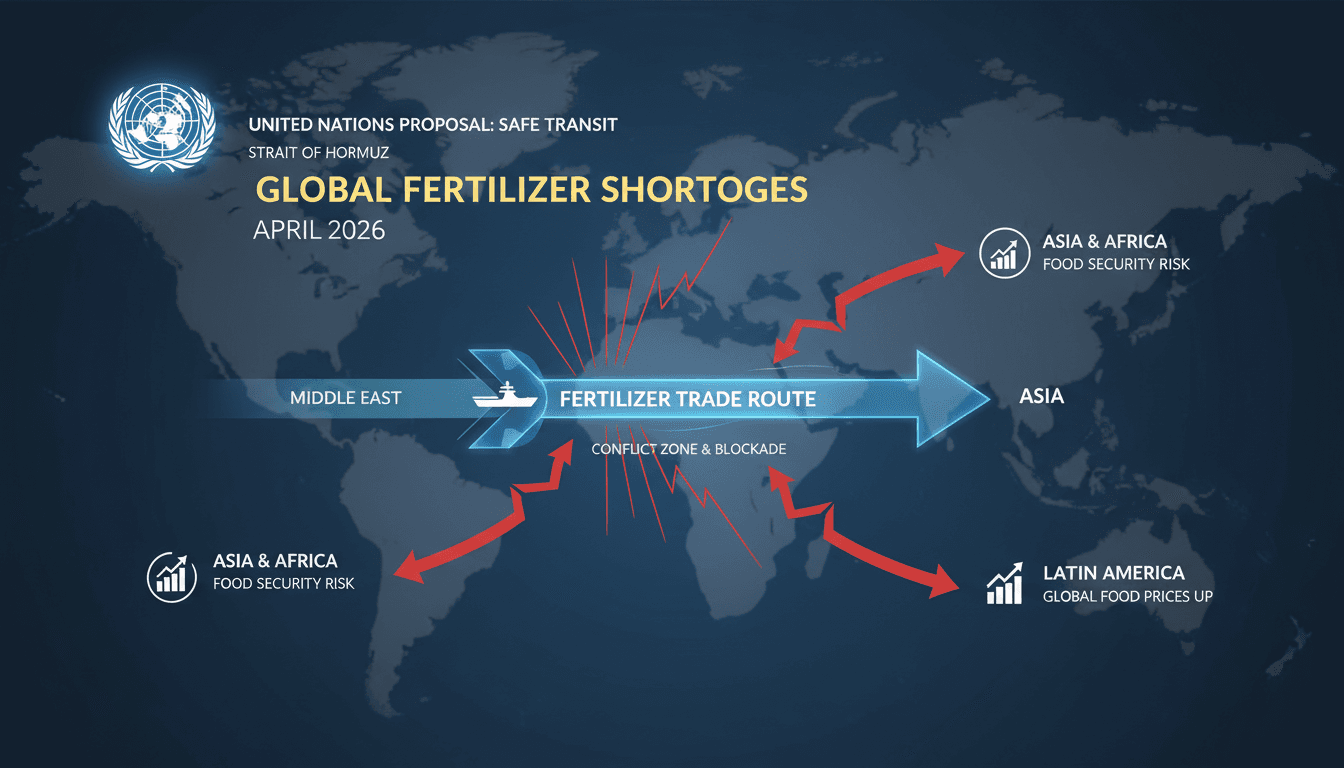
- Politics· World
Pakistan's Prime Minister Reiterates Commitment to Mediate US-Iran Conflict Amid Failed Talks
Pakistani Prime Minister Shehbaz Sharif has affirmed Pakistan's ongoing commitment to resolving the US-Iran conflict following the collapse of 21 hours of direct negotiations in Islamabad. This situation arises as the fragile ceasefire, brokered by Pakistan, faces challenges after the US and Iranian delegations failed to reach an agreement. The long-term implication suggests that Pakistan may continue to play a crucial mediating role in the region, impacting its diplomatic relations and influence in global affairs.
2 sourcesApr 13Low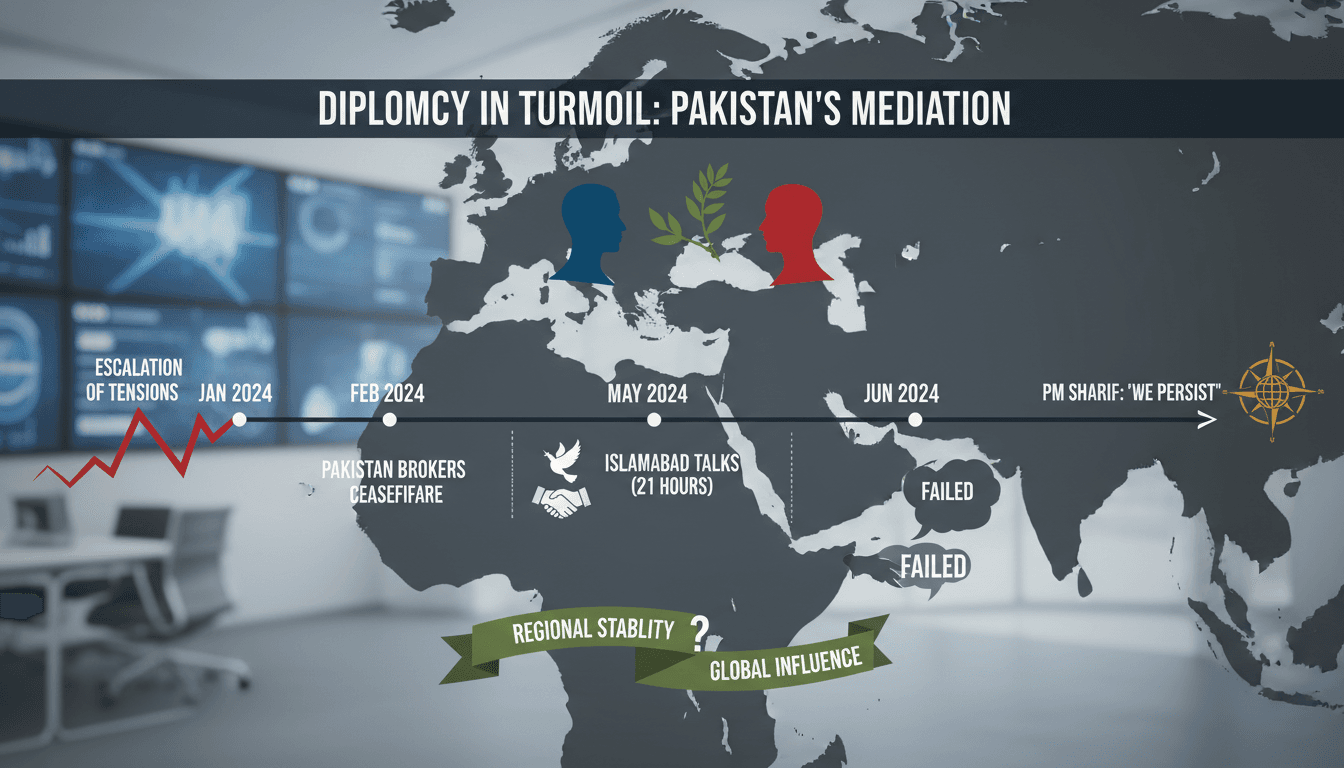
- World· MENA
US Naval Blockade of Iranian Ports Enforces Market Declines and Oil Price Surge
On April 13, 2026, President Donald Trump announced a naval blockade of Iranian ports in the Strait of Hormuz, leading to a decline in US stocks and a surge in oil prices. This decision followed the collapse of peace talks regarding Iran's nuclear program after a brief ceasefire. The long-term implication is a potential escalation in the US-Iran conflict, impacting global energy markets and geopolitical stability in the region.
2 sourcesApr 13Very High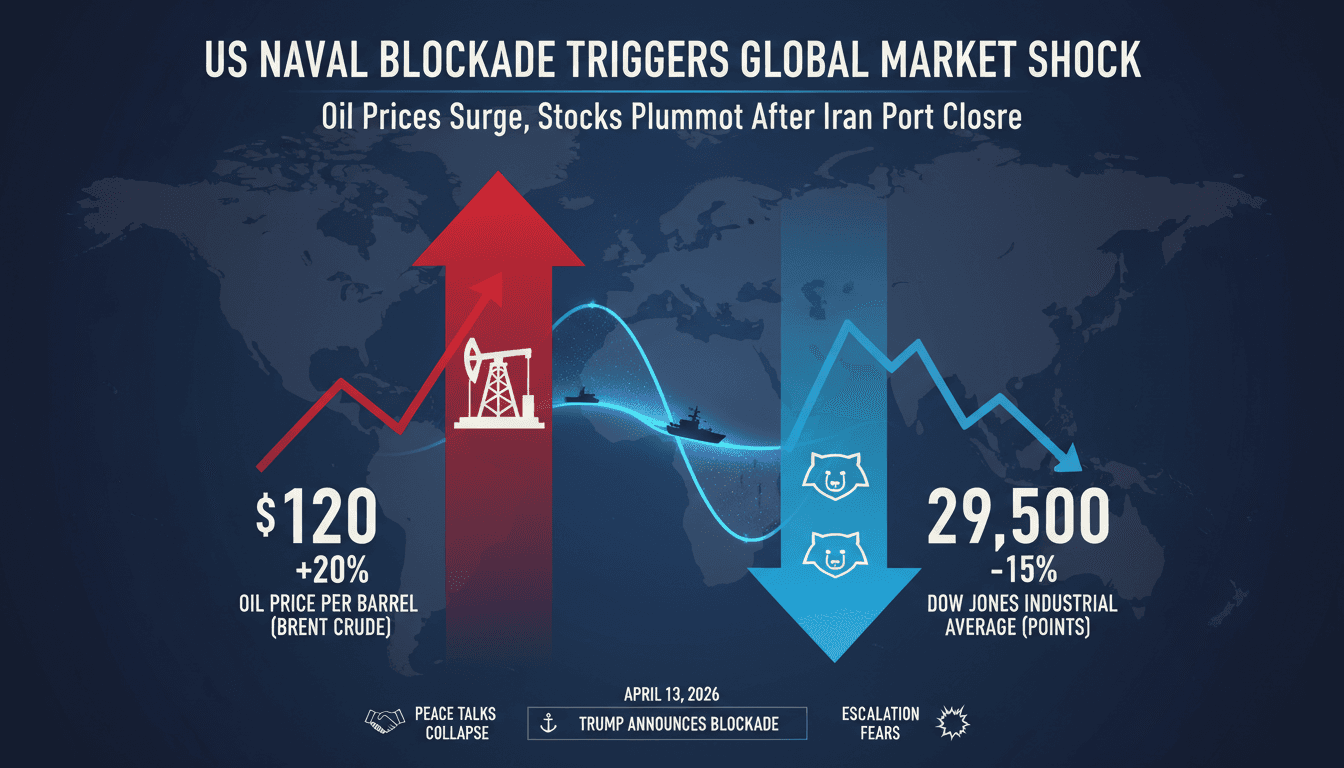
- Tech· World
Australian Parents Facilitate Bypass of Roblox Age Verification System
Australian parents are assisting their children in circumventing Roblox's newly implemented age verification checks. This trend has emerged following the platform's recent mandatory rollout of age restrictions aimed at enhancing child safety amid growing global scrutiny. The long-term implication may lead to increased regulatory pressure on Roblox and similar platforms to strengthen their age verification measures and protect minors online.
2 sourcesApr 13Low
- Tech· World
Gallup Poll Reveals 50% of U.S. Employees Use AI at Work Amid Resistance
A recent Gallup poll indicates that 50% of U.S. employees engage with AI tools at work at least a few times a year, reflecting a rise in organizational adoption to 41%. This shift is driven by productivity gains reported by two-thirds of users, yet significant resistance persists due to ethical concerns and a preference for traditional methods. Long-term, this may necessitate increased training and policy adjustments to address the skills gap and resistance to AI integration in the workforce.
4 sourcesApr 13Low