Bio
Andre is co-founder at A47 News. He is responsible for editorial standards and news curation, and shares commentary on AI, general technology, and global politics.
Editorial Responsibility
As Editor, I am responsible for all editorial standards, news sourcing, research, and content production.
Previous experience · 15+ years
- · Co-founder at Tiki
- · Operations Director at Rocket Internet
Education
BA Economics, University of Waikato
Areas of expertise
Categories overseen
Stories from Andre Teow’s desk
20310 stories- Politics· MENA
Iran Warns Israeli Airstrikes on Lebanon Threaten US-Iran Ceasefire Negotiations
Iranian President Masoud Pezeshkian has issued a warning that ongoing Israeli airstrikes on Lebanon undermine a recent US-Iran ceasefire agreement. This escalation follows significant Israeli military actions that resulted in over 250 civilian casualties, prompting Iran to reaffirm its support for Lebanon. The long-term implication may involve heightened regional tensions and a potential breakdown of US-Iran negotiations, affecting broader geopolitical stability.
3 sourcesApr 9High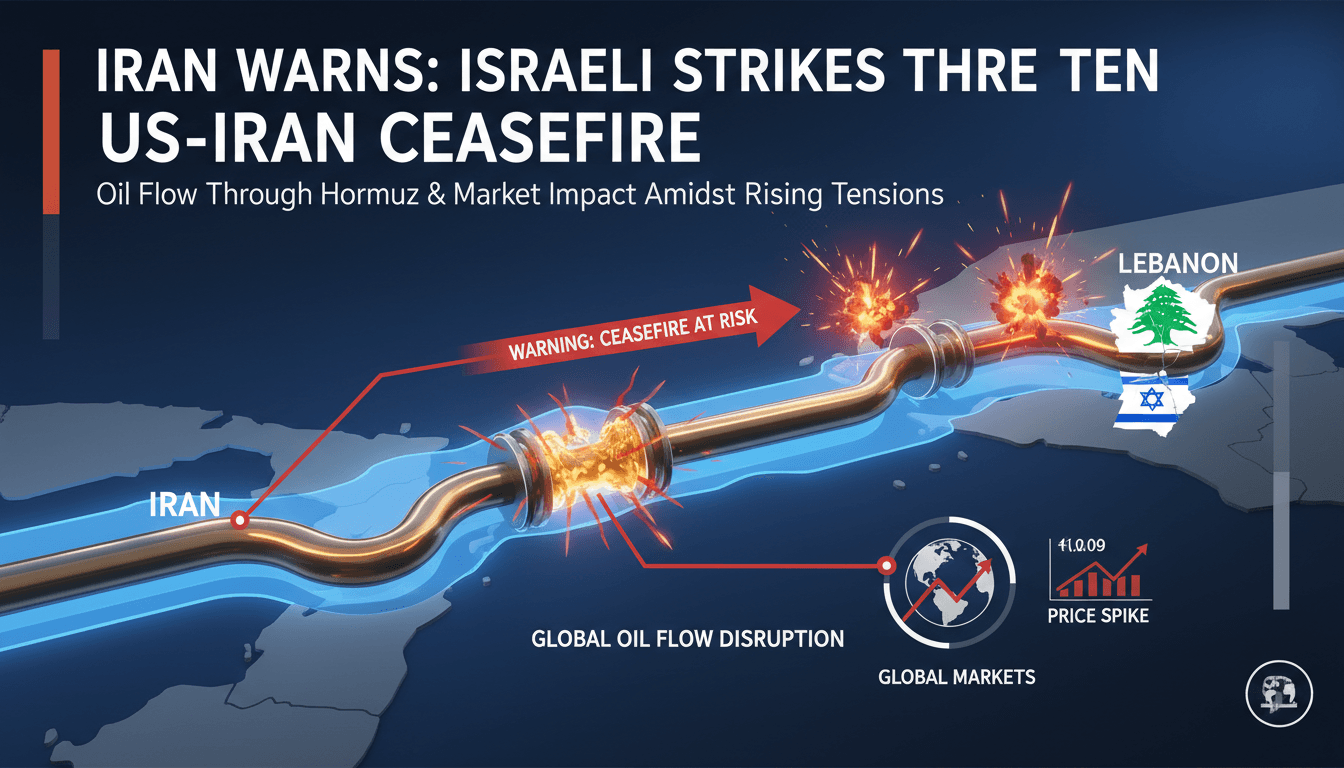
- World· MENA
US-Iran Ceasefire Announced Amid Strait of Hormuz Crisis
On April 8, 2026, the United States and Iran declared a two-week ceasefire in the ongoing Strait of Hormuz crisis, contingent on reopening the critical oil transit route. This announcement followed escalating tensions and military actions that had severely disrupted oil exports, prompting an initial market rally that quickly faltered due to doubts about the strait's reopening. The long-term implication may involve continued geopolitical instability in the region, affecting global oil prices and trade routes significantly.
2 sourcesApr 9High
- Politics· MENA
Iran Reports Over 3,000 Fatalities from US-Israel Military Strikes Since February 2026
Iran's Forensic Medicine Organization disclosed on April 9, 2026, that more than 3,000 individuals have been killed in Iran due to military strikes by the US and Israel since February 28, 2026. This announcement follows the escalation of the 2026 Iran war, which began with coordinated airstrikes targeting Iranian military and nuclear sites. The long-term implication may involve further regional instability and potential escalation of military actions as Iran prepares for prolonged conflict if ceasefire negotiations fail.
3 sourcesApr 9Moderate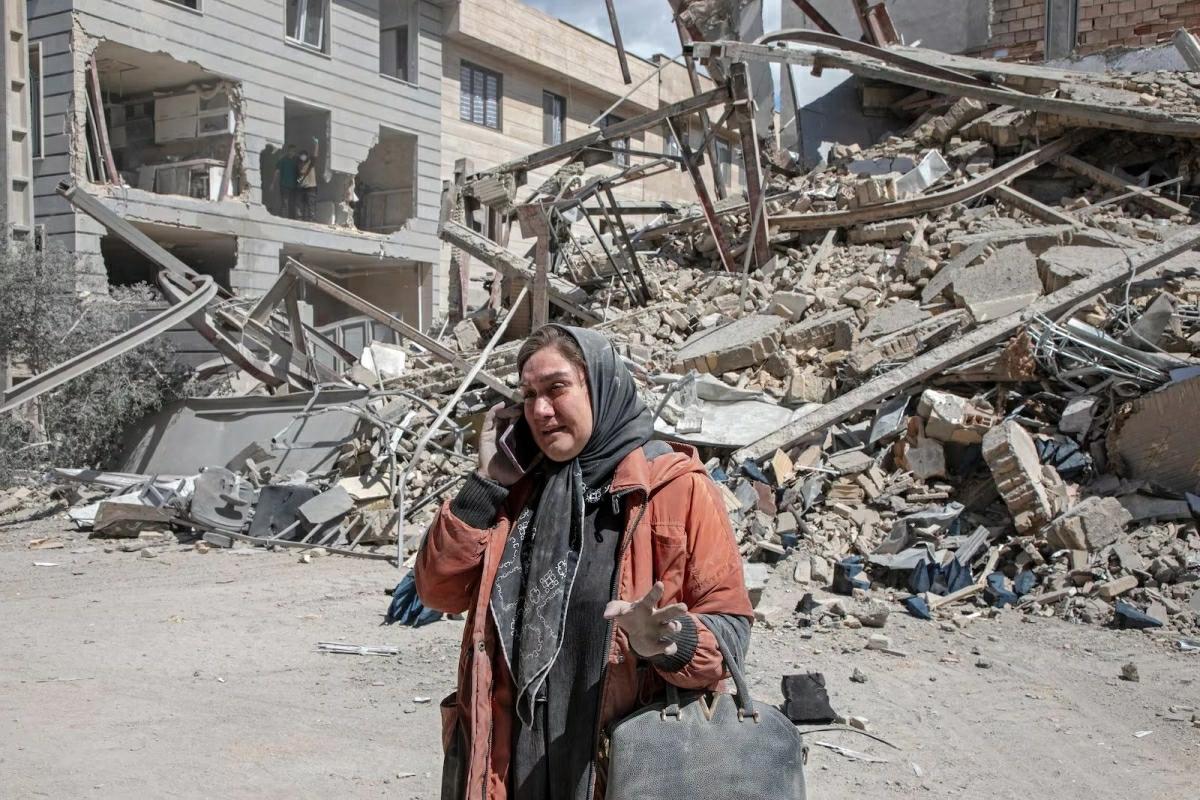
- Tech· World
NASA's Artemis II Crew Sets New Distance Record for Human Spaceflight During Lunar Mission
NASA's Artemis II crew achieved a historic milestone by surpassing the Apollo 13 record, traveling 252,756 miles from Earth during a lunar flyby. This record-breaking event occurred as part of the mission's first crewed lunar voyage since 1972, emphasizing advancements in deep space exploration. The long-term implication is a renewed focus on international collaboration in space exploration, particularly in light of global competition, including China's lunar ambitions.
6 sourcesApr 9Moderate
- Politics· MENA
Al-Aqsa Mosque Compound Reopens After 40-Day Closure Amid US-Iran Conflict
The Al-Aqsa Mosque compound in occupied East Jerusalem reopened on April 9, 2026, after a 40-day closure imposed by Israeli authorities. This closure was initiated on February 28, 2026, coinciding with the start of US-Israeli military operations against Iran, justified by security concerns. The long-term implication is a potential escalation in regional tensions as the reopening occurs alongside a US-Iran ceasefire announcement, impacting both local sentiments and international diplomatic dynamics.
2 sourcesApr 9High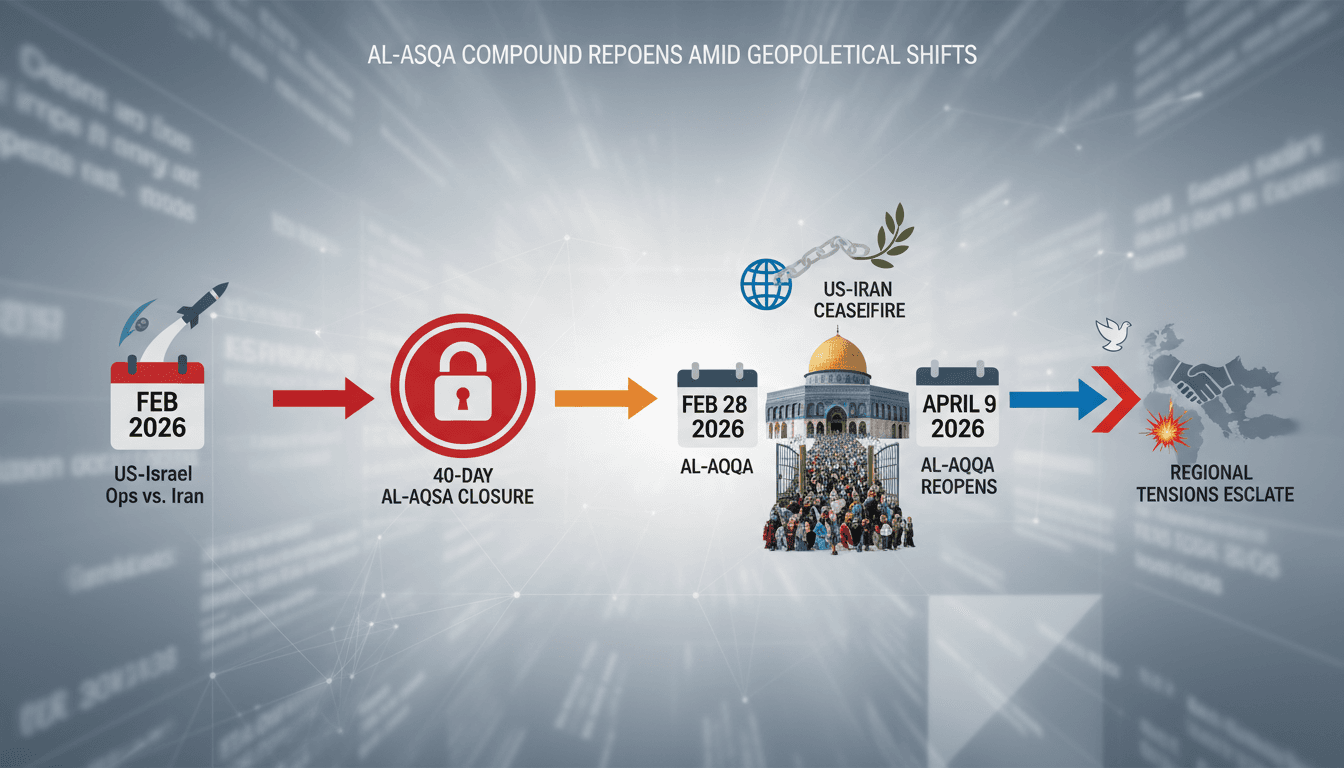
- Politics· UAE
Sheikh Mohammed bin Rashid Al Maktoum Calls for UAE Flag Hoisting to Promote National Unity After Regional Crisis
On April 9, 2026, Sheikh Mohammed bin Rashid Al Maktoum urged UAE residents to raise the national flag as a symbol of unity following a 39-day regional crisis involving Iranian missile threats. This call comes after the UAE successfully intercepted numerous attacks during heightened tensions in the US-Iran conflict, with a fragile ceasefire announced just a day prior. The long-term implication is a strengthened national identity and resilience, potentially influencing future public sentiment and policy in the region.
3 sourcesApr 9Very High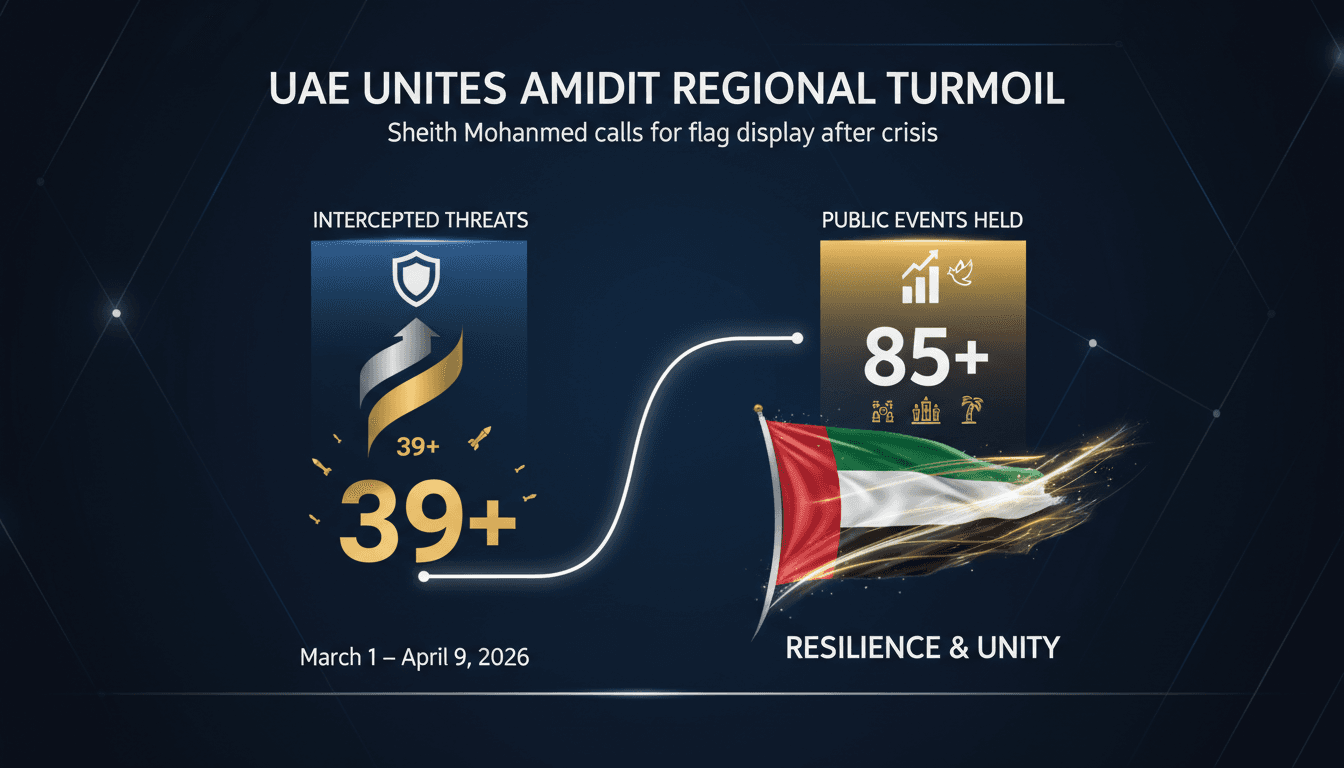
- Politics· MENA
Iran Continues Control Over Strait of Hormuz Amid US-Iran Ceasefire
Iran has maintained its de facto control over the Strait of Hormuz despite a recent ceasefire with the US, significantly disrupting shipping traffic. This situation arises from Iran's enforcement of strict coordination requirements for vessel passage, which has led to a dramatic decline in daily ship movements. The long-term implication is a heightened geopolitical tension in the Gulf region, prompting Gulf states to seek navigation freedom and reassess their security strategies.
2 sourcesApr 9High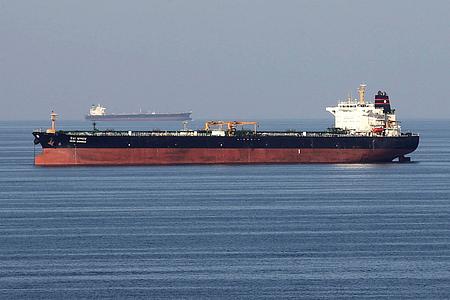
- Politics· UAE
UAE Minister Calls for Unconditional Reopening of Strait of Hormuz Amid Energy Crisis
Dr. Sultan Ahmed Al Jaber has demanded the full and unconditional reopening of the Strait of Hormuz following a 40-day disruption in global energy flows. This demand comes as over 230 oil tankers remain stranded due to Iranian conditional access, exacerbating economic impacts on Asian markets reliant on these shipments. The long-term implication may involve heightened geopolitical tensions and potential military coordination in the region as nations respond to the energy crisis.
2 sourcesApr 9High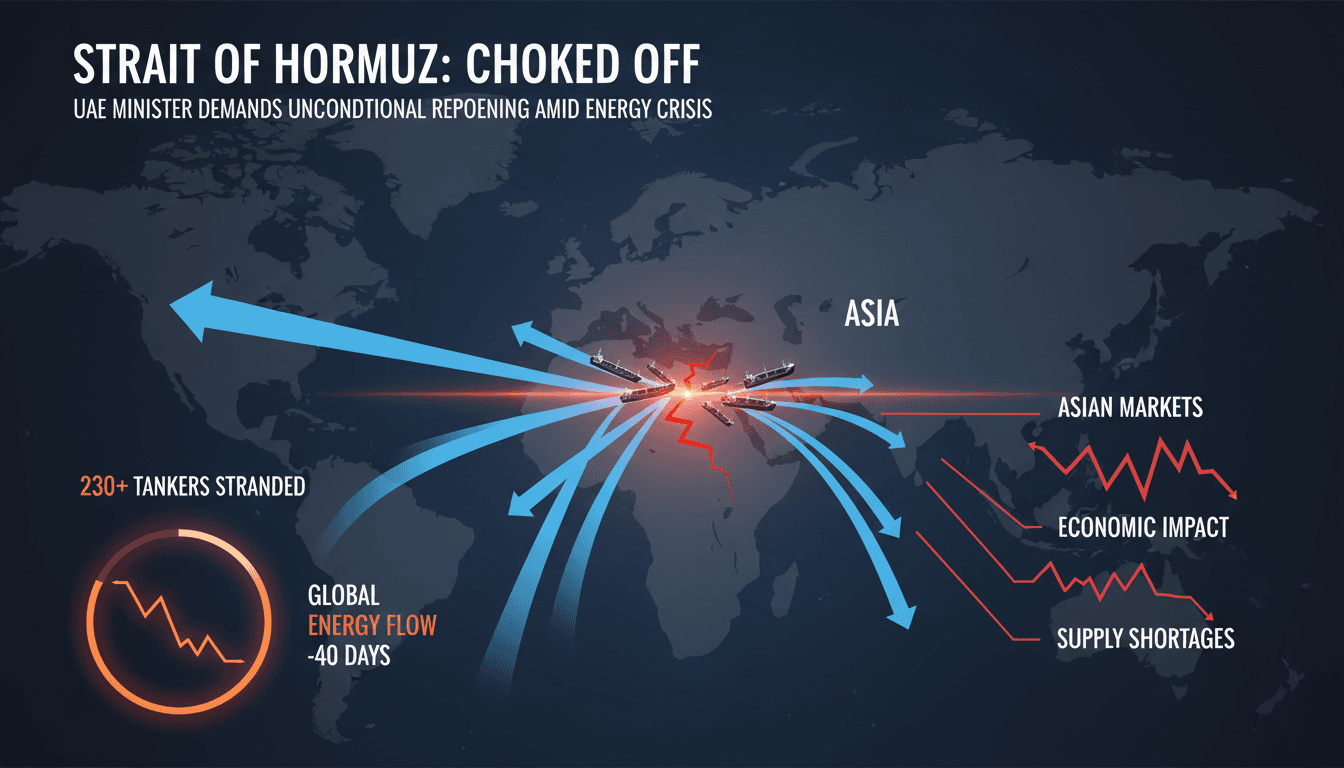
- Politics· UAE
UAE Ministry of Defence Reports No Iranian Air Threats Detected on April 9 2026
On April 9, 2026, the UAE Ministry of Defence confirmed that no Iranian ballistic missiles, cruise missiles, or UAVs were detected in UAE airspace, marking a significant shift in the ongoing conflict. This announcement follows a six-week period of heightened tensions and intermittent aerial attacks from Iran, providing reassurance to the public regarding national security. The long-term implication suggests a potential stabilization in the region, allowing for a focus on diplomatic resolutions and enhanced defense readiness.
4 sourcesApr 9Moderate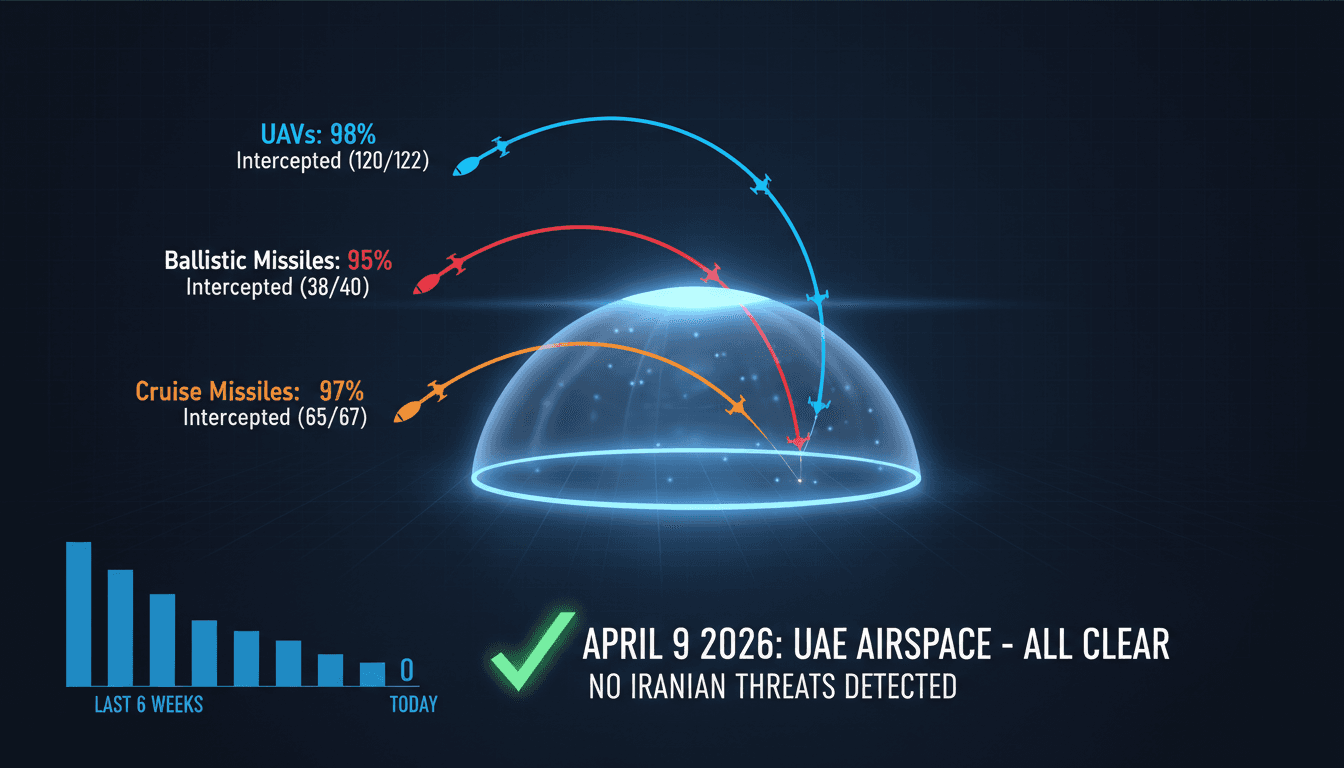
- Tech· World
Samsung Electronics to Invest $4 Billion in New Chip Packaging Facility in Vietnam
Samsung Electronics has announced a $4 billion investment to construct a chip packaging facility in Thai Nguyen province, Vietnam. This decision is driven by the surging global demand for AI semiconductors and follows the establishment of Samsung Vietnam Semiconductor Co., Ltd. The long-term implication is that this expansion will strengthen Samsung's manufacturing capabilities in the semiconductor sector, positioning it to better meet the needs of the AI market.
2 sourcesApr 9Low
- Tech· World
Tubi Integrates ChatGPT to Engage Gen Z Viewers in Streaming Market
On April 9, 2026, Tubi announced the integration of its streaming app with OpenAI's ChatGPT. This strategic move aims to leverage AI technologies to attract and retain Generation Z audiences amidst intense competition from larger platforms. Long-term, this could enhance Tubi's market position and ad revenue potential by catering to the preferences of younger viewers for personalized content discovery.
2 sourcesApr 9Low
- Politics· UAE
UAE Minister Sultan Al Jaber Demands Unconditional Reopening of Strait of Hormuz Amid Iranian Restrictions
On April 9, 2026, UAE Minister Sultan Al Jaber called for the unconditional opening of the Strait of Hormuz, highlighting its effective closure due to Iranian restrictions. This demand follows a fragile US-Iran ceasefire, with Iran imposing conditions on vessel passage that threaten global energy security. The long-term implication may involve escalating tensions in the region and increased international pressure on Iran to restore free navigation in this critical trade route.
3 sourcesApr 9Low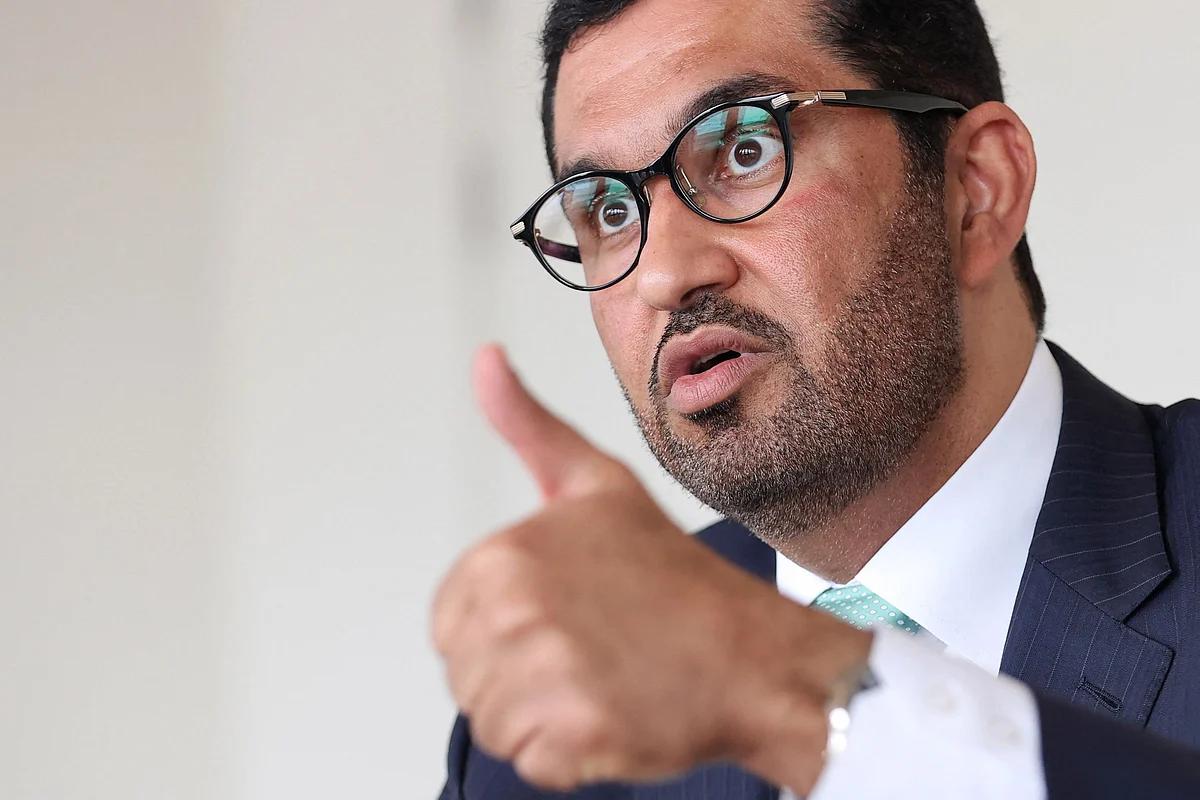
- Politics· World
Israeli Airstrikes in Lebanon Escalate Tensions Amid US-Iran Ceasefire
On April 8, 2026, Israel launched extensive airstrikes in Lebanon targeting Hezbollah, resulting in at least 250 fatalities and over 1,000 injuries. This military action occurred just hours after a US-brokered ceasefire between the US and Iran took effect, raising questions about the agreement's applicability to Hezbollah. The long-term implications include heightened regional instability and potential escalations in military operations as Iran and Hezbollah threaten retaliation while Israel vows to continue its operations.
3 sourcesApr 9Very High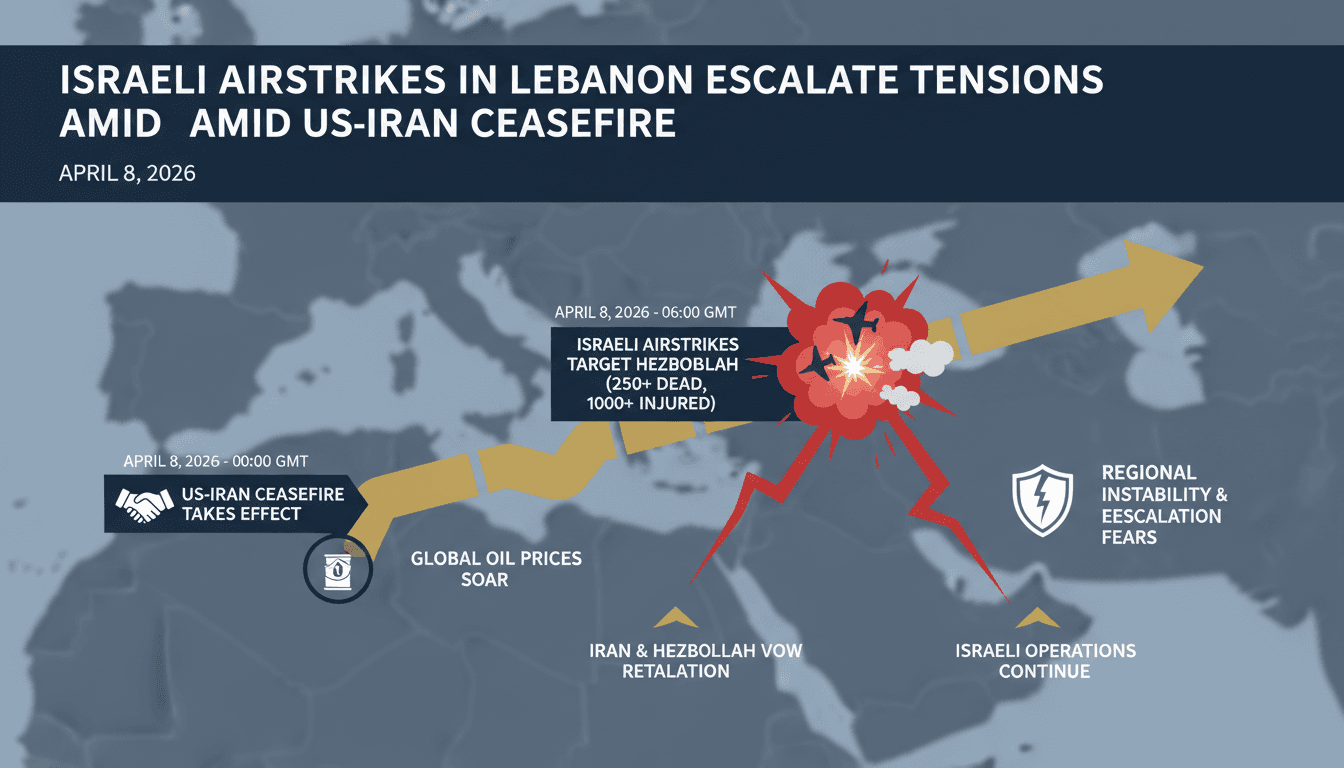
- Politics· MENA
Saudi and Iranian Foreign Ministers Discuss Regional Tensions Amid Ongoing Conflict
On April 9, 2026, Saudi Foreign Minister Prince Faisal bin Farhan bin Abdullah received a call from Iranian Foreign Minister Abbas Araghchi to discuss escalating regional tensions. This diplomatic engagement follows a recent ceasefire between the US and Iran and ongoing military actions in the region, prompting both nations to seek pathways for de-escalation. The long-term implication may involve a shift towards more sustained diplomatic efforts to stabilize relations and security in the Middle East.
2 sourcesApr 9Low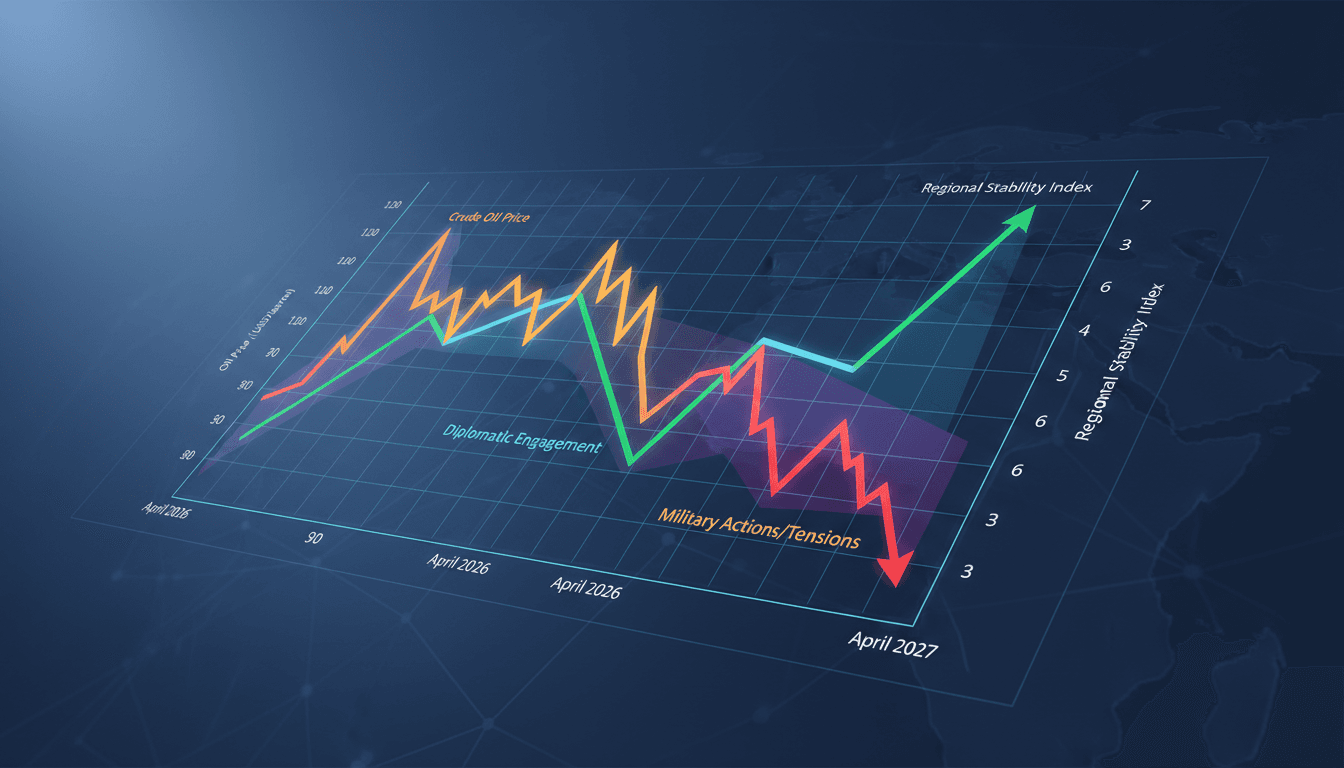
- Politics· MENA
Netanyahu Confirms Ongoing Military Strikes Against Hezbollah Amid US-Iran Ceasefire
On April 9, 2026, Israeli Prime Minister Benjamin Netanyahu declared that Israel would persist in its military strikes against Hezbollah, emphasizing the need to protect Israeli civilians. This announcement follows significant Israeli airstrikes on April 8 that resulted in at least 182 casualties, occurring concurrently with a US-Iran ceasefire that Israel states does not apply to Hezbollah. The long-term implication suggests a potential escalation in regional conflict, as Israel's actions may provoke further retaliatory measures from Hezbollah and complicate US-Iran diplomatic efforts.
2 sourcesApr 9Moderate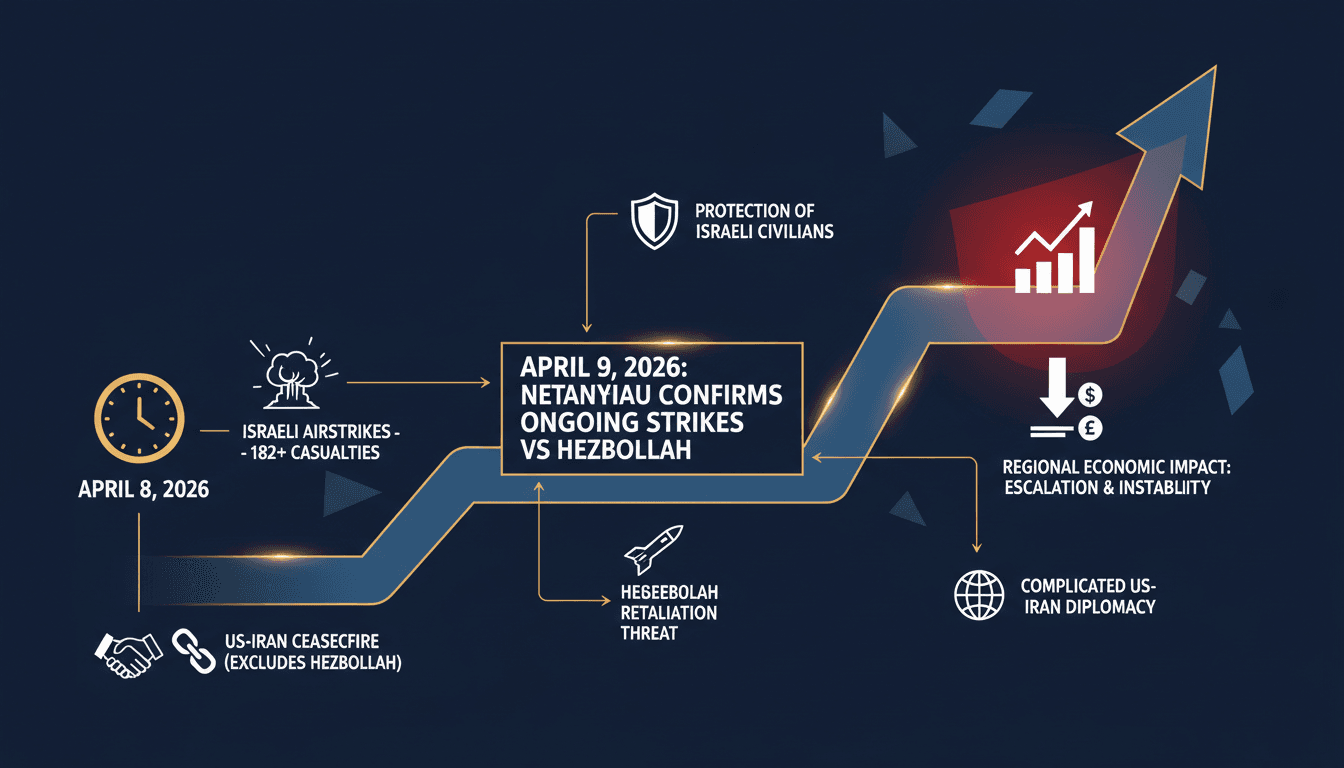
- Politics· MENA
Israeli Airstrikes on Lebanon Threaten US-Iran Ceasefire According to EU Diplomat
On April 8, 2026, Israeli airstrikes across Lebanon resulted in at least 254 fatalities and over 1,100 injuries, prompting EU High Representative Kaja Kallas to issue a warning about the risks to the US-Iran ceasefire. The immediate trigger for these strikes was Israel's assertion that the ceasefire does not apply to Lebanon, following a recent truce announcement. Long-term, this escalation may lead to increased regional instability and further complicate international diplomatic efforts to maintain peace in the Iran conflict.
2 sourcesApr 9Very High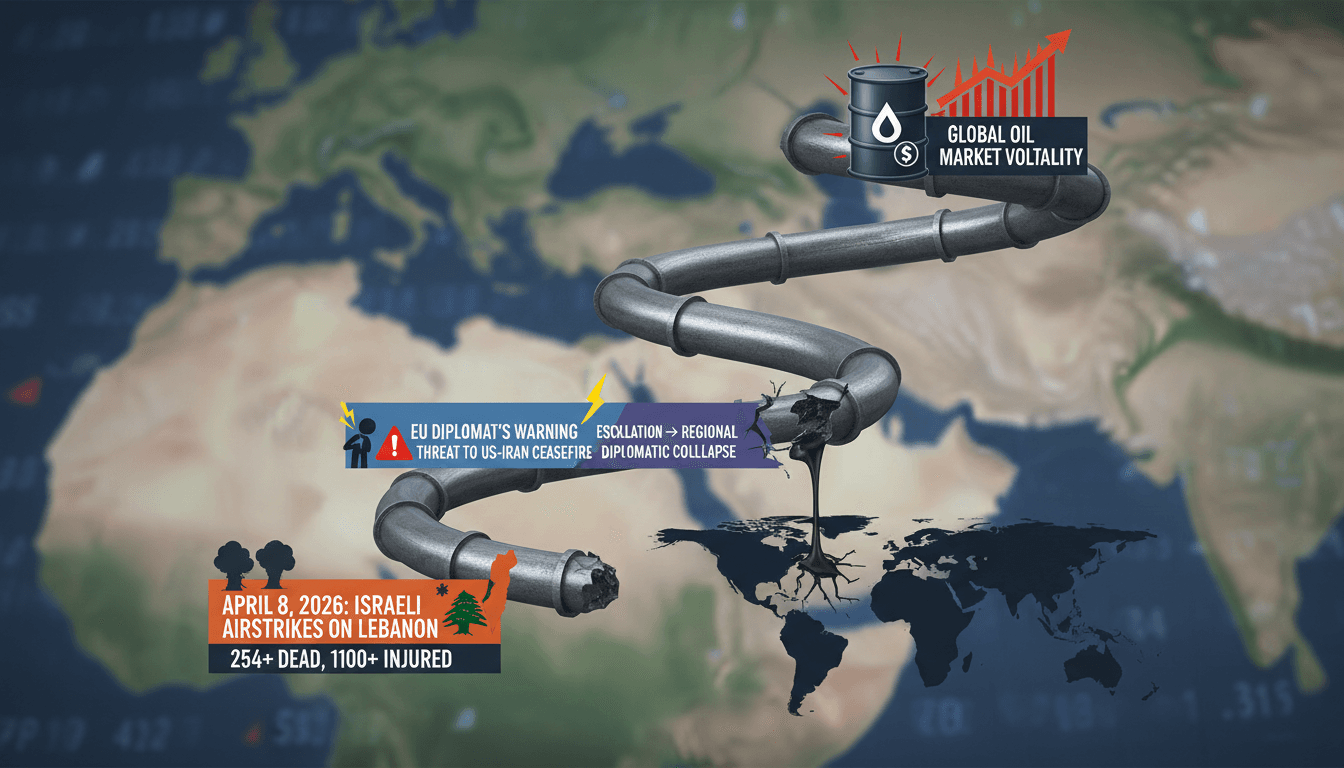
- Politics· MENA
Saudi and Iranian Foreign Ministers Hold First Official Phone Call Since Iran War Began
Saudi Foreign Minister Prince Faisal bin Farhan and Iranian Foreign Minister Abbas Araghchi conducted their first official phone conversation since the onset of the 2026 Iran war. This dialogue comes in the wake of a fragile US-Iran ceasefire and ongoing regional tensions, prompting discussions on reducing hostilities. The long-term implication may lead to a potential thaw in relations and further diplomatic engagements in the region.
2 sourcesApr 9Low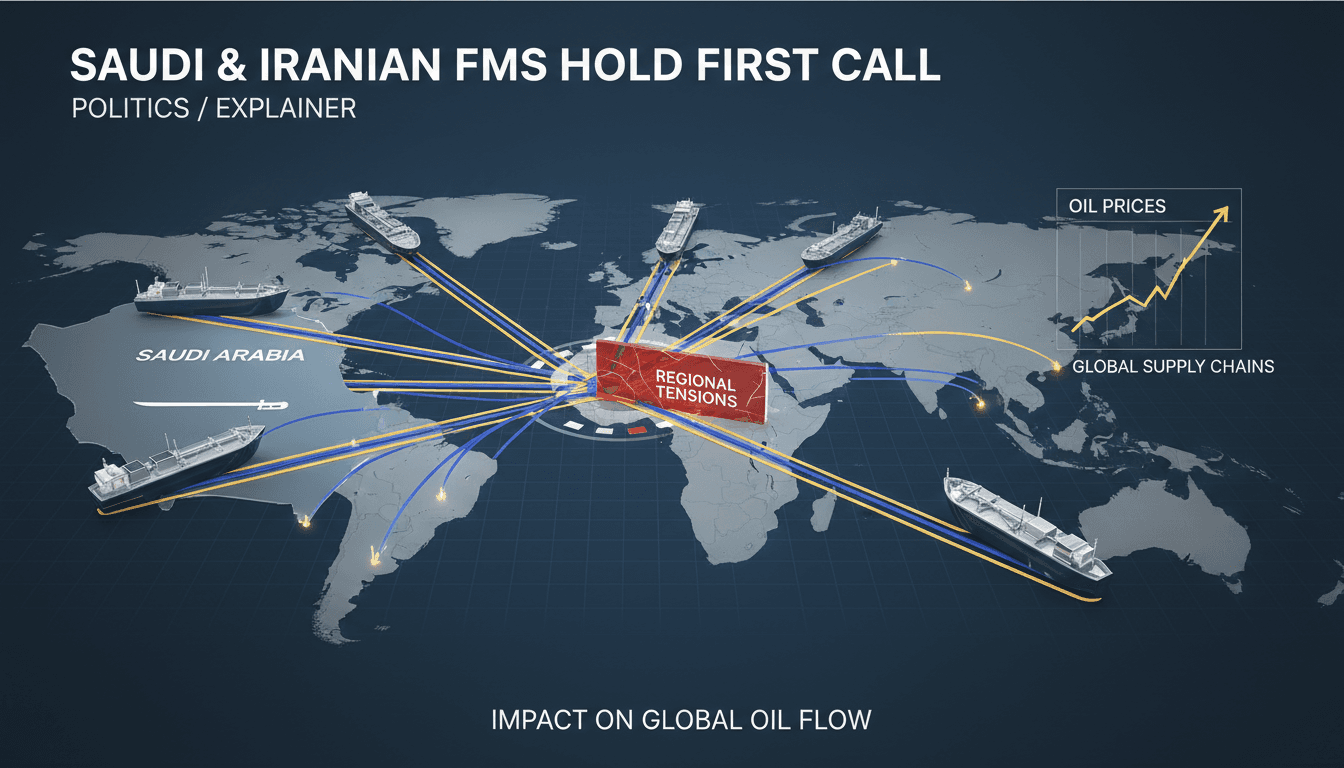
- World· World
Sudanese Armed Forces Drone Strike Results in Civilian Casualties in North Darfur
On April 8, 2026, a drone strike by the Sudanese Armed Forces killed 12 civilians, including six children, in the town of Kutum, North Darfur. The attack occurred amid escalating conflict between the Sudanese Armed Forces and Rapid Support Forces, with increased drone warfare contributing to civilian deaths. This incident underscores the urgent need for international intervention to address the humanitarian crisis and prevent further civilian casualties in the region.
2 sourcesApr 9Low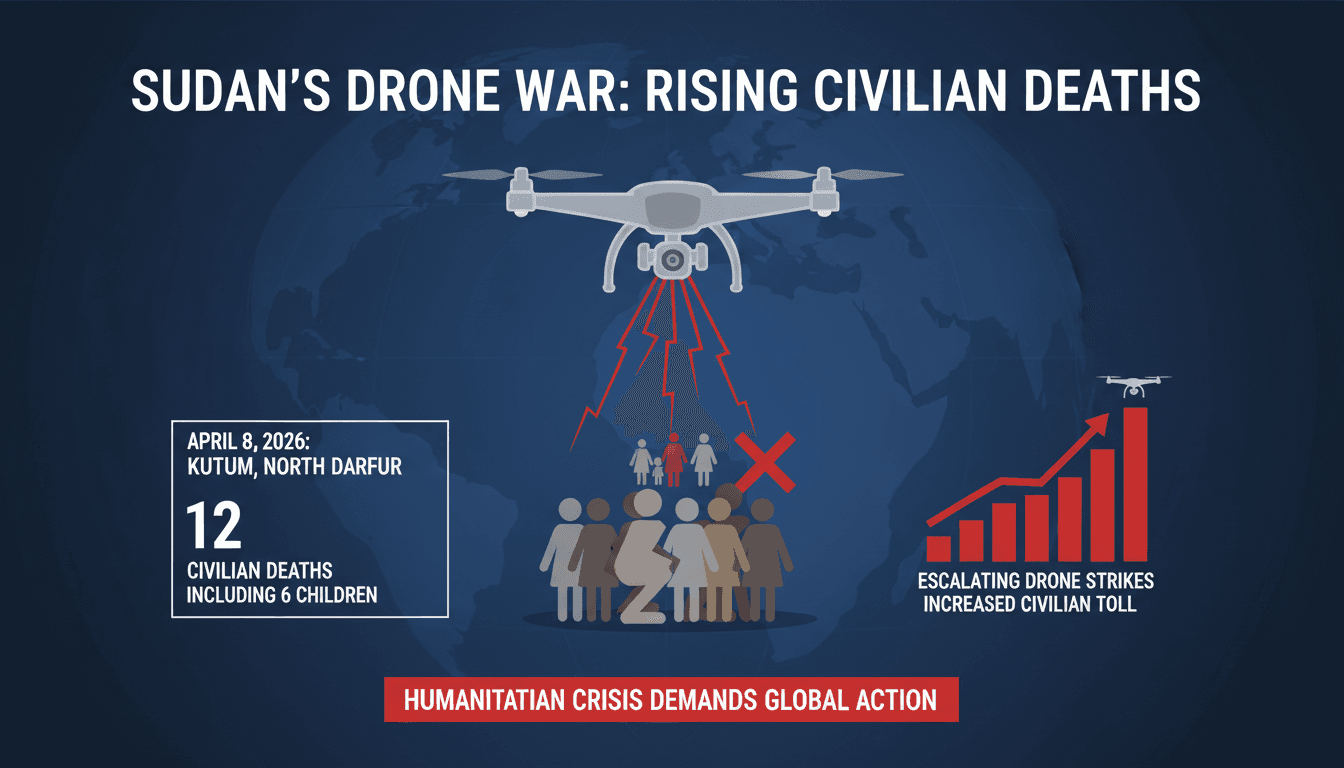
- Politics· MENA
IDF Airstrike in Beirut Kills Hezbollah Leader's Personal Secretary Amid Escalating Conflict
On April 8, 2026, the Israel Defense Forces conducted an airstrike in Beirut, resulting in the death of Ali Yusuf Harshi, personal secretary to Hezbollah's Naim Qassem. This operation is part of a broader Israeli campaign against Hezbollah infrastructure, triggered by ongoing rocket attacks from Hezbollah into northern Israel. The long-term implication may include further escalations in military operations and heightened regional tensions, particularly affecting oil markets and security dynamics in the MENA region.
2 sourcesApr 9High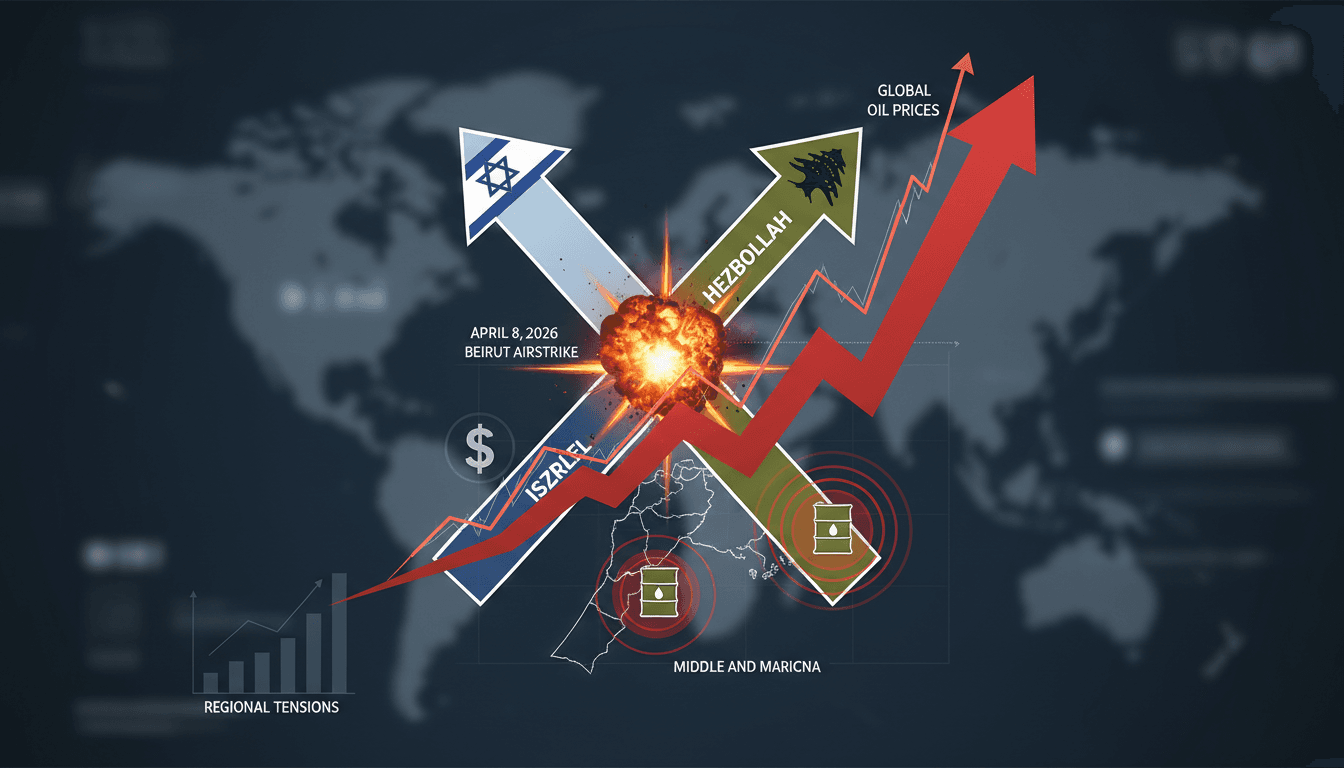
- World· MENA
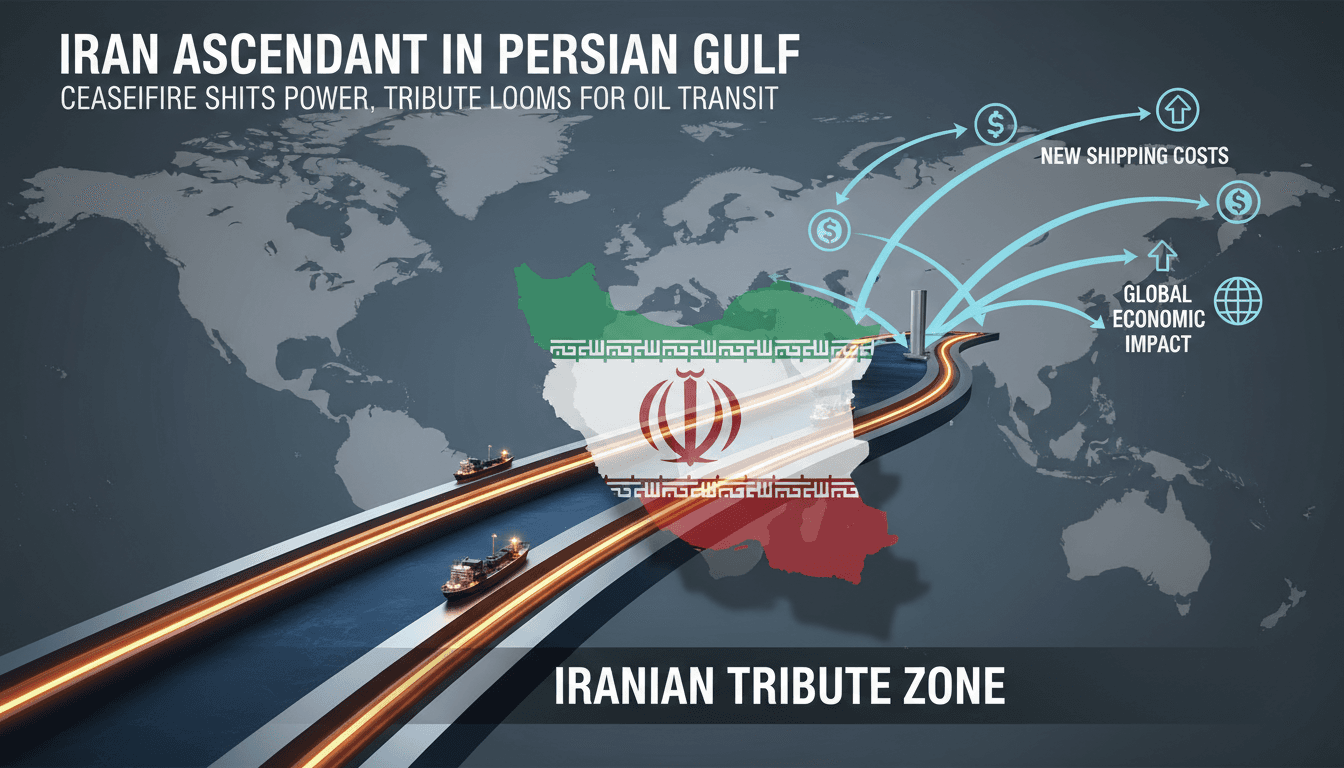
Iran Becomes Dominant Power in Persian Gulf After US-Iran Ceasefire Agreement
On April 7, 2026, the United States and Iran agreed to a two-week ceasefire mediated by Pakistan, marking a significant shift in regional power dynamics. This development is driven by Iran's demonstrated military resilience and strategic control over the Strait of Hormuz, compelling Gulf Arab states to reconsider their security arrangements. In the long term, this could lead to a new geopolitical landscape where Gulf states may have to pay tribute for secure passage through vital shipping routes.
2 sourcesApr 9High