Bio
Andre is co-founder at A47 News. He is responsible for editorial standards and news curation, and shares commentary on AI, general technology, and global politics.
Editorial Responsibility
As Editor, I am responsible for all editorial standards, news sourcing, research, and content production.
Previous experience · 15+ years
- · Co-founder at Tiki
- · Operations Director at Rocket Internet
Education
BA Economics, University of Waikato
Areas of expertise
Categories overseen
Stories from Andre Teow’s desk
20310 stories- World· MENA
US-Iran announces fragile two-week ceasefire amid escalating regional tensions
A conditional two-week ceasefire between the US and Iran was announced on April 7, 2026, following 40 days of intense military conflict. The immediate trigger for this truce was the urgent need to stabilize oil supply routes and mitigate further regional escalations, particularly in Lebanon. Long-term implications suggest that unresolved core issues, such as Iran's nuclear program, will continue to pose significant challenges to lasting peace in the region.
3 sourcesApr 9High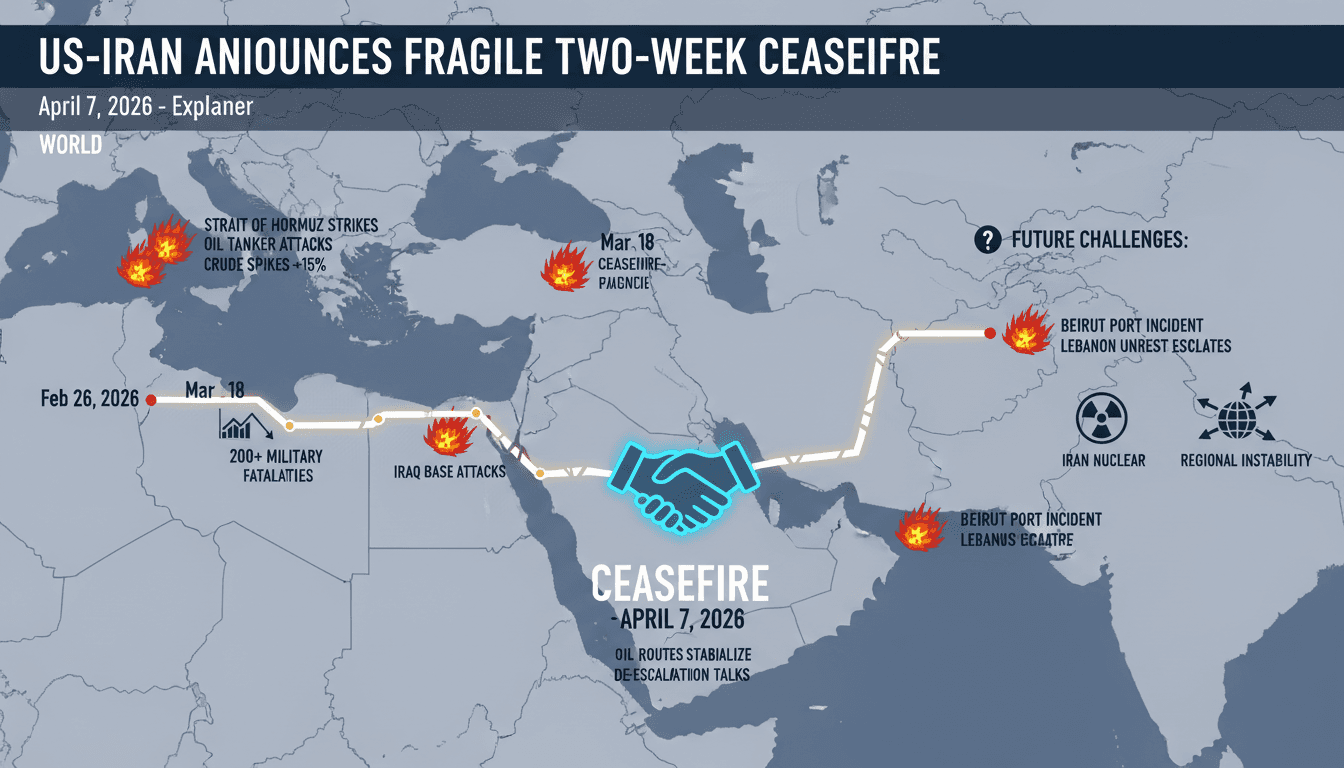
- World· MENA
UK Foreign Secretary Calls for Unrestricted Reopening of Strait of Hormuz Amid US-Iran Ceasefire
UK Foreign Secretary Yvette Cooper has urged for the full and toll-free reopening of the Strait of Hormuz following a fragile ceasefire between the US and Iran. This call comes in response to Iran's recent military actions that have disrupted international shipping and escalated tensions in the region. Long-term, this situation may lead to increased diplomatic efforts to stabilize the strait, which is crucial for global oil supply and economic stability.
2 sourcesApr 9Low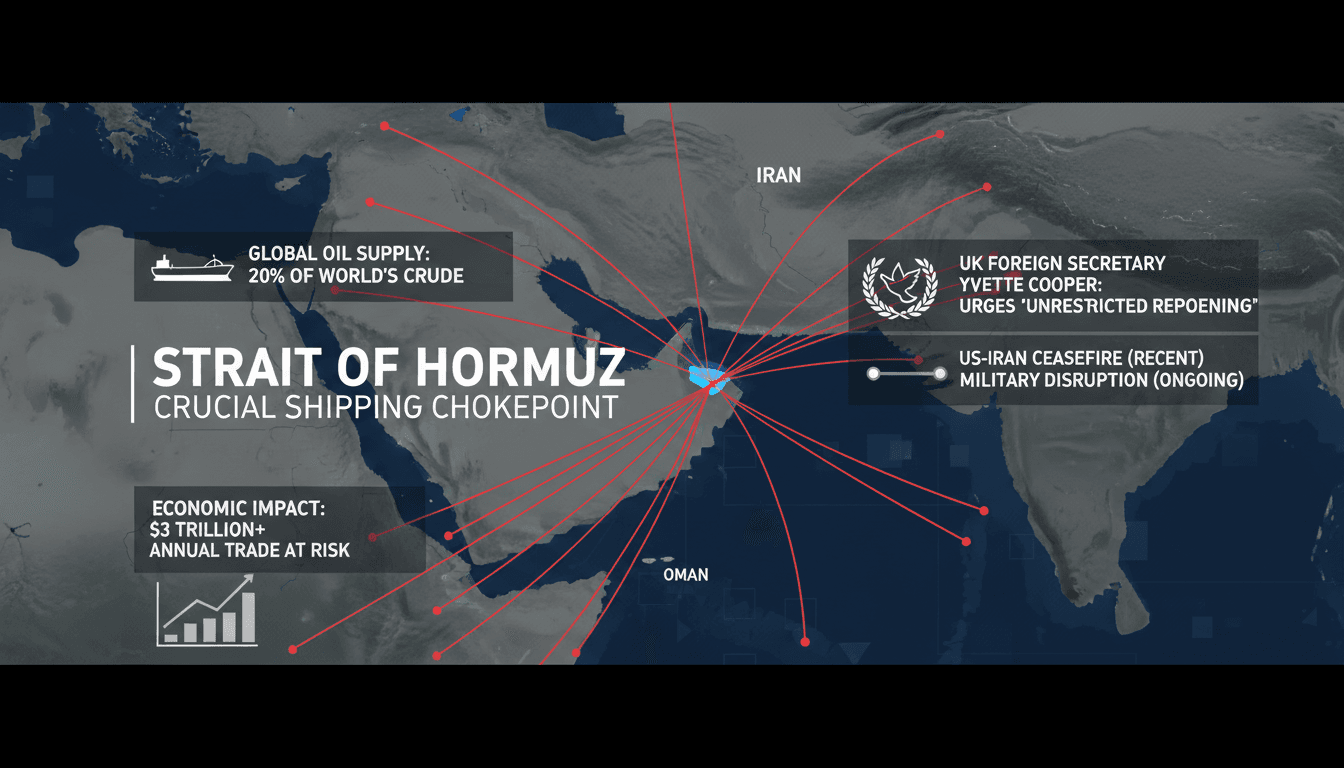
- Politics· MENA
Israeli Airstrikes in Lebanon Result in Over 250 Casualties
On April 8, 2026, Israeli airstrikes across multiple regions in Lebanon killed 254 people and injured 1,165, marking the largest assault on Hezbollah since the conflict escalated. The attacks were launched shortly after a US-Iran ceasefire announcement, which Israel claimed did not include Lebanon, prompting immediate military action. The long-term implications suggest a potential escalation in regional tensions, with Iran warning of retaliation and the conflict likely intensifying further.
4 sourcesApr 9High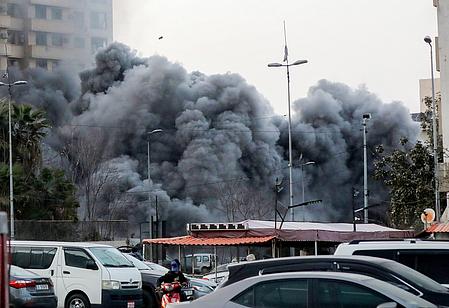
- World· MENA
US-Iran Ceasefire Allows Conditional Passage Through Strait of Hormuz
On April 8, 2026, the United States and Iran agreed to a conditional two-week ceasefire requiring safe passage through the Strait of Hormuz. This development follows a period of heightened tensions and maritime conflict, which had resulted in the strait being largely closed since early March, trapping over 800 vessels. The long-term implication may involve ongoing negotiations for stable maritime access, impacting global oil supply and regional security dynamics.
4 sourcesApr 9Moderate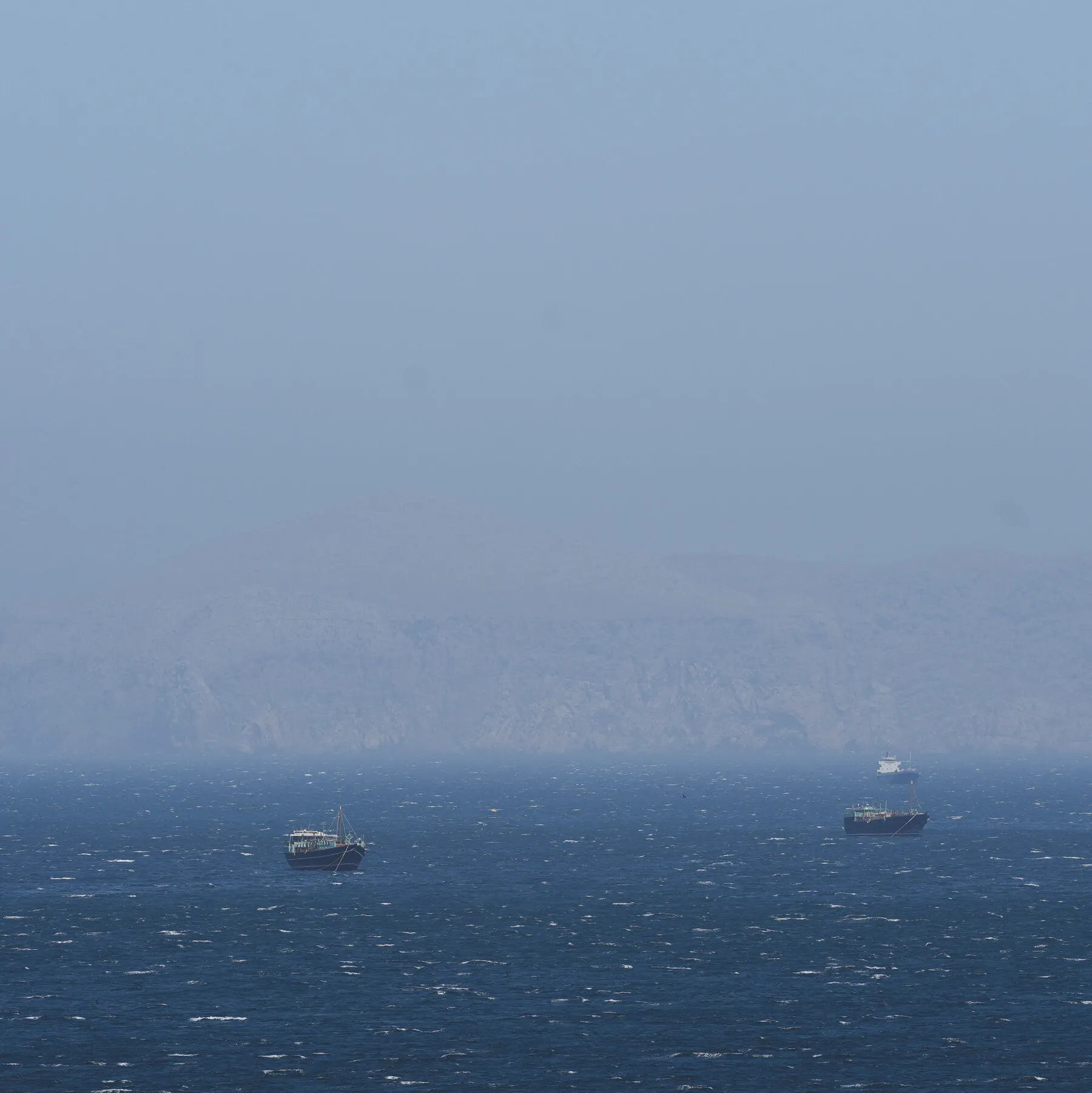
- Politics· MENA
Trump Orders Continued Military Presence Around Iran Until Ceasefire Compliance Is Met
On April 9, 2026, U.S. President Donald Trump announced that military assets would remain deployed around Iran until a ceasefire agreement is fully adhered to. This decision follows a fragile two-week ceasefire amid escalating tensions in the US-Iran war, triggered by Iranian nuclear advancements and the closure of the Strait of Hormuz. The long-term implication is a potential escalation of military engagement if compliance is not achieved, impacting regional stability and global oil markets.
5 sourcesApr 9High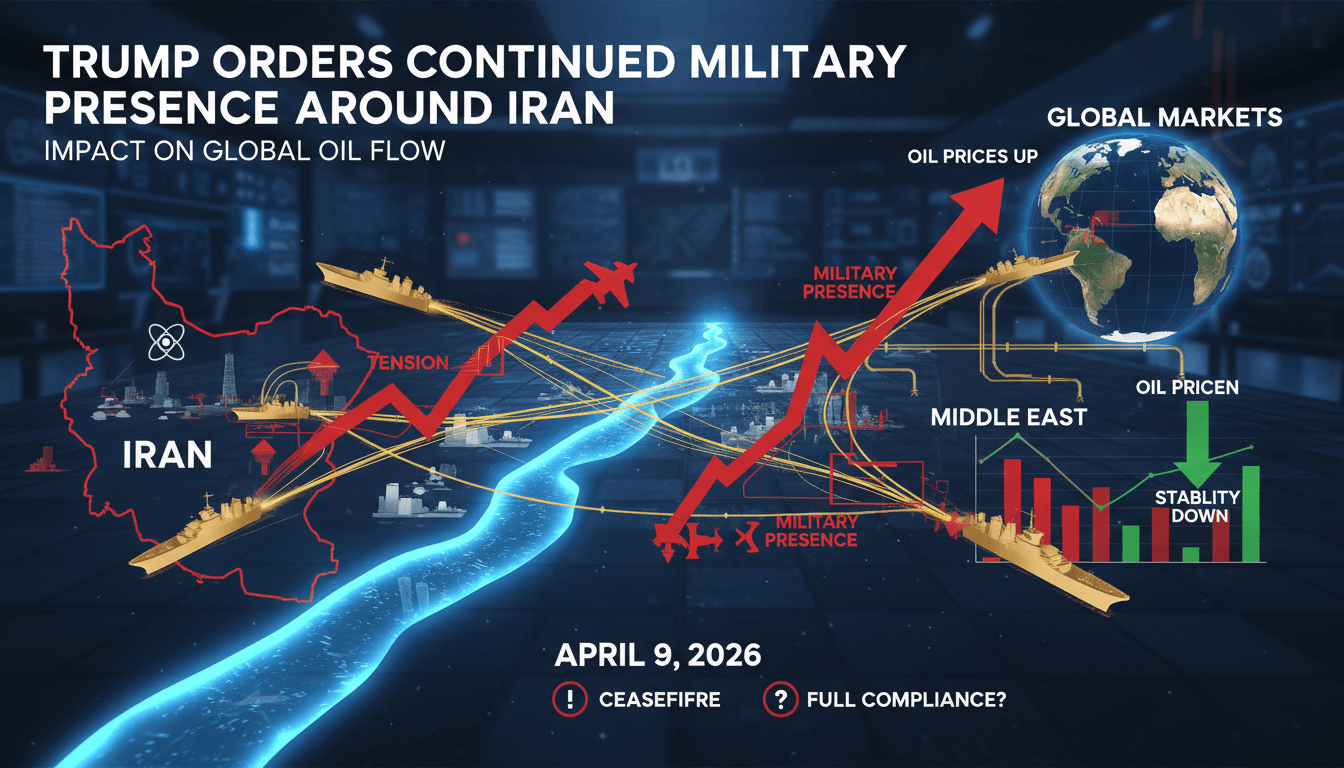
- Politics· MENA
Trump Confirms U.S. Military Presence in Iran Until Ceasefire Compliance is Met
U.S. President Donald Trump announced that American military assets will remain in and around Iran until the country fully complies with a ceasefire agreement. This decision follows a two-week truce amid escalating tensions from the ongoing Iran-U.S. conflict, which was triggered by Iranian nuclear developments and maritime access issues. The long-term implication suggests a continued U.S. military posture in the region, potentially leading to further confrontations if compliance is not achieved.
4 sourcesApr 9High
- Politics· MENA
Macron Calls for Lebanon's Inclusion in US-Iran Ceasefire for Credibility
French President Emmanuel Macron has declared that Lebanon must be included in the US-Iran ceasefire discussions to ensure its credibility and sustainability. This statement follows a deadly Israeli airstrike in Lebanon that killed 254 civilians, highlighting the urgent need for a comprehensive ceasefire amid ongoing conflicts. The long-term implication suggests that without addressing Lebanon's role, the ceasefire may remain fragile, potentially leading to further escalations in the region.
2 sourcesApr 9Low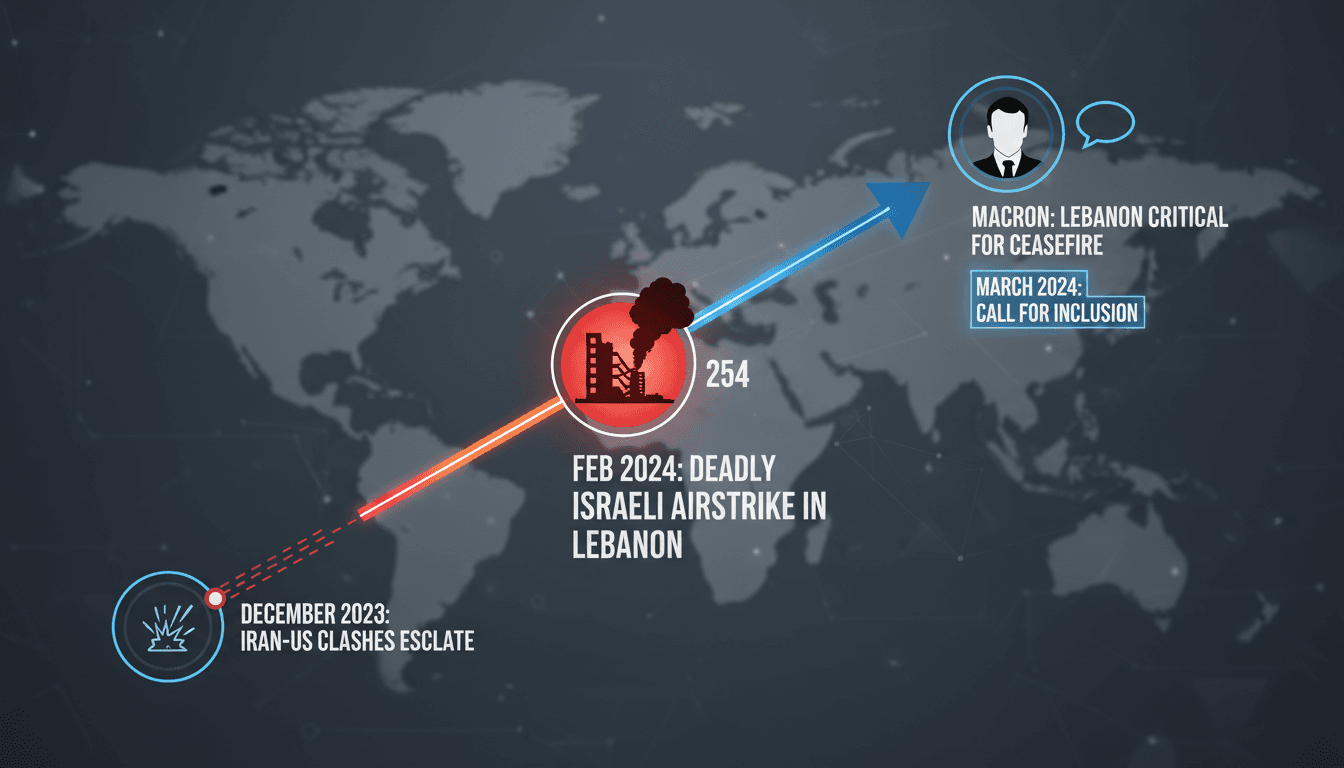
- Politics· MENA
Hezbollah Launches Rocket Attack on Israel Following Ceasefire Violation Claims
On 9 April 2026, Hezbollah launched a rocket barrage targeting the Israeli kibbutz of Manara in response to alleged Israeli violations of a US-Iran ceasefire agreement. The immediate trigger for this escalation was Israel's continued airstrikes in Lebanon, which resulted in significant civilian casualties just a day prior. This incident marks a potential shift in the regional conflict dynamics, as Hezbollah asserts its right to retaliate, raising concerns about further military confrontations in the area.
3 sourcesApr 9High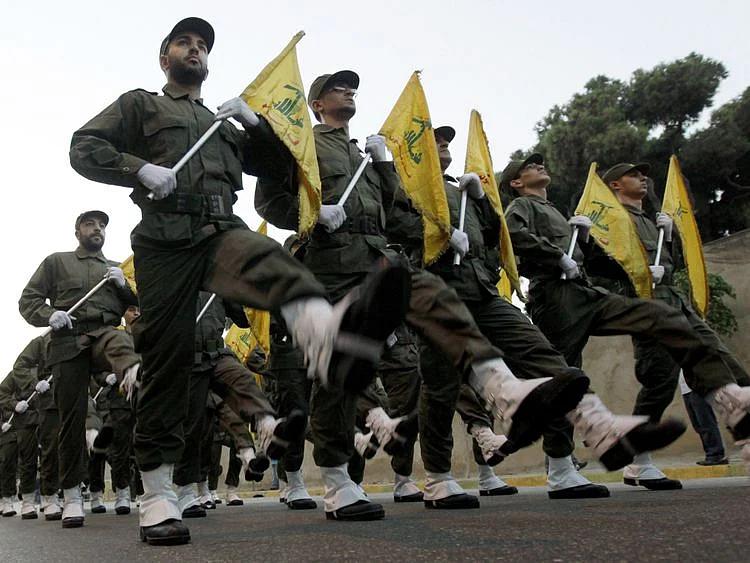
- World· MENA
Crude oil prices surge as fears mount over US-brokered Iran ceasefire collapse
Crude oil prices increased sharply while Asian stock markets fell due to escalating concerns regarding the stability of a recently announced US-brokered ceasefire with Iran. The immediate trigger for this market volatility was Israel's military actions in Lebanon and Iran's claims of ceasefire violations, leading to the re-closure of the vital Strait of Hormuz. Long-term implications suggest heightened geopolitical tensions and potential disruptions in global oil supply, prompting further diplomatic efforts from the US to stabilize the situation.
4 sourcesApr 9High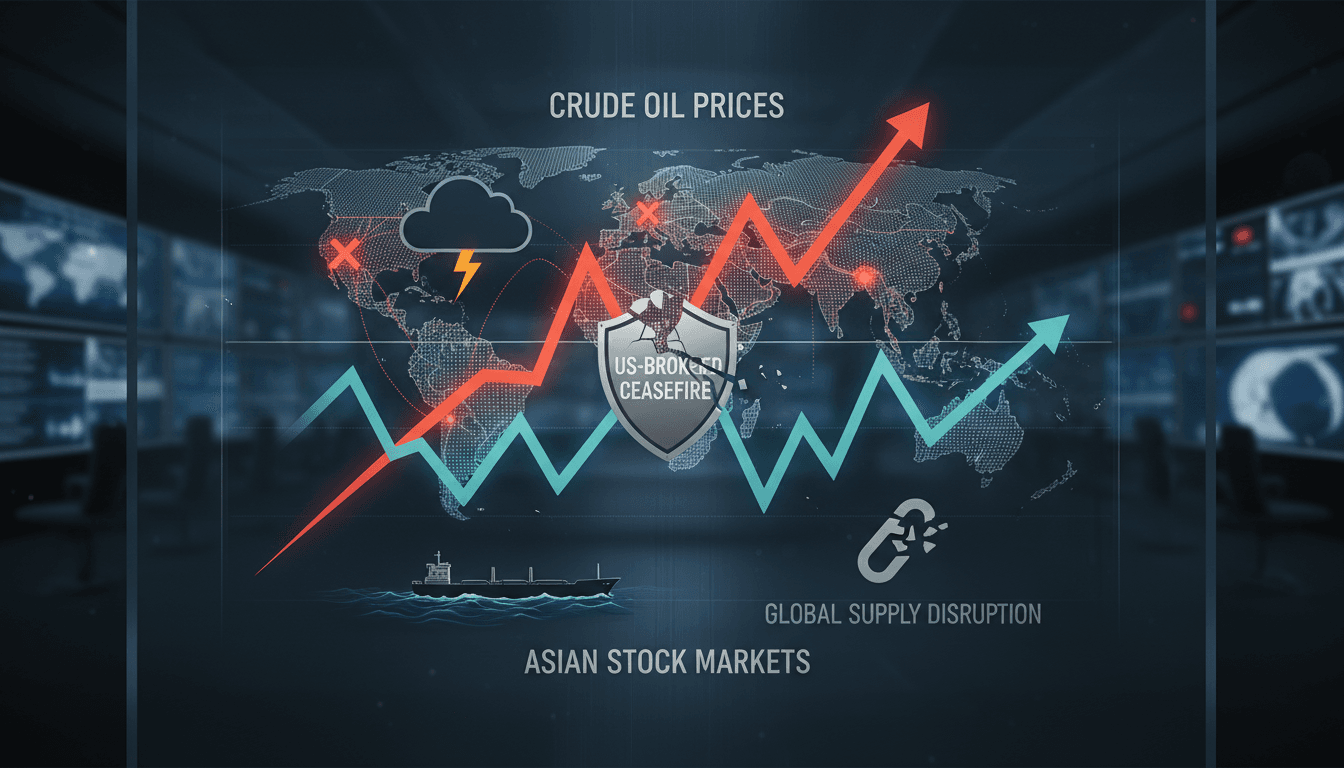
- World· MENA
Israeli Airstrikes in Lebanon Result in 254 Deaths Amid US-Iran Ceasefire Tensions
On April 8, 2026, Israeli airstrikes on Lebanon killed at least 254 people, marking the heaviest bombardment since Hezbollah's involvement in the conflict. The strikes occurred as tensions escalated over a fragile US-Iran ceasefire that excluded Lebanon, prompting Hezbollah to retaliate with rocket fire into northern Israel. This incident is likely to exacerbate regional instability and could lead to further military confrontations involving Iran and its allies.
3 sourcesApr 9Very High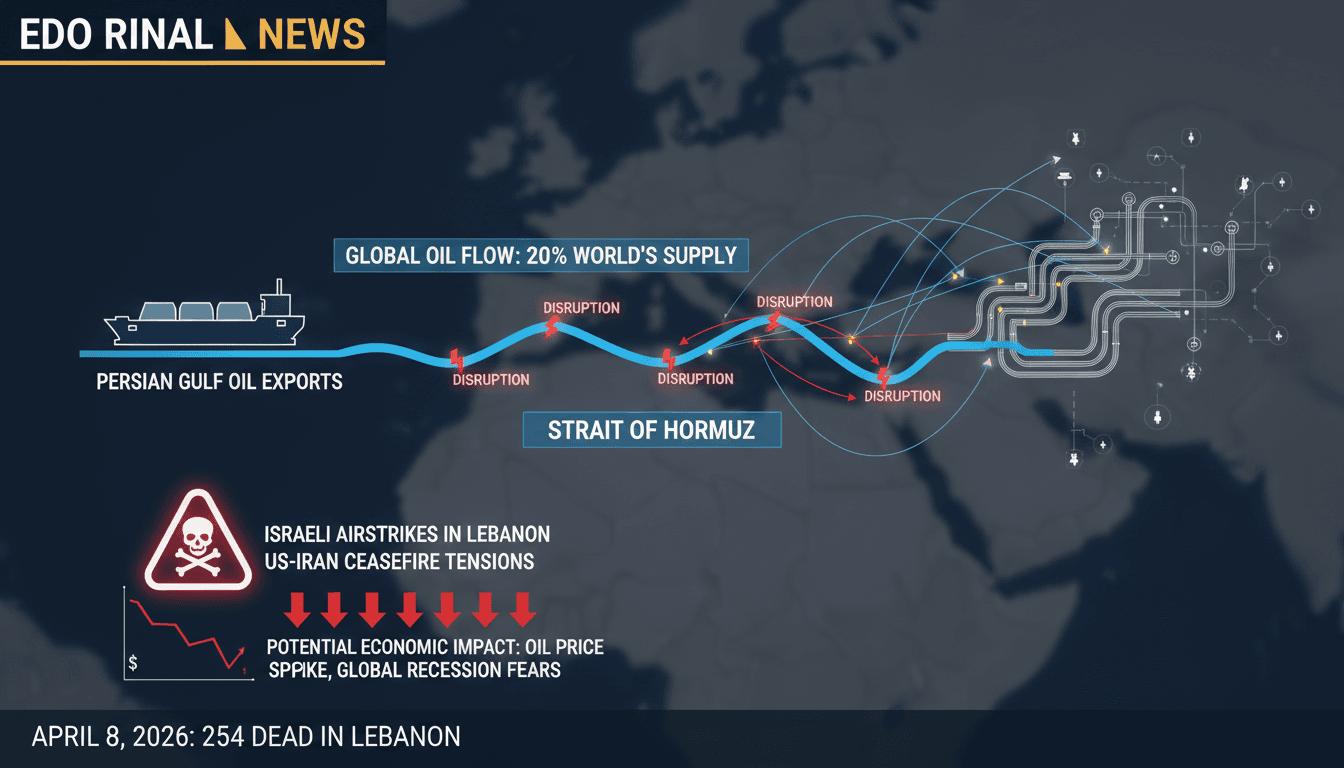
- Politics· World
Trump Critiques NATO Support Amid Ongoing Iran War Tensions
On April 8, 2026, President Donald Trump publicly criticized NATO for its insufficient support during the recent Iran war following a meeting with NATO Secretary General Mark Rutte. This criticism stems from Trump's dissatisfaction with NATO allies' limited involvement in Operation Epic Fury and the closure of the Strait of Hormuz. The long-term implication may involve a reevaluation of U.S. commitments to NATO, potentially leading to increased tensions within the alliance and a shift in transatlantic relations.
3 sourcesApr 9Moderate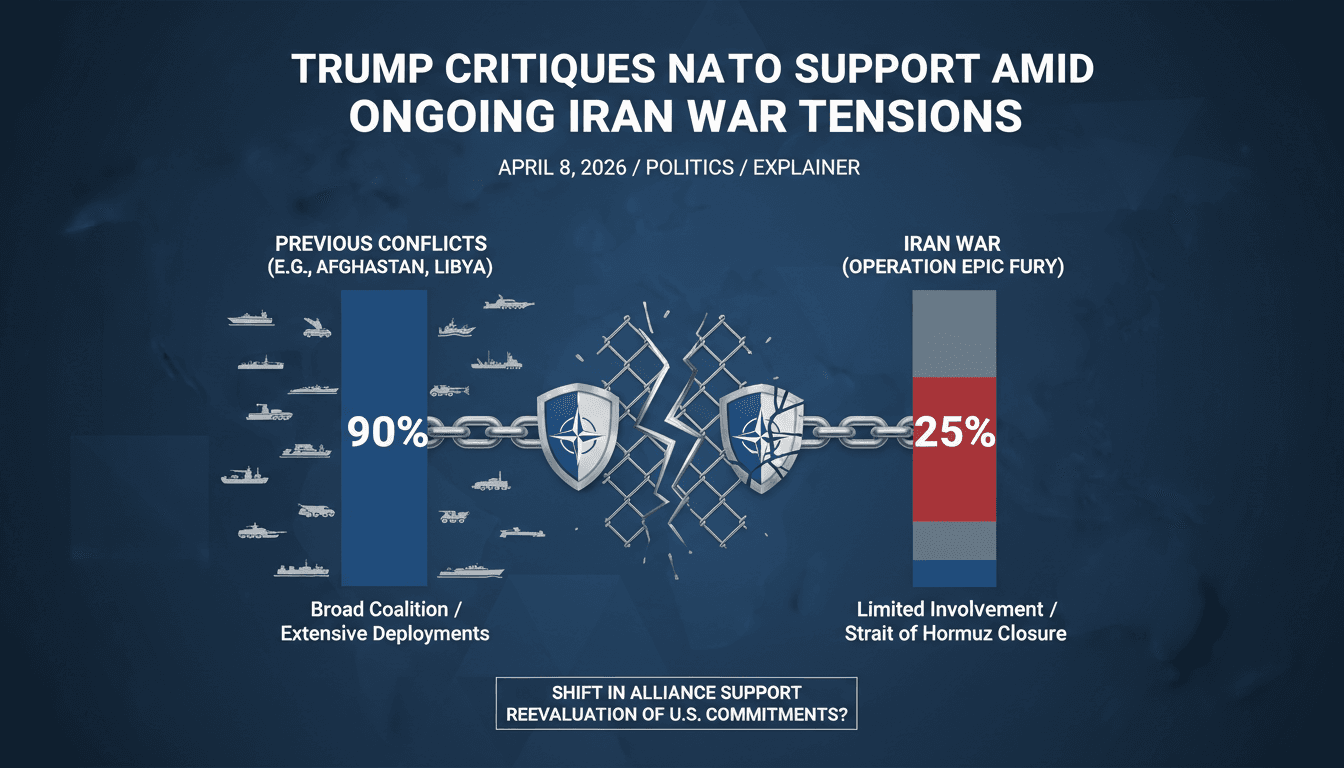
- Politics· World
Trump Criticizes NATO for Lack of Support in Iran Conflict
U.S. President Donald Trump publicly rebuked NATO for its failure to assist the U.S. during the ongoing conflict with Iran. This criticism follows a meeting with NATO Secretary-General Mark Rutte and comes amid tense ceasefire negotiations and regional instability. The long-term implication may include a potential U.S. withdrawal from NATO if support does not improve, impacting global alliances and security dynamics.
2 sourcesApr 9High
- Politics· MENA
US and Iran Announce Fragile Two-Week Ceasefire Amid Ongoing Regional Attacks
On April 8, 2026, the United States and Iran declared a provisional two-week ceasefire mediated by Pakistan, contingent upon Iran reopening the Strait of Hormuz and ceasing attacks. This announcement follows a month-long conflict initiated by US-Israeli airstrikes on Iranian targets, with both sides interpreting the ceasefire terms differently, leading to continued hostilities. The long-term implication may involve escalating tensions in the region, as Gulf states react to ongoing Iranian missile strikes and the potential for further military engagements.
3 sourcesApr 9Very High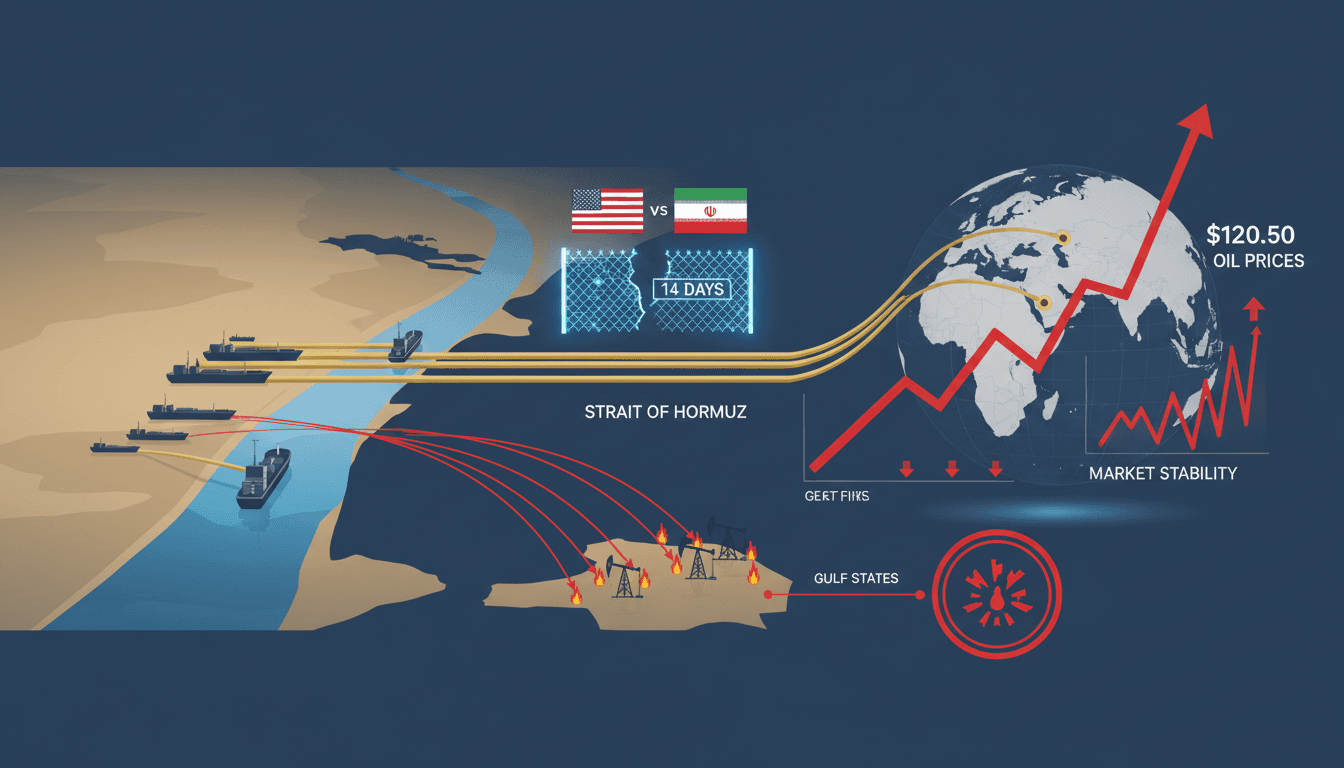
- Politics· World
U.S. Court of Appeals Denies Anthropic's Motion Against DoD Supply Chain Risk Designation
On April 8, 2026, the U.S. Court of Appeals for the D.C. Circuit denied Anthropic PBC's emergency motion for a stay on the Department of Defense's supply chain risk designation. This ruling follows a failed $200 million contract negotiation and reflects ongoing national security concerns amid military conflict. The long-term implication may involve increased scrutiny and regulation of AI technologies in defense applications, potentially reshaping the landscape for tech firms engaging with government contracts.
3 sourcesApr 9Low
- World· MENA
United States and Iran Agree to Two-Week Ceasefire Amid Escalating Tensions
A two-week ceasefire agreement between the United States and Iran was announced on April 8, 2026. The pact, facilitated by mediators Pakistan, Egypt, and Turkey, comes in response to escalating military operations that began on February 28, 2026, leading to significant disruptions in global shipping through the Strait of Hormuz. If successful, this ceasefire could pave the way for renewed diplomatic efforts addressing nuclear and regional issues, potentially stabilizing the Middle East's geopolitical landscape.
3 sourcesApr 9High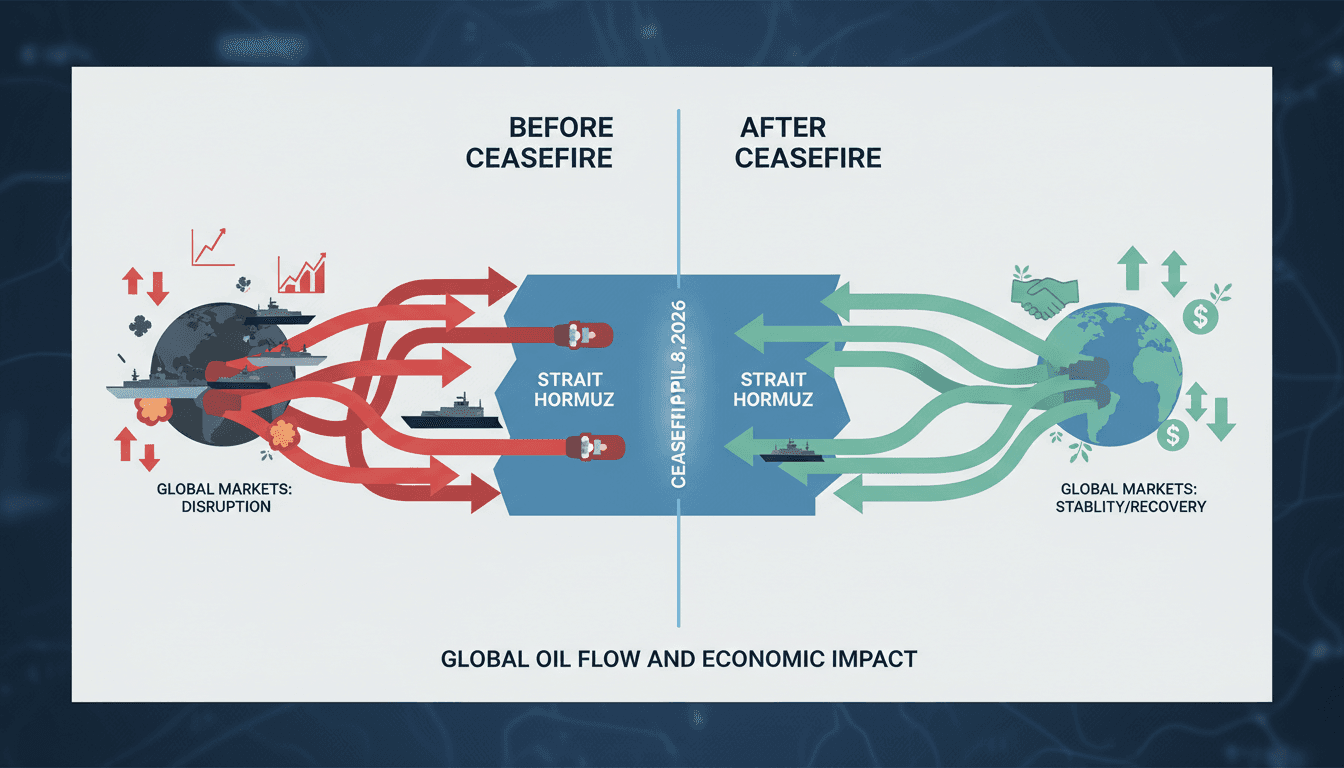
- Politics· UAE
Abu Dhabi Police Arrest 375 for Filming Sensitive Sites Amid Iranian Strikes
Abu Dhabi Police have arrested 375 individuals for filming sensitive locations and spreading misinformation related to Iranian missile attacks on the UAE. This action follows ongoing security threats and previous warnings issued to the public regarding such activities. The long-term implication is a likely increase in stringent monitoring and enforcement of laws against misinformation and unauthorized filming in the region.
4 sourcesApr 9Low
- Politics· UAE
UAE Claims Victory in Defensive War Amid US-Iran Ceasefire Announcement
On April 8, 2026, Anwar Gargash, diplomatic adviser to the UAE President, declared the United Arab Emirates triumphed in a war it sought to avoid. This assessment followed a US-Iran two-week ceasefire announcement amid the 2026 Iran war, where Iran targeted UAE infrastructure with thousands of drones and missiles. The long-term implication suggests that the UAE will likely enhance its regional influence while demanding clarity on the ceasefire terms and Iranian commitments to halt attacks.
3 sourcesApr 9Low
- Politics· UAE
UAE Air Defenses Successfully Intercept Iranian Missile and Drone Attacks
On April 8, 2026, UAE air defenses intercepted 17 ballistic missiles and 35 drones launched from Iran, neutralizing all threats with minor injuries reported from debris. This escalation follows a series of Iranian strikes on the UAE since February 28, 2026, in retaliation for US-Israeli actions, coinciding with a recent US-Iran ceasefire announcement. The long-term implication suggests heightened military readiness in the UAE and potential shifts in regional security dynamics as tensions continue to escalate.
4 sourcesApr 9High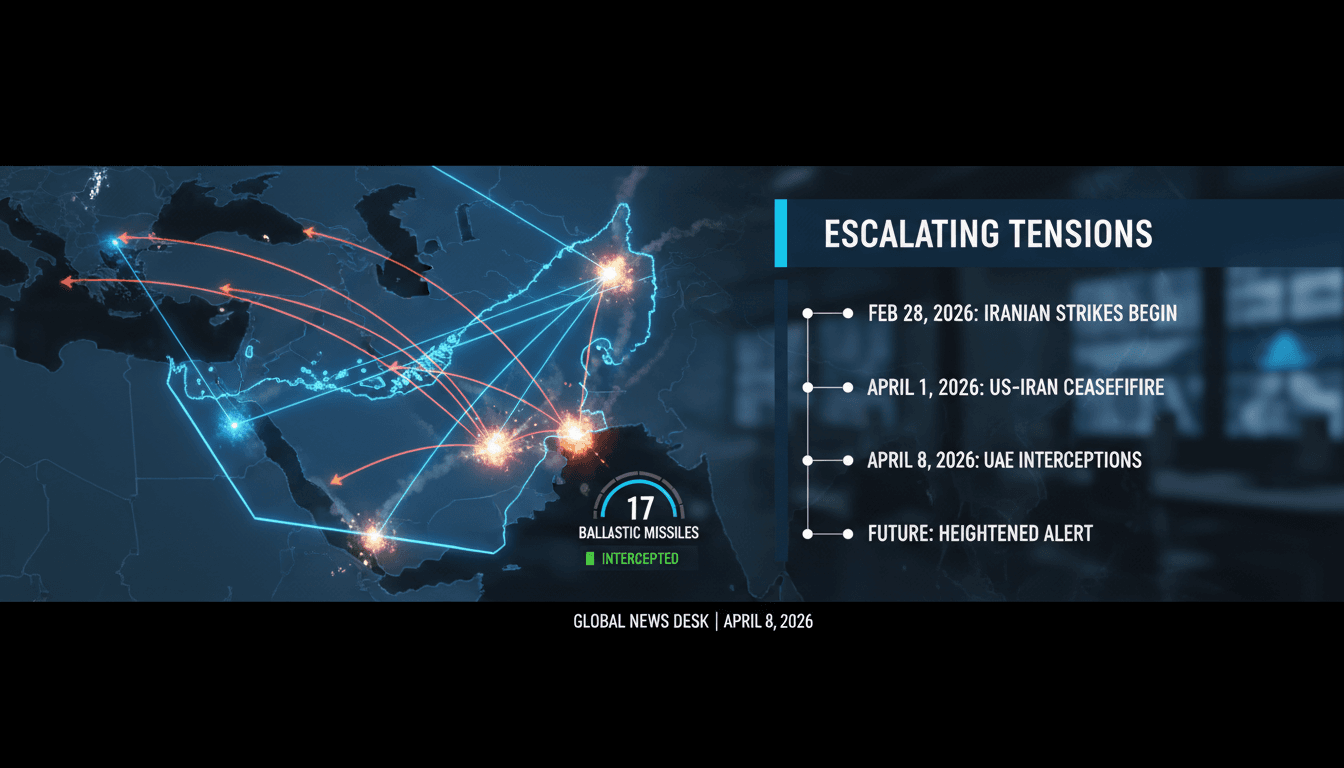
- Politics· UAE
Falling Debris from Air Defense Interception Injures Three Workers at Abu Dhabi's Habshan Gas Complex
On April 8, 2026, falling debris from a successful UAE air defense interception struck the Habshan gas complex in Abu Dhabi, injuring three workers and igniting multiple fires. This incident occurred amid ongoing Iranian missile and drone threats targeting Gulf states, despite a newly announced US-Iran two-week ceasefire. The long-term implication may involve heightened security measures at critical infrastructure sites in the UAE as tensions in the region persist.
4 sourcesApr 9Low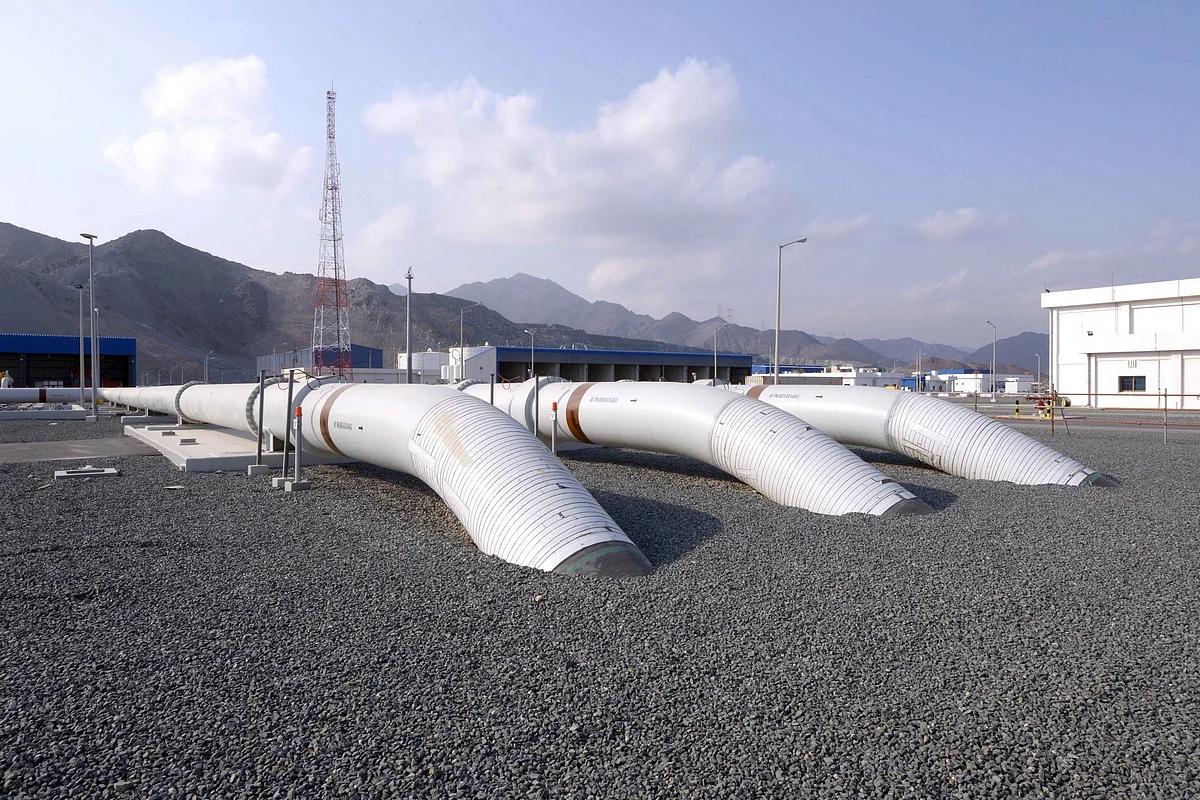
- Politics· World
Trump Announces Two-Week Ceasefire on Iran Conditional on Strait of Hormuz Reopening
On April 7, 2026, U.S. President Donald Trump declared a two-week suspension of military strikes on Iran, contingent upon the reopening of the Strait of Hormuz. This decision follows a five-week escalation of conflict after U.S.-Israeli airstrikes killed Iran's Supreme Leader, prompting Iran to blockade the strait. The long-term implication may involve renewed negotiations for peace and stability in the region, impacting global oil supply and geopolitical dynamics.
4 sourcesApr 9High