
Bio
Andre is co-founder at A47 News. He is responsible for editorial standards and news curation, and shares commentary on AI, general technology, and global politics.
Editorial Responsibility
As Editor, I am responsible for all editorial standards, news sourcing, research, and content production.
Previous experience · 15+ years
- · Co-founder at Tiki
- · Operations Director at Rocket Internet
Education
BA Economics, University of Waikato
Areas of expertise
Categories overseen
Stories from Andre Teow’s desk
20343 stories- Politics· MENA
Saudi Crown Prince and French President Discuss Regional Tensions Amid Iranian Threats
On March 23, 2026, Saudi Crown Prince Mohammed bin Salman received a phone call from French President Emmanuel Macron to discuss escalating regional tensions. The conversation was triggered by repeated Iranian attacks on Saudi Arabia, prompting France to reaffirm its support for Saudi security measures. This diplomatic engagement signals a potential strengthening of Saudi-French relations and a united front against Iranian aggression in the region.
6 sourcesMar 24Low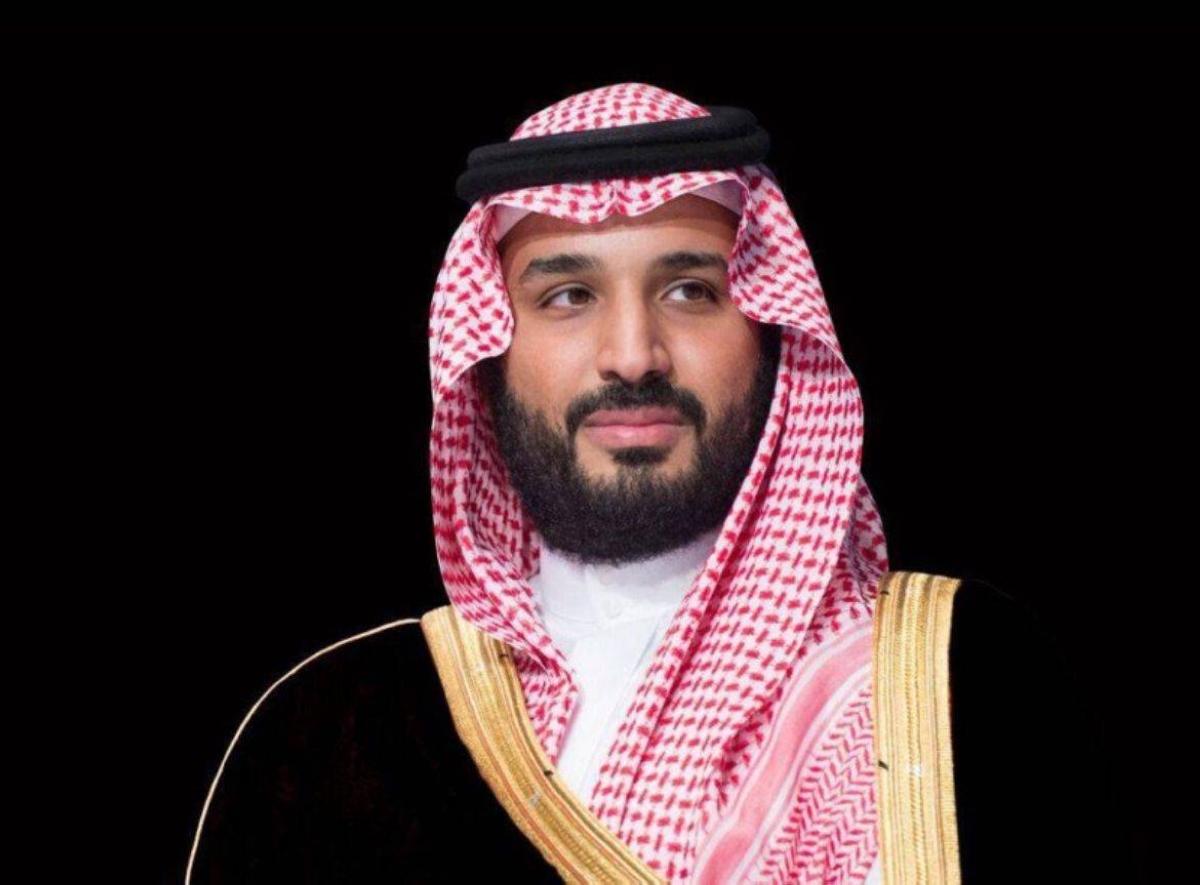
- Politics· MENA
Saudi Arabia Intercepts 11 Drones and 3 Ballistic Missiles Amid Escalating Regional Tensions
On March 22, 2026, Saudi Arabian air defenses intercepted and destroyed 11 hostile drones and neutralized three ballistic missiles targeting the Riyadh region. This military response comes during a period of heightened Iranian attacks on Gulf states, coinciding with the ongoing American-Israeli conflict with Iran. The long-term implication may involve increased regional military coordination among Gulf Cooperation Council (GCC) nations to bolster collective defense strategies.
15 sourcesMar 24Low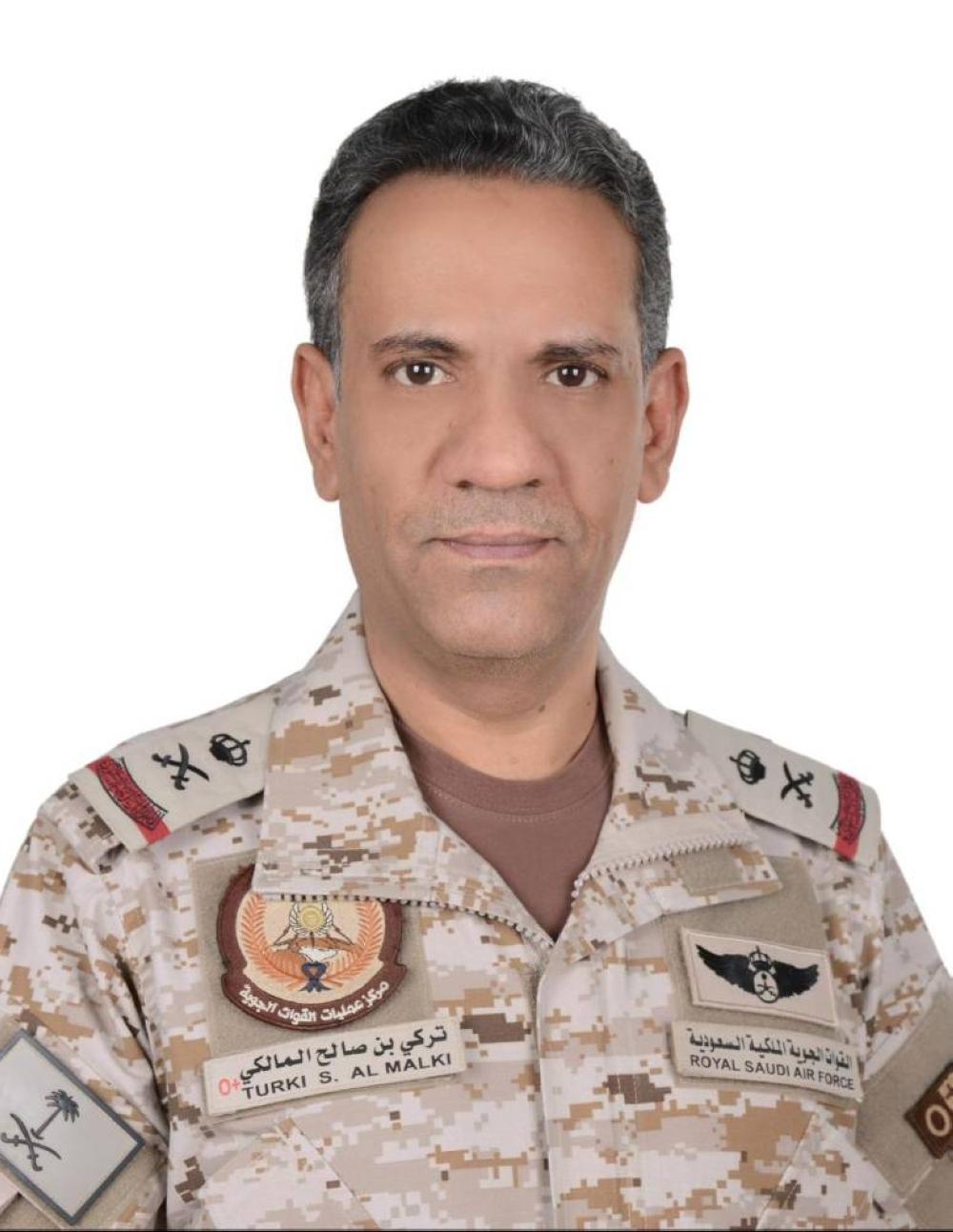
- Tech· MENA
OpenClaw AI Agent Rapidly Adopted in China Amid Western Restrictions
Tencent's integration of the OpenClaw AI agent into WeChat has provided autonomous task automation to over 1.3 billion users, marking a significant shift in AI technology adoption in China. This rapid adoption follows security-related restrictions imposed by Google and Meta on similar technologies in the West, highlighting contrasting regulatory environments. The long-term implication is a potential acceleration of AI integration in China's economy, driven by local tech giants and government support despite emerging security guidelines.
3 sourcesMar 24High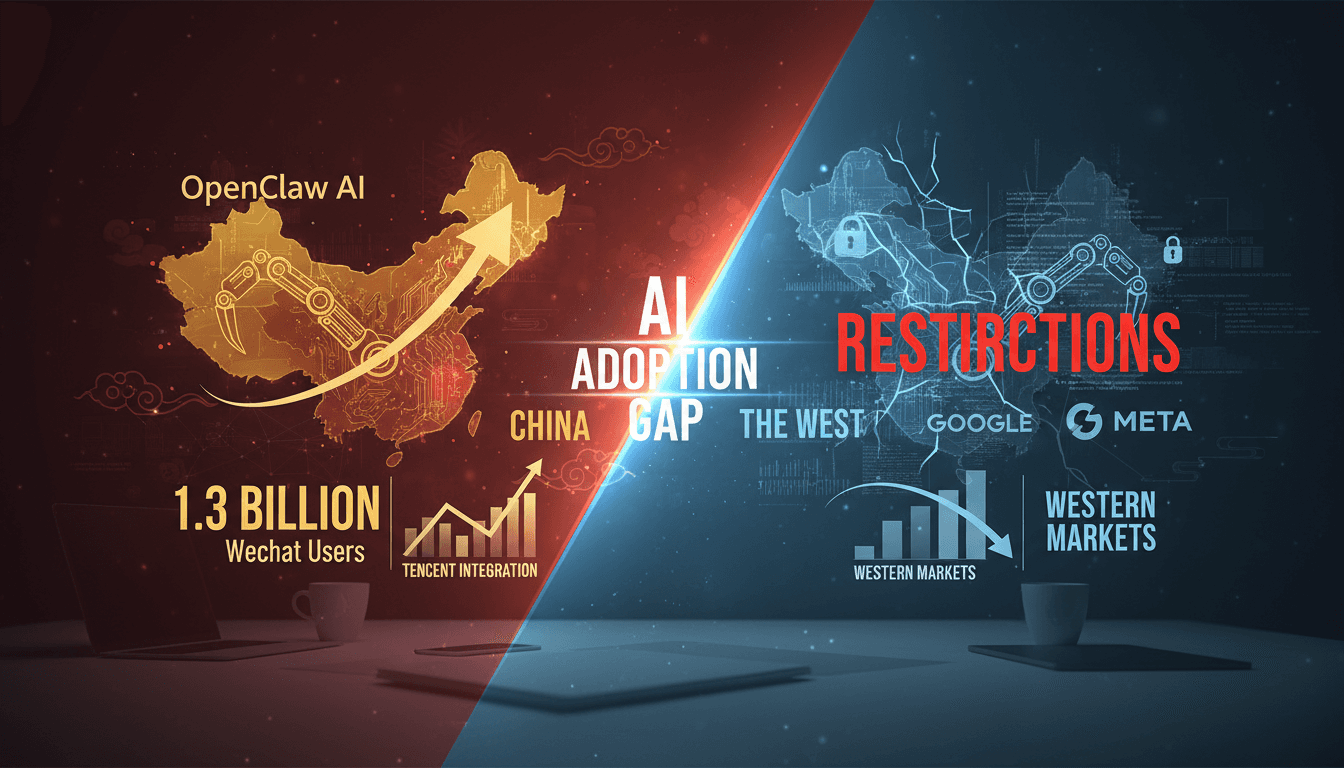
- Politics· MENA
Saudi Arabia Expels Iranian Military Attaché and Embassy Staff Amid Rising Tensions
Saudi Arabia has declared Iran's military attaché and four embassy staff persona non grata, ordering their departure within 24 hours due to ongoing Iranian missile and drone attacks. This diplomatic expulsion is a direct response to heightened hostilities following the US-Israeli war on Iran that began on February 28, 2026, which has seen Iran retaliate against Gulf states. The long-term implication may involve further deterioration of Saudi-Iranian relations and increased military readiness in the region as Gulf states brace for potential escalations in conflict.
4 sourcesMar 24Low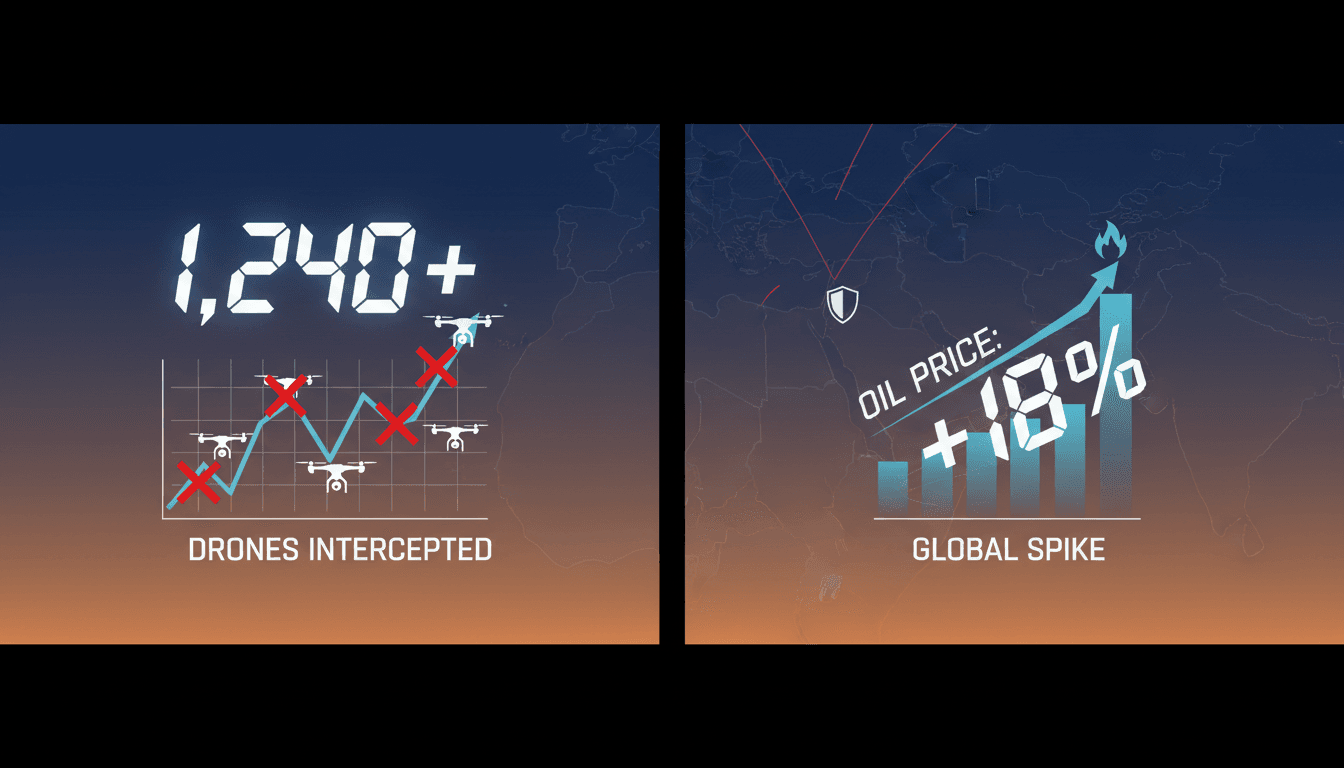
- Politics· MENA
Iranian Missiles Strike Israeli Towns Arad and Dimona in Retaliation for US-Israeli Attack
On March 21, 2026, Iranian ballistic missiles directly hit the Israeli towns of Arad and Dimona, injuring approximately 180 people. This escalation follows a US-Israeli airstrike on Iran's Natanz nuclear facility earlier that day, which Iran claims violated non-proliferation treaties. The long-term implication is a likely intensification of military operations in the region, with potential for further retaliatory strikes from Iran and increased Israeli defense measures.
5 sourcesMar 24High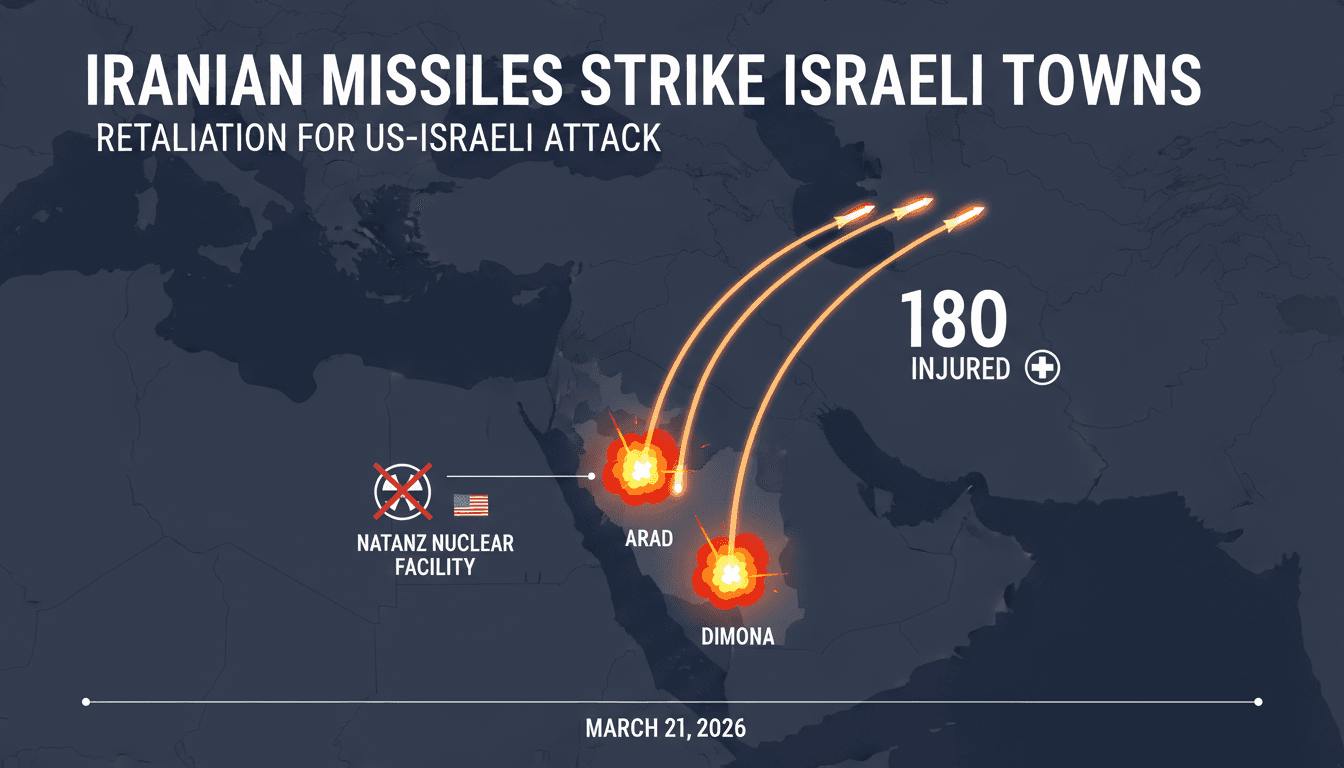
- Politics· MENA
Iranian Supreme Leader Khamenei and Key Officials Killed in US-Israeli Strikes
On February 28, 2026, Supreme Leader Ayatollah Ali Khamenei and several top Iranian officials were killed in US-Israeli airstrikes, marking a significant escalation in the ongoing conflict. The immediate trigger for this event was the preemptive military action aimed at disrupting Iran's leadership amid rising tensions in the region. In the long term, this leadership vacuum may lead to increased instability within Iran and a potential shift in regional power dynamics as the IRGC and surviving politicians navigate the crisis.
3 sourcesMar 24Low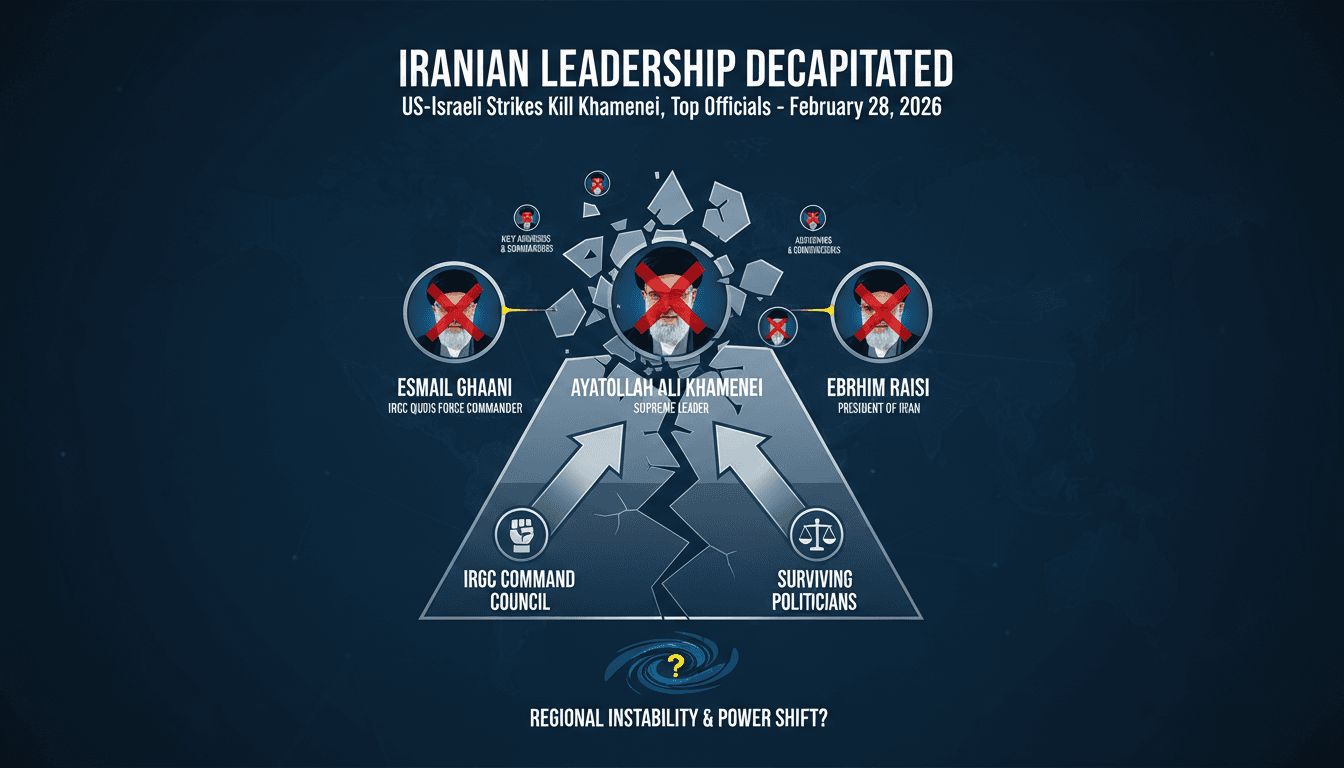
- Politics· MENA
Trump and Starmer Coordinate to Reopen Strait of Hormuz Amid Ongoing Conflict
U.S. President Donald Trump and UK Prime Minister Keir Starmer have agreed on an urgent plan to reopen the Strait of Hormuz, which has been effectively blocked by Iran since late February 2026. This diplomatic effort follows Trump's 48-hour ultimatum to Iran, threatening military action if the strait remains closed, highlighting the critical nature of the situation for global energy markets. The long-term implication could involve increased military presence in the region and potential escalations in the ongoing US-Israel-Iran conflict, impacting global oil supply and prices.
3 sourcesMar 24Moderate
- Politics· MENA
Iran Threatens Desalination Infrastructure Amid Escalating US-Israel Conflict
Iran's Khatam Al-Anbiya military command has issued threats to target desalination plants and other critical infrastructure in the Persian Gulf region in response to recent US and Israeli military actions. This escalation follows a series of retaliatory strikes that have heightened tensions and fears of water supply disruptions in a region heavily reliant on desalination. The long-term implications may include increased military engagements and humanitarian crises as water scarcity becomes a focal point of the ongoing conflict.
4 sourcesMar 24High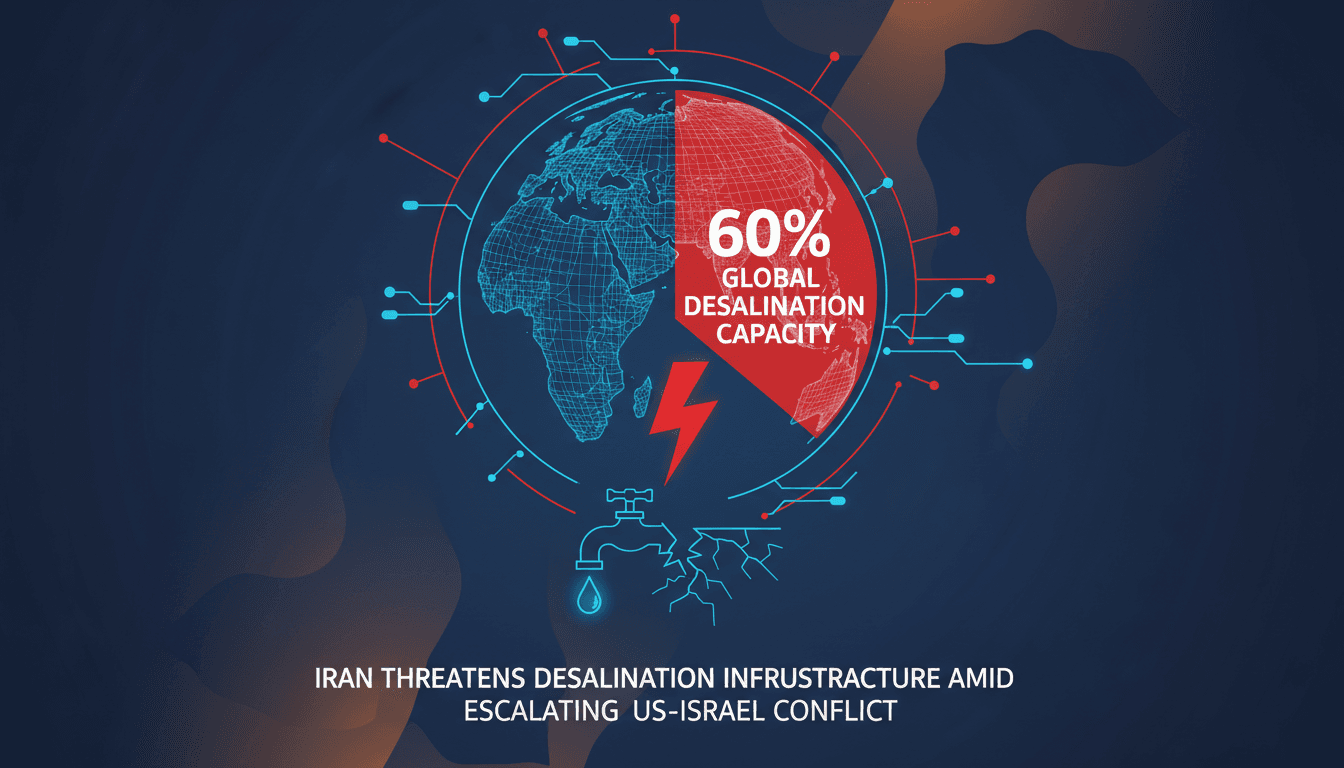
- Politics· MENA
Israeli Airstrikes Destroy Five Bridges in Southern Lebanon Amid Escalating Conflict
Israeli airstrikes have destroyed five out of six major bridges over the Litani River in southern Lebanon as part of a military campaign against Hezbollah. This escalation follows recent rocket fire from Hezbollah into Israel and is aimed at disrupting the group's movement and supply lines. The ongoing destruction of infrastructure is likely to exacerbate humanitarian crises and could lead to further military operations in the region.
4 sourcesMar 24Moderate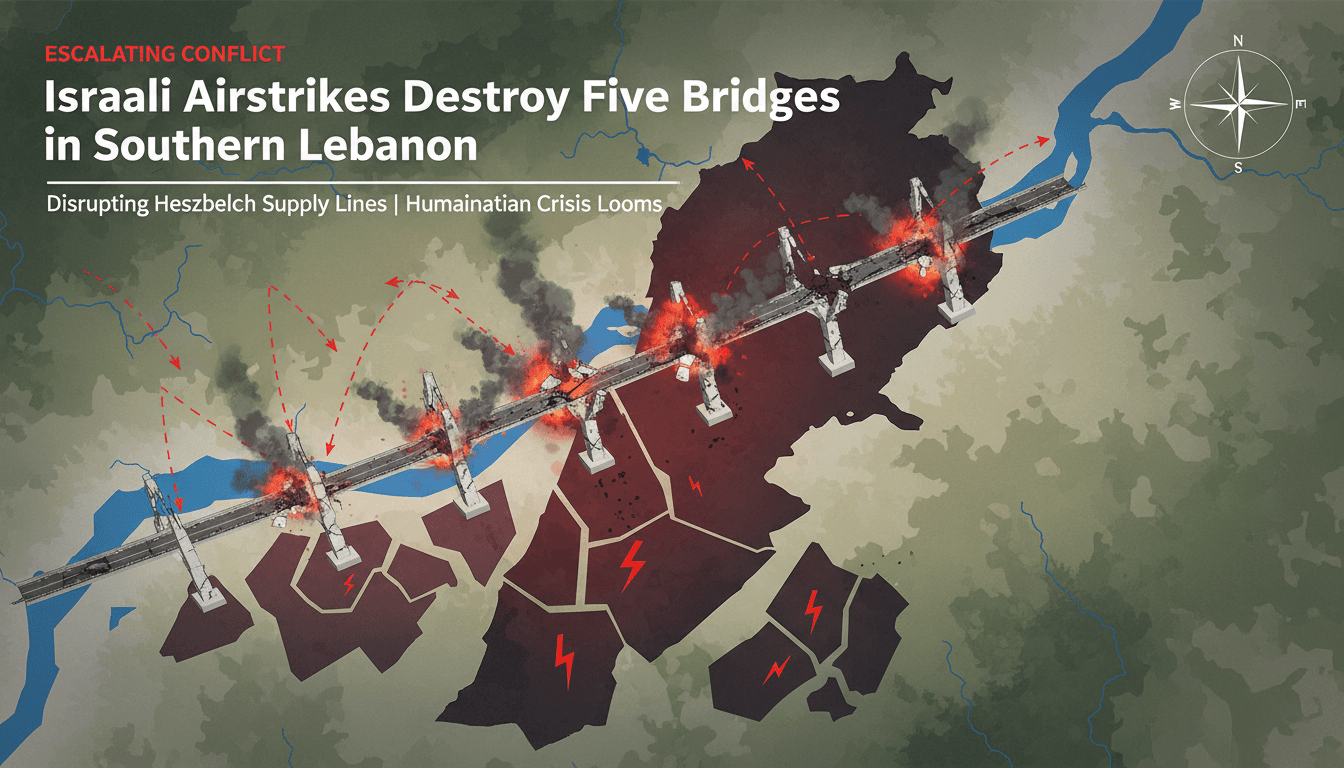
- Politics· MENA
Israeli Airstrike Targets Hezbollah Infrastructure in Southern Lebanon
On March 23, 2026, the Israeli Defense Forces executed an airstrike that destroyed a bridge over the Litani River in Qaaqaaiyet al-Jisr, aimed at disrupting Hezbollah's logistical capabilities. This escalation follows a series of attacks initiated by Hezbollah in response to the killing of Iran's Supreme Leader, prompting Israel to intensify its military operations. The long-term implication may lead to a broader ground invasion and further destabilization in the region, exacerbating humanitarian crises and geopolitical tensions.
4 sourcesMar 24High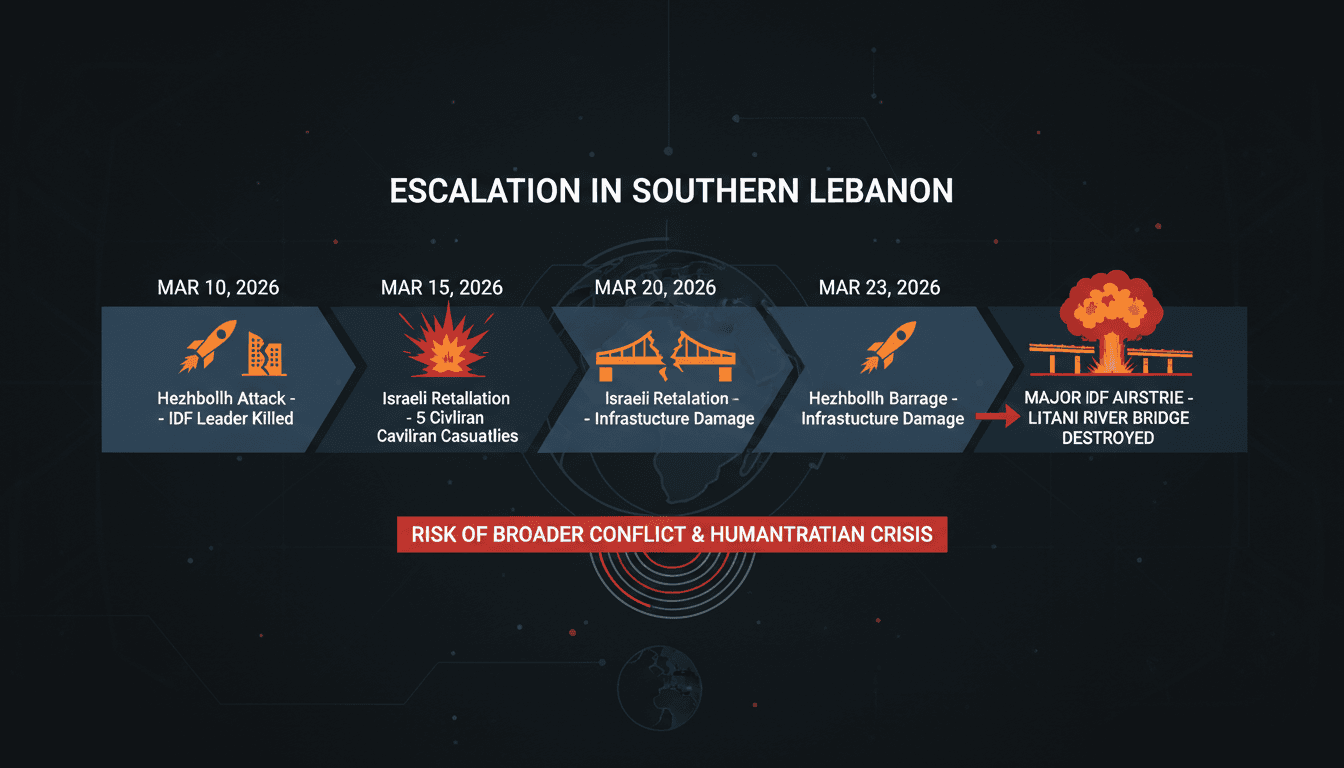
- Politics· MENA
Israeli Finance Minister Proposes Annexation of Southern Lebanon Amid Military Escalation
Israeli Finance Minister Bezalel Smotrich has called for the annexation of southern Lebanon, proposing the Litani River as the new border during a radio interview. This statement comes as Israeli military operations against Hezbollah intensify, following a series of rocket attacks amid the ongoing US-Israel war on Iran. The long-term implication may involve a significant shift in regional borders and increased tensions between Israel and Lebanon, potentially leading to further conflict.
3 sourcesMar 24Moderate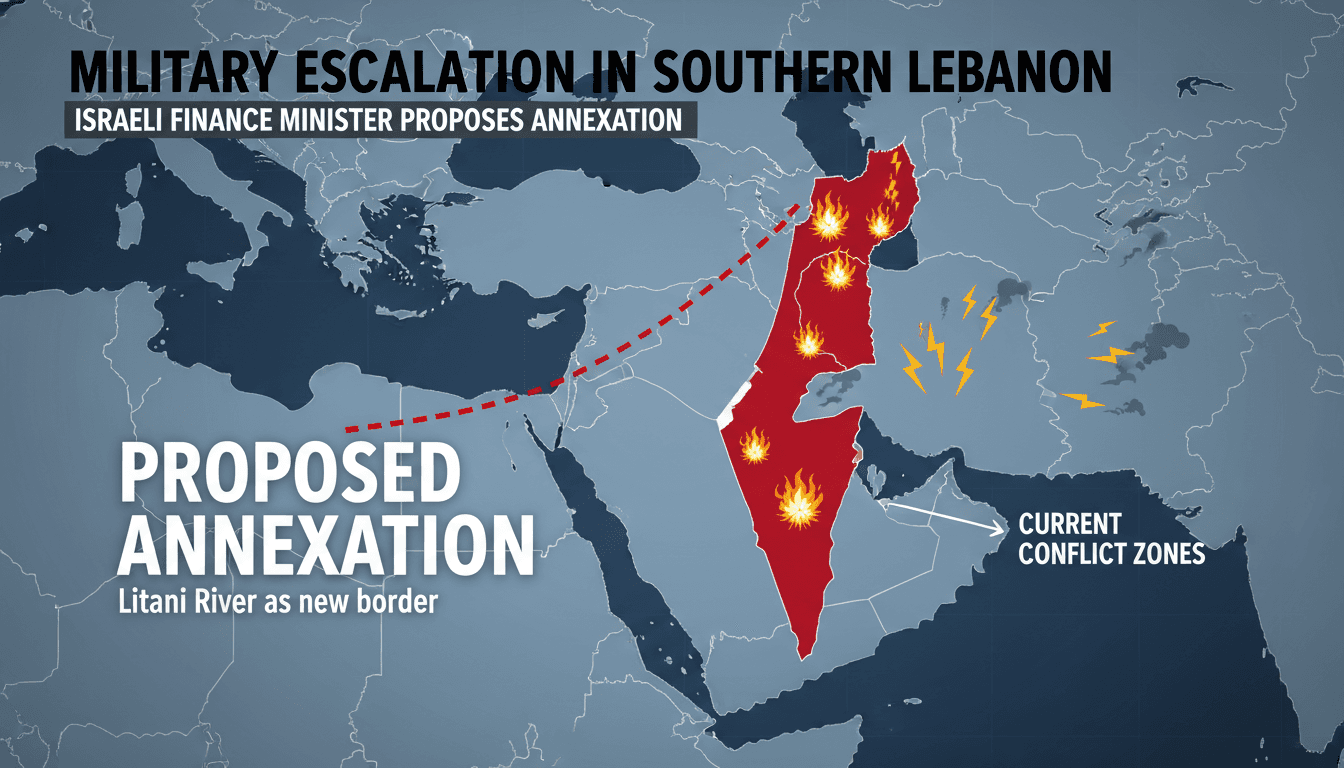
- Politics· MENA
Trump Considers Military De-escalation in Iran Amid Ongoing Conflict and Threats to Global Tourism
On March 20, 2026, U.S. President Donald Trump indicated a potential winding down of military operations in the Middle East. This shift comes as the U.S. reinforces its troop presence in the region amidst escalating Iranian threats to global tourist sites and ongoing military exchanges. The long-term implication may involve a reevaluation of U.S. military strategy in the region and potential negotiations with Iran to stabilize the situation.
5 sourcesMar 24High
- Politics· MENA
Iranian Missiles Strike Israeli Towns Amid Ongoing Conflict
On March 21, 2026, Iranian ballistic missiles successfully penetrated Israeli air defenses, striking the towns of Arad and Dimona and injuring over 180 civilians. This escalation follows a series of U.S.-Israeli airstrikes on Iranian military sites, indicating a significant shift in the conflict dynamics. The long-term implication may involve intensified military responses from Israel and further destabilization in the region.
5 sourcesMar 24Very High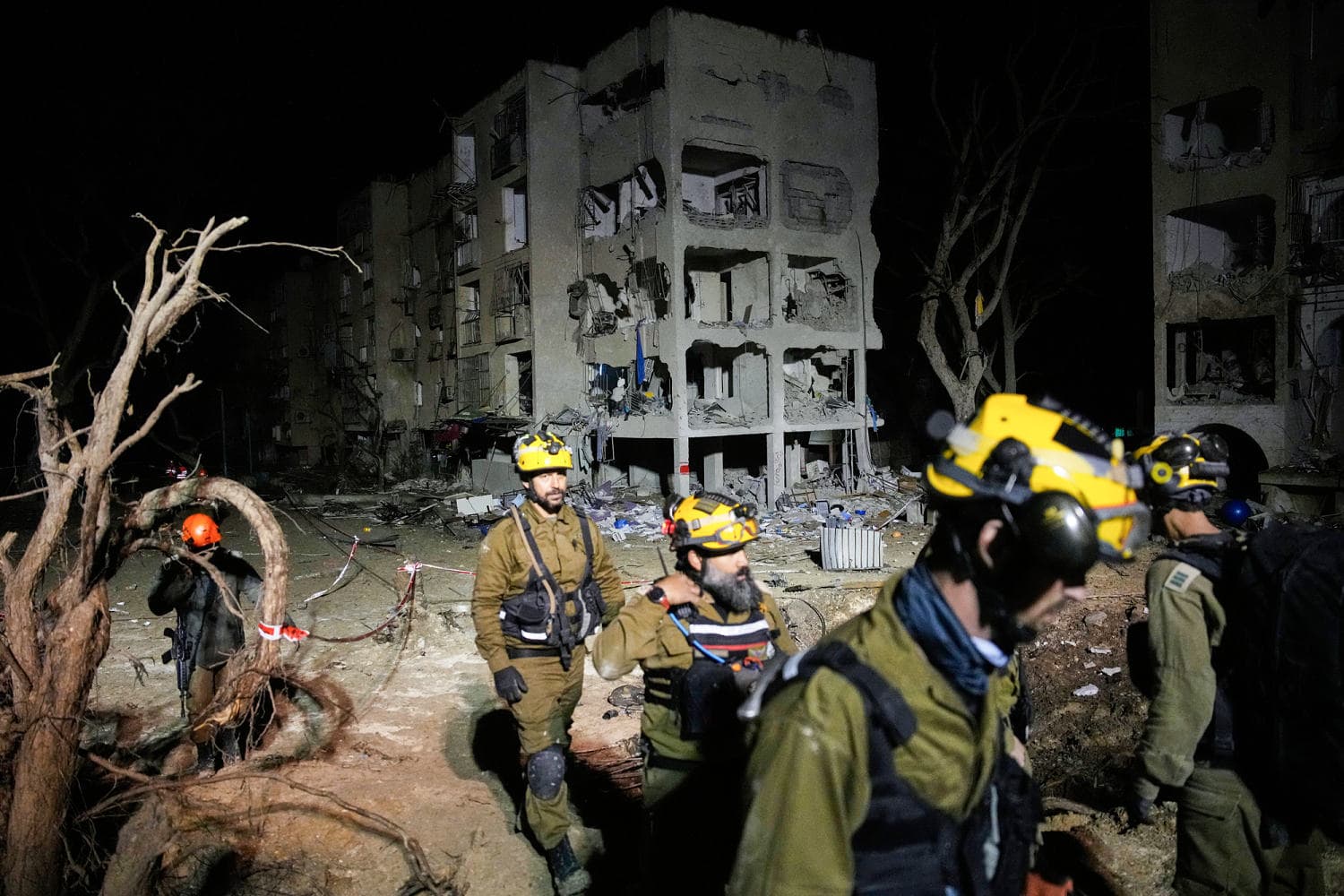
- Politics· MENA
U.S. Issues Ultimatum to Iran Over Strait of Hormuz Amid Escalating Conflict
On March 21, 2026, U.S. President Donald Trump threatened to target Iran's power plants unless the Strait of Hormuz is fully reopened within 48 hours. This ultimatum follows Iran's partial closure of the strait, a critical passage for global oil, amid ongoing hostilities in the U.S.-Israel-Iran conflict. The situation raises concerns about long-term regional stability and potential economic disruptions, particularly in oil markets and Gulf infrastructure.
5 sourcesMar 24High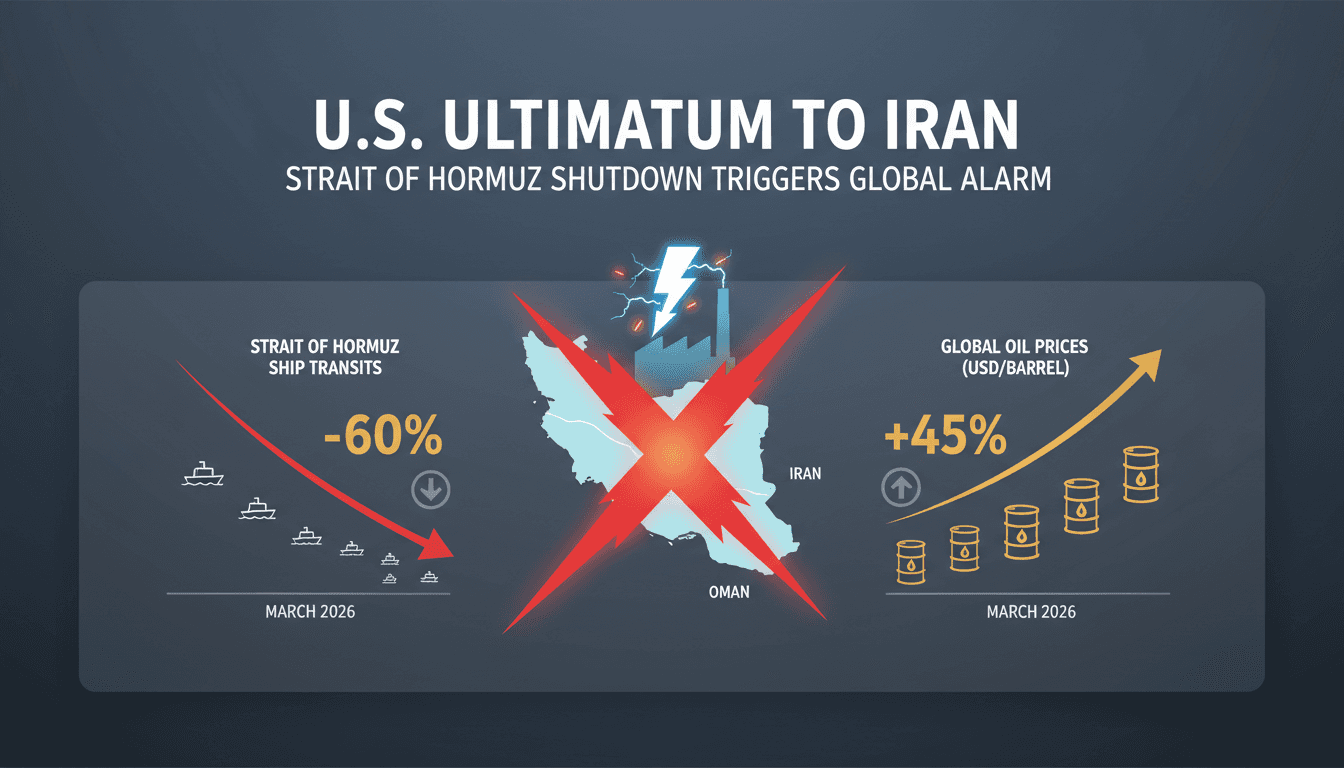
- Politics· MENA
Iran Denies U.S. Claims of Negotiations Amid Escalating Conflict
On March 23, 2026, Iranian officials rejected U.S. President Donald Trump's claims of productive negotiations to resolve the ongoing US-Israeli war against Iran. The immediate trigger for this denial was Trump's announcement of a five-day postponement of military strikes, which Iran labeled as a tactic to manipulate oil markets. In the long term, this denial may exacerbate hostilities and lead to further military engagements in the region, impacting global oil prices and security dynamics.
3 sourcesMar 24Moderate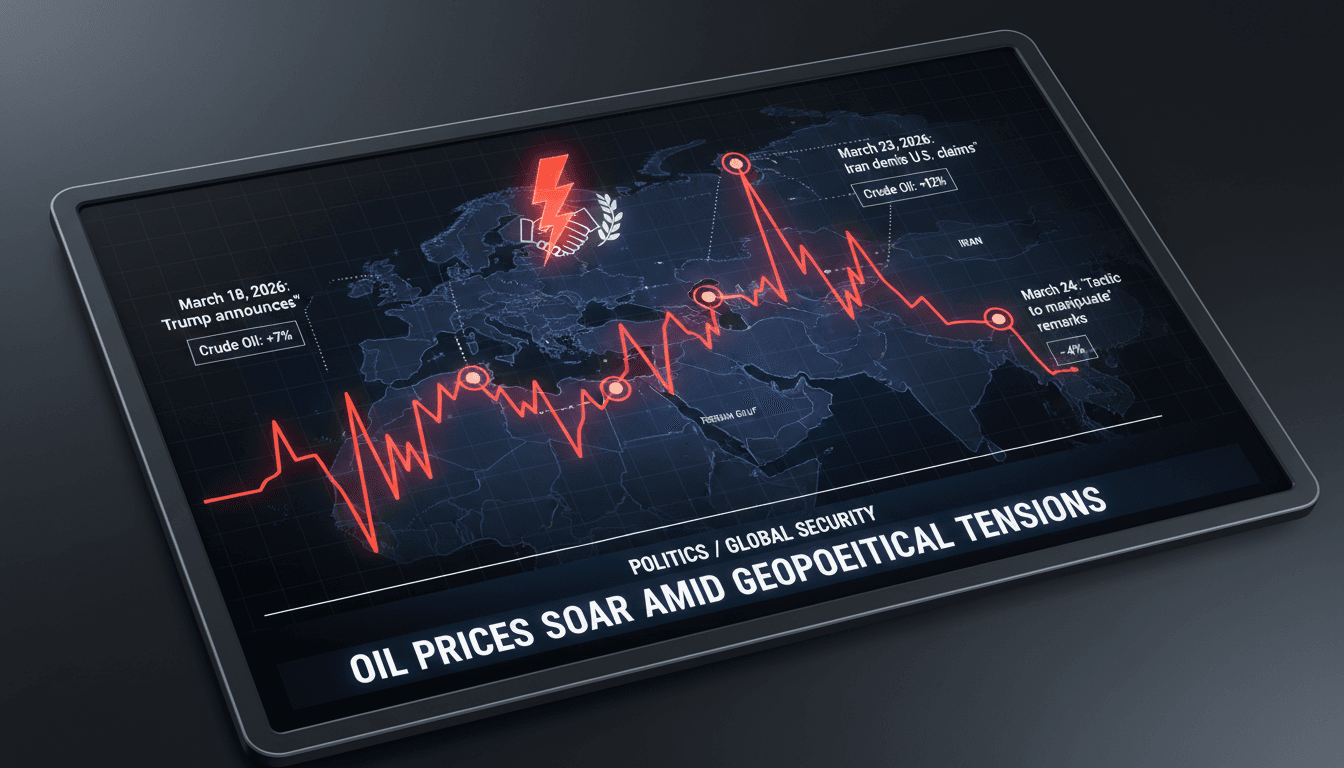
- Politics· MENA
Trump Delays Military Strikes on Iran for Five Days Amid Diplomatic Talks
On March 23, 2026, President Donald Trump announced a five-day postponement of military strikes on Iranian power plants following productive diplomatic discussions with Iran. This decision comes after escalating tensions triggered by an Israeli attack on Iranian infrastructure and subsequent threats from both nations. The long-term implication may involve a shift towards more sustained diplomatic engagement in the region, potentially stabilizing energy markets and reducing conflict risks.
7 sourcesMar 24High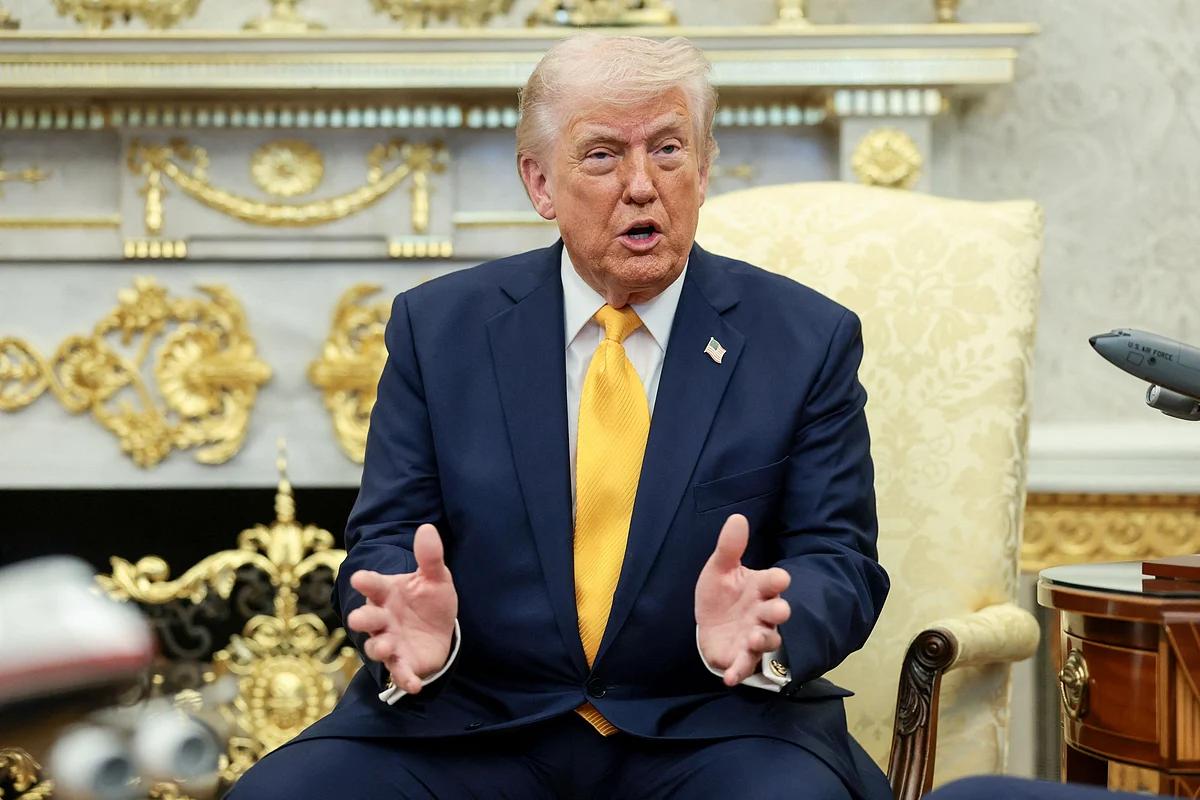
- Politics· MENA
Iran Dismisses U.S. Ultimatum to Reopen Strait of Hormuz Amid Heightened Tensions
Iran has rejected a 48-hour ultimatum from the U.S. to reopen the Strait of Hormuz, maintaining its blockade of this critical shipping route. The ultimatum was issued following escalating military actions between the U.S., Israel, and Iran, with the deadline expiring without compliance from Iran. This standoff is likely to exacerbate regional tensions and could lead to further military confrontations or economic repercussions in global oil markets.
20 sourcesMar 24Very High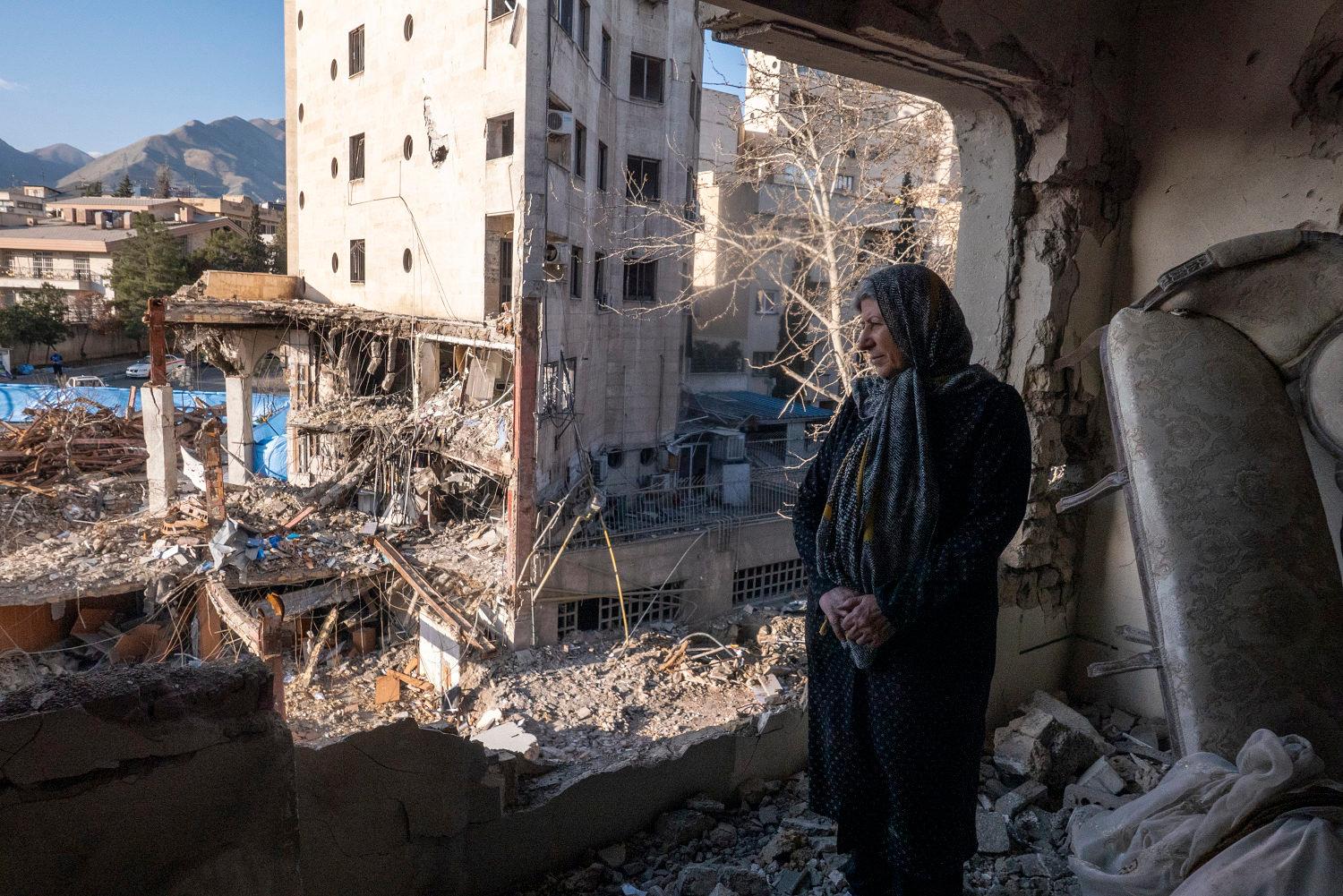
- Politics· MENA
Arab Nations Condemn Israeli Airstrikes on Syrian Military Infrastructure
On March 20, 2026, Israel conducted airstrikes on Syrian military compounds in Sweida province, southern Syria, in response to attacks targeting the Druze community. The immediate trigger for these strikes was mortar fire that landed in Druze-controlled areas, prompting Israel to act defensively. This incident is likely to escalate regional tensions and could lead to increased diplomatic efforts among Arab nations to address violations of Syrian sovereignty.
3 sourcesMar 23Low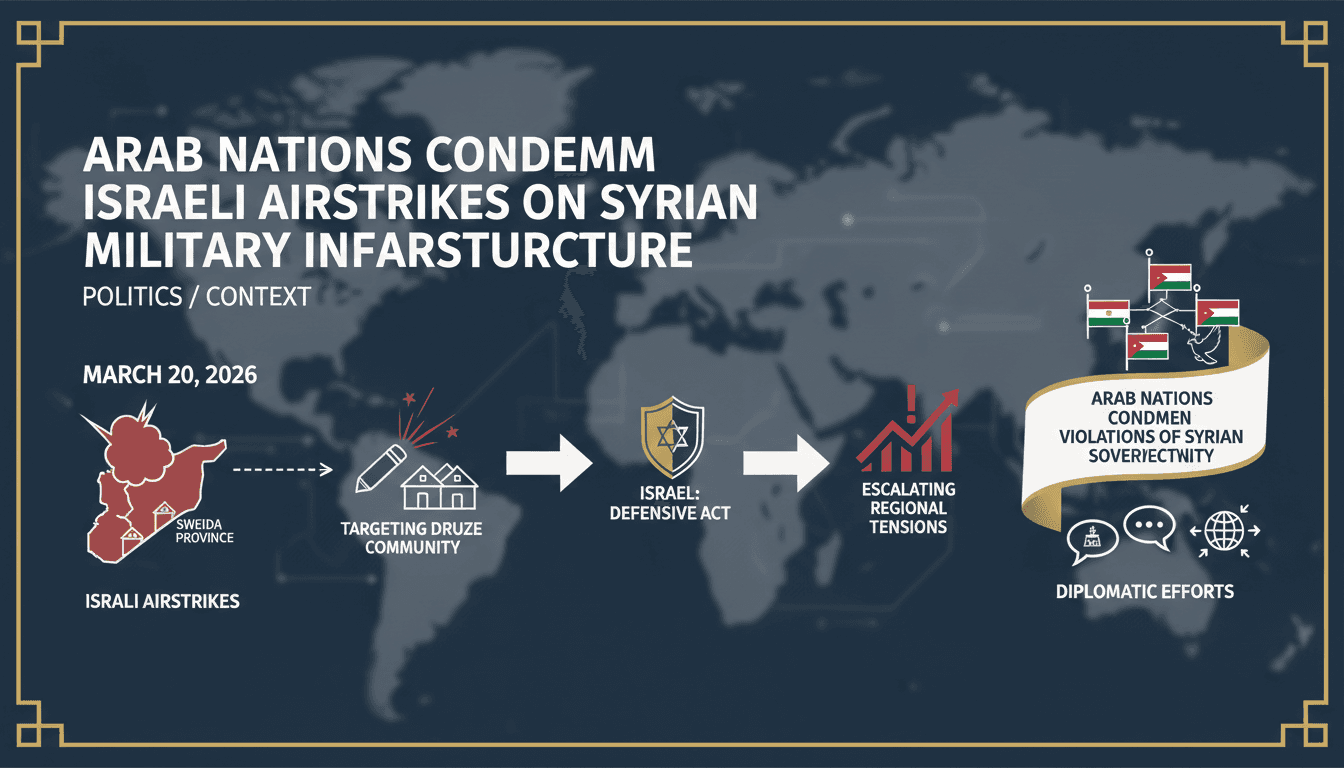
- Politics· UAE
Abu Dhabi Police Arrest 109 for Filming and Spreading Misinformation Amid Regional Conflict
On March 20, 2026, Abu Dhabi Police arrested 109 individuals of various nationalities for filming incident sites and disseminating misleading content on social media. This crackdown is a response to heightened regional tensions due to Iranian strikes and UAE defensive actions, aimed at curbing misinformation that could threaten public safety. The long-term implication is a likely increase in government enforcement against misinformation as authorities emphasize reliance on official sources during conflicts.
3 sourcesMar 23Low
- Politics· MENA
Qatar military helicopter crash claims seven lives
On 22 March 2026, a Qatari military helicopter crashed in the country's territorial waters, resulting in the deaths of all seven personnel on board. The incident was triggered by a technical malfunction during a routine training flight under the Qatar-Turkey Combined Joint Force Command. This tragedy may lead to increased scrutiny of military equipment and operational protocols within the region's defense collaborations.
4 sourcesMar 23Moderate