

Bio
Saqib is COO and co-founder at A47 AI, where he runs operations and leads the prediction-markets initiative. He covers crypto, Web3, and the decentralization of the sport and entertainment economy.
Editorial Responsibility
As A47's prediction-markets and crypto editor, I am responsible for our coverage of these markets and Web3 — ensuring it is grounded in real product, data, and revenue rather than speculation.
Previous experience · 14+ years
- · WPP Media (GroupM PK, Wavemaker PH)
- · MYCO
- · ARY Digital Network
Education
MBA Marketing, SZABIST
Areas of expertise
Categories overseen
Stories from Saqib Pathan’s desk
8644 stories- Economy· World
Iran War Triggers Financial Market Volatility and Supply Chain Disruptions
The ongoing Iran War, initiated on February 28, 2026, has led to significant disruptions in global oil supplies and financial market instability, with Wall Street experiencing declines amid rising energy prices. This escalation is driven by retaliatory missile strikes from Iran following US and Israeli airstrikes on Iranian military and nuclear targets, compounded by the temporary closure of the Strait of Hormuz. In the long term, the conflict is likely to sustain inflationary pressures and further strain US equities, prompting potential economic interventions and adjustments in global markets.
2 sourcesApr 20Very High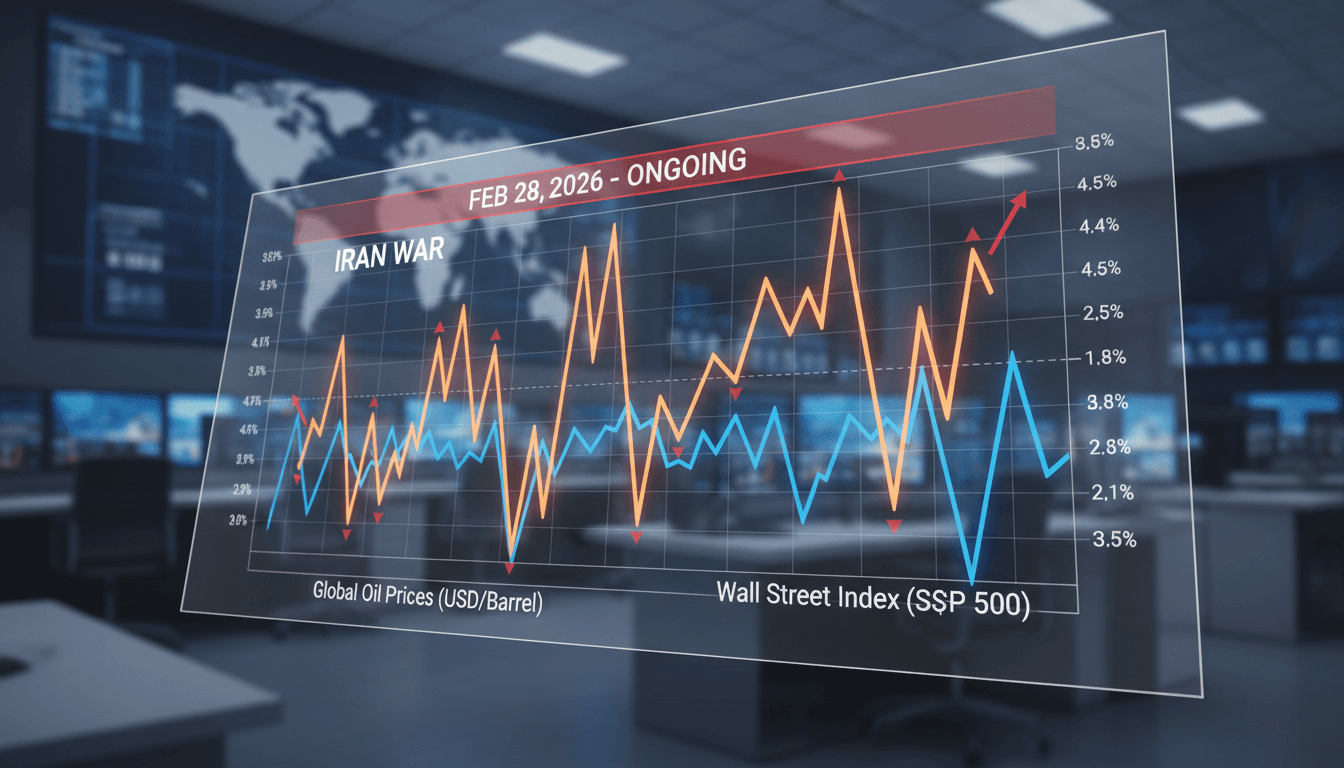
- Economy· World
U.S. Energy Secretary Confirms Gasoline Prices Peaked at $4.05 Amid Ongoing U.S.-Iran Conflict
On April 19, 2026, U.S. Energy Secretary Chris Wright announced that the national average gasoline price has peaked at $4.05 per gallon. This surge is attributed to disruptions caused by the ongoing U.S. and Israeli war against Iran, which has affected oil exports and shipping routes. Long-term, prices are expected to remain above $3 per gallon until at least 2027, pending resolution of the conflict.
3 sourcesApr 20Low
- Economy· MENA
Oil Prices Surge Following Iran's Rejection of US Negotiations
Oil prices experienced a significant increase on April 20, 2026, with Brent crude rising 6.55% to $96.30 and WTI up 7.60% to $90.22. This surge was triggered by Iran's rejection of a second round of US-Iran negotiations amidst ongoing military tensions and disruptions in the Strait of Hormuz. The long-term implication suggests continued volatility in global oil markets as traders anticipate further supply risks and geopolitical instability in the region.
3 sourcesApr 20Moderate
- Economy· World
Oil Prices Surge Over 7% Amid Renewed U.S.-Iran Tensions in Strait of Hormuz
Oil prices increased by more than 7% on April 19, 2026, due to escalating tensions between the U.S. and Iran over the Strait of Hormuz, which is critical for global oil shipments. This surge follows Iran's retraction of a ceasefire declaration and subsequent military actions, including warning shots fired at commercial vessels and a U.S. strike on an Iranian ship. The long-term implication is a potential for sustained volatility in oil prices, with analysts warning that prolonged disruptions could push prices to $150 per barrel.
24 sourcesApr 20High
- Economy· World
Silver Spot Prices Surpass $80 Amid Geopolitical Tensions and Supply Deficits
Silver spot prices stabilized above $80 per ounce on April 19, 2026, achieving a 3.03% increase amid robust demand as a safe-haven asset and industrial commodity. This surge is triggered by geopolitical tensions, particularly the U.S. blockade of Iranian ports, alongside persistent supply deficits and a weakening U.S. dollar. Long-term implications suggest potential further price increases, with analysts projecting targets between $82 and $90 as market dynamics evolve.
5 sourcesApr 20Low
- Economy· World
US Dollar Index Declines for Second Week as Middle East Ceasefire Eases Safe-Haven Demand
The US Dollar Index (DXY) recorded its second consecutive weekly decline, stabilizing at 98.235 amid reduced demand for safe-haven assets following a 10-day ceasefire between Israel and Lebanon. This shift is triggered by market optimism surrounding potential diplomatic talks between the US and Iran, as indicated by President Donald Trump. Long-term, this trend may lead to increased risk appetite in global markets, impacting currency valuations and investment strategies.
4 sourcesApr 20Low
- Economy· UAE
Dubai Financial Market Index Surges Over 10% Amid Improved Investor Confidence
The Dubai Financial Market General Index increased by more than 10% since early April 2026, closing at 5,987.42 points on April 17. This rally is driven by enhanced investor confidence due to improved geopolitical assessments, strong economic fundamentals, and positive earnings expectations. Long-term, this trend suggests sustained market stability and potential for continued growth in the UAE's financial sector.
3 sourcesApr 20Low
- Business· UAE
Dubai Real Estate Sector Achieves 11.72 Billion AED in Weekly Transactions
Dubai's real estate market recorded total transactions valued at 11.72 billion AED during the week ending April 17, 2026. This surge is driven by robust demand from both local and international investors, reflecting sustained investor confidence amid regional geopolitical tensions. The ongoing market vitality suggests a continued upward trajectory for the sector, potentially attracting further investment and development in the coming months.
3 sourcesApr 20Low
- Business· UAE
Dubai Chambers and Textile Merchants Group Meet to Strengthen Textile Sector Resilience
On April 17, 2026, Dubai Chambers held a consultative meeting with the Textile Merchants Group to discuss strategies for enhancing the textiles sector's resilience amid global challenges. This initiative is driven by ongoing global trade disruptions and aims to bolster Dubai's position as a leading hub for fabric trade. The long-term implication is a strengthened collaborative framework that could enhance the competitiveness and sustainability of the textiles sector in Dubai.
3 sourcesApr 20Low
- Economy· MENA
Saudi Finance Minister Al-Jadaan Participates in G20 Meeting in Washington
On April 18, 2026, Saudi Arabia's Minister of Finance Mohammed bin Abdullah Al-Jadaan attended the inaugural G20 Finance Ministers and Central Bank Governors meeting in Washington, DC. This meeting was triggered by the United States assuming the G20 presidency and aimed at addressing global economic challenges amid ongoing recovery from economic shocks and geopolitical tensions. The long-term implication is a potential shift in global economic policy coordination, particularly regarding energy markets and digital finance regulation, which could influence investor confidence and economic stability in the MENA region.
3 sourcesApr 20Low
- Economy· UAE
UAE Economy Sees Accelerated Growth in Early 2026 Fueled by Banking and Trade
The UAE economy has experienced accelerated growth in early 2026, with banking assets increasing by 1.1% to Dh5.472 trillion and trade flows maintaining momentum from the previous year. This growth is triggered by the ongoing diversification efforts and strong liquidity in the banking sector, alongside new Comprehensive Economic Partnership Agreements signed in Q1 2026. Long-term, this positions the UAE for a projected 5.6% real GDP growth in 2026, reinforcing its status as a global trade hub.
3 sourcesApr 20Low
- Economy· UAE
UAE Federal Tax Authority Initiates Emirati Tax Agent Programme to Address Local Expertise Shortage
On April 18, 2026, the UAE Federal Tax Authority launched the first phase of the Emirati Tax Agent Programme in Dubai, training 50 Emiratis in tax compliance. This initiative is a response to the growing need for qualified tax professionals following the implementation of VAT and corporate tax in the UAE. Long-term, this programme aims to enhance local talent in the financial sector, supporting the UAE's economic diversification and entrepreneurial goals.
3 sourcesApr 20Low
- Business· MENA
Dubai Chambers Strengthens Trade Relations with Philippines through High-Level Meetings
On April 18, 2026, Dubai Chambers delegation led by President and CEO Mohammad Ali Rashed Lootah concluded high-level meetings with Philippine business leaders in Manila to enhance bilateral investment and trade ties. This initiative is driven by Dubai's strategic goal to expand its non-oil trade, which reached AED 3.58 billion in 2025, amid increasing economic collaboration. The long-term implication is the establishment of a representative office in Manila, facilitating deeper cooperation in key sectors such as AI and digital transformation, thereby supporting Dubai's global trade ambitions.
3 sourcesApr 20Low
- Economy· World
U.S. Department of Energy Allocates 26.03 Million Barrels from Strategic Petroleum Reserve Amid Ongoing Conflict
On April 17, 2026, the U.S. Department of Energy awarded contracts for 26.03 million barrels of crude oil from the Strategic Petroleum Reserve to nine companies through an emergency exchange. This decision is a response to supply disruptions and rising fuel prices caused by the U.S.-Israeli conflict with Iran. The long-term implication is a potential stabilization of global oil markets, which may influence fuel prices in regions like the UAE that are heavily reliant on oil exports.
3 sourcesApr 20Low
- Business· UAE
UAE Ministry of Economy Launches Essential Goods Prices Platform for Consumer Transparency
On April 19, 2026, the UAE Ministry of Economy and Tourism launched the Essential Goods Prices Platform to track prices of essential goods across major retailers. This initiative is driven by the need for market transparency and price stability ahead of Ramadan 2026, amidst global supply chain challenges and inflation concerns. Long-term, this platform is expected to empower consumers and enhance fair competition in the retail sector.
3 sourcesApr 20Low
- Economy· UAE
Dubai Maintains Economic Stability Amid Global Geopolitical Tensions
Dubai has demonstrated economic resilience as it navigates escalating global geopolitical tensions. This stability is attributed to strategic diversification efforts and proactive government measures, including a Dh1 billion stimulus package. Looking ahead, Dubai is likely to reinforce its position as a stable global hub, attracting continued investment and fostering growth in non-oil sectors.
4 sourcesApr 20Low
- Economy· MENA
Libya Signs First Unified National Budget in Over a Decade with International Support
Libya's rival legislative bodies signed a unified national budget for 2026, marking the first such agreement since 2013. This development follows months of U.S.-facilitated negotiations aimed at addressing the country's ongoing political and financial fragmentation. The long-term implication is a potential stabilization of Libya's economy and increased oil production, which may enhance regional energy security and trade relations, particularly with neighboring countries like the UAE.
3 sourcesApr 20Low
- Business· World
Cursor AI Engages in Advanced Funding Talks for Over $2 Billion at $50 Billion Valuation
On April 17, 2026, AI coding startup Cursor entered advanced funding discussions to raise more than $2 billion at a $50 billion pre-money valuation. This development is driven by a surge in enterprise adoption, with projected annualized revenue run rate exceeding $6 billion by year-end 2026. The long-term implication suggests that Cursor's success could further solidify its position in the competitive AI coding market and attract additional investments in the sector.
3 sourcesApr 20Low
- Crypto· World
Flow Capital Partners to Tokenize $150 Million Private Credit Fund via DigiFT
On April 17, 2026, Flow Capital Partners announced plans to tokenize its $150 million private credit fund using Singapore-based DigiFT. This initiative is driven by the growing trend of real-world asset tokenization and aims to raise an additional $30 million by the end of 2026. The long-term implication is a potential shift in how private credit investments are structured and accessed by institutional investors through blockchain technology.
3 sourcesApr 20Low
- Crypto· World
Grinex Cryptocurrency Exchange Loses $15 Million in Cyberattack Blamed on Western Intelligence
On April 15, 2026, Grinex, a Kyrgyzstan-registered cryptocurrency exchange linked to Russia, reported a cyberattack resulting in the theft of approximately $15 million in USDT from around 70 wallets. The attack is attributed to 'western special services' due to its sophistication, coinciding with ongoing geopolitical tensions surrounding cryptocurrency and sanctions. This incident may lead to increased scrutiny and regulatory measures on cryptocurrency exchanges operating in politically sensitive environments.
5 sourcesApr 20Low