

Bio
Saqib is COO and co-founder at A47 AI, where he runs operations and leads the prediction-markets initiative. He covers crypto, Web3, and the decentralization of the sport and entertainment economy.
Editorial Responsibility
As A47's prediction-markets and crypto editor, I am responsible for our coverage of these markets and Web3 — ensuring it is grounded in real product, data, and revenue rather than speculation.
Previous experience · 14+ years
- · WPP Media (GroupM PK, Wavemaker PH)
- · MYCO
- · ARY Digital Network
Education
MBA Marketing, SZABIST
Areas of expertise
Categories overseen
Stories from Saqib Pathan’s desk
8690 stories- Crypto· World
Senator Lummis Declares Last Chance for CLARITY Act Passage Before 2030 Delay
U.S. Senator Cynthia Lummis announced that the CLARITY Act represents the final opportunity for regulatory clarity in the cryptocurrency sector until at least 2030. This urgency arises from bipartisan negotiations in the Senate Banking Committee, which are pressured by midterm elections and industry calls for decisive action. If the Act fails to pass, the U.S. risks losing its leadership in financial innovation to more agile regulatory environments abroad, particularly in crypto-friendly jurisdictions like the UAE.
3 sourcesApr 13High
- Crypto· World
Bitcoin Price Drops Below $71,000 Following US-Iran Negotiation Breakdown
Bitcoin's price fell below $71,000 on April 13, 2026, after US-Iran negotiations in Islamabad failed to reach an agreement on nuclear issues and the Strait of Hormuz. The immediate trigger was President Trump's threats to blockade the strait, leading to a 3% sell-off and $350 million in liquidations of long positions. This geopolitical tension is likely to sustain volatility in cryptocurrency markets and could prompt further interventions from financial authorities.
6 sourcesApr 13Moderate
- Crypto· World
Coinbase CEO Supports Digital Asset Market Clarity Act Amid U.S. Treasury Push
On April 10, 2026, Coinbase CEO Brian Armstrong publicly endorsed the Digital Asset Market Clarity Act following U.S. Treasury Secretary Scott Bessent's call for Senate action. This endorsement comes as the U.S. seeks to clarify regulatory frameworks for digital assets, aiming to retain blockchain innovation within its borders. If passed, the legislation could reshape the U.S. digital asset landscape and potentially slow the growth of crypto hubs in the UAE and Singapore.
3 sourcesApr 13Moderate
- Economy· World
S&P 500 Declines Ahead of U.S.-Iran Cease-Fire Talks
U.S. stocks experienced a slight decline on April 10, 2026, as investors awaited the outcome of cease-fire negotiations between the United States and Iran. This decline follows a significant weekly gain driven by a temporary cease-fire that had alleviated concerns over oil supply disruptions. The ongoing geopolitical tensions suggest that market volatility may continue as the situation evolves and further negotiations are anticipated.
3 sourcesApr 13Moderate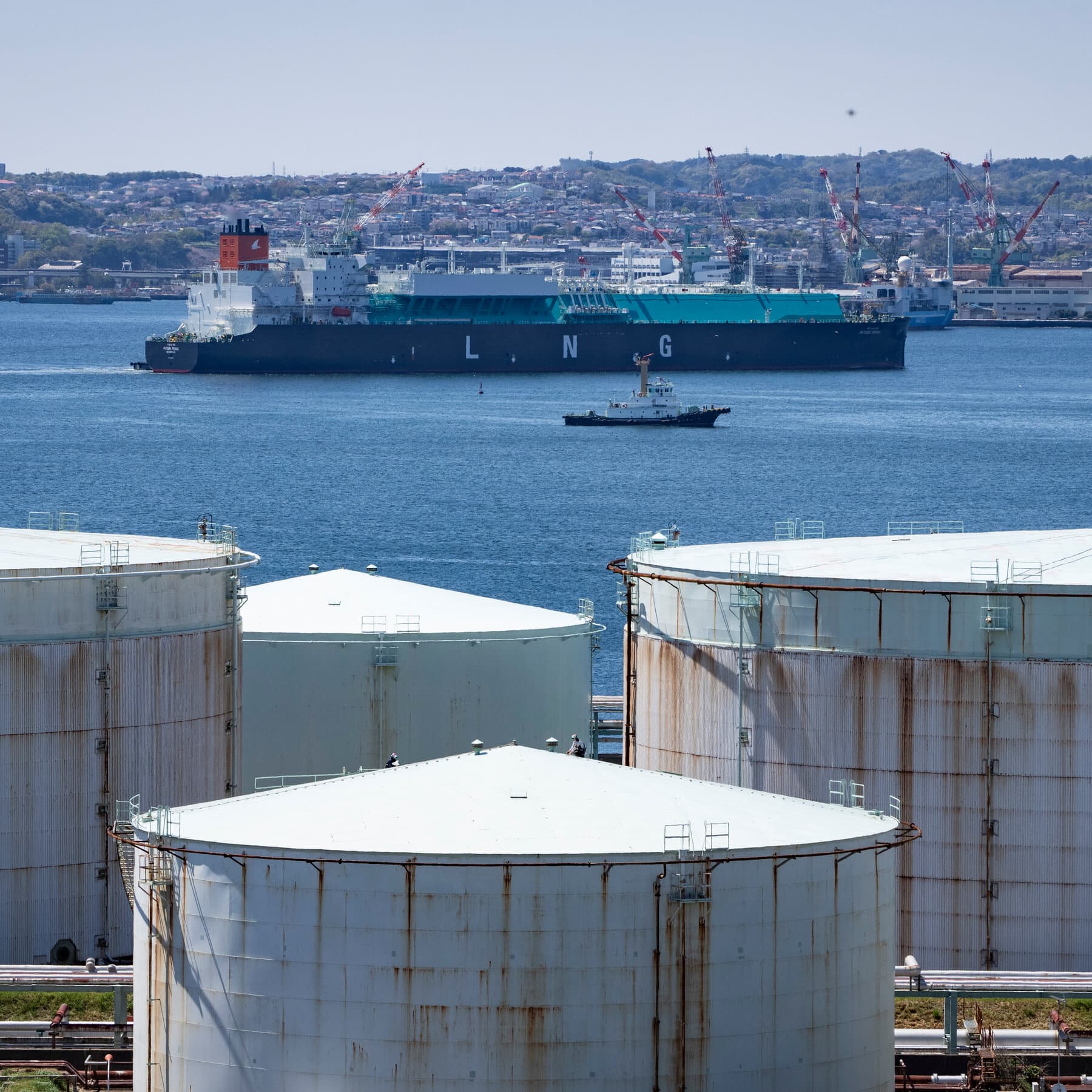
- Business· World
Airports Council International Europe Issues Warning of Jet Fuel Shortages Due to Strait of Hormuz Disruptions
Airports Council International Europe has warned of potential systemic jet fuel shortages in Europe within three weeks due to severely reduced shipping traffic through the Strait of Hormuz. This situation arises from the ongoing US-Iran war, which has drastically limited maritime access despite a recent ceasefire. If traffic does not resume, the long-term implications could include significant disruptions to airport operations and broader economic activity across Europe.
4 sourcesApr 13Moderate
- Economy· World
Commodity Trading Firms Suffer Billions in Losses Amid Iran War Escalation
Commodity trading firms incurred significant financial losses in the initial phase of the 2026 Iran war, which began on February 28, 2026. The immediate trigger for these losses was the unexpected surge in energy prices following US-Israeli airstrikes on Iranian targets and the closure of the Strait of Hormuz. As the conflict continues, the volatility in global commodity markets is likely to persist, prompting firms to reassess their trading strategies and risk management practices.
3 sourcesApr 13Low
- Economy· World
Economic Fallout from Mideast War Dominates IMF and World Bank Meetings
The IMF and World Bank Spring Meetings are currently taking place in Washington, D.C., overshadowed by the economic repercussions of the Mideast war that began on February 28, 2026. This conflict has triggered significant disruptions in energy supplies and trade routes, leading to downgraded growth forecasts and heightened inflation projections for emerging markets. In the long term, the crisis is likely to prompt urgent discussions on emergency lending and debt relief for vulnerable economies facing unprecedented challenges.
4 sourcesApr 13Low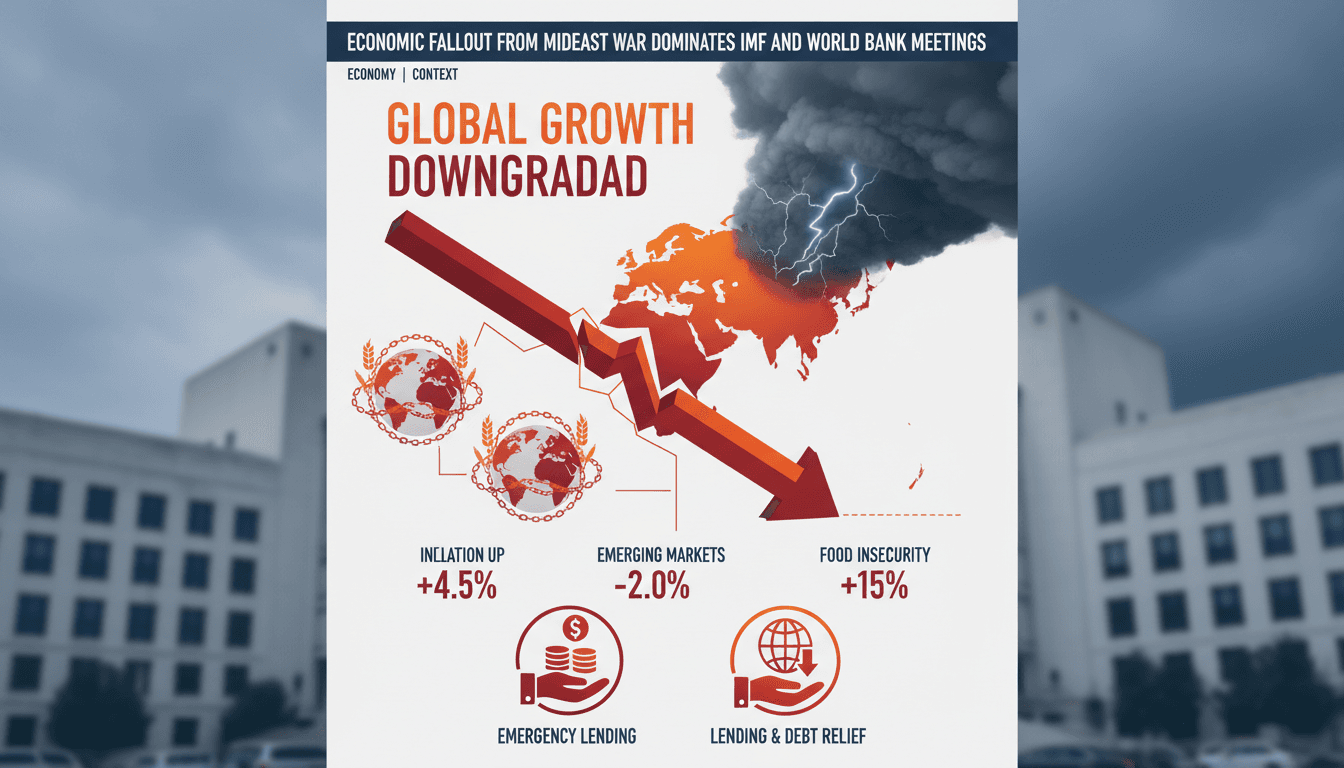
- Business· World
South Korea Advances Crude Oil Supply Agreement with Kazakhstan Amid Middle East Disruptions
On April 12, 2026, South Korea's Industry Minister Kim Jung-kwan announced significant progress in negotiations for crude oil supplies from Kazakhstan. This move is prompted by ongoing disruptions in the Strait of Hormuz, which have affected South Korea's energy imports that are heavily reliant on the Middle East. In the long term, this agreement could lead to a diversification of South Korea's energy sources, reducing its vulnerability to geopolitical tensions in the region.
3 sourcesApr 13Low
- Business· MENA
Saudi Arabia Restores Full Oil Pumping Capacity After Pipeline Attacks
Saudi Arabia's Ministry of Energy announced the restoration of full pumping capacity through the East-West pipeline to nearly 7 million barrels per day following attacks on April 9, 2026. The immediate recovery was facilitated by operational teams responding swiftly to damage caused by Iranian drone and missile strikes. This restoration is likely to stabilize global oil supply chains and reduce market volatility amid ongoing regional tensions.
18 sourcesApr 13High
- Economy· World
World Bank President Warns Middle East War Could Slash Global Growth by Up to 1 Percent
World Bank President Ajay Banga announced that the ongoing Middle East war is expected to reduce global economic growth by 0.3 to 1 percentage point. This warning comes as the conflict, which escalated on February 28, 2026, has led to significant disruptions in oil supply and inflationary pressures. If the fighting continues, emerging markets could face even worse economic forecasts, prompting urgent international responses to mitigate the fallout.
3 sourcesApr 13Low
- Economy· World
WTI Crude Oil Prices Surge Following US-Iran Talks Collapse
WTI crude oil prices surged to $104.80 per barrel on April 13, 2026, after the collapse of US-Iran peace talks over the weekend. This spike is driven by heightened investor concerns regarding potential supply disruptions through the Strait of Hormuz amid ongoing regional tensions. Long-term implications suggest sustained high oil prices and increased volatility in global markets as geopolitical risks remain elevated.
5 sourcesApr 13Moderate
- Economy· World
US inflation rises to 3.3% amid Iran War energy price shock
US inflation surged to 3.3% annually in March 2026, driven by the Iran War's disruption of global oil supplies. The immediate trigger was the closure of the Strait of Hormuz following US-Israeli airstrikes on Iran, which caused gasoline prices to jump 21.2%. Long-term implications include potential economic instability and further Federal Reserve rate adjustments as energy prices remain elevated amid a fragile ceasefire.
12 sourcesApr 13High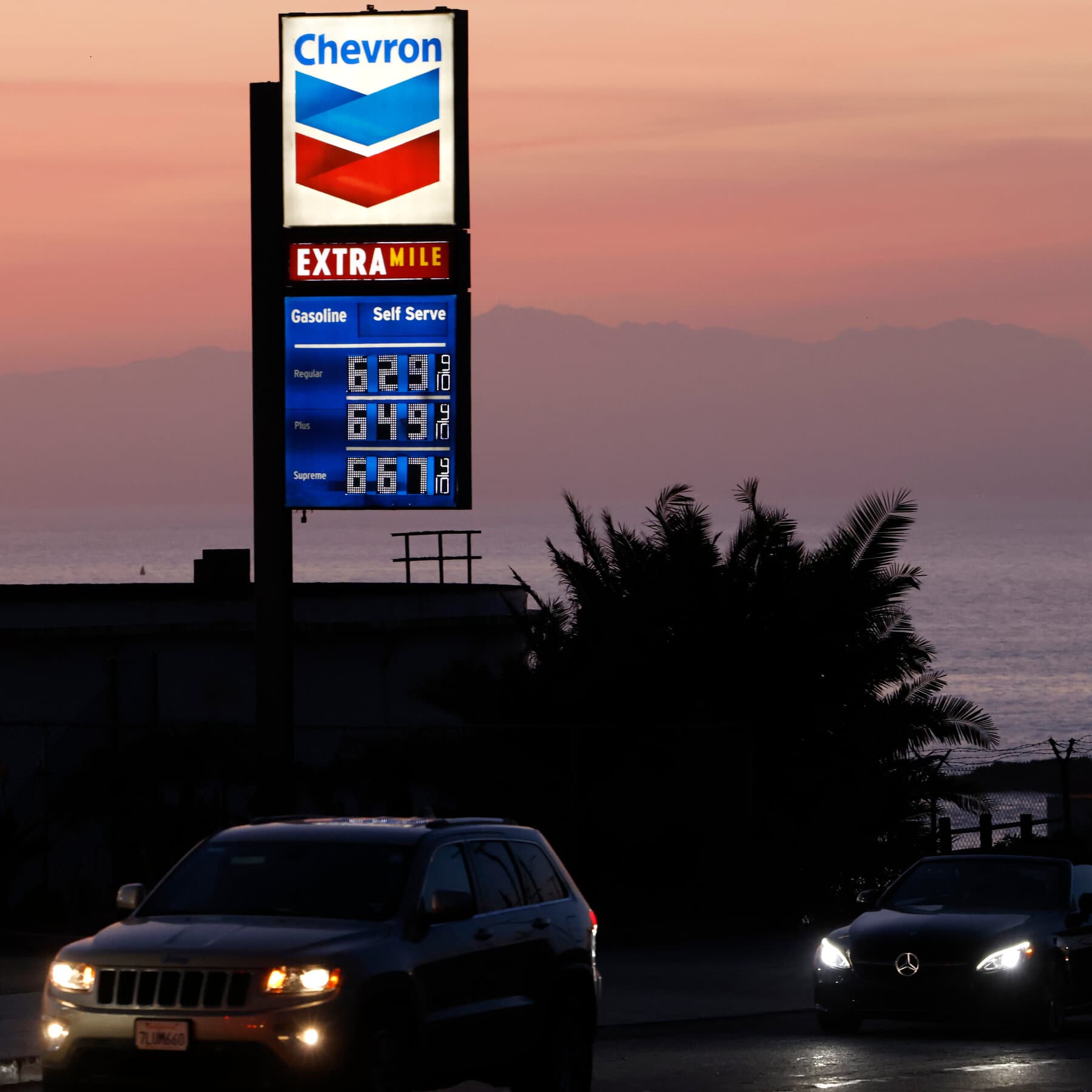
- Economy· World
Oil Prices Exceed $100 Following US-Iran Peace Talks Failure and Blockade Threat
Oil prices surged above $100 per barrel on April 12, 2026, after peace talks between the United States and Iran collapsed, prompting President Trump to threaten a naval blockade of the Strait of Hormuz. This escalation comes as the US-Iran war enters its seventh week, jeopardizing a fragile ceasefire and disrupting critical oil shipping routes. The long-term implication is a potential sustained increase in global oil prices and further instability in energy markets as shipping routes are rerouted and geopolitical tensions rise.
4 sourcesApr 13High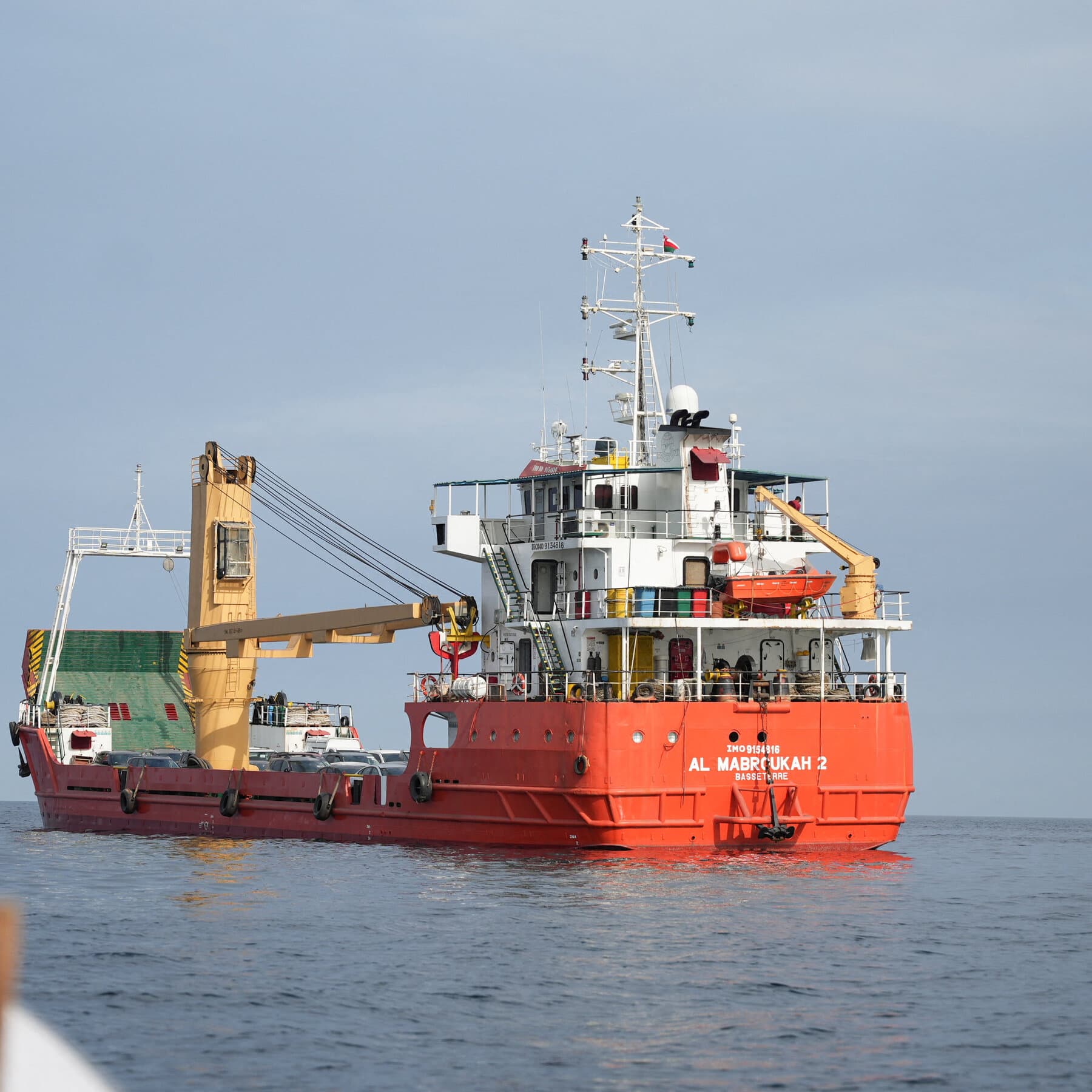
- Business· MENA
Saudi Arabia Restores Oil Pipeline Capacity After Attacks
Saudi Arabia's Ministry of Energy has fully restored the East-West oil pipeline and the Manifa oil field, returning to a pumping capacity of 7 million barrels per day. This restoration follows a series of attacks that had previously reduced output by approximately 600,000 barrels per day amid heightened regional tensions from the ongoing US-Iran conflict. The swift recovery is expected to stabilize global oil supply chains and mitigate volatility in oil prices as the region navigates ongoing geopolitical challenges.
16 sourcesApr 12Moderate
- Economy· MENA
Iran's economy faces severe collapse following US-Israel airstrikes
Iran's economic crisis has worsened since February 28, 2026, due to airstrikes by the United States and Israel, leading to a reported 40% surge in prices. This escalation is driven by the Iranian regime's inability to manage hyperinflation and currency devaluation amid ongoing sanctions and war damage. Long-term, the situation is likely to result in increased civil unrest and further economic deterioration if sanctions relief is not achieved.
2 sourcesApr 12Low
- Crypto· World
Justin Sun Accuses World Liberty Financial of Concealed Blacklist in Smart Contract
On April 12, 2026, Justin Sun publicly accused World Liberty Financial of embedding a hidden blacklist function in its WLFI token smart contract. This accusation follows WLFI's prior action of blacklisting Sun's wallet in September 2025, amid increasing scrutiny over the platform's lending positions and a significant decline in token value. The long-term implication may involve heightened regulatory scrutiny and a potential erosion of trust in decentralized finance platforms, particularly those with political affiliations.
6 sourcesApr 12High
- Business· UAE
Dubai Municipality Completes First Phase of AED 500 Million Sewerage and Stormwater Network Development Project
Dubai Municipality has completed the first phase of a AED 500 million sewerage and stormwater network development project in Al Quoz. This initiative is driven by the need to enhance infrastructure resilience in response to rapid urbanization and extreme weather events. Long-term, this project is expected to significantly improve drainage capacity and operational efficiency, supporting economic activities and future preparedness in the region.
2 sourcesApr 12Low
- Business· UAE
Abu Dhabi Securities Exchange Cross-Lists AI and Sharia-Compliant ETFs to Enhance Investment Options
On April 16, 2026, the Abu Dhabi Securities Exchange listed the KraneShares AGIX and KWIN ETFs, expanding access to AI and Sharia-compliant investment products for UAE investors. This move is driven by a significant surge in demand for thematic and compliant investment options, evidenced by a 183% year-over-year increase in ADX ETF trade value. The long-term implication is a strengthened position for the UAE as a regional financial hub, attracting more cross-border capital flows and diversifying investment opportunities.
3 sourcesApr 12Low
- Crypto· World
European Banks Form Partnerships for Stablecoin Implementation Under MiCA Regulation
On April 12, 2026, major European banks including ING, UniCredit, CaixaBank, and BBVA selected stablecoin partners for rollout under the EU's MiCA regulation. This shift is driven by the need for a unified regulatory framework to meet surging corporate demand for efficient financial operations. The long-term implication is a significant transformation in cross-border payment systems and the potential for increased competition against U.S. dollar stablecoins.
2 sourcesApr 12Low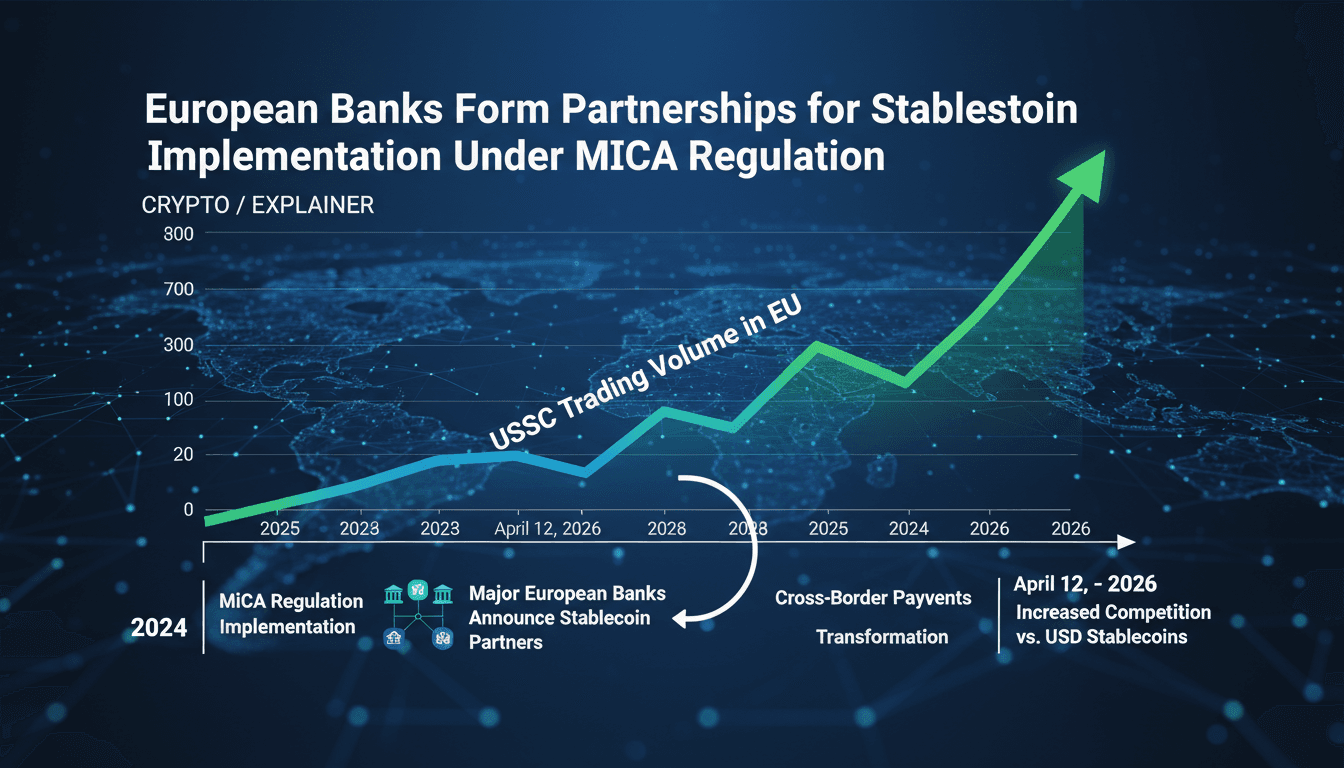
- Business· World
U.S. Earnings Season Begins Amid Iran War Ceasefire and AI Disruption Concerns
The U.S. corporate earnings season for Q1 2026 commenced on April 12, 2026, with major banks reporting amidst a fragile ceasefire in the Iran war. This situation arises due to the recent ceasefire established on April 8, 2026, following escalating tensions and military actions in the region. Long-term implications include potential volatility in corporate profitability as companies navigate the impacts of ongoing geopolitical instability and rapid advancements in artificial intelligence.
2 sourcesApr 12Low