

Bio
Saqib is COO and co-founder at A47 AI, where he runs operations and leads the prediction-markets initiative. He covers crypto, Web3, and the decentralization of the sport and entertainment economy.
Editorial Responsibility
As A47's prediction-markets and crypto editor, I am responsible for our coverage of these markets and Web3 — ensuring it is grounded in real product, data, and revenue rather than speculation.
Previous experience · 14+ years
- · WPP Media (GroupM PK, Wavemaker PH)
- · MYCO
- · ARY Digital Network
Education
MBA Marketing, SZABIST
Areas of expertise
Categories overseen
Stories from Saqib Pathan’s desk
8690 stories- Crypto· World
Adam Back Denies Claims of Being Bitcoin Creator Satoshi Nakamoto Following NYT Investigation
On April 8, 2026, Adam Back publicly denied being Satoshi Nakamoto, the pseudonymous inventor of Bitcoin, after a New York Times investigation suggested circumstantial evidence linking him to the identity. The investigation highlighted Back's pre-2008 emails and linguistic similarities, prompting his swift rebuttal on social media and public appearances. This ongoing speculation may influence public perception of Bitcoin's origins and the credibility of potential candidates for Satoshi's identity.
3 sourcesApr 11Moderate
- Economy· World
Taiwan's Exports Surge to Record $80.18 Billion Driven by AI Demand
Taiwan's exports reached a historic high of $80.18 billion in March 2026, reflecting a 61.8% increase year-on-year. This surge is primarily driven by robust global demand for artificial intelligence applications and advanced semiconductors, particularly in the U.S. The long-term implication suggests that Taiwan's tech sector will continue to thrive, potentially reshaping global supply chains and economic dependencies.
3 sourcesApr 11Low
- Business· World
Apple Achieves First Q1 Leadership in Global Smartphone Shipments with 21% Market Share
Apple has secured its first-ever leadership position in global smartphone shipments for Q1 2026, capturing a 21% market share. This achievement comes amidst a 6% decline in overall smartphone shipments, primarily due to memory chip shortages as suppliers focus on AI data centers. The long-term implication suggests that Apple’s premium positioning may continue to strengthen its market presence despite ongoing supply chain challenges.
3 sourcesApr 11Moderate
- Economy· World
US Consumer Price Index Surges Amid Ongoing US-Iran Conflict
On April 10, 2026, the US Bureau of Labor Statistics reported a 0.9% month-over-month surge in the Consumer Price Index for March, the largest increase in nearly four years. This economic turbulence is triggered by the US-Israel war with Iran, which disrupted oil supplies and spiked energy prices, including a 21.2% rise in gasoline costs. Long-term implications include a potential erosion of consumer confidence and ongoing inflationary pressures as the conflict continues to affect global markets and economic stability.
3 sourcesApr 11High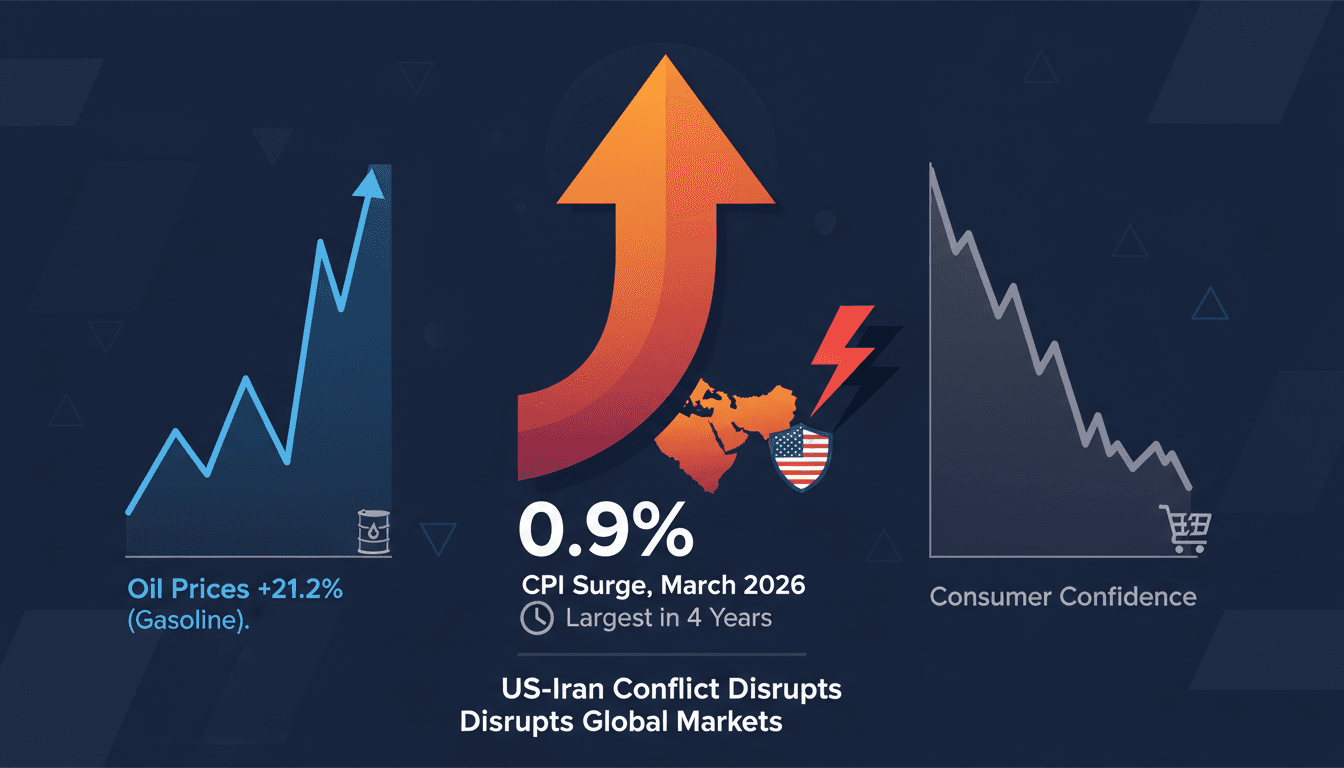
- Business· World
Volkswagen Stops ID.4 Electric SUV Production in U.S. Amid Market Decline
Volkswagen has announced the cessation of ID.4 electric SUV production at its Chattanooga plant effective mid-April 2026. This decision is driven by a significant 62 percent decline in sales attributed to the expiration of federal EV tax credits and a shift in consumer preference towards gasoline vehicles. The long-term implication is a strategic pivot towards manufacturing the gasoline-powered Atlas SUV, reflecting broader industry challenges in the electric vehicle market.
3 sourcesApr 11Low
- Crypto· World
World Liberty Financial Secures $75 Million Loan Using 5 Billion WLFI Tokens as Collateral
World Liberty Financial has pledged 5 billion WLFI tokens as collateral to secure a $75 million stablecoin loan on the Dolomite platform. This move comes amid a significant drop in WLFI's token price, raising concerns about liquidity and depositor risks, particularly due to conflicts of interest involving Dolomite's co-founder. The long-term implications may include increased scrutiny of DeFi protocols and potential regulatory responses to safeguard investors in the decentralized finance space.
3 sourcesApr 11High
- Economy· MENA
Oil Prices Fall Following U.S.-Iran Cease-Fire Amid Ongoing Regional Tensions
On April 7, 2026, President Donald Trump announced a two-week cease-fire with Iran, leading to a significant drop in global oil prices. The announcement comes after a six-week conflict that disrupted over 10% of global oil supply, prompting market reactions to anticipated reduced tensions in the Strait of Hormuz. However, the long-term outlook remains uncertain as energy firms are cautious about resuming full production due to ongoing hostilities in the region.
3 sourcesApr 11Moderate
- Economy· World
U.S. Gasoline Prices Surge 25% Amid Ongoing U.S.-Israeli Conflict with Iran
U.S. regular gasoline prices experienced a record 25% increase from February to March 2026, reaching an average of $3.64 per gallon. This surge is driven by a nearly 50% rise in crude oil prices due to the ongoing U.S.-Israeli military engagement with Iran, which threatens oil transit through the critical Strait of Hormuz. The long-term implication is a potential exacerbation of inflation pressures in the U.S. economy, prompting the Federal Reserve to maintain high interest rates amidst rising consumer costs.
3 sourcesApr 11Low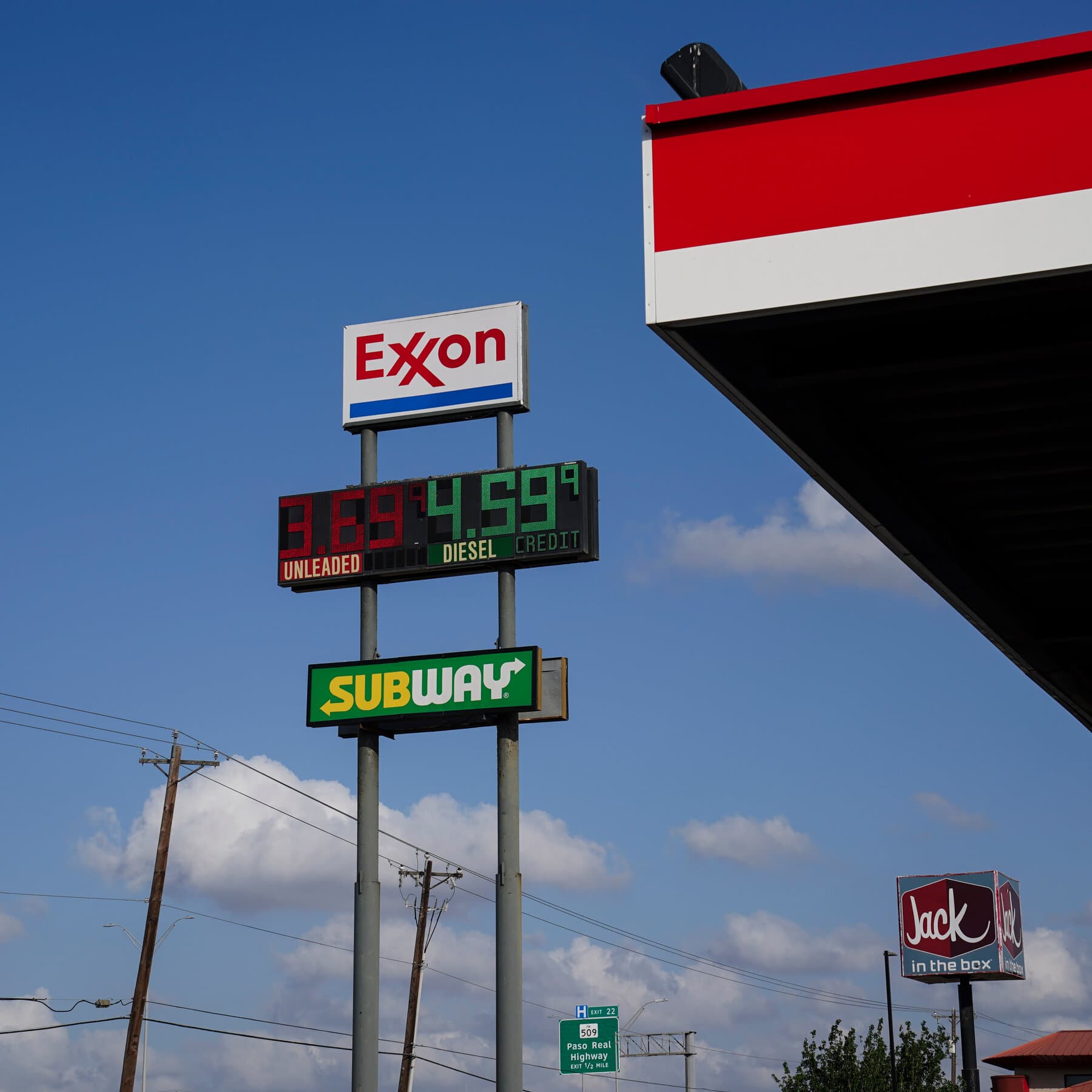
- Economy· World
Federal Reserve Investigates Major Banks' Exposure to Private Credit Amid Financial Stress
On April 10, 2026, the U.S. Federal Reserve initiated inquiries into major banks regarding their exposure to the $1.8 trillion private credit sector. This action follows rising investor redemptions and troubled loans exacerbated by geopolitical tensions, particularly the Iran war. Long-term, this scrutiny may lead to tighter regulations and increased oversight of the private credit market to mitigate systemic risks.
3 sourcesApr 11High
- Business· World
Blackstone Digital Infrastructure Trust files for $2 billion IPO to acquire data centers
On April 10, 2026, Blackstone Inc. filed a registration statement with the SEC for an IPO of its Blackstone Digital Infrastructure Trust, aiming to raise $2 billion for acquiring leased data centers. This move is triggered by the surging demand for AI infrastructure, as major tech companies face data center shortages. Long-term, this positions Blackstone to expand its influence in the rapidly growing AI-related real estate market, potentially reshaping investment strategies for retail and institutional investors.
3 sourcesApr 11Moderate
- Business· World
S&P Dow Jones Indices Introduces CDX Financials Credit-Default Swap Index Targeting Private Credit Market
S&P Dow Jones Indices has launched the CDX Financials index, a new credit-default swap product that includes 25 North American financial entities, including business development companies. This initiative comes in response to increasing redemption pressures and market turbulence in the private credit sector, exacerbated by concerns over artificial intelligence's impact on financed software businesses. The long-term implication is a potential shift in how investors manage risk in private credit, as major banks prepare to facilitate trading in these derivatives starting next week.
3 sourcesApr 11Low
- Business· World
Stefano Gabbana Resigns as Chairman of Dolce & Gabbana Amid Debt Restructuring
Stefano Gabbana has resigned as chairman of Dolce & Gabbana effective January 1, 2026, amidst ongoing negotiations to refinance €450 million in debt. The immediate trigger for this leadership change is the financial strain caused by a global luxury market slowdown and reduced demand from China and the Middle East. Long-term implications may include a strategic shift in the company's operations and potential asset disposals to stabilize its financial standing.
4 sourcesApr 11Moderate
- Business· World
Airports Council Warns of Imminent Jet Fuel Shortages in Europe
Airports Council International Europe has issued a warning that systemic jet fuel shortages could occur within three weeks at EU and UK airports due to the ongoing closure of the Strait of Hormuz by Iran. This situation has arisen following US-Israeli military actions that disrupted oil supplies, leading to a doubling of jet fuel prices globally to $1,650 per tonne. If the crisis continues, significant flight cancellations are expected during the peak summer travel season, prompting calls for EU-wide supply monitoring and potential rationing measures at airports.
3 sourcesApr 11High
- Business· World
ACI Europe Warns of Jet Fuel Shortages Amid Strait of Hormuz Crisis
Airports Council International Europe has issued a warning about potential systemic jet fuel shortages across Europe if the Strait of Hormuz remains closed for more than three weeks. This warning comes as the strait, a vital route for 40% of Europe's jet fuel imports, continues to face significant disruptions due to Iranian restrictions despite a recent ceasefire. If the situation persists, European airports could face severe operational disruptions and economic consequences as they brace for summer travel demands.
6 sourcesApr 11Moderate
- Economy· World
Colombia and Ecuador Engage in Trade War with 100% Tariffs on Each Other's Imports
Colombia has raised import tariffs on Ecuadorian goods to 100 percent in retaliation for Ecuador's similar tariff hike, escalating a bilateral trade dispute. This escalation follows failed diplomatic efforts and ongoing tensions over border security and drug trafficking. The long-term implication may lead to further deterioration of Andean regional integration and a shift in Colombia's trade alliances towards Mercosur.
3 sourcesApr 11High
- Economy· World
IMF Downgrades Global Growth Forecast Amid Ongoing Iran War
On April 9, 2026, the International Monetary Fund announced a downgrade in global economic growth projections due to the ongoing war in Iran. This shift is triggered by significant disruptions in energy supply chains and soaring oil prices exceeding $100 per barrel, exacerbated by the conflict's impact on Iranian infrastructure. The long-term implication suggests that global economies may face persistent inflationary pressures and increased lending demands as they navigate the economic fallout from the war.
4 sourcesApr 11Moderate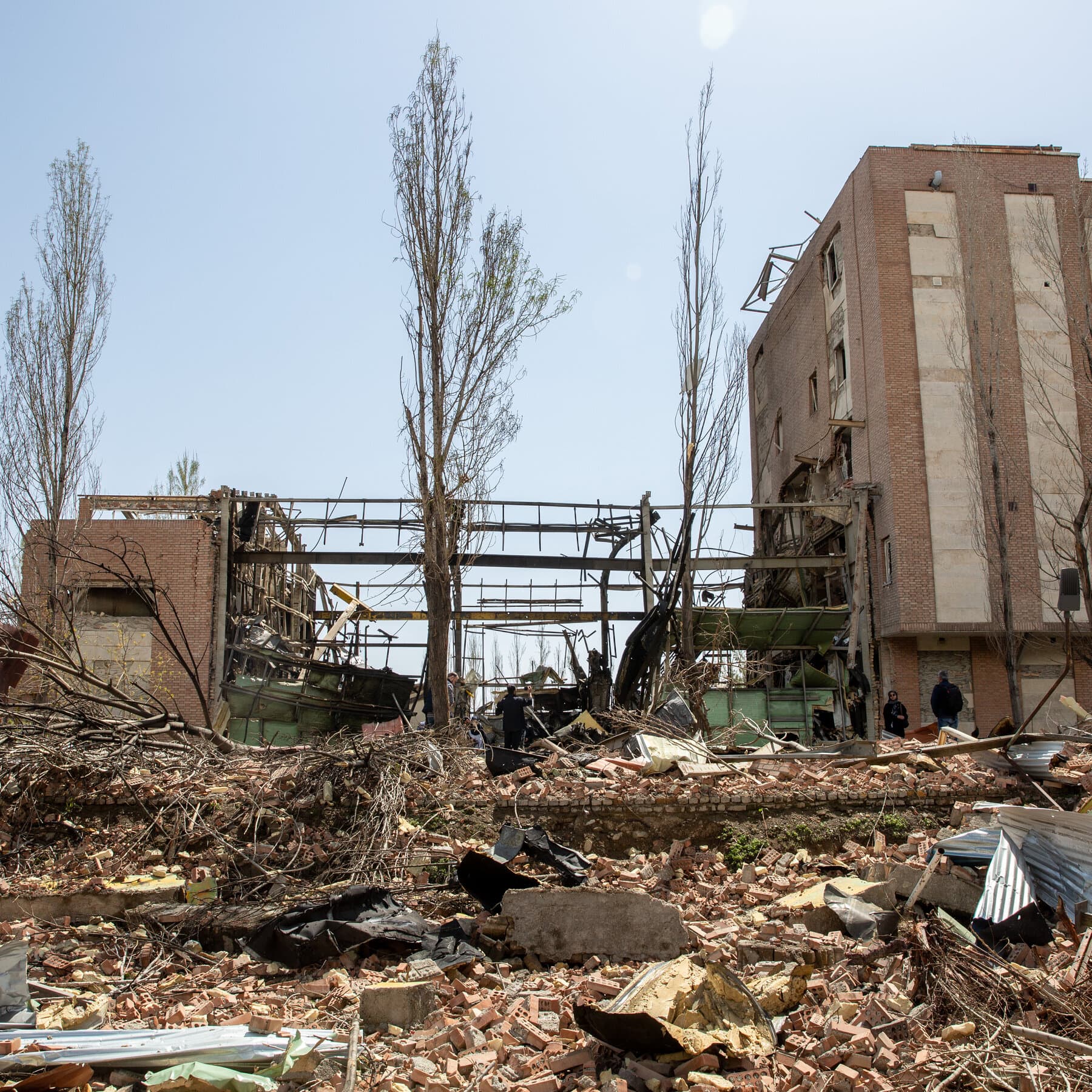
- Economy· World
US Consumer Price Index Hits 3.3 Percent Amid Iran Conflict Energy Disruptions
The United States inflation rate rose to 3.3 percent year-over-year in March 2026, driven by a significant 21.2 percent month-over-month increase in gasoline prices due to disruptions in the Strait of Hormuz from the ongoing US-Israel-Iran conflict. This inflation spike follows airstrikes initiated by the US and Israel on February 28, 2026, which prompted Iran's blockade of the Strait, affecting global oil transit. The long-term implication suggests continued economic pressure on the Biden administration as it navigates midterm elections and seeks to stabilize inflation amidst geopolitical tensions.
4 sourcesApr 11Very High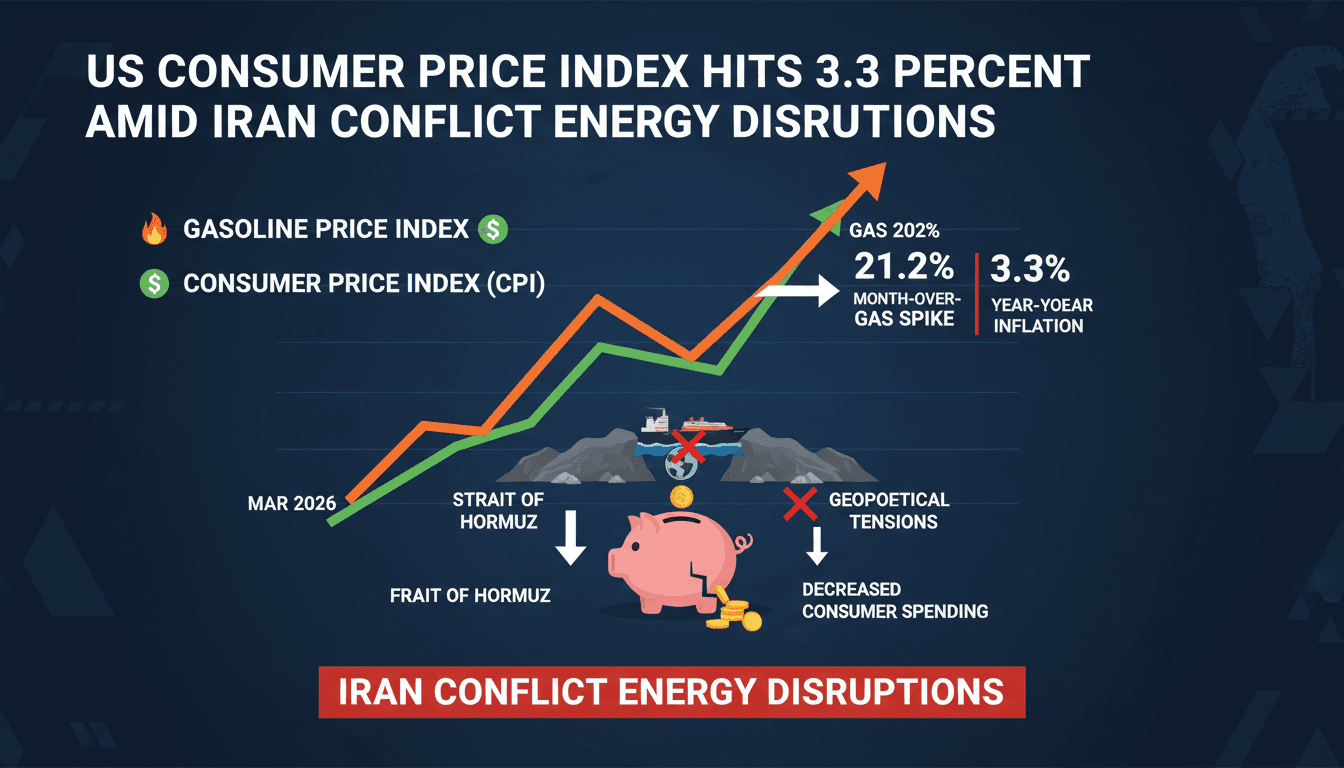
- Economy· World
U.S. Consumer Price Index Rises to 3.3% Amid Iran War Energy Crisis
The U.S. Consumer Price Index surged to 3.3% year-over-year in March 2026, driven by a significant 10.9% increase in the energy index due to the ongoing Iran War. This spike in inflation is occurring as oil supply disruptions follow U.S. and Israeli military actions against Iran that began on February 28, 2026. Long-term, this inflationary pressure may lead to delayed interest rate cuts by the Federal Reserve and increased economic instability in the region and beyond.
5 sourcesApr 11High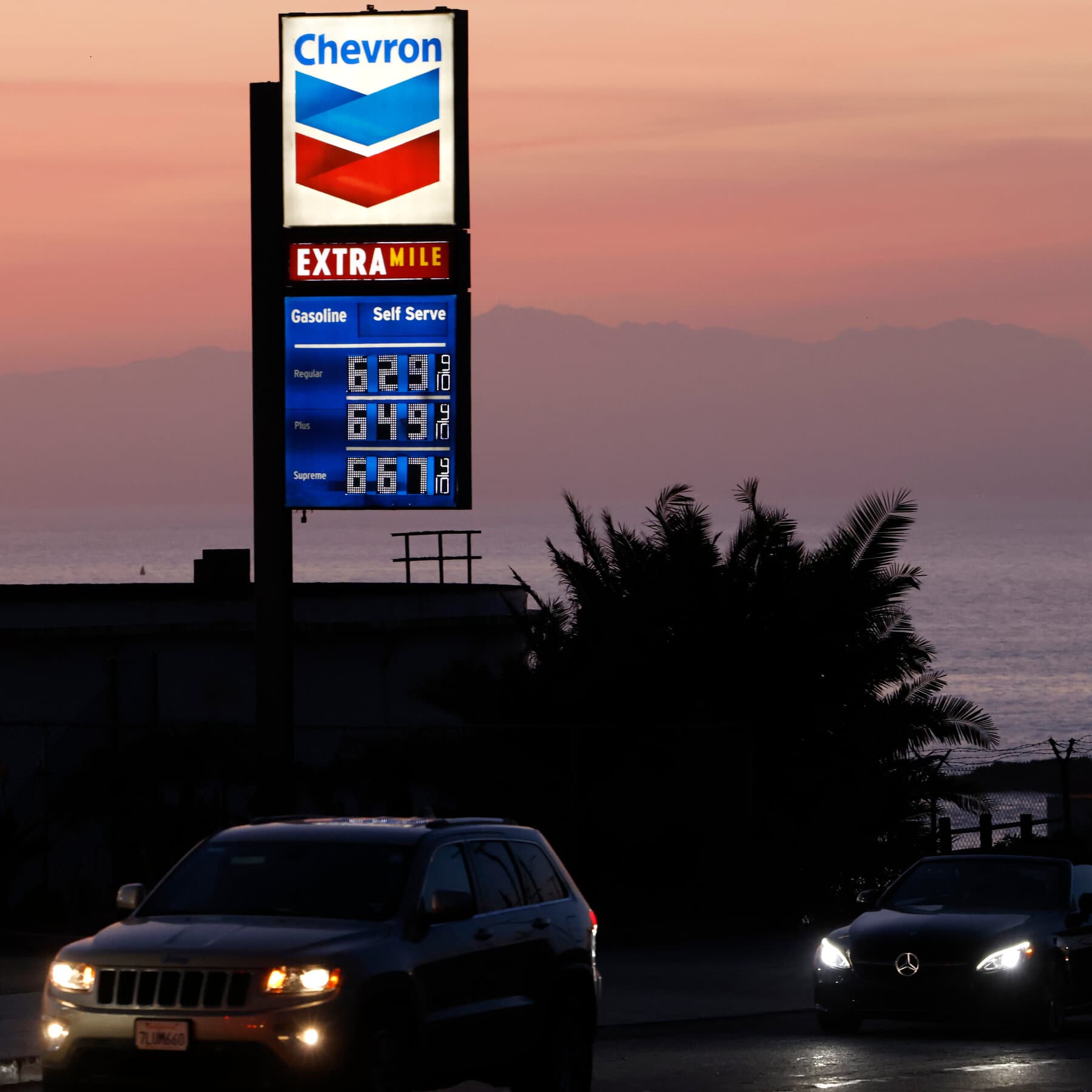
- Economy· World
U.S. Department of Energy Loans 8.48 Million Barrels from Strategic Petroleum Reserve Amid Iran Conflict
On April 10, 2026, the U.S. Department of Energy loaned 8.48 million barrels of crude oil from the Strategic Petroleum Reserve to four companies in response to oil supply disruptions caused by the U.S.-Israeli conflict with Iran. This action is part of a broader strategy to stabilize surging fuel prices, following President Trump's authorization of a 172 million barrel release to mitigate the largest supply shock in decades. Long-term, this move may influence global oil prices and market stability, impacting both U.S. and international economies.
2 sourcesApr 10Low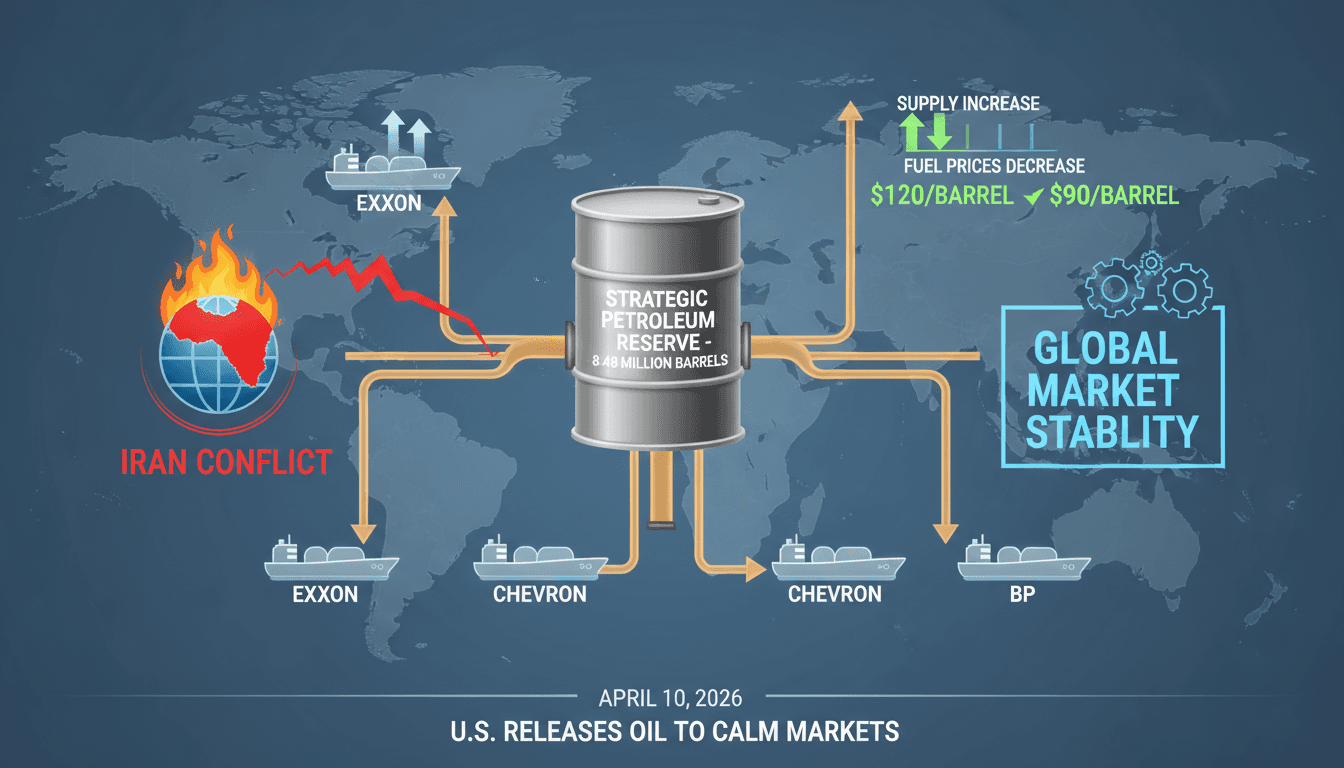
- Economy· World
Colombia and Ecuador Engage in Trade War with 100% Tariffs Amid Escalating Tensions
Colombia has raised tariffs on Ecuadorian imports to 100%, effective immediately, in response to Ecuador's similar tariff increase on Colombian goods. This escalation follows a series of retaliatory measures and diplomatic failures, driven by ongoing border security issues and a trade imbalance. The long-term implications may include significant disruptions to bilateral trade valued at over $2.6 billion annually and potential mediation efforts by the Andean Community.
2 sourcesApr 10High