Bio
Saqib is COO and co-founder at A47 AI, where he runs operations and leads the prediction-markets initiative. He covers crypto, Web3, and the decentralization of the sport and entertainment economy.
Editorial Responsibility
As A47's prediction-markets and crypto editor, I am responsible for our coverage of these markets and Web3 — ensuring it is grounded in real product, data, and revenue rather than speculation.
Previous experience · 14+ years
- · WPP Media (GroupM PK, Wavemaker PH)
- · MYCO
- · ARY Digital Network
Education
MBA Marketing, SZABIST
Areas of expertise
Categories overseen
Stories from Saqib Pathan’s desk
8714 stories- Economy· World
European Natural Gas Prices Plummet 17% Following US-Iran Ceasefire Announcement
European natural gas prices on the Dutch TTF benchmark fell 17.14% on April 8, 2026, after the United States and Iran announced a conditional two-week ceasefire. This significant price drop was triggered by eased fears over potential supply disruptions through the Strait of Hormuz, a vital route for global LNG shipments. In the long term, the ceasefire may stabilize energy markets and reduce inflationary pressures on fuel across Europe and beyond.
2 sourcesApr 8Low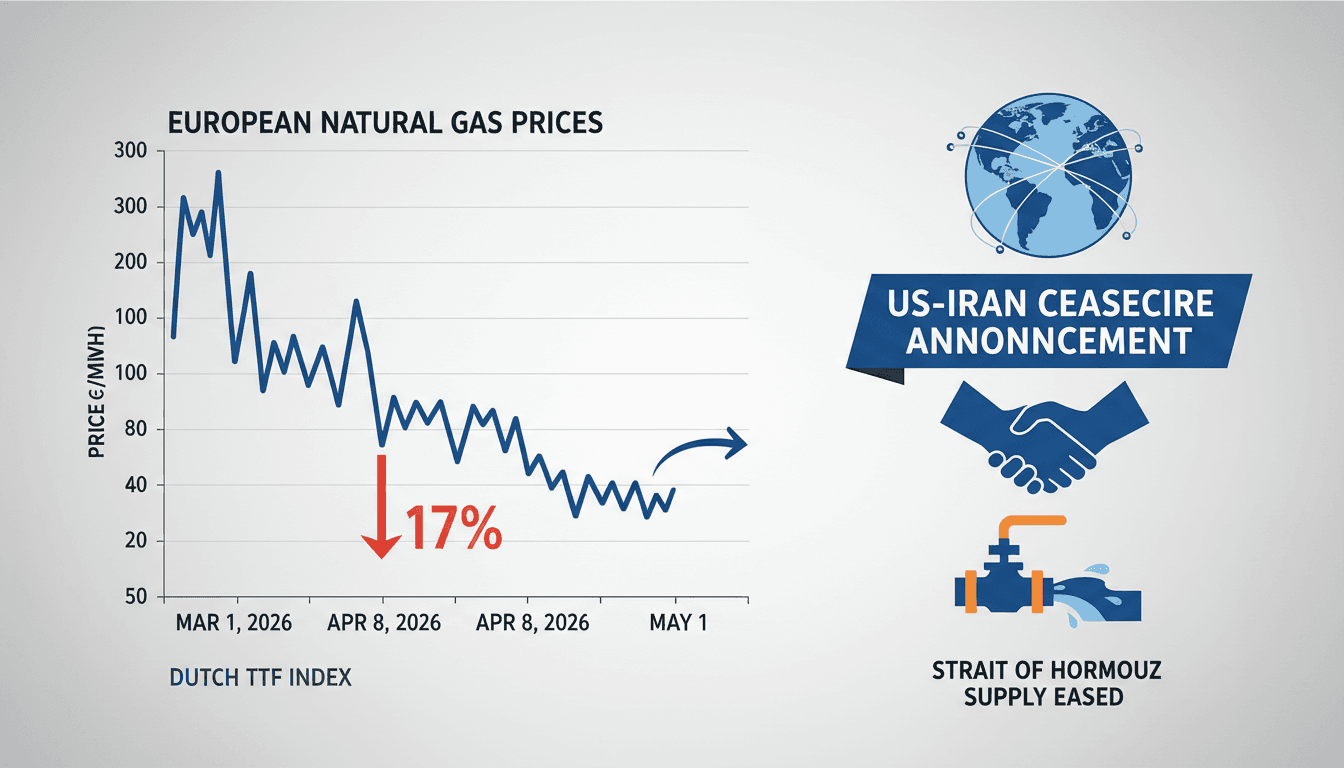
- Business· MENA
Shell Revises Q1 2026 Gas Production Guidance Following Iranian Attacks in Qatar
On April 8, 2026, Shell plc announced a reduction in its first-quarter integrated gas production guidance to 880,000–920,000 barrels of oil equivalent per day due to damage from Iranian missile strikes on Qatari facilities. The immediate cause of this revision is the March 19, 2026, attacks that impacted Shell's Pearl GTL plant and QatarEnergy's LNG trains amid escalating regional tensions. Long-term implications include a projected recovery period of 3–5 years for LNG production and increased volatility in global gas prices.
3 sourcesApr 8Low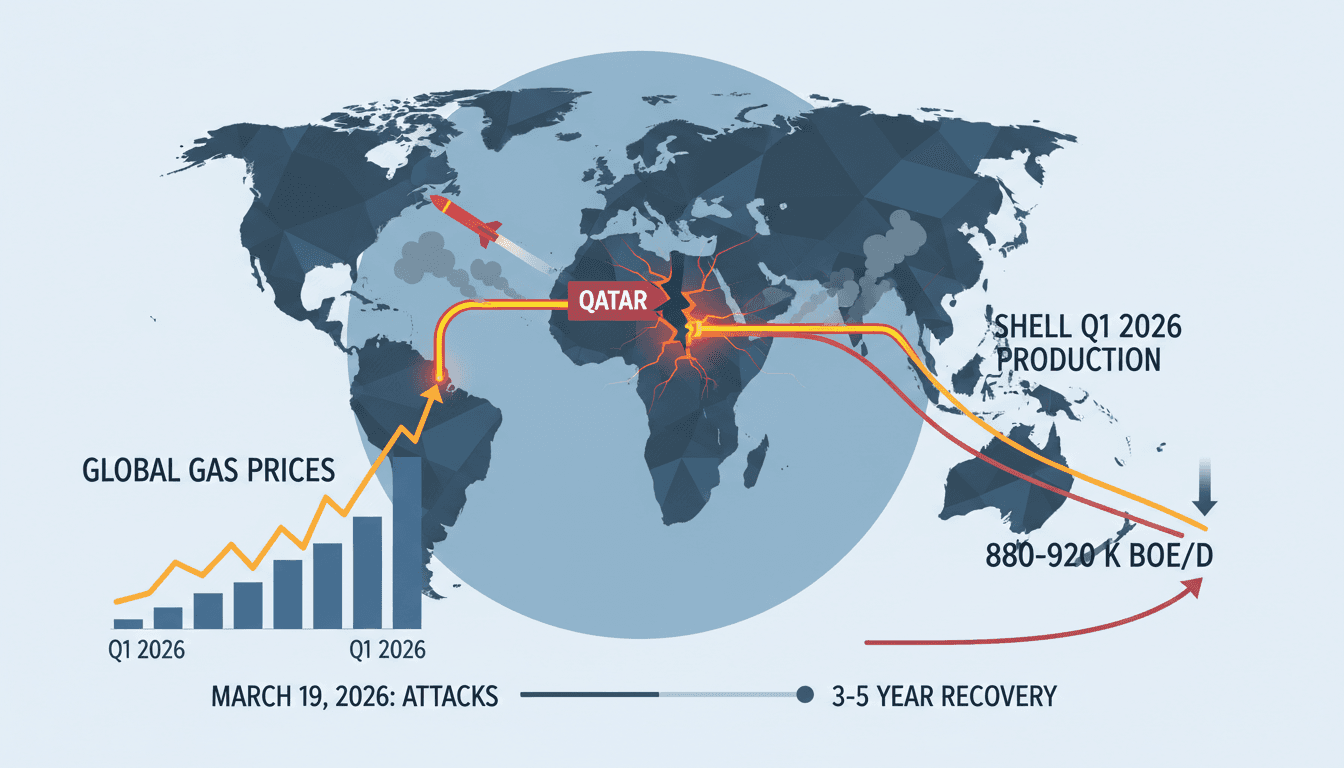
- Economy· World
German Factory Orders Rise 0.9% Amid Iran War Tensions
German factory orders increased by 0.9% month-on-month in February 2026, recovering from an 11.1% decline in January. This recovery is occurring just before the onset of the Iran war, which is expected to disrupt supply chains and escalate energy prices. Long-term implications include downgraded GDP growth forecasts and increased risks of deindustrialization in Germany due to ongoing conflict-related economic shocks.
3 sourcesApr 8Low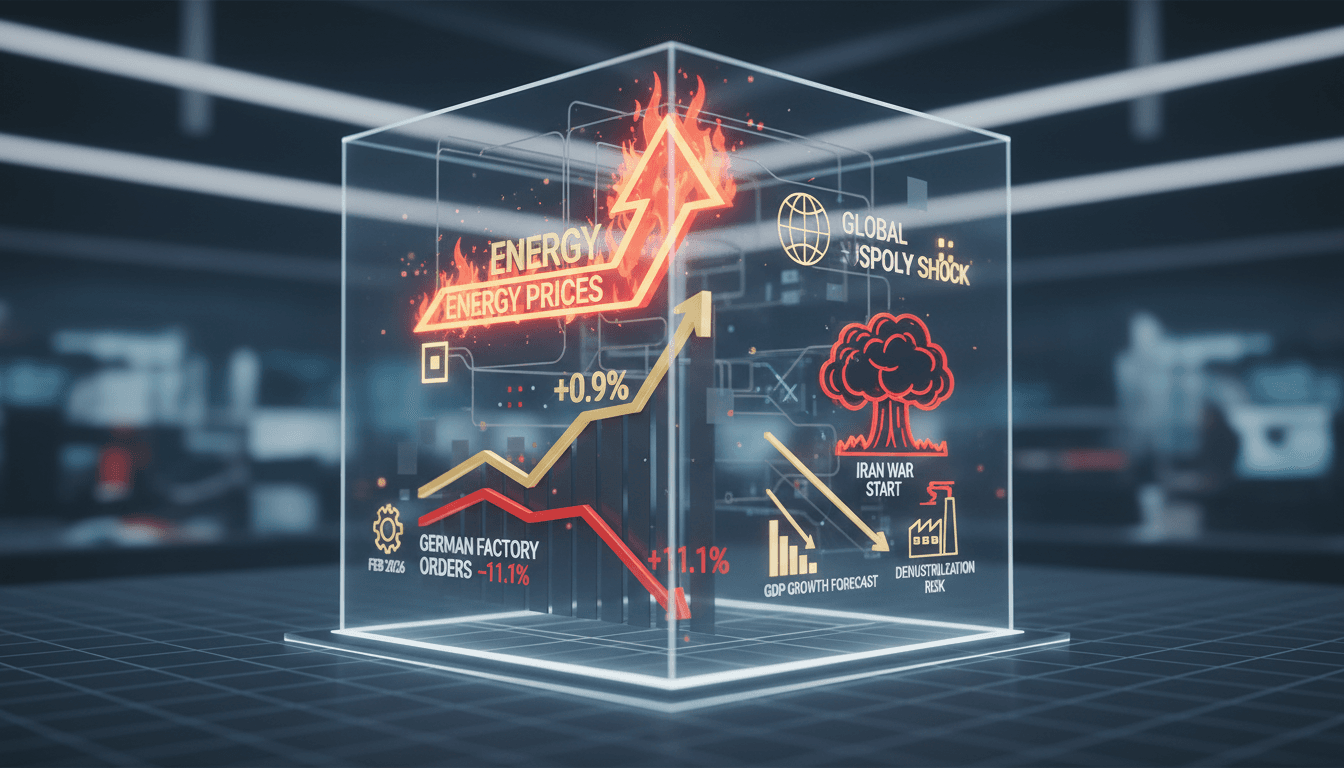
- Economy· World
Gold Prices Surge Following U.S. President's Suspension of Attacks on Iran
On April 8, 2026, spot gold prices rose 2.3% to $4,812.49 per ounce after U.S. President Donald Trump announced a two-week pause in military actions against Iran. This de-escalation was triggered by Pakistan's mediation and Iran's submission of a negotiation proposal, alleviating fears of disruptions in the Strait of Hormuz. The long-term implication suggests a potential shift towards diplomatic resolutions in the region, impacting global commodity markets and investor sentiment.
2 sourcesApr 8Low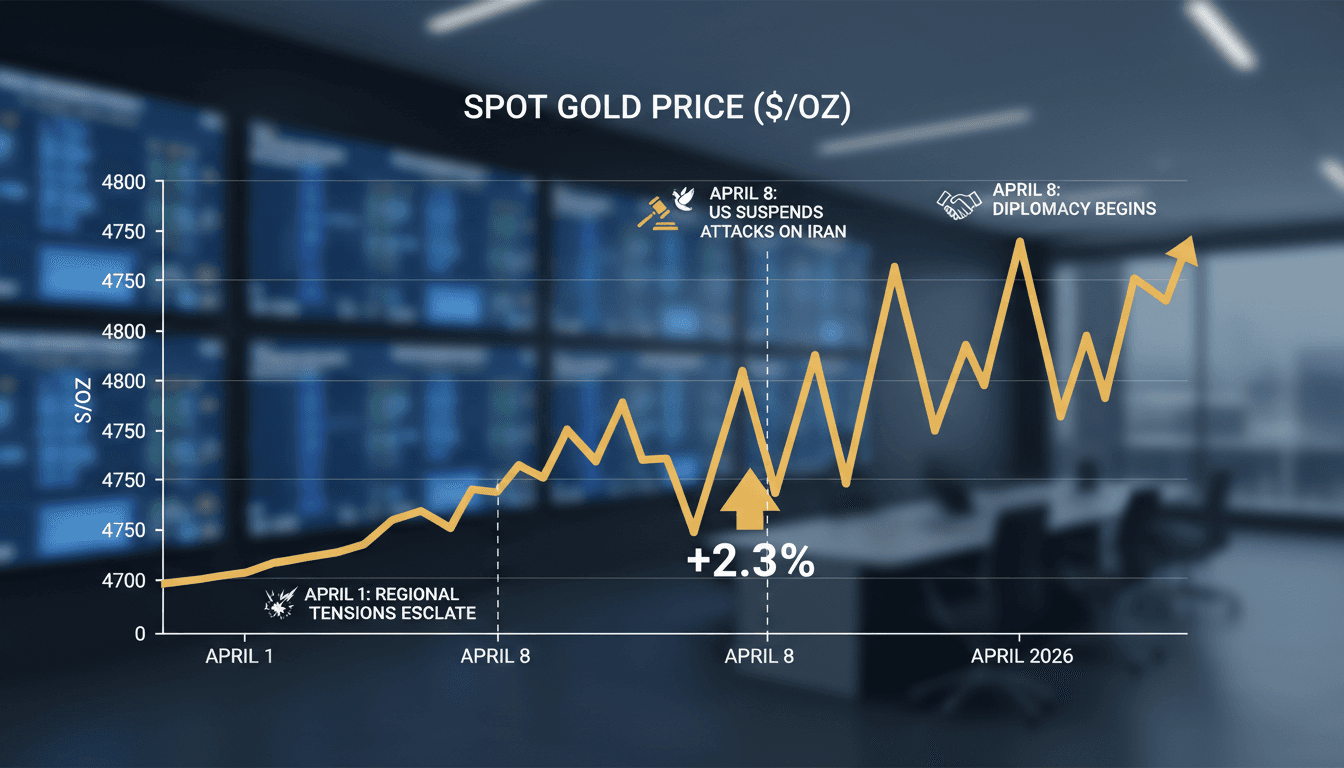
- Economy· World
Xi Jinping Promotes Demand-Driven Growth for China's Services Sector
On April 7, 2026, Xi Jinping announced a new directive at a national conference aimed at transforming China's services sector through demand-driven growth. This shift is prompted by ongoing weak consumer demand and aims to align with the goals of the 15th Five-Year Plan to increase household consumption's share of GDP. The long-term implication is a strategic pivot towards domestic consumption-led growth, potentially reshaping China's economic landscape and global service industry dynamics.
2 sourcesApr 8Low
- Economy· World
US Dollar Falls as US-Iran Ceasefire Reduces Geopolitical Tensions
On April 8, 2026, the United States dollar declined 0.9 percent to a four-week low following a ceasefire announcement between the U.S. and Iran. This shift is occurring as reduced geopolitical tensions diminish the dollar's status as a safe-haven asset amidst the ongoing Middle East conflict. In the long term, the market may stabilize if the ceasefire leads to a more permanent resolution, impacting global oil prices and inflation rates.
2 sourcesApr 8Low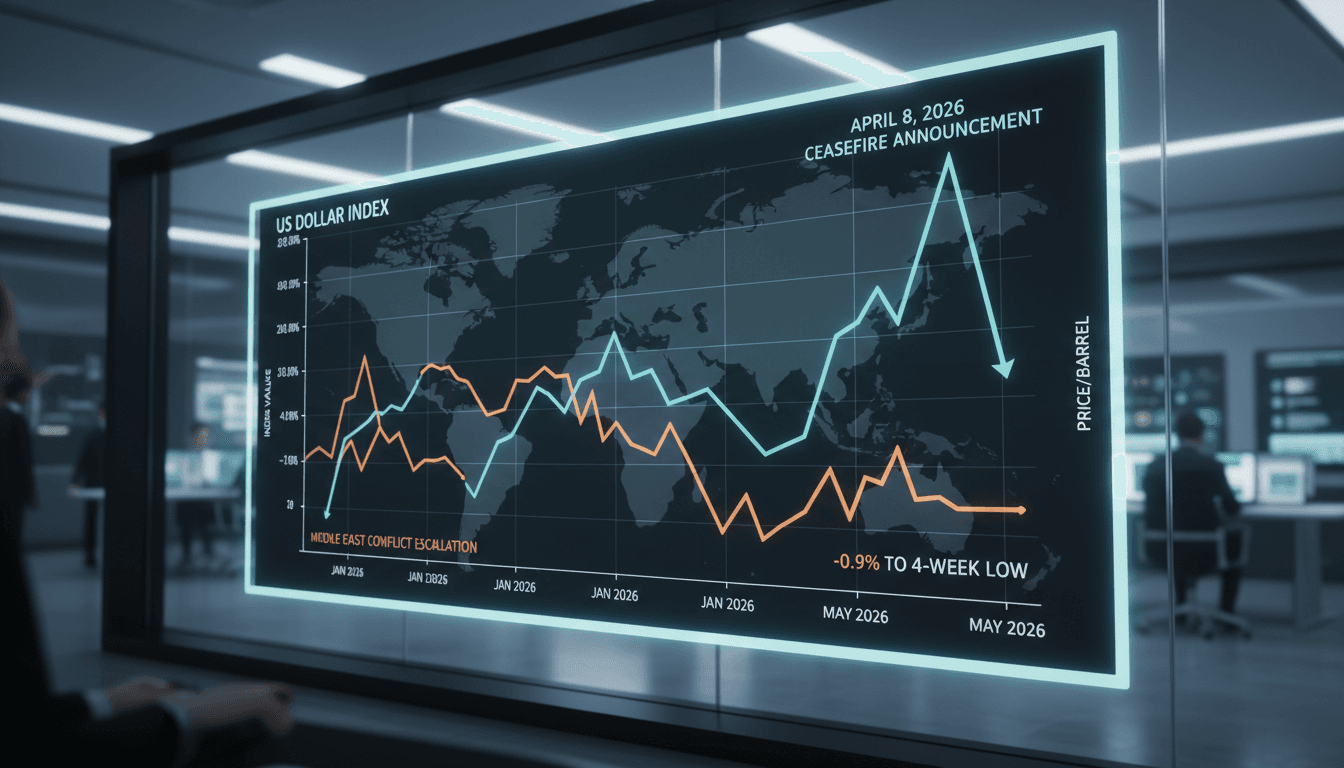
- Economy· World
Reserve Bank of India Holds Repo Rate Steady Amid Geopolitical Tensions
On April 8, 2026, the Reserve Bank of India's Monetary Policy Committee decided to maintain the repo rate at 5.25 percent. This decision comes as the ongoing US-Iran conflict disrupts oil supply routes, causing crude prices to surge and the rupee to weaken, which raises inflationary pressures. In the long term, the RBI's cautious stance may lead to further adjustments in monetary policy as external economic conditions evolve.
2 sourcesApr 8Low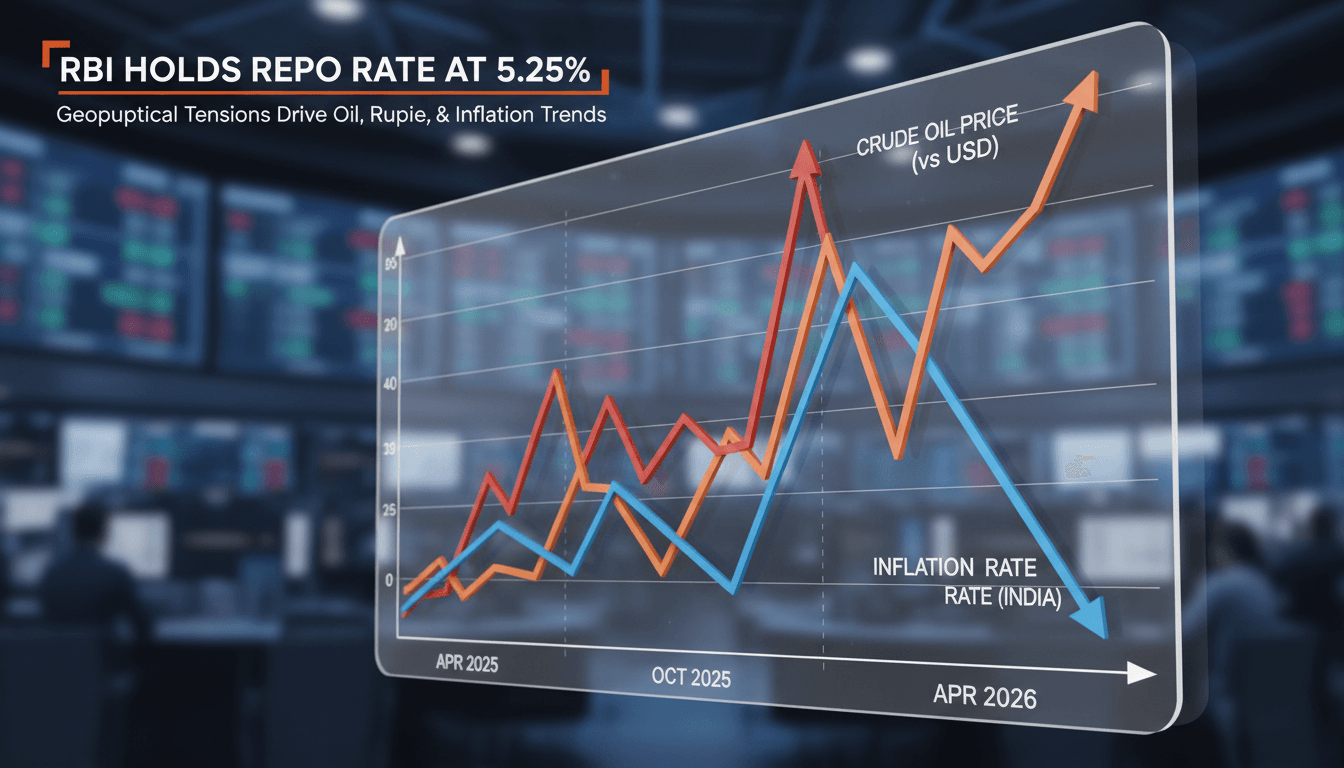
- Business· MENA
IATA Chief Warns of Prolonged Jet Fuel Supply Recovery Following Hormuz Reopening
The International Air Transport Association's Director General Willie Walsh announced that global jet fuel supply will take months to recover even after the reopening of the Strait of Hormuz. This delay is attributed to significant disruptions in Middle Eastern refining capacity, which are critical for jet fuel production. The long-term implication suggests that airlines, particularly in Asia and the Middle East, will continue to face operational challenges and increased costs due to ongoing supply chain issues.
3 sourcesApr 8Low
- Economy· World
Gold Prices Reach Three-Week High Following U.S. Suspension of Attacks on Iran
On April 8, 2026, spot gold prices surged to $4,812.49 per ounce, marking a three-week high after U.S. President Donald Trump announced a two-week suspension of military actions against Iran. This decision was triggered by the receipt of a negotiation proposal from Tehran, aimed at de-escalating tensions in the ongoing Iran war. The long-term implication suggests that if negotiations succeed, gold prices may stabilize, while failure could lead to renewed volatility in global markets.
2 sourcesApr 8Moderate
- Economy· World
US Dollar Index Hits Monthly Low as Markets Rally Following US-Iran Ceasefire Announcement
On April 8, 2026, US President Donald Trump announced a two-week ceasefire with Iran, leading to a significant shift in global financial markets. This agreement, reached just before a critical deadline for reopening the Strait of Hormuz, triggered a risk-on sentiment that caused the US dollar index to decline sharply. In the long term, the ceasefire may lead to increased market stability, although skepticism remains regarding the durability of the agreement and its implications for oil prices and regional security.
2 sourcesApr 8High
- Economy· World
Copper Prices Surge Following US-Iran-Israel Truce in Strait of Hormuz
Copper prices reached a three-week high on April 8, 2026, rising 2.9% on the London Metal Exchange after a two-week ceasefire was announced between Iran, the United States, and Israel. The truce, brokered by Pakistan, alleviated supply chain concerns that had arisen from the closure of the Strait of Hormuz amid the ongoing conflict. This development is likely to stabilize commodity prices and encourage further negotiations regarding regional security and trade routes.
4 sourcesApr 8Low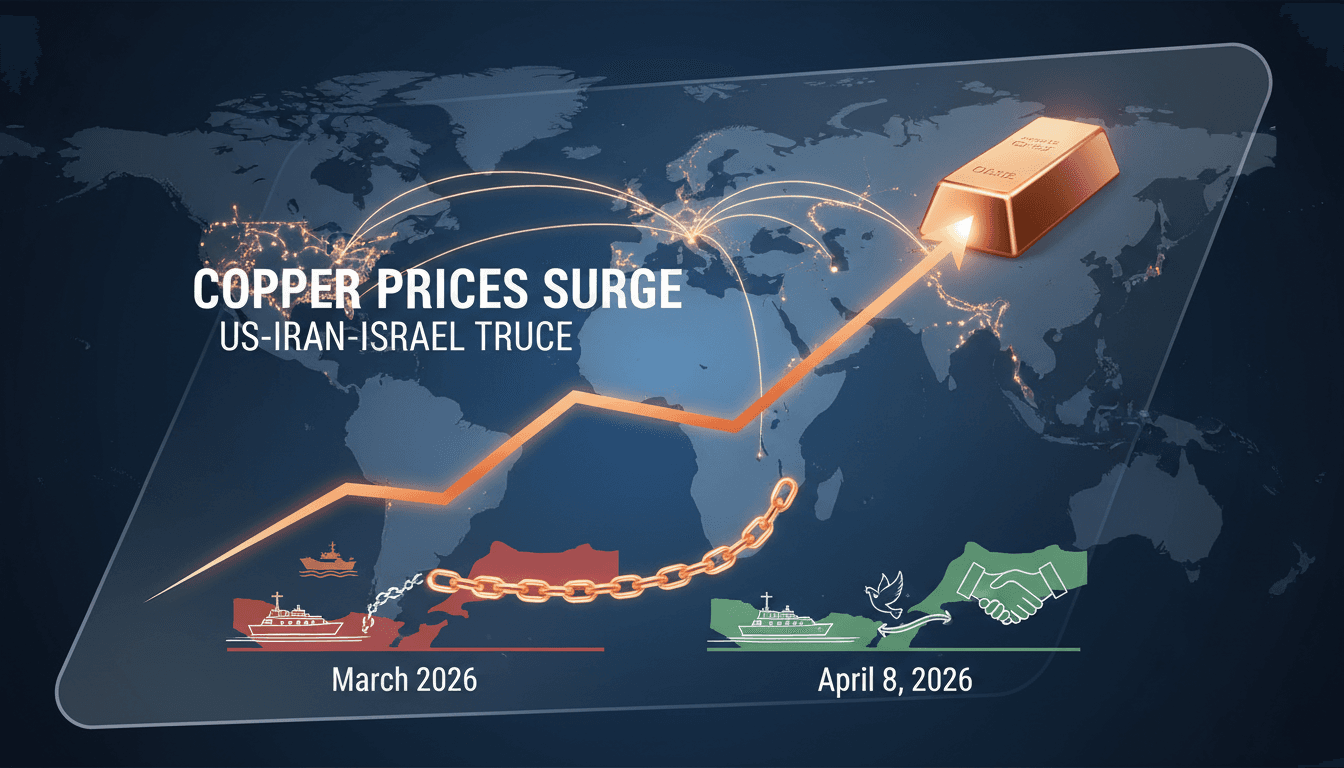
- Economy· MENA
US and Iran Agree to Two-Week Ceasefire Amid Rising Market Optimism
The United States and Iran have reached a two-week ceasefire agreement, announced on April 7, 2026. This development follows escalating tensions and is expected to stabilize oil prices, benefiting economies reliant on imports like India. In the long term, this ceasefire could lead to a more sustained recovery in Asian markets and influence upcoming monetary policy decisions in India.
2 sourcesApr 8Very High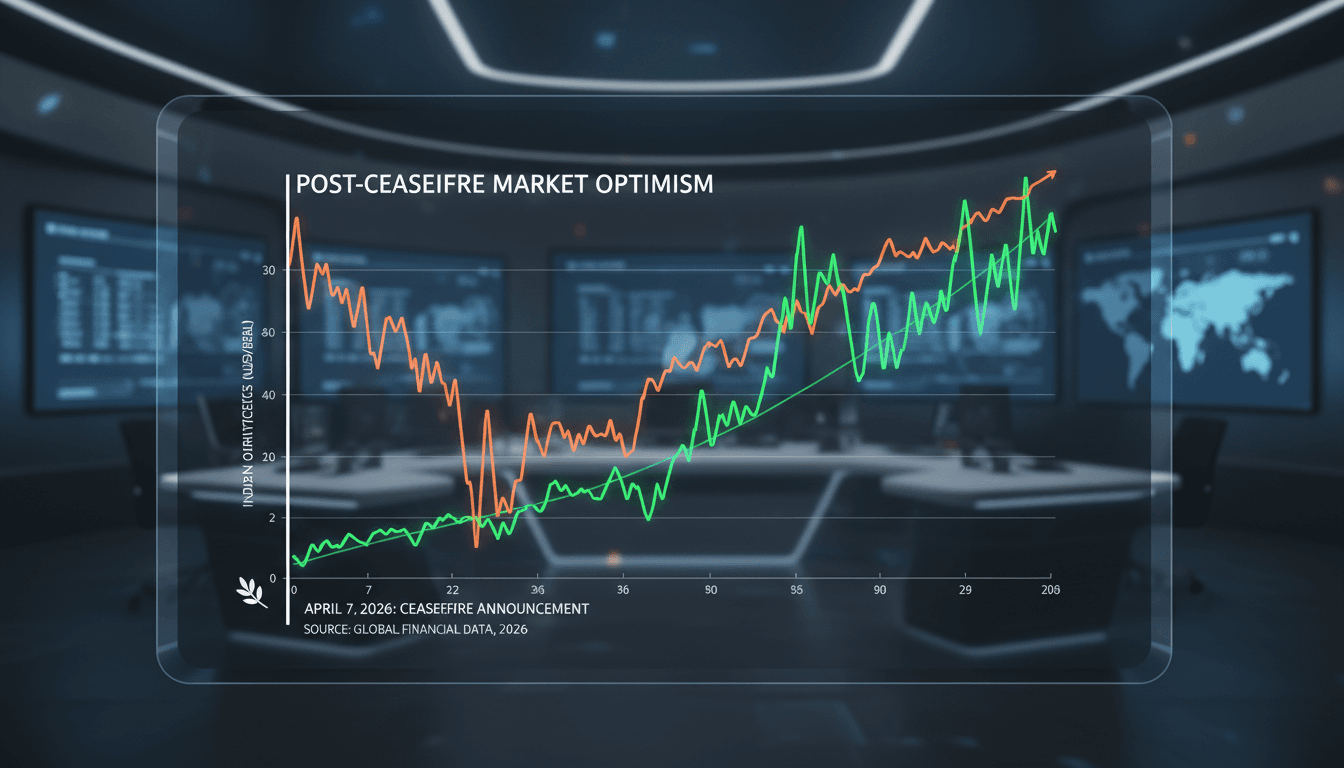
- Economy· World
Trump Administration Denies Aluminum Tariff Relief to Automakers Amid Supply Crisis
The Trump administration has denied requests from Ford and other U.S. automakers for exemptions from aluminum import tariffs as of April 7, 2026. This decision comes in response to severe supply shortages caused by two fires at the Novelis aluminum plant, which have halted production and disrupted vehicle manufacturing. The long-term implication may lead to increased vehicle prices and further strain on domestic production capabilities in the automotive sector.
3 sourcesApr 8Low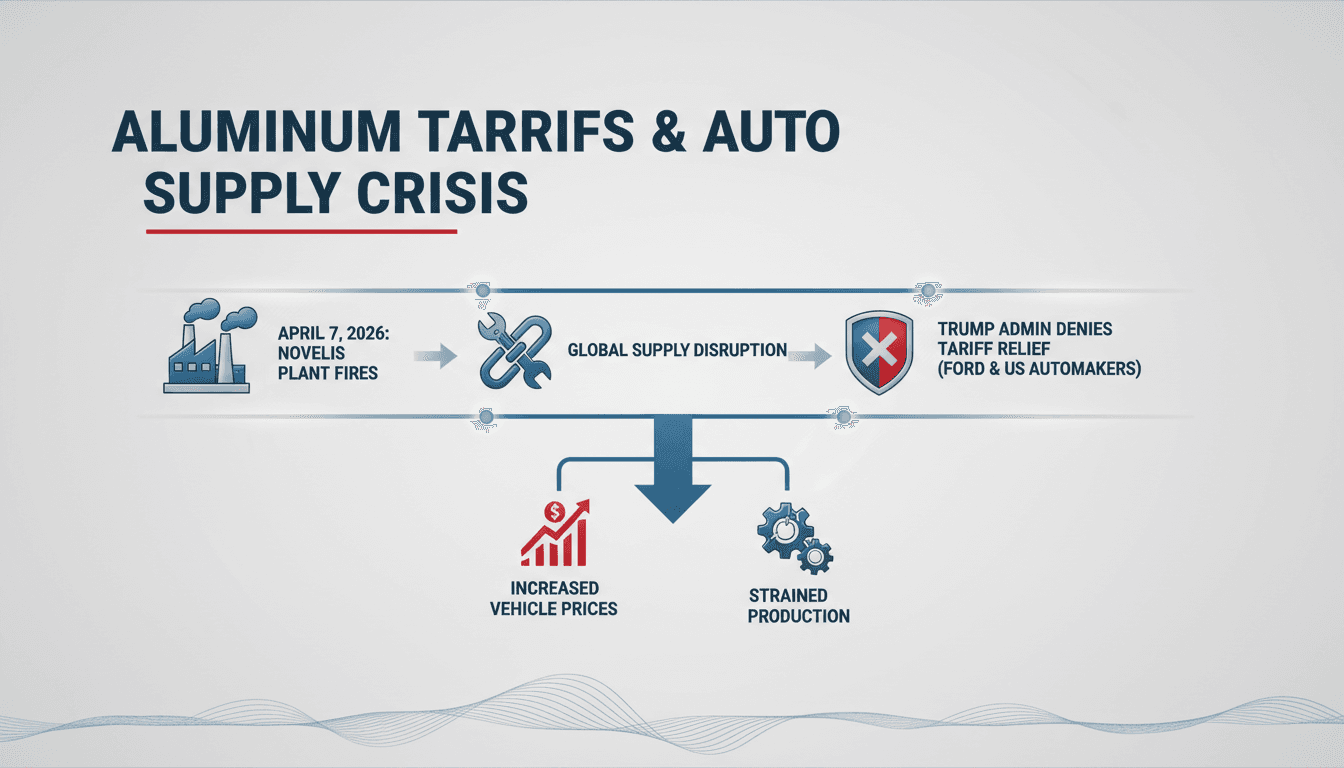
- Economy· MENA
Iran War Triggers Economic Disruptions Impacting Global Consumer Expenditures
The ongoing Iran War, initiated on February 28, 2026, has led to significant economic disruptions affecting consumer spending patterns across the Middle East and beyond. This escalation is driven by heightened geopolitical tensions surrounding Iran's nuclear program, resulting in supply chain interruptions and inflationary pressures on essential goods. Long-term, the conflict risks a global recession as markets exhibit volatility and inflation forecasts rise in response to the war's economic fallout.
2 sourcesApr 8High
- Economy· MENA
Iran Launches Attacks on Kuwaiti and Bahraini Energy Facilities Driving Oil Prices Toward $150
Iran executed coordinated drone and ballistic missile strikes on oil and petrochemical facilities in Kuwait and Bahrain, escalating the ongoing conflict in the region. This aggressive action coincided with the nearing expiration of a U.S. ceasefire deadline, aiming to exert economic pressure on international actors. The long-term implication includes a potential peak in oil prices at $150 per barrel, exacerbating global stagflation risks and prompting economic relief measures from Gulf states.
3 sourcesApr 8High
- Economy· MENA
International Energy Agency Issues Warning of Severe Global Energy Crisis Due to Strait of Hormuz Closure
On April 7, 2026, the International Energy Agency warned of a 'Black April' as global energy supply losses doubled due to the closure of the Strait of Hormuz. This crisis was triggered by Iran's effective blockade following U.S.-Israeli military actions, which have severely damaged energy infrastructure. The long-term implication is a potential acceleration towards renewable energy solutions as nations grapple with rising oil prices and energy conservation needs.
3 sourcesApr 8Moderate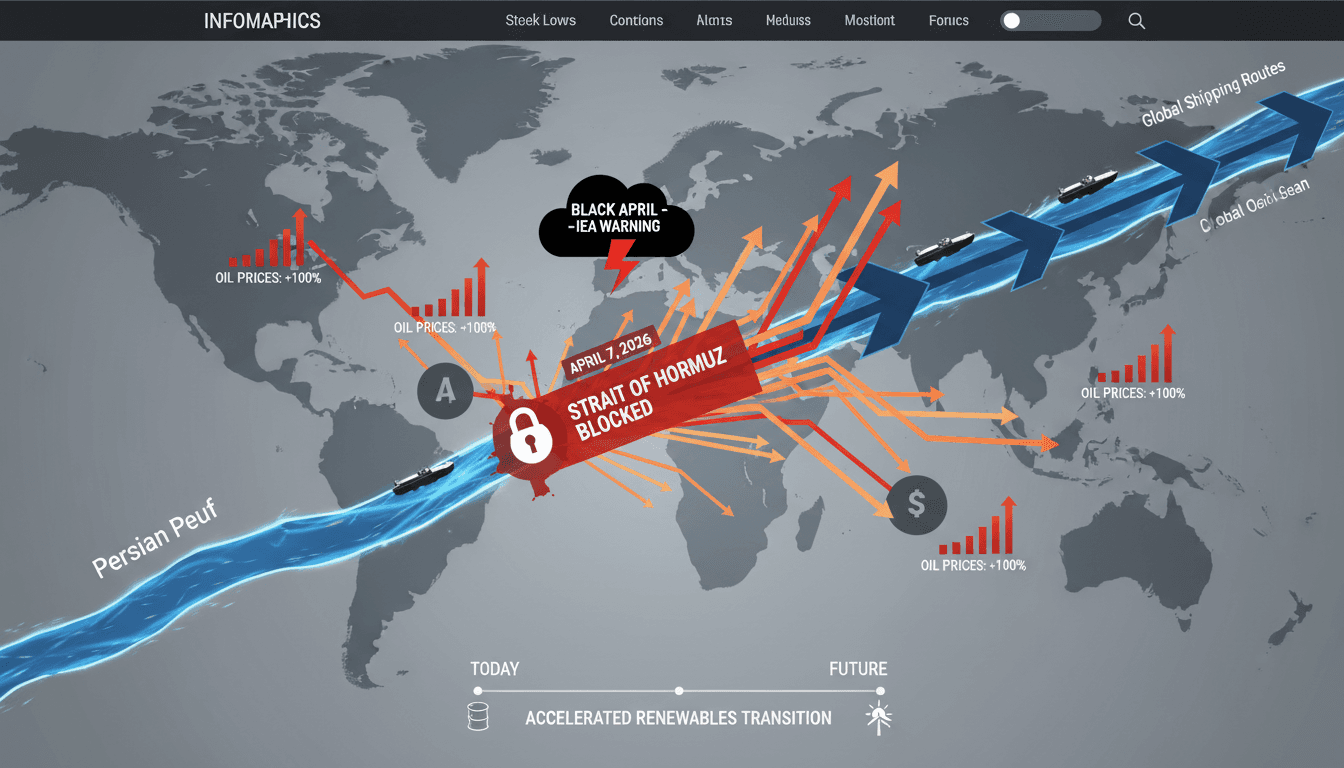
- Economy· MENA
Gold Prices Drop as Investors Await Trump Deadline for Iran's Strait of Hormuz Reopening
Spot gold prices fell 0.2% to $4,638.30 amid investor caution before U.S. President Donald Trump's deadline for Iran to reopen the Strait of Hormuz. This decline is driven by heightened tensions following Iran's closure of the vital shipping route in response to U.S.-Israeli military actions. The situation suggests ongoing volatility in global commodity markets, with potential implications for energy prices and geopolitical stability in the region.
3 sourcesApr 8Moderate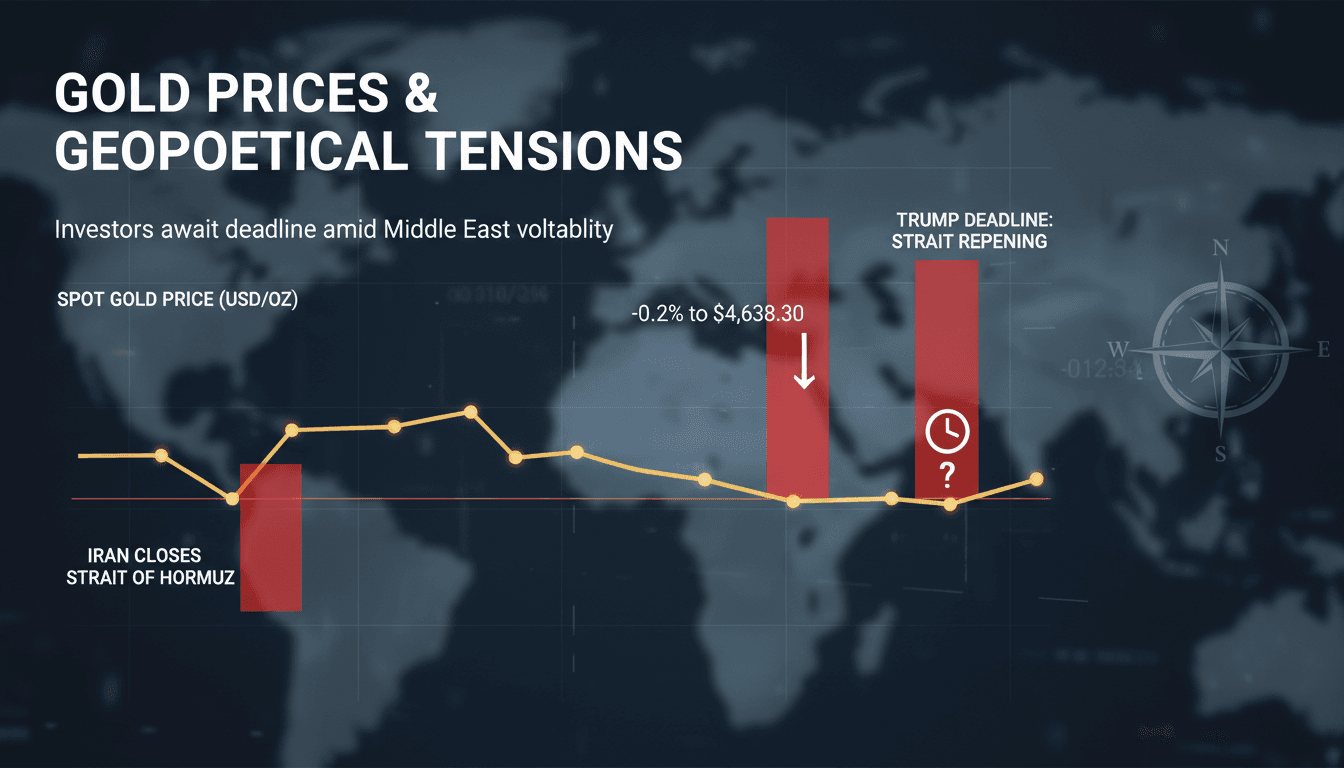
- Economy· World
18% of French Fuel Stations Report Shortages Due to Logistical Disruptions
On April 7, 2026, French Minister of State for Energy Maud Bregeon announced that approximately 18% of fuel stations across France were facing shortages in at least one type of fuel. This situation is primarily driven by logistical challenges stemming from a price cap imposed by TotalEnergies, which has led to increased consumer demand. In the long term, this could prompt the French government to implement targeted aids and crisis loans to stabilize the fuel supply and address public discontent.
3 sourcesApr 8Low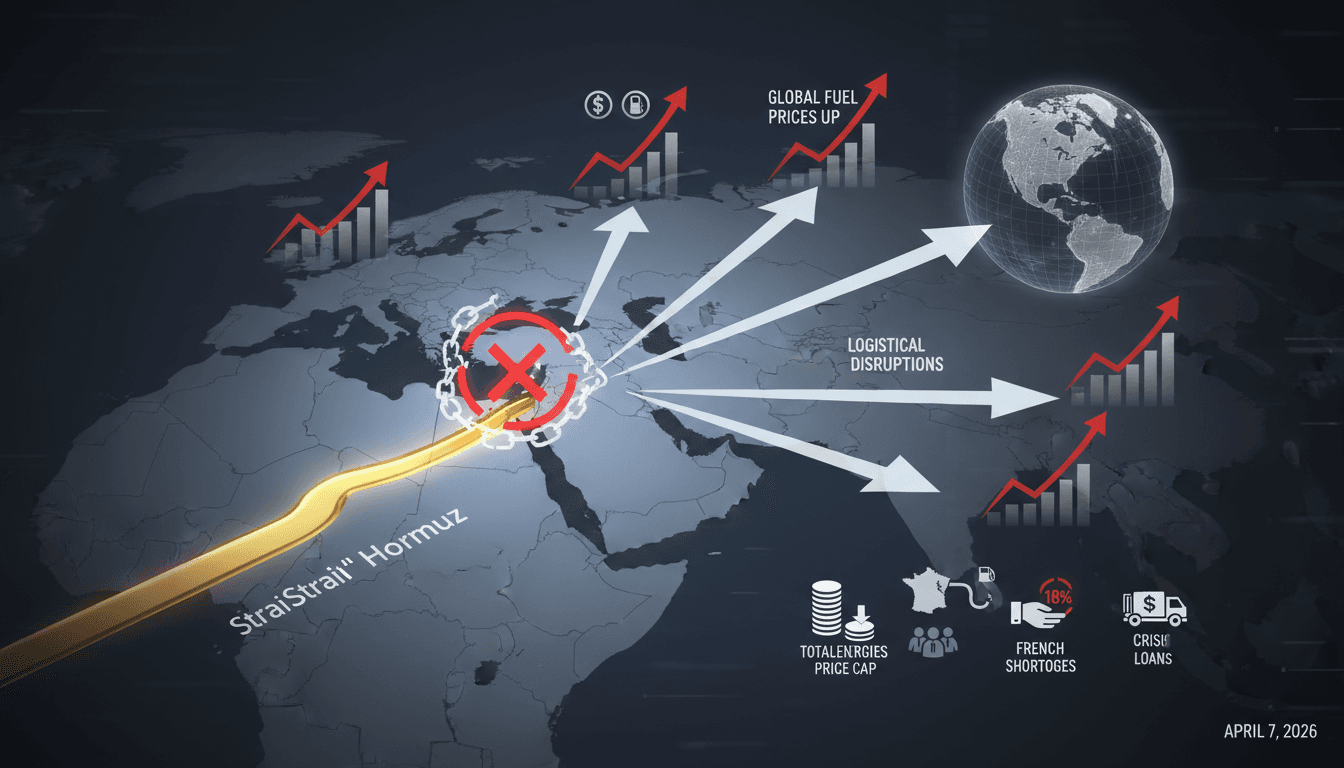
- Economy· World
Brent Crude Prices Exceed WTI Amid Strait of Hormuz Disruptions
Brent crude oil futures surpassed West Texas Intermediate prices, reaching $111.16 per barrel due to supply disruptions in the Strait of Hormuz. This shift is triggered by escalating US-Iran geopolitical tensions that have partially closed this critical shipping route, affecting 20% of global oil flows. The long-term implication may lead to increased volatility in global oil markets and potential shifts in energy sourcing strategies for major importers.
3 sourcesApr 8Low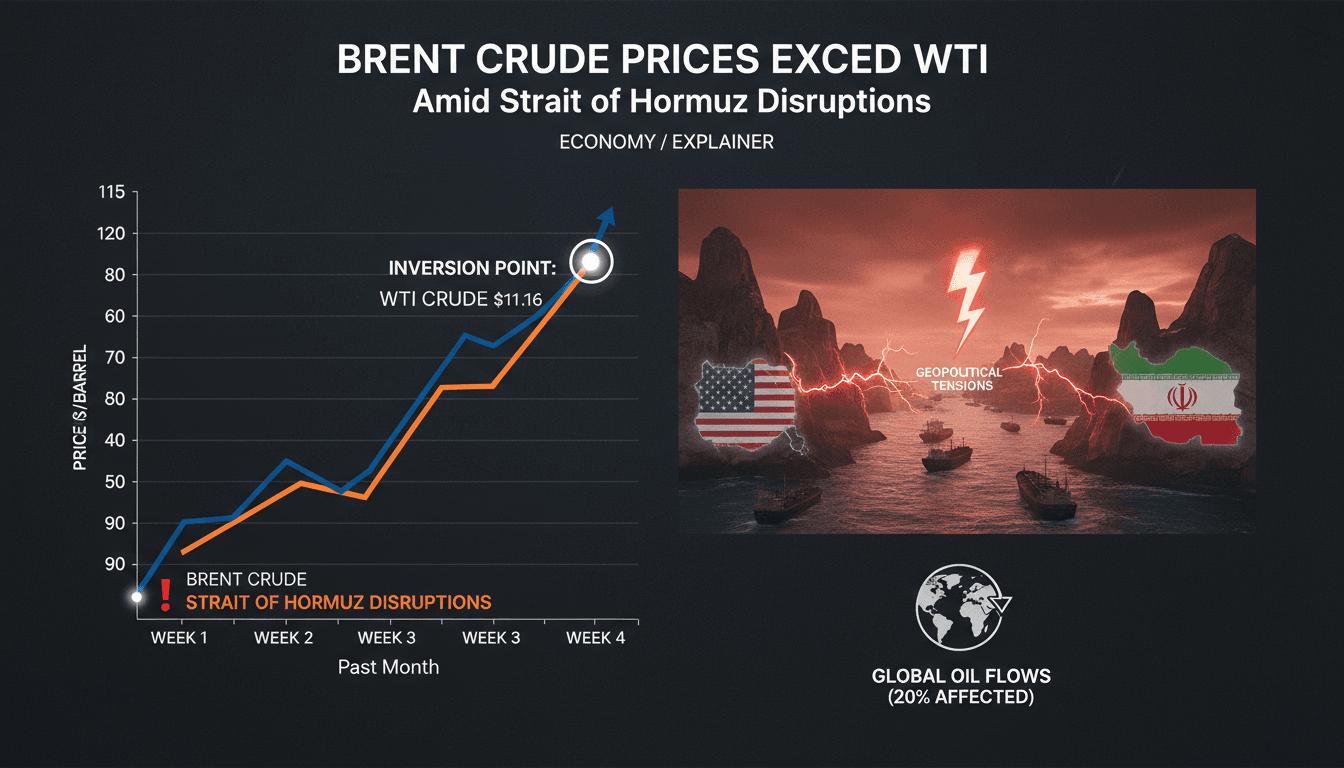
- Business· MENA
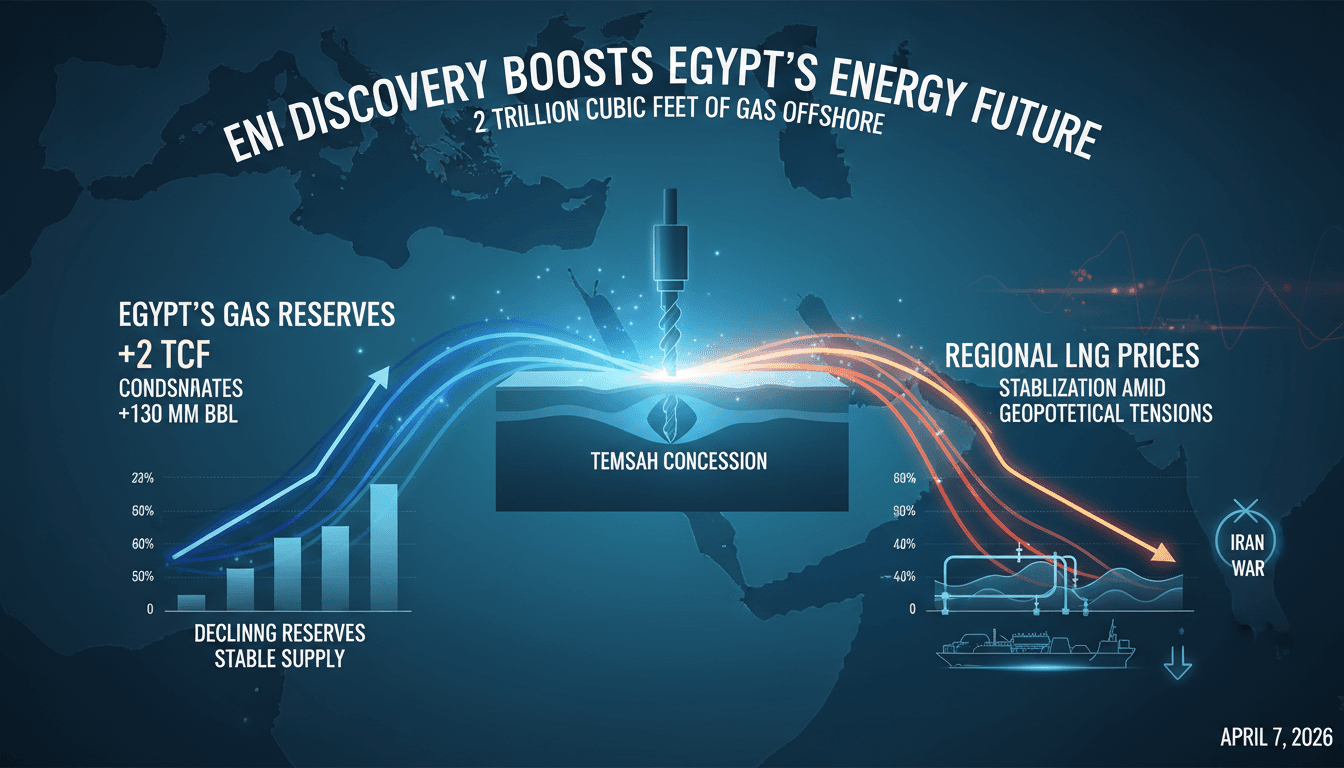
Eni Discovers 2 Trillion Cubic Feet of Gas and 130 Million Barrels of Condensates in Egypt
On April 7, 2026, Eni announced a significant discovery of approximately 2 trillion cubic feet of gas and 130 million barrels of condensates in the Temsah Concession offshore Egypt. This discovery is driven by the need to replenish Egypt's declining gas reserves and rising energy import costs, following a 20-year concession renewal with Egyptian authorities. The long-term implication is a potential stabilization of Egypt's energy sector and regional LNG prices amid ongoing geopolitical tensions, particularly related to the Iran war.
4 sourcesApr 8Low