
Nike limits third-party online sales in China to enhance direct-to-consumer strategy
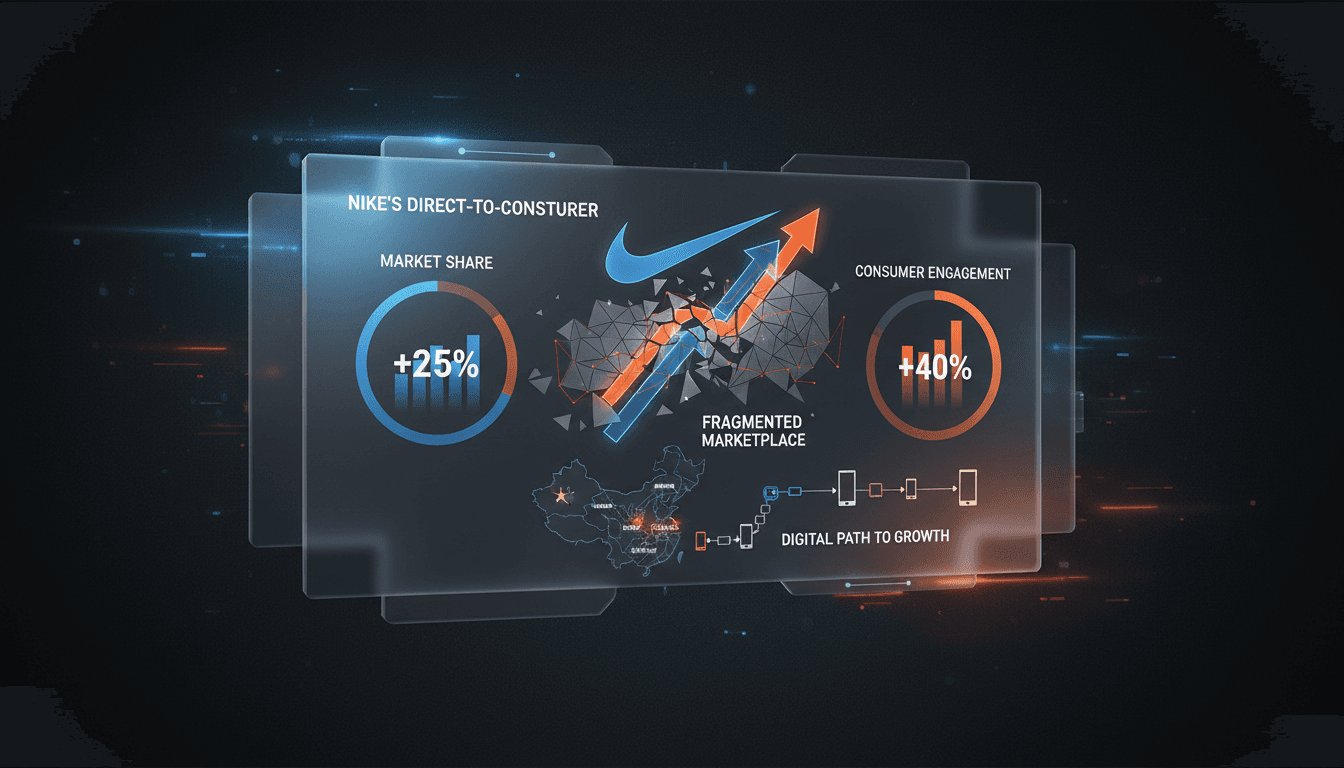
Here's what it means for you.
Nike's decision to limit third-party online sales in China signals a strategic pivot towards direct-to-consumer engagement. This move is likely to reshape the competitive landscape, as brands may follow suit to gain better control over their distribution channels. For stakeholders, this shift emphasizes the importance of brand management and customer experience in a fragmented market. As Nike enhances its direct sales approach, it may also influence consumer expectations regarding brand interactions. The implications of this strategy could extend beyond China, potentially affecting global retail dynamics.
What happened
Nike has announced a significant change in its online sales strategy by cutting off most third-party vendors in China. This decision is part of a broader effort to streamline operations and enhance customer engagement in a competitive environment. The company aims to reduce reliance on external platforms, which have contributed to a fragmented online retail landscape.
The expected reduction in third-party vendors is projected to be around 70%, highlighting Nike's commitment to strengthening its direct-to-consumer sales approach. This strategic shift is designed to improve brand control and customer experience, addressing the challenges posed by the current marketplace.
The Context
Nike's decision comes amid a rapidly evolving retail environment in China, characterized by a fragmented online marketplace. The company recognizes the need to adapt its strategy to maintain competitiveness and enhance brand management. By limiting third-party sales, Nike aims to regain control over its distribution channels, a trend that is becoming increasingly common among brands facing similar challenges.
This move reflects a broader industry shift towards direct sales, as companies seek to foster stronger relationships with consumers. The timing of this announcement is crucial, as it positions Nike to better navigate the complexities of the Chinese market while setting a precedent for other brands.
Takeaway
As Nike implements this new strategy, its success will hinge on effectively managing direct sales and fostering customer loyalty. Observers should monitor Nike's sales performance in China following this shift, as it will provide insights into the effectiveness of the direct-to-consumer model. Additionally, competitor responses to Nike's strategy will be critical to watch, as they may influence market dynamics.
This strategic pivot may inspire other brands to reconsider their distribution approaches in competitive markets. The long-term implications of Nike's decision could reshape how brands engage with consumers in the digital retail space.
U.S. business news, corporate developments, and economy.
"The Wall Street Journal is respected for deep financial and economic reporting with a center-right editorial perspective."
— A47 Editor
Nike Reboots Its Troubled China Operations
Nike is revamping its operations in China by cutting off most online third-party vendors, aiming to take greater control over its sales channels. This strategic shift is part of a broader effort to enhance its direct sales through its official websit...
Regional and international reporting focused on Middle Eastern politics, diplomacy, and economics.
"Asharq Al-Awsat is a Saudi-owned international newspaper reflecting mainstream Gulf political perspectives."
— A47 Editor
Nike to Tighten Online Sales in China Amid ‘Fragmented’ Marketplace
Nike is set to tighten its online sales strategy in China, responding to a fragmented marketplace that has posed challenges for the brand. This decision comes amid ongoing difficulties in the Chinese market, which is critical for Nike's growth and pr...
Macro commentary, policy analysis, growth/inflation themes, and global outlooks.
"Contextual macro coverage that complements day-to-day market headlines."
— A47 Editor
Nike to tighten online sales in China amid ’fragmented’ marketplace
Nike is tightening its online sales strategy in China, responding to a fragmented marketplace by shifting to direct sales through its official website and flagship stores on platforms like Tmall, JD.com, and Douyin. This change follows the terminatio...