
Boeing reports $428 million net loss driven by Air Force One program delays
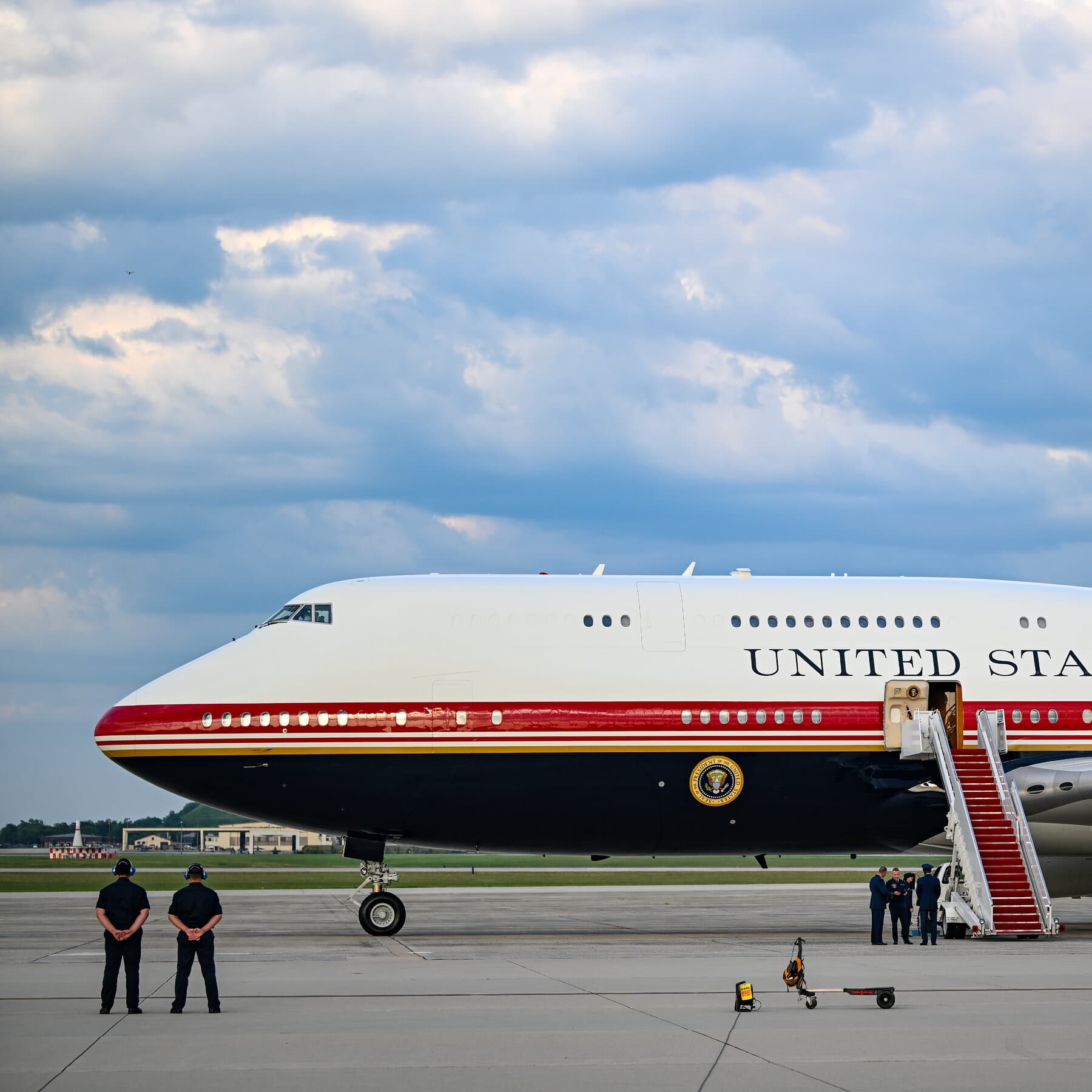
Here's what it means for you.
Boeing's recent financial report highlights significant challenges within its Air Force One replacement program, which is now four years behind schedule. The $428 million net loss raises concerns about the company's operational efficiency and ability to manage large-scale government contracts. However, the generation of positive free cash flow suggests that Boeing may still have the potential for recovery as it navigates these difficulties. Investors and stakeholders will be closely monitoring Boeing's progress in addressing these delays and cost overruns, as the implications extend beyond financial performance to national security and government relations.
What happened
Boeing reported a net loss of $428 million for the second quarter of 2026, primarily driven by a $280 million charge related to its delayed Air Force One replacement program. This program has faced significant setbacks, now running four years behind schedule and accumulating cost overruns exceeding $1 billion. Despite these challenges, Boeing managed to generate $631 million in free cash flow during the same quarter, indicating some operational recovery.
The financial impact of the Air Force One program has been substantial, with the company reporting a core loss per share of 76 cents, which was worse than the anticipated 30 cents. This situation underscores the difficulties Boeing faces in meeting its contractual obligations while managing production costs effectively.
The Context
The Air Force One replacement program, contracted in 2018 for $3.9 billion, has become a focal point of scrutiny for Boeing. The delays and rising costs have not only affected the company's financial standing but also raised questions about its ability to fulfill government contracts. Stakeholders, including the U.S. government and investors, are particularly concerned about the implications of these delays on national security and operational readiness.
Boeing's commitment to maintaining guidance for positive free cash flow for the year suggests a strategic focus on financial recovery. However, the ongoing challenges within the Air Force One program will require careful management and transparency to restore confidence among stakeholders.
Takeaway
Looking ahead, Boeing's ability to navigate the complexities of the Air Force One program will be crucial for its financial recovery. Investors should monitor the company's progress on delivery timelines and any further cost overruns that may arise. The focus on improving cash flow and managing production costs will be essential as Boeing aims to meet its commitments by 2028.
As Boeing works to address these challenges, updates on the Air Force One program will be critical for understanding the company's overall financial health and operational strategy moving forward.
Capitol Hill news, legislation, and policy insight.
"The Hill specializes in U.S. politics and policy, with a focus on Capitol Hill developments and a reputation for insider reporting."
— A47 Editor
Boeing takes $280 million hit on troubled Air Force One program
Boeing reported a $280 million loss in the second quarter of 2026 due to delays in the Air Force One program, which is now four years behind schedule. The contract, initiated during President Trump's first term, aims to replace two aging presidential...
Markets, economy, and company analysis from NYT’s business desk.
"The New York Times is a globally recognized newspaper offering authoritative reporting with a center-left editorial stance."
— A47 Editor
Boeing Reports Loss on $280 Million Hit to Troubled Air Force One Program
Boeing has reported a significant loss of $280 million due to delays in the Air Force One program, pushing back the delivery of two presidential planes by four years. This setback has been attributed to rising costs associated with the project, which...
U.S. business news, corporate developments, and economy.
"The Wall Street Journal is respected for deep financial and economic reporting with a center-right editorial perspective."
— A47 Editor
Boeing Spends Big to Meet Deadline for New Air Force One
Boeing is facing significant financial challenges as it reported a larger-than-expected loss, primarily due to rising costs associated with the Air Force One project, which is set to be delivered by 2028. The company has invested heavily to meet this...
Business, markets, economy, and corporate news with strong UAE and regional relevance.
"Emirates 24|7 business coverage tends to center UAE markets, property, regulation, and regional economic developments."
— A47 Editor
Boeing posts larger-than-expected Q2 loss as Air Force One costs rise
Boeing reported a larger-than-expected net loss of $428 million for the second quarter, primarily due to a $280 million charge related to its Air Force One replacement program, which is facing increased engineering costs and delays. The core loss per...
Market-moving headlines impacting equities, bonds, and related risk assets.
"Real-time catalysts and volatility drivers across indices and sectors."
— A47 Editor
Boeing posts larger-than-expected Q2 loss as Air Force One costs rise
Boeing reported a larger-than-expected loss for the second quarter, primarily driven by rising costs associated with the Air Force One project. The aerospace giant missed earnings per share expectations, despite a revenue beat, indicating ongoing fin...