
Samsung Electronics reports record Q2 2026 profits driven by AI memory chip demand
Here's what it means for you.
Samsung Electronics' record profits signal a significant shift in the semiconductor market, driven by the escalating demand for AI-related memory chips. This trend not only highlights the company's robust position but also underscores the critical role of AI technologies in shaping future market dynamics. As the memory-chip shortage persists, stakeholders should closely monitor Samsung's strategies and the broader implications for the tech industry. The implications extend beyond Samsung, affecting supply chains and pricing structures across the semiconductor landscape. Companies reliant on memory chips for AI applications may need to reassess their procurement strategies in light of these developments.
What happened
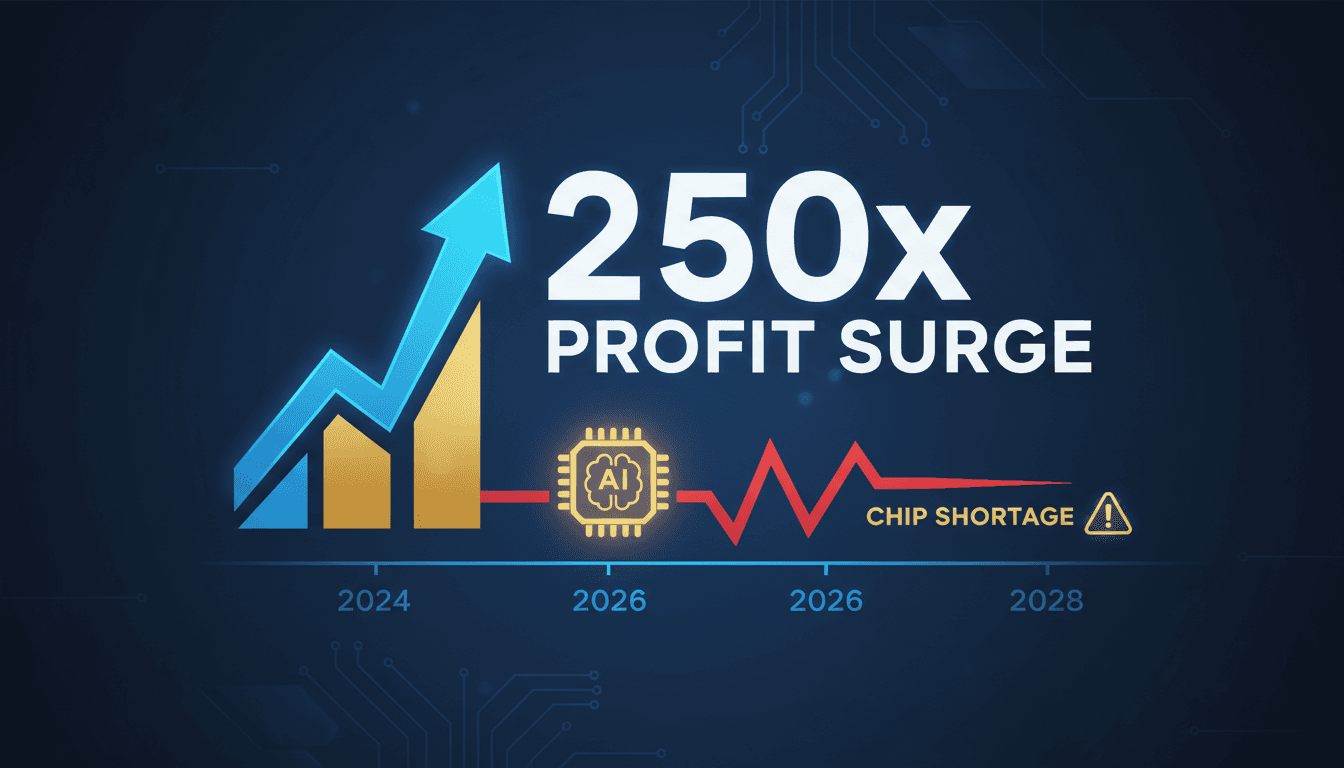
Samsung Electronics reported a record profit for Q2 2026, with its semiconductor division experiencing a remarkable 250-fold increase in earnings. This surge is primarily attributed to the soaring demand for AI-related memory chips, which has significantly boosted profit margins. The company's operating income reached 89.2 trillion won during the June quarter, marking a substantial leap compared to previous quarters.
This unprecedented growth comes at a time when the memory-chip shortage is expected to persist until 2028. As a result, Samsung is well-positioned to capitalize on the ongoing demand for AI technologies, further solidifying its status as the world's largest memory-chip maker.
The Context
The semiconductor industry is currently grappling with a significant memory-chip shortage, which has been exacerbated by the rapid advancements in AI technology. This shortage is projected to last until 2028, creating a challenging environment for manufacturers and consumers alike. Samsung's ability to navigate these challenges while maintaining its competitive edge is crucial for its continued success.
As the leading player in the memory-chip market, Samsung's performance is closely watched by analysts and investors. The company's recent earnings report not only reflects its strong market position but also highlights the increasing reliance on memory chips for AI applications, which are becoming integral to various sectors.
Takeaway
Looking ahead, Samsung is likely to sustain its record earnings trajectory as demand for AI technologies continues to grow. The company will need to effectively manage supply chain challenges while leveraging its leadership in the semiconductor market. Observers should monitor developments in AI technology and their impact on chip demand, as well as Samsung's strategies to address the ongoing memory-chip shortage.
As the landscape evolves, the interplay between AI advancements and semiconductor supply will be critical for industry stakeholders. Companies reliant on these technologies must stay agile to adapt to the changing market conditions.
U.S. business news, corporate developments, and economy.
"The Wall Street Journal is respected for deep financial and economic reporting with a center-right editorial perspective."
— A47 Editor
Samsung Sees Chip Crunch Through 2028 as Profit Soars to Record
Samsung has announced that it anticipates the ongoing memory-chip shortage to last until 2028, which is expected to bolster its record earnings streak. The South Korean technology giant reported a remarkable profit increase, driven by soaring demand ...
Highlights from management calls: outlook, margins, demand signals, and Q&A color.
"Useful to catch tone and forward-looking commentary beyond the headline numbers."
— A47 Editor
Earnings call transcript: Samsung Electronics posts record Q2 2026 profit as AI demand surges
Samsung Electronics reported a record net profit for Q2 2026, driven by a significant surge in demand for artificial intelligence (AI) technologies, marking a 14-fold increase compared to the previous year. This growth reflects the company's strong p...
Technology business and AI-related headlines.
"Data-driven tech newsroom with global scope."
— A47 Editor
Samsung’s Chip Profit Soars 250-Fold on Memory Shortages
Samsung Electronics Co. reported an extraordinary profit surge of over 250-fold in its semiconductor division, achieving an operating income of 89.2 trillion won in the June quarter, primarily due to memory shortages driven by the increasing demand f...
Technology business news, market impacts, and innovation trends.
"Bloomberg is a premier financial and tech news provider, respected for its in-depth reporting and analytical rigor."
— A47 Editor
Samsung’s Chip Profit Soars 250-Fold on Memory Shortages
Samsung Electronics Co. reported an extraordinary profit surge of over 250-fold in its semiconductor division, achieving an operating income of 89.2 trillion won in the June quarter, primarily due to memory shortages driven by the increasing demand f...
Market-moving headlines impacting equities, bonds, and related risk assets.
"Real-time catalysts and volatility drivers across indices and sectors."
— A47 Editor
Samsung Q2 profit jumps 19-fold as AI chip demand offsets mobile loss
Samsung reported a remarkable 19-fold increase in profit for the second quarter, primarily driven by soaring demand for artificial intelligence (AI) chips, which helped offset losses in its mobile division. This surge in profitability highlights the ...
Technology business news, market impacts, and innovation trends.
"Bloomberg is a premier financial and tech news provider, respected for its in-depth reporting and analytical rigor."
— A47 Editor
Samsung’s Chip Profit Soars Over 250-Fold on AI Memory Shortages
Samsung Electronics Co. reported a staggering profit increase of over 250-fold in its semiconductor division, primarily driven by the heightened demand for memory chips essential for artificial intelligence (AI) applications. This surge reflects the ...
Technology business and AI-related headlines.
"Data-driven tech newsroom with global scope."
— A47 Editor
Samsung’s Chip Profit Soars Over 250-Fold on AI Memory Shortages
Samsung Electronics Co. reported a staggering profit increase of over 250-fold in its semiconductor division, primarily driven by the heightened demand for memory chips essential for artificial intelligence (AI) applications. This surge reflects the ...