
PwC Faces Scrutiny Over AI-Generated Reports with Fabricated Sources
Here's what it means for you.
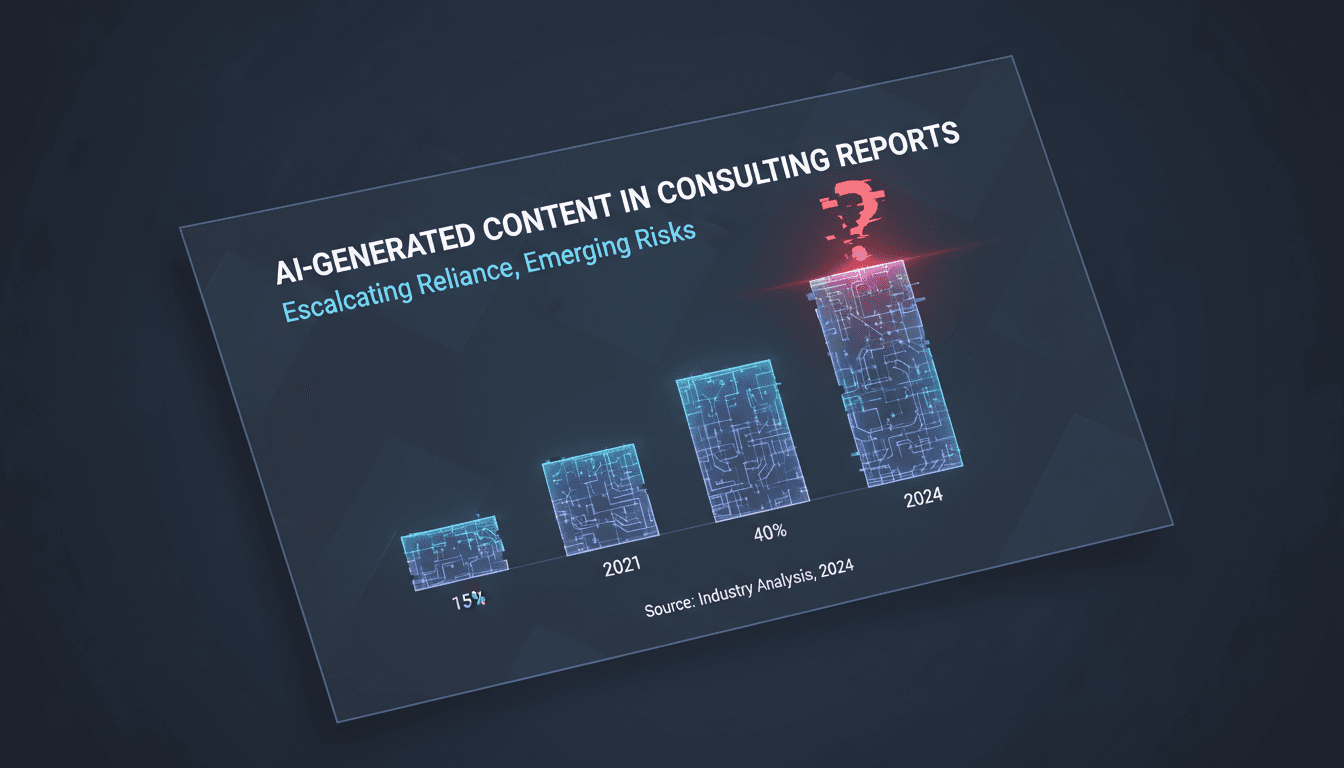
The recent scrutiny of PwC's AI-generated reports underscores a critical challenge for the consulting industry: maintaining the integrity of content produced through artificial intelligence. As firms increasingly adopt AI for report generation, the reliability of these outputs is under question, potentially impacting client trust and market credibility. This situation may prompt a reevaluation of quality control measures and verification processes across the sector. The implications extend beyond PwC, as all major consulting firms face similar challenges with AI-generated content. The need for robust standards in AI usage is becoming more pressing, as inaccuracies can lead to significant reputational damage.
What happened
PwC has come under fire for publishing four reports in the Middle East that contain inaccuracies attributed to AI hallucinations. These reports were flagged for including fake footnotes and unverified claims, raising alarms about the reliability of AI-generated content in professional settings. One report was notably identified as being 84 percent AI-generated, highlighting a significant reliance on artificial intelligence for content creation.
The issues were brought to light following the publication of findings from GPTZero, a tool designed to detect AI-generated content. This scrutiny aligns with similar concerns faced by other major consulting firms, indicating a broader trend within the industry.
The Context
PwC is one of the Big Four consulting firms, alongside KPMG, Deloitte, and Ernst & Young, all of which have encountered similar issues related to AI-generated content. The emergence of AI hallucinations in professional reports raises serious questions about the integrity of AI-assisted research and consulting practices. As firms market their expertise in AI, the accuracy of their outputs is increasingly scrutinized.
The timeline of events began on July 29, 2026, when reports of inaccuracies in PwC's Middle East reports surfaced, followed by the release of GPTZero's findings on the same day. This timing is critical as it reflects a growing concern over the use of AI in generating reliable consulting outputs.
Takeaway
The consulting industry must address the reliability of AI-generated content to maintain credibility and trust among clients. As scrutiny on AI-generated reports increases, firms may face potential retractions of inaccurate reports and heightened oversight on their content generation processes. This situation could lead to the implementation of stricter quality controls and verification measures across the sector.
Looking ahead, the industry will need to adapt to these challenges to safeguard their reputations and ensure the accuracy of their advisory services. The ongoing developments will be closely watched as firms navigate the complexities of integrating AI into their operations.
Opinionated AI coverage for general audiences.
"TNW’s AI vertical covering tools, ethics, and trends."
— A47 Editor
PwC sells advice on using AI responsibly. Its own reports were written by a careless one.
PwC has come under scrutiny after the Financial Times reported that four of its Middle East thought leadership reports on AI and electric vehicles contained fake footnotes and inaccuracies, raising concerns about the reliability of its advisory servi...
Daily AI news: models, tools, and policy.
"Independent outlet tracking the fast pace of AI."
— A47 Editor
PwC has allegedly published AI-generated reports containing false or fabricated sources
PwC has come under scrutiny after GPTZero identified AI-generated reports from its Middle East division that contained false or fabricated sources, including a governance report that was 84% AI-generated and promoted a PwC product with unverified cus...
Curated tech headlines including AI stories.
"Influential aggregator surfacing the day’s top tech/AI links."
— A47 Editor
GPTZero finds AI hallucinations in four PwC Middle East reports; GPTZero's earlier investigations led EY and KPMG to retract reports with similar issues (Stephen Foley/Financial Times)
GPTZero has identified AI hallucinations in four reports from PwC Middle East, echoing previous findings that led EY and KPMG to retract their own reports due to similar issues. This raises concerns about the reliability of AI-generated content in pr...