
Kalshi CEO faces $36 billion lawsuit amid gambling industry lobbying claims
What happened
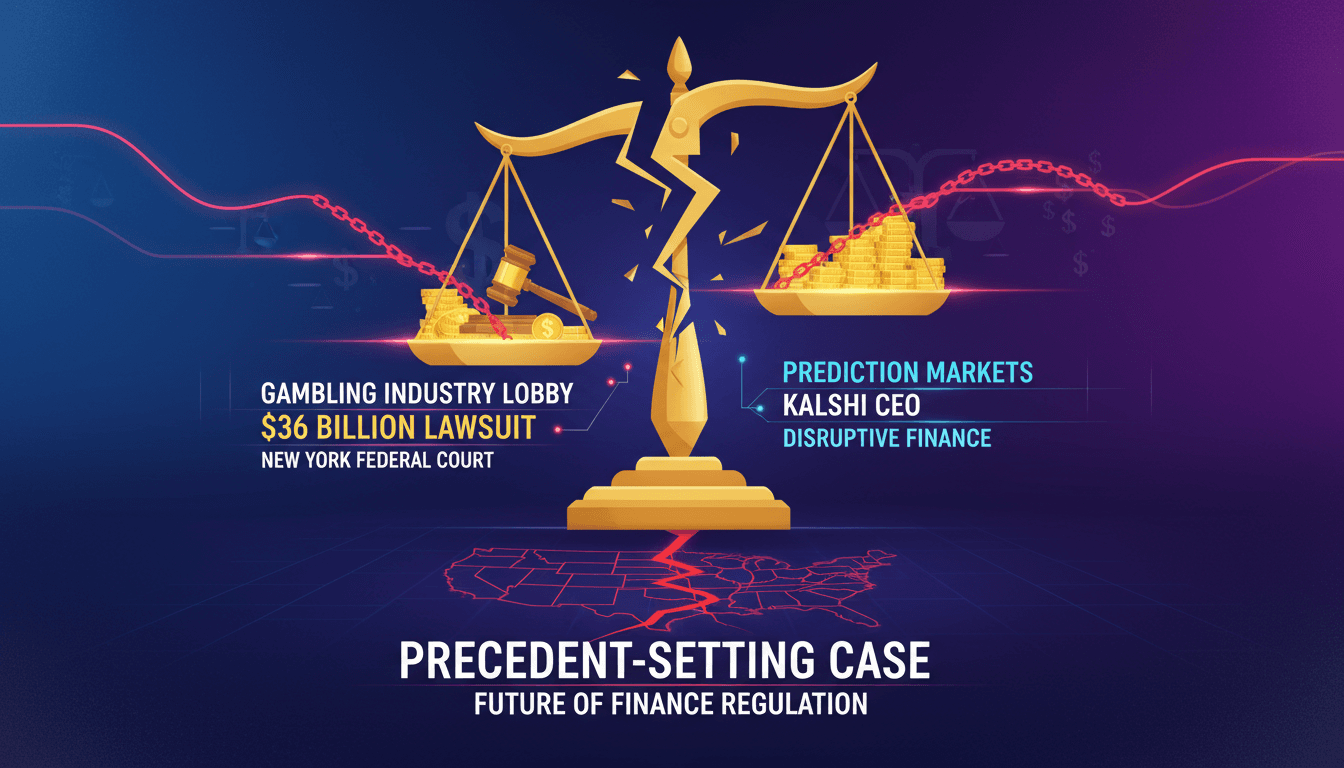
Kalshi CEO Tarek Mansour is currently facing a $36 billion lawsuit in New York, which has now escalated to federal court. Mansour claims that the lawsuit is driven by lobbying efforts from the gambling industry, aiming to stifle competition. This legal challenge underscores the difficulties faced by disruptive platforms in traditional markets, similar to those encountered by companies like Uber and Airbnb.
The lawsuit's progression to federal court indicates the seriousness of the claims and the potential financial stakes involved. As the case unfolds, it raises questions about the future of Kalshi and its prediction market platform, which allows users to bet on various event outcomes.
The Context
Kalshi operates a unique prediction market platform that has drawn comparisons to Nasdaq, positioning itself as a significant player in the financial landscape. However, the lawsuit reflects a broader trend where established industries, particularly the gambling sector, resist disruptive innovations that threaten their traditional business models. Mansour argues that this legal action could lead to dissatisfaction among New Yorkers who utilize Kalshi's services.
The timing of this lawsuit is critical, as it coincides with increasing scrutiny of how innovative platforms are regulated. The outcome could set a precedent for similar companies navigating the complexities of traditional market regulations.
Takeaway
As the legal proceedings continue, the implications for Kalshi and the broader prediction market landscape will be significant. Stakeholders should watch for developments in federal court, as they may influence regulatory approaches to disruptive platforms. Additionally, responses from the gambling industry and other stakeholders will be crucial in shaping the narrative surrounding this case.
The outcome of this lawsuit could redefine how innovative platforms are perceived and regulated in the future, making it essential for industry players to stay informed and engaged.
Business and tech news excluding paywalled content.
"High-volume business/tech outlet with frequent AI coverage."
— A47 Editor
Kalshi CEO says lawsuits are the price of being a disruptor
Kalshi CEO Tarek Mansour stated that the company is facing lawsuits similar to those encountered by disruptors like Uber and Airbnb, highlighting the legal challenges that arise when innovating within traditional industries.
Real-time updates, analysis, and reports on the blockchain and cryptocurrency sectors.
"Crypto News delivers real-time updates, analysis, and reports on the blockchain and cryptocurrency sectors."
— A47 Editor
Kalshi CEO invokes Nasdaq in $36B New York lawsuit
Kalshi CEO Tarek Mansour has drawn comparisons between his prediction market platform and Nasdaq as New York's lawsuit against the company escalates into federal court, seeking $36 billion in damages for alleged unlicensed gambling operations.
Covers Bitcoin plus altcoin news, market updates, and educational resources.
"Bitcoin.com provides news, market data, and guides focused on Bitcoin and the wider crypto industry."
— A47 Editor
Casino Lobby Fueled NY Lawsuit Against Kalshi, CEO Mansour Claims
New York has filed a lawsuit against Kalshi, alleging that the prediction market platform operates as an unlicensed gambling operation, seeking at least $36 billion in damages and a temporary restraining order to halt its activities. CEO Tarek Mansou...