
AI technology reshapes retail dynamics amid data ownership concerns
What happened
AI-driven shopping is significantly boosting retail sales, yet it complicates the issue of customer data ownership for brands. Retailers are increasingly adopting AI technologies to enhance customer engagement, but they face challenges in retaining vital customer data. While AI can attract traffic to online platforms, the need for human interaction remains critical for fostering brand loyalty.
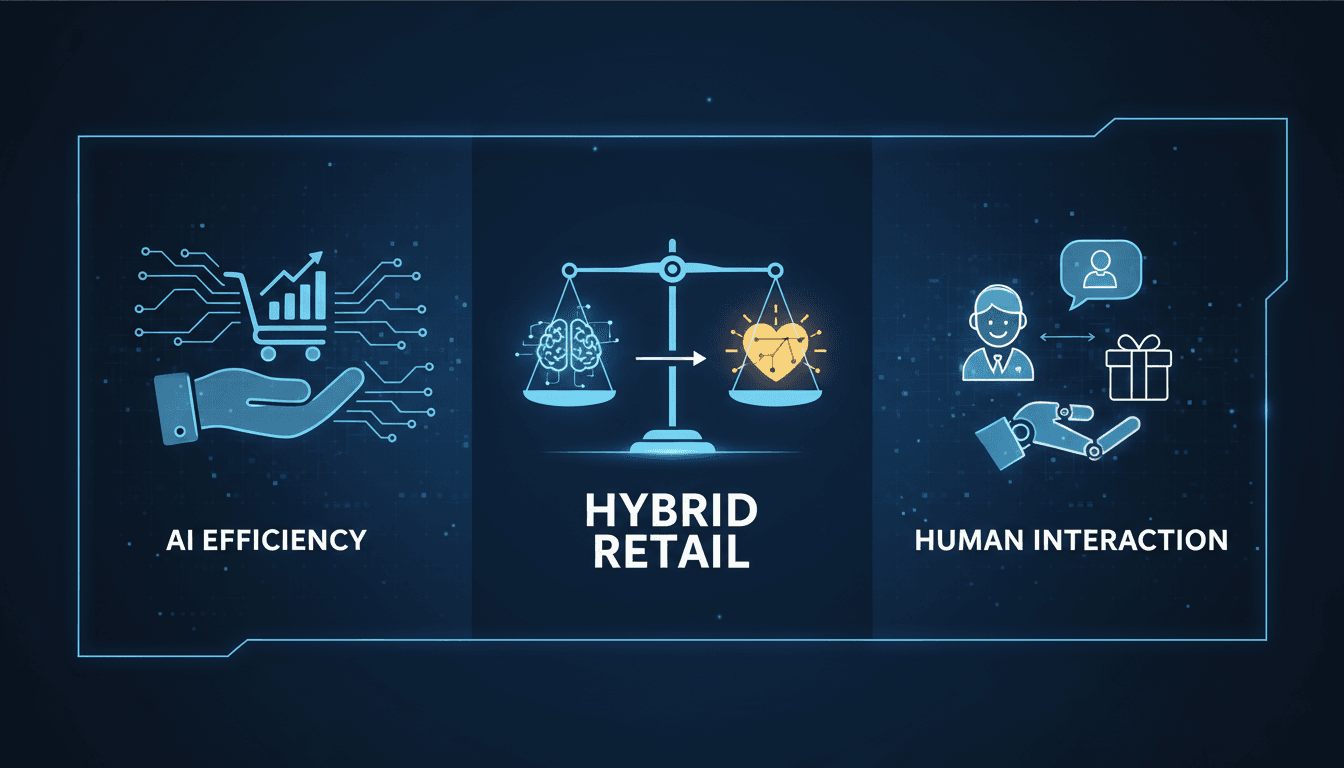
As brands leverage AI for conversational commerce, they must ensure that customers complete purchases on their own websites to retain control over their data. This shift highlights the importance of balancing AI capabilities with the human touch in retail.
The Context
The rise of AI in retail is reshaping the industry landscape, with many brands exploring innovative ways to engage shoppers. Stakeholders, including retailers and technology providers, are keenly aware of the implications of AI on customer data ownership. The timing of this shift is crucial, as consumers increasingly expect personalized experiences alongside technological advancements.
Despite the benefits of AI, the necessity for human interaction persists, underscoring the complexities retailers face in maintaining customer loyalty. This evolving dynamic is pivotal for brands aiming to thrive in a competitive market.
Takeaway
Looking ahead, the retail sector is likely to adopt a hybrid model that combines AI efficiency with personalized human engagement. Retailers must adapt their strategies to leverage AI effectively while ensuring strong customer relationships through tailored service and data management. Emerging trends in AI technology will continue to shape e-commerce strategies, making it essential for brands to stay informed.
As the landscape evolves, the role of customer data will become increasingly significant, necessitating a thoughtful approach to data ownership and privacy. Retailers that can successfully integrate these elements will be well-positioned for future success.
Business, investment, entrepreneurship, leadership, and innovation.
"Forbes is known for its coverage of business leaders, market trends, and entrepreneurial ventures with a pro-business editorial stance."
— A47 Editor
AI Helps Retailers Get Clicks, But Humans Win Customers
Retailers are increasingly utilizing AI-driven conversational commerce to enhance customer engagement and drive online clicks. However, despite the technological advancements, it is the human touch that ultimately fosters brand loyalty among shoppers...
News and guidance for IT pros on AI adoption.
"Enterprise-focused tips, explainers, and news for professionals."
— A47 Editor
AI Drives More Retail Sales but Creates a Customer-Ownership Problem
The rise of AI in retail has significantly increased traffic to online stores, yet brands face challenges in retaining customer data as purchases often occur on third-party platforms. This trend raises concerns about customer ownership and data priva...
News and guidance for IT pros on AI adoption.
"Enterprise-focused tips, explainers, and news for professionals."
— A47 Editor
AI Drives More Retail Sales but Creates a Customer-Ownership Problem
The rise of AI shopping has significantly increased traffic to retailers, yet brands face challenges in retaining customer ownership and data as consumers are often directed to third-party platforms for purchases. This shift raises concerns about dat...