
Walmart to Roll Out Nationwide Tap-to-Pay Acceptance by End of 2026
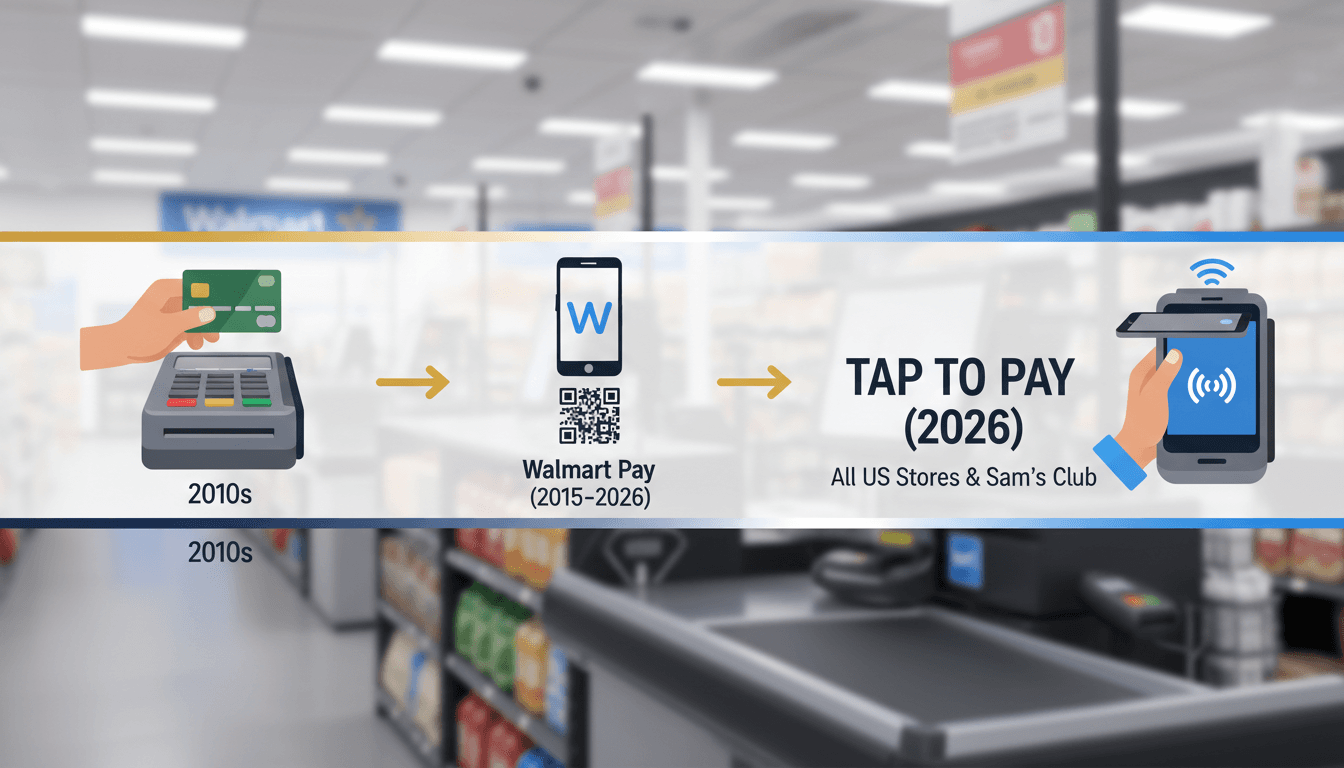
Here's what it means for you.
As a global operator, your payment preferences are shaping retail strategies, reflecting a shift toward seamless transactions.
The Vibe
Walmart's decision to adopt tap-to-pay technology marks a significant pivot in retail payment culture, aligning with consumer expectations for convenience.
What it signals
This shift underscores a broader trend toward consumer empowerment in retail. As contactless payments become the norm, retailers are compelled to adapt or risk losing relevance. This change not only enhances customer experience but also signals a reconfiguration of power dynamics in the retail sector, where consumer preferences increasingly dictate operational strategies.
Why it's happening now
1. Consumer Demand: Years of customer frustration over Walmart's resistance to contactless payments have culminated in a clear demand for more flexible payment options.
2. Competitive Pressure: With 85% of U.S. retailers already accepting Apple Pay, Walmart's late adoption reflects the need to stay competitive in a rapidly evolving market.
3. Technological Advancements: The rise of digital wallets and contactless payment technologies has made it easier for retailers to implement these systems, reducing the barriers to entry for widespread adoption.
Who it's for (and who it leaves out)
The primary beneficiaries are tech-savvy consumers who prefer the convenience of contactless payments. However, this shift may leave behind those who are less comfortable with digital transactions, including older demographics or those without access to smartphones.
What to watch next
1. Adoption Rates: Monitor how quickly Walmart's tap-to-pay system is embraced by customers and whether it leads to increased sales.
2. Competitor Responses: Observe how other major retailers adjust their payment systems in response to Walmart's new offerings, potentially leading to a ripple effect across the industry.
Visual Directive: A sleek graphic illustrating the evolution of payment methods in retail, highlighting Walmart's new tap-to-pay feature.
Walmart's tap-to-pay rollout is set to enhance customer convenience across its U.S. stores.
Increased adoption of contactless payments will reshape consumer expectations in retail.
The long-term impact on Walmart's proprietary payment systems remains to be seen.
Consumer technology news with AI coverage.
"Gadget and tech site reporting on AI in products."
— A47 Editor
Walmart will finally accept tap to pay in stores by the end of 2026
Walmart has announced that it will begin accepting tap-to-pay transactions in its stores by the end of 2026, a move that will also extend to Sam's Club, allowing customers to use their phones or smartwatches for payments.
Covers consumer technology, electronics, gadgets, and product reviews.
"Engadget is a trusted source for gadget reviews and consumer tech news, known for its hands-on analysis and industry coverage."
— A47 Editor
Walmart will finally accept tap to pay in stores by the end of 2026
Walmart has announced that it will begin accepting tap-to-pay transactions in its stores by the end of 2026, a move that will also extend to Sam's Club, allowing customers to use their phones or smartwatches for payments.
Business and tech news excluding paywalled content.
"High-volume business/tech outlet with frequent AI coverage."
— A47 Editor
Walmart is giving shoppers something they've wanted for years: Apple Pay
Walmart has announced the introduction of tap-to-pay options at its checkout stations, allowing customers to use Apple Pay and Google Pay, starting this week. This move marks a significant shift in Walmart's payment acceptance policies after years of...
Startup news with frequent AI coverage.
"Covers launches, funding, and product updates in AI."
— A47 Editor
Walmart to finally start accepting Apple Pay and Google Pay
Walmart has announced that it will begin accepting Apple Pay and Google Pay, marking a significant shift in its payment acceptance policies. This decision comes after years of resistance to mobile payment options, indicating a change in strategy to m...