
FDA Leadership Changes Stimulate Investment in Rare-Disease Biotech Sector
Why it matters
The FDA's regulatory pivot enhances the potential for rare-disease therapies, impacting market dynamics and investment strategies.
What happened (in 30 seconds)
- FDA leadership changes: Departures of hard-liners in the Trump administration have led to a more flexible approach toward rare-disease drug approvals.
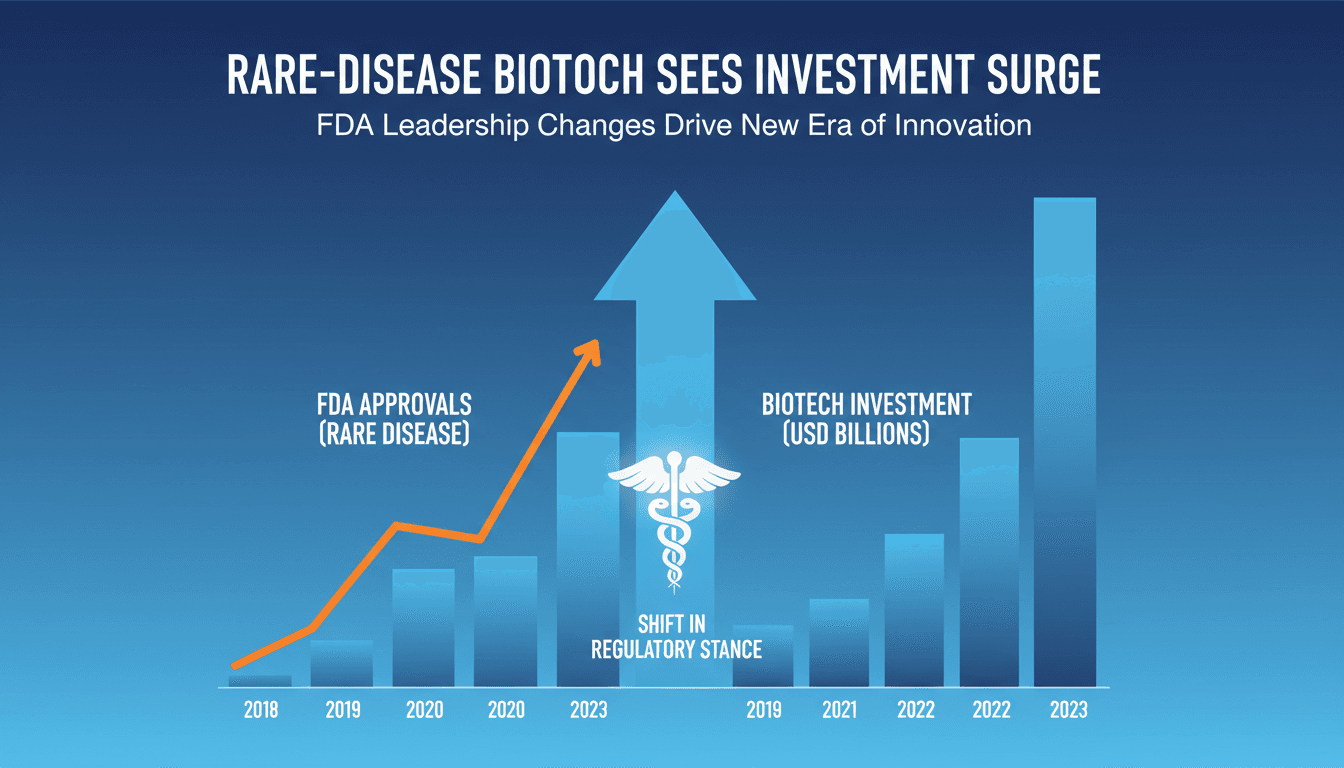
- Investor confidence restored: Renewed capital inflows into the rare-disease biotech sector have emerged as the FDA reconsiders previous rejections.
- Market resurgence: Biotech valuations are rising, signaling a positive shift in investor sentiment and venture funding.
The context you actually need
- Initial scrutiny: Early in the Trump administration, the FDA imposed stricter evidence requirements for rare-disease drug approvals, causing share prices to drop.
- Regulatory caution: The previous leadership's focus on rigorous evidence from small trials created a challenging environment for biotech firms targeting orphan diseases.
- Current initiatives: The U.S. Department of Health and Human Services (HHS) has launched initiatives like Operation TrialBlazer to accelerate clinical trials and retain research domestically.
What's really happening
The recent changes in FDA leadership reflect a broader strategy to enhance U.S. competitiveness in the global biotech landscape. Under the previous administration, the FDA adopted a hardline stance, demanding extensive evidence from small patient trials, which led to a significant decline in rare-disease biotech shares. This regulatory caution stemmed from a desire to ensure drug efficacy and safety, but it inadvertently stifled innovation in a sector that relies on flexibility due to its unique challenges.
With the departure of key officials who championed these stringent policies, the FDA has begun to reverse course. The new leadership is prioritizing a more accommodating stance toward orphan drugs, which are developed for rare diseases affecting fewer than 200,000 patients in the U.S. This shift is crucial, as approximately 30 million Americans are affected by rare diseases, highlighting the urgent need for effective therapies.
Investors are responding positively to this regulatory easing. The biotech sector is witnessing a resurgence in venture funding, as firms are now more optimistic about the approval pathways for their products. This renewed investor confidence is not just a fleeting trend; it signals a structural change in how rare-disease therapies will be developed and brought to market. The FDA's willingness to reconsider previous rejections and adopt a more flexible approach to confirmatory data is a significant incentive for biotech companies to innovate.
Moreover, the U.S. government is actively working to retain its position as a leader in biomedical innovation. Initiatives like Operation TrialBlazer aim to streamline clinical trials, making it easier for companies to conduct research domestically. This is particularly important as global competition, especially from countries like China, intensifies. The U.S. is keen on maintaining its edge in the biotech sector, and the recent regulatory changes are a strategic move to bolster this position.
As a result, the rare-disease biotech market is poised for growth, attracting both domestic and international investors. The implications of this shift extend beyond the U.S., as global investors, including those in Dubai, may find new opportunities in biotech portfolios that benefit from the U.S. regulatory environment.
Who feels it first (and how)
- Biotech companies: Increased funding and a more favorable regulatory environment will allow for accelerated drug development.
- Investors: Venture capitalists and institutional investors will likely see improved returns as biotech valuations rise.
- Patients with rare diseases: A more flexible approval process could lead to faster access to innovative therapies.
- Healthcare professionals: Increased availability of new treatments may enhance patient care options.
What to watch next
- FDA approval rates: Monitoring the rate of approvals for rare-disease drugs will indicate the effectiveness of the new regulatory approach.
- Venture capital trends: Tracking investment flows into biotech will reveal investor confidence and market health.
- Global competition: Observing how U.S. initiatives impact international biotech landscapes will highlight the effectiveness of domestic strategies against foreign competition.
The FDA is adopting a more flexible approach to rare-disease drug approvals.
Increased investment in the rare-disease biotech sector will continue as confidence grows.
The long-term impact of these regulatory changes on patient outcomes and market stability remains to be seen.
Frequently Asked Questions
- Why it matters?
- The FDA's regulatory pivot enhances the potential for rare-disease therapies, impacting market dynamics and investment strategies.
- What happened (in 30 seconds)?
- FDA leadership changes: Departures of hard-liners in the Trump administration have led to a more flexible approach toward rare-disease drug approvals. Investor confidence restored: Renewed capital inflows into the rare-disease biotech sector have emerged as the FDA reconsiders previous rejections. Market resurgence: Biotech valuations are rising, signaling a positive shift in investor sentiment and venture funding.
- What's really happening?
- The recent changes in FDA leadership reflect a broader strategy to enhance U.S. competitiveness in the global biotech landscape. Under the previous administration, the FDA adopted a hardline stance, demanding extensive evidence from small patient trials, which led to a significant decline in rare-disease biotech shares. This regulatory caution stemmed from a desire to ensure drug efficacy and safety, but it inadvertently stifled innovation in a sector that relies on flexibility due to its unique
- Who feels it first (and how)?
- Biotech companies: Increased funding and a more favorable regulatory environment will allow for accelerated drug development. Investors: Venture capitalists and institutional investors will likely see improved returns as biotech valuations rise. Patients with rare diseases: A more flexible approval process could lead to faster access to innovative therapies. Healthcare professionals: Increased availability of new treatments may enhance patient care options.
- What to watch next?
- FDA approval rates: Monitoring the rate of approvals for rare-disease drugs will indicate the effectiveness of the new regulatory approach. Venture capital trends: Tracking investment flows into biotech will reveal investor confidence and market health. Global competition: Observing how U.S. initiatives impact international biotech landscapes will highlight the effectiveness of domestic strategies against foreign competition.
Public health, medical research, healthcare policy, and pharmaceutical developments.
"Dow Jones is a major financial news provider with a professional tone and broad coverage, including specialized health-sector reporting."
— A47 Editor
Heard on the Street: With the Food and Drug Administration’s hard-liners gone, investors are rushing back into rare-disease bets
With the departure of hard-liners from the Food and Drug Administration (FDA), investors are increasingly returning to the rare-disease sector, signaling a renewed confidence in the potential for innovative treatments. This shift comes as the FDA has...
Markets desk coverage, trading insights, and investor updates.
"WSJ’s markets reporting provides in-depth analysis and context for investors."
— A47 Editor
Trump Administration Shift Puts This Corner of Biotech Back in Favor
The Trump Administration's recent shift has led to the departure of hard-liners from the Food and Drug Administration, prompting a renewed interest from investors in the rare-disease biotech sector. This change is seen as a positive development for t...
Tech business coverage, major deals, product launches, and Silicon Valley trends.
"WSJ’s tech section offers authoritative reporting on the intersection of technology and business, including exclusive industry analysis."
— A47 Editor
Trump Administration Shift Puts This Corner of Biotech Back in Favor
The recent shift in the Trump Administration has led to the departure of hard-liners from the Food and Drug Administration, prompting a renewed interest from investors in the rare-disease biotech sector. This change is seen as a positive development ...