
Flydubai Flight FZ1073 Makes Emergency Landing in Tabuk After Cockpit Assault
Why it matters
This incident highlights the importance of cockpit security and the potential implications for airline operations and passenger safety.
What happened (in 30 seconds)
- Emergency landing: Flydubai flight FZ1073 executed an emergency landing in Tabuk, Saudi Arabia, after a cockpit altercation.
- Injuries reported: Both the captain and first officer sustained injuries during the incident, requiring medical treatment.
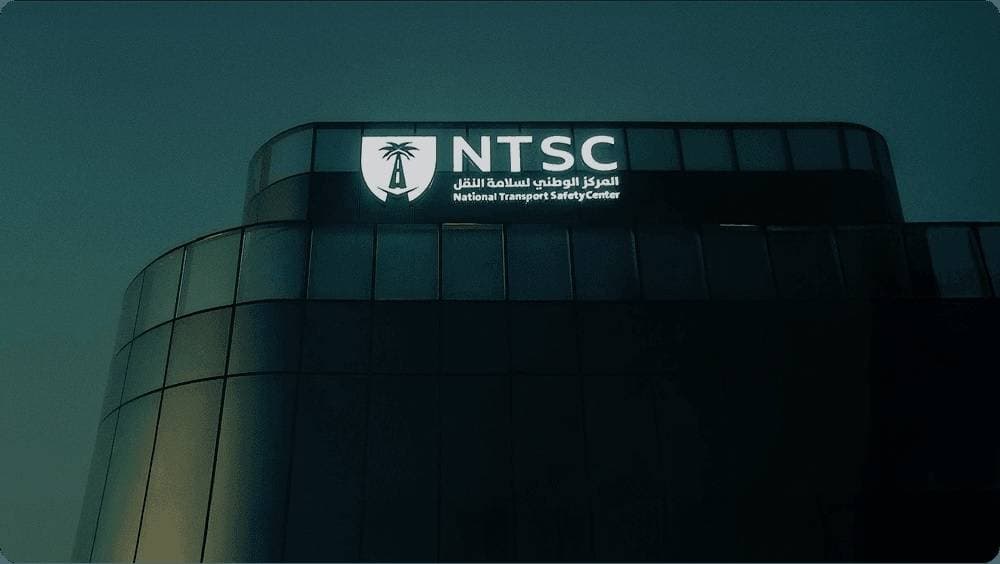
- Investigation launched: The Saudi National Transport Safety Center is conducting a safety investigation in collaboration with UAE authorities.
The context you actually need
- Flight details: The flight was a scheduled service from Dubai to Tel Aviv, utilizing a Boeing 737 MAX 8.
- Emergency codes: The aircraft transmitted emergency transponder codes 7700 and 7500, indicating distress and a hijacking scenario, respectively.
- Passenger safety: All 174 passengers were unharmed and continued their journey on a replacement aircraft later that day.
What's really happening
On September 30, 2026, Flydubai flight FZ1073 was en route from Dubai International Airport to Ben Gurion Airport in Tel Aviv when a serious incident unfolded in the cockpit. At approximately 08:44 local time, air traffic control received a distress call from the flight, which prompted immediate emergency protocols. The aircraft landed safely at Prince Sultan bin Abdulaziz International Airport in Tabuk at 09:45 local time, but not without significant disruption.
Preliminary investigations revealed that the first officer assaulted the captain, leading to injuries for both pilots. This altercation raised alarms about cockpit security, an issue that has gained increasing attention in the aviation industry. The Saudi National Transport Safety Center quickly mobilized a safety investigation team to assess the situation, working closely with the Saudi Ministry of Interior and UAE authorities.
The incident underscores the critical need for robust safety measures in aviation, particularly regarding crew interactions. While the passengers remained safe and were eventually transferred to a replacement flight, the implications for airline operations are significant. Airlines must ensure that their crews are not only well-trained in technical skills but also in conflict resolution and mental health awareness.
The incident also reflects broader trends in aviation safety, where incidents of crew-related altercations, though rare, can lead to severe consequences. The fact that both pilots were hospitalized indicates the seriousness of the situation, and the ongoing investigation will likely scrutinize the airline's hiring practices, training protocols, and support systems for pilots.
As the investigation unfolds, it will be crucial to monitor how Flydubai and other airlines respond to this incident. The potential for regulatory changes or increased scrutiny on cockpit security measures could reshape operational protocols across the industry.
Who feels it first (and how)
- Airline executives: They will need to address safety protocols and crew training to prevent future incidents.
- Passengers: Increased awareness of cockpit security may lead to heightened concerns about air travel safety.
- Aviation regulators: They may implement stricter guidelines for crew conduct and cockpit security measures.
What to watch next
- Investigation outcomes: The findings from the Saudi National Transport Safety Center could lead to new regulations affecting cockpit security.
- Airline responses: Watch for how Flydubai and other airlines adjust their training and operational protocols in light of this incident.
- Passenger sentiment: Monitor changes in public perception regarding airline safety and how it impacts travel choices.
The incident involved an altercation between the captain and first officer, resulting in injuries.
The investigation will prompt discussions about cockpit security and crew training across the aviation industry.
The long-term impact on Flydubai's operations and passenger confidence in air travel safety remains to be seen.
Frequently Asked Questions
- Why it matters?
- This incident highlights the importance of cockpit security and the potential implications for airline operations and passenger safety.
- What happened (in 30 seconds)?
- Emergency landing: Flydubai flight FZ1073 executed an emergency landing in Tabuk, Saudi Arabia, after a cockpit altercation. Injuries reported: Both the captain and first officer sustained injuries during the incident, requiring medical treatment. Investigation launched: The Saudi National Transport Safety Center is conducting a safety investigation in collaboration with UAE authorities.
- What's really happening?
- On September 30, 2026, Flydubai flight FZ1073 was en route from Dubai International Airport to Ben Gurion Airport in Tel Aviv when a serious incident unfolded in the cockpit. At approximately 08:44 local time, air traffic control received a distress call from the flight, which prompted immediate emergency protocols. The aircraft landed safely at Prince Sultan bin Abdulaziz International Airport in Tabuk at 09:45 local time, but not without significant disruption. Preliminary investigations reve
- Who feels it first (and how)?
- Airline executives: They will need to address safety protocols and crew training to prevent future incidents. Passengers: Increased awareness of cockpit security may lead to heightened concerns about air travel safety. Aviation regulators: They may implement stricter guidelines for crew conduct and cockpit security measures.
- What to watch next?
- Investigation outcomes: The findings from the Saudi National Transport Safety Center could lead to new regulations affecting cockpit security. Airline responses: Watch for how Flydubai and other airlines adjust their training and operational protocols in light of this incident. Passenger sentiment: Monitor changes in public perception regarding airline safety and how it impacts travel choices.
Arabic-language local coverage focused on UAE domestic issues, civic affairs, and community reporting.
"Emarat Al Youm local coverage emphasizes UAE institutions, public services, and community-level developments."
— A47 Editor
«فلاي دبي»: الطاقم البديل للطائرة تولى «الهبوط الآمن» بعد سيطرته على واقعة «قمرة القيادة» «فلاي دبي»: الطاقم البديل للطائرة تولى «الهبوط الآمن» بعد سيطرته على واقعة «قمرة القيادة»
A spokesperson for Flydubai reported that a disturbance occurred in the cockpit of flight FZ 1073, which was en route from Dubai International Airport. A replacement crew took control of the situation and successfully executed a safe landing. The Civ...
Coverage of political affairs and regional developments from a Saudi perspective.
"Al Watan political coverage typically follows a mainstream Saudi framing of regional and national issues."
— A47 Editor
مركز سلامة النقل يحقق في الهبوط الاضطراري لطائرة فلاي دبي بتبوك
The National Transportation Safety Center announced that it has received an official report regarding Fly Dubai flight FZ1073, which was forced to divert and make an emergency landing at Prince Sultan bin Abdulaziz International Airport in Tabuk. The...
Arabic-language reporting focused on domestic developments in Saudi Arabia.
"Okaz is a mainstream Saudi newspaper that often reflects domestic priorities and official-facing coverage."
— A47 Editor
مطار تبوك: مغادرة جميع ركاب «فلاي دبي» إلى وجهتهم على متن طائرة بديلة
Prince Sultan bin Abdulaziz International Airport in Tabuk announced that all passengers on Flydubai flight FZ1073 departed for their final destination on a replacement aircraft, which left at 5:40 PM. The flight had issued a distress call for an eme...
Arabic-language reporting focused on domestic developments in Saudi Arabia.
"Okaz is a mainstream Saudi newspaper that often reflects domestic priorities and official-facing coverage."
— A47 Editor
إصابة قائدي طائرة تستنفر مطار تبوك.. وهبوط اضطراري لرحلة «فلاي دبي»
An emergency was declared at Prince Sultan bin Abdulaziz International Airport in Tabuk after flight FZ1073 from Flydubai reported a distress call due to injuries sustained by the aircraft's pilots. The incident occurred at 8:44 AM local time, prompt...