
Chinese EV and Hybrid Brands Achieve 10% Market Share in Europe
Why it matters
The surge of Chinese EVs in Europe signals a significant shift in the automotive landscape, impacting local manufacturers and consumer choices.
What happened (in 30 seconds)
- Chinese brands now account for 10% of new car sales in Europe, a tenfold increase from 1% five years ago.
- The EU has reached a preliminary agreement with China to cap hybrid imports at approximately 350,000 units annually starting in 2027.
- European manufacturers are under pressure, with projections of up to 225,000 job losses by 2035 without intervention.
The context you actually need
- High gasoline prices and environmental policies have driven European demand for affordable EVs and hybrids.
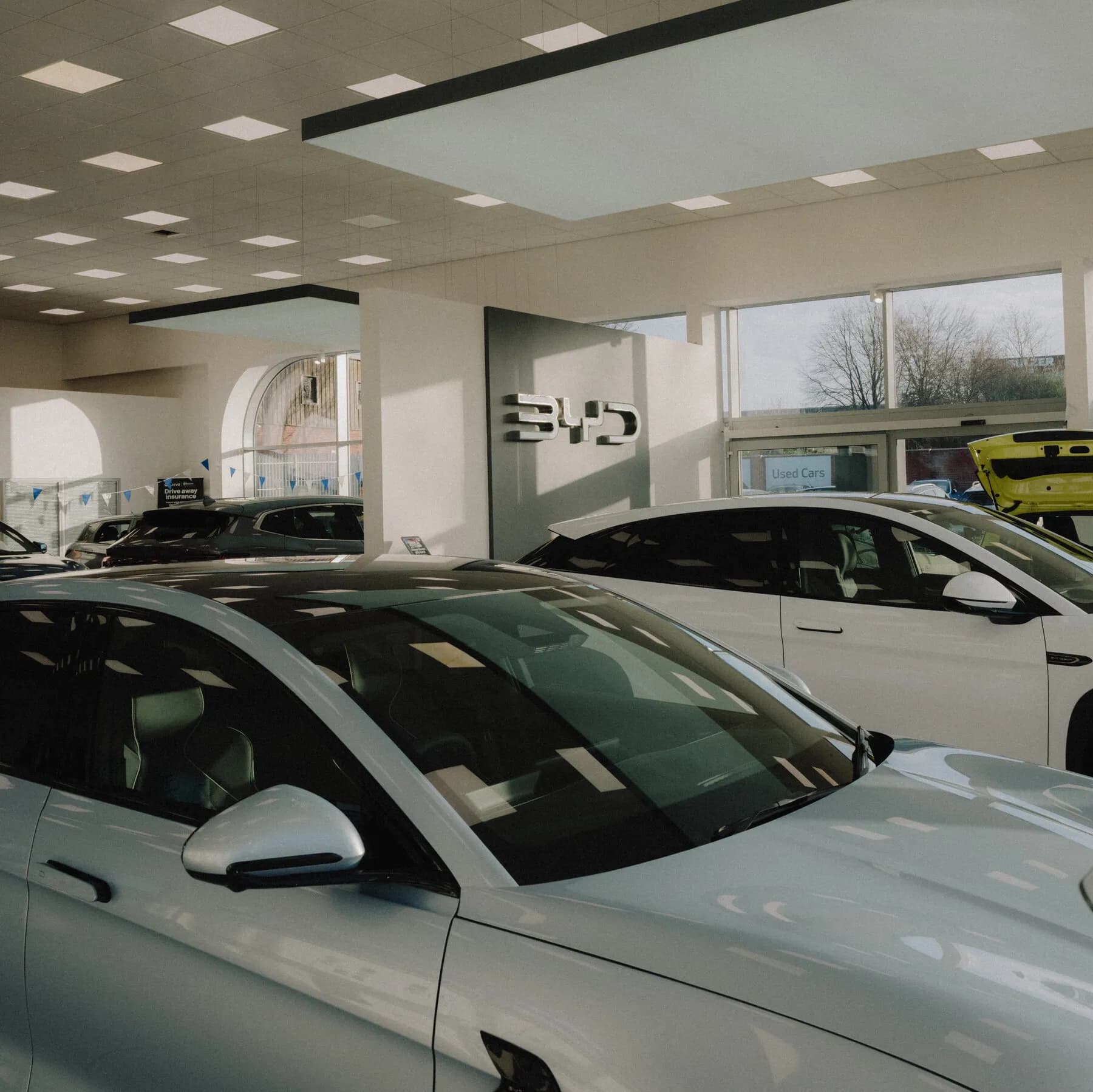
- Chinese manufacturers like BYD and Chery have rapidly expanded their offerings and dealership networks, capitalizing on this demand.
- Geopolitical tensions over subsidies and fair competition are influencing trade negotiations and market strategies.
What's really happening
The European automotive market is undergoing a transformative phase, primarily fueled by the increasing presence of Chinese electric vehicle (EV) and hybrid brands. As of mid-2026, these brands have captured approximately 10% of the market share, a significant leap from just 1% five years earlier. This growth is largely attributed to competitive pricing and advanced technology, which have become increasingly appealing to European consumers facing rising fuel costs.
The backdrop of this shift includes a surge in demand for EVs and hybrids, driven by high gasoline prices and stringent environmental policies across Europe. Consumers are gravitating towards affordable options, with brands like BYD and Chery leading the charge. Notably, Chery's Jaecoo 7 has topped sales charts in the UK, showcasing the effectiveness of these brands in appealing to local markets.
In response to this influx, the European Union (EU) has initiated measures to protect its domestic automotive industry. A preliminary agreement reached around October 9-10, 2026, aims to cap hybrid imports from China at approximately 350,000 units annually starting in 2027. This cap could potentially halve the projected volumes of Chinese hybrids over the next four years, reflecting the EU's desire to balance market forces with protective measures for local manufacturers.
The Paris Motor Show in October 2026 highlighted the intensifying rivalry between European and Chinese automakers. While European firms showcased retro-inspired EVs to evoke a sense of heritage, the number of Chinese exhibitors doubled, indicating their growing influence in the market. Market data reveals that Chinese hybrids now account for over 20% of Europe's hybrid segment, further emphasizing the competitive pressure on European brands.
As the EU navigates this complex landscape, it faces the challenge of maintaining a balance between fostering innovation and protecting jobs. German industry associations have projected that without intervention, up to 225,000 jobs could be lost by 2035 due to the competitive pressures from Chinese imports. Meanwhile, Chinese firms are adapting by localizing production or complying with the new quotas, indicating a willingness to engage with European market dynamics.
Who feels it first (and how)
- European automakers: Facing increased competition and potential job losses.
- Consumers: Gaining access to more affordable and technologically advanced vehicles.
- Dealerships: Anticipating growth opportunities, particularly in markets like Spain, where dealership numbers are projected to reach 1,000 by the end of 2026.
- Policy makers: Engaged in negotiations to balance trade and protect domestic industries.
What to watch next
- Implementation of the hybrid import cap: This will determine the future market share of Chinese brands in Europe and the response from local manufacturers.
- Consumer preferences: Watch for shifts in buying behavior as more affordable EV options become available, influencing market dynamics.
- Job market impacts: Monitor employment trends in the automotive sector, particularly in Germany, as the industry adapts to these changes.
Chinese brands have captured 10% of the European automotive market.
The EU will continue to implement protective measures to safeguard local manufacturers.
The long-term impact on employment in the European automotive sector remains uncertain.
Frequently Asked Questions
- Why it matters?
- The surge of Chinese EVs in Europe signals a significant shift in the automotive landscape, impacting local manufacturers and consumer choices.
- What happened (in 30 seconds)?
- Chinese brands now account for 10% of new car sales in Europe, a tenfold increase from 1% five years ago. The EU has reached a preliminary agreement with China to cap hybrid imports at approximately 350,000 units annually starting in 2027. European manufacturers are under pressure, with projections of up to 225,000 job losses by 2035 without intervention.
- What's really happening?
- The European automotive market is undergoing a transformative phase, primarily fueled by the increasing presence of Chinese electric vehicle (EV) and hybrid brands. As of mid-2026, these brands have captured approximately 10% of the market share, a significant leap from just 1% five years earlier. This growth is largely attributed to competitive pricing and advanced technology, which have become increasingly appealing to European consumers facing rising fuel costs. The backdrop of this shift in
- Who feels it first (and how)?
- European automakers: Facing increased competition and potential job losses. Consumers: Gaining access to more affordable and technologically advanced vehicles. Dealerships: Anticipating growth opportunities, particularly in markets like Spain, where dealership numbers are projected to reach 1,000 by the end of 2026. Policy makers: Engaged in negotiations to balance trade and protect domestic industries.
- What to watch next?
- Implementation of the hybrid import cap: This will determine the future market share of Chinese brands in Europe and the response from local manufacturers. Consumer preferences: Watch for shifts in buying behavior as more affordable EV options become available, influencing market dynamics. Job market impacts: Monitor employment trends in the automotive sector, particularly in Germany, as the industry adapts to these changes.
Global political, business, and cultural coverage from WSJ international desks.
"The Wall Street Journal offers extensive international reporting with a reputation for financial insight and a center-right editorial stance."
— A47 Editor
Chinese Cars Now Dominate Europe’s Biggest Auto Show
The recent auto show in Europe showcased a significant increase in the presence of Chinese car manufacturers, with approximately 20 brands participating, compared to just nine two years ago. This shift highlights the growing influence of Chinese auto...
Markets, economy, and company analysis from NYT’s business desk.
"The New York Times is a globally recognized newspaper offering authoritative reporting with a center-left editorial stance."
— A47 Editor
Europeans Have a Love-Hate Relationship With Chinese Cars
European consumers are increasingly interested in low-cost Chinese vehicles, with Chinese cars now accounting for about one in every ten cars sold in Europe. This trend is exemplified by the presence of BYD showrooms, such as one in Leeds, England, h...
24/7 international news from a French perspective in multiple languages.
"France 24 is viewed as a globally focused outlet with balanced coverage and a European perspective."
— A47 Editor
Chinese cars vs Europe: Who will win the battle for the market?
The Paris Motor Show has officially opened in France, featuring over 200 automotive brands competing for market attention, particularly highlighting the rivalry between European and Chinese car manufacturers. This competition is underscored by the si...