
Zilliqa suspends ZIL transactions due to Ledger app vulnerability
What happened
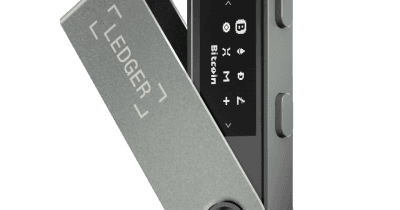
Zilliqa has halted native ZIL transactions following the discovery of a critical vulnerability in the Ledger app. This flaw, which has been present since 2019, allows attackers to reconstruct private keys using publicly available on-chain data. As a precautionary measure, Upbit has placed ZIL under cautionary trading status, reflecting the immediate concerns over user security.
The decision to suspend transactions underscores the severity of the situation and the potential risks posed to users. By taking this step, Zilliqa aims to protect its community while addressing the underlying security issues.
The Context
The vulnerability in the Ledger app has been a long-standing issue, first introduced in 2019, which raises questions about the effectiveness of existing security measures in cryptocurrency applications. The ability for attackers to recover private keys poses a significant risk, not only to individual users but also to the broader market. Upbit's response to place ZIL under cautionary trading status indicates the vulnerability's impact on market confidence and user trust.
As Zilliqa navigates this crisis, the incident may prompt increased scrutiny of security practices across the cryptocurrency industry. Stakeholders will be watching closely to see how Zilliqa addresses the vulnerability and what measures are implemented to enhance user protection.
Takeaway
As Zilliqa works to resolve the security issue, the incident may lead to a reevaluation of security protocols within the cryptocurrency sector. Users should remain vigilant and monitor updates from Zilliqa regarding the resolution of the vulnerability. Additionally, potential regulatory responses to such security flaws could reshape the landscape of cryptocurrency applications.
The focus on improving security measures is likely to intensify, as the industry grapples with the implications of this incident. Stakeholders should prepare for ongoing discussions about user protection and the need for enhanced security standards.
Real-time updates, analysis, and reports on the blockchain and cryptocurrency sectors.
"Crypto News delivers real-time updates, analysis, and reports on the blockchain and cryptocurrency sectors."
— A47 Editor
Zilliqa Ledger app flaw exposes private keys, halts ZIL transfers
Zilliqa has suspended native ZIL transactions following a critical flaw in the Ledger app that exposed users' private keys, raising significant security concerns. The vulnerability, which has been present since 2019, allows attackers to reconstruct p...
Covers blockchain, cryptocurrency news, project analysis, and market insights.
"Cointelegraph is a leading crypto-focused media outlet known for timely news, analysis, and educational content related to blockchain and digital assets."
— A47 Editor
Zilliqa Ledger app vulnerability lets attackers recover signer’s private keys
A security vulnerability in the Zilliqa Ledger app has been identified, allowing attackers to reconstruct private keys using publicly available onchain data. This flaw raises significant concerns regarding the security of users' assets and the integr...
Research, news, and analysis on blockchain startups, DeFi, and regulations.
"Crypto Briefing provides research, news, and analysis on blockchain startups, DeFi, and crypto regulations with investor-focused coverage."
— A47 Editor
Zilliqa suspends native transactions after critical Ledger bug exposed private keys since 2019
Zilliqa has suspended native ZIL transactions following the discovery of a critical bug in the Ledger app that has exposed users' private keys since 2019. This vulnerability allows attackers to reconstruct private keys using publicly available on-cha...