
IMF Confirms El Salvador's Bitcoin Accumulation Funded by Private Donations
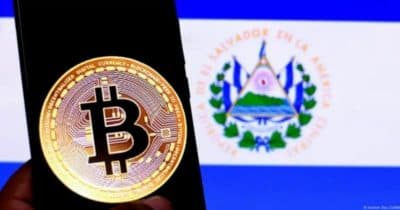
Here's what it means for you.
If you're involved in cryptocurrency or investment, understanding El Salvador's funding approach could influence your strategies.
Why it matters
This development highlights the intersection of private funding and national cryptocurrency policies, impacting global investment perceptions.
What happened (in 30 seconds)
- IMF Announcement: On September 3, 2026, the IMF confirmed that El Salvador's Bitcoin accumulation since June 2025 was funded exclusively through private donations.
- Funding Agreement: This disclosure coincided with a staff-level agreement on a $1.4 billion Extended Fund Facility, potentially unlocking $140 million pending approval.
- Bitcoin Holdings: El Salvador's government now holds 7,764 BTC, valued at approximately $627 million, while transferring control of the Chivo wallet to a private operator.
The context you actually need
- Bitcoin as Legal Tender: El Salvador adopted Bitcoin as legal tender in 2021, establishing a Strategic Bitcoin Reserve to bolster its economy.
- IMF Conditions: The IMF's Extended Fund Facility includes strict conditions, such as halting public-sector Bitcoin purchases and ensuring transparency in crypto holdings.
- Economic Performance: The IMF projects a 4.5% economic growth for El Salvador in 2026, driven by various factors including remittances and tourism.
What's really happening
The IMF's confirmation that El Salvador's Bitcoin accumulation is funded by private donations rather than public funds marks a significant shift in the narrative surrounding the country's cryptocurrency strategy. This revelation comes after a series of reviews and agreements with the IMF, which has been closely monitoring El Salvador's economic policies since it adopted Bitcoin as legal tender in 2021.
Under President Nayib Bukele, the government has maintained a Bitcoin reserve that has grown to 7,764 BTC, valued at approximately $627 million. The IMF's recent statement clarifies that all Bitcoin acquired since June 27, 2025, has been sourced from private donations, effectively distancing the government from using public funds for cryptocurrency investments. This is crucial as it aligns with the IMF's conditions for the Extended Fund Facility, which aims to stabilize El Salvador's economy while ensuring responsible governance of public resources.
The agreement also emphasizes the need for improved governance and transparency in managing public crypto holdings. By transferring majority control of the Chivo wallet to a private operator, the government retains a minority stake while ensuring that customer assets are safeguarded. This move reflects a broader trend of privatization in the management of digital assets, which could serve as a model for other nations exploring similar paths.
The IMF's endorsement of El Salvador's economic performance, with a projected growth rate of 4.5% for 2026, suggests that the country is on a recovery path, driven by investments, consumption, and remittances. However, the zero ceiling on public-sector Bitcoin purchases remains a critical aspect of the agreement, indicating that the government will not expand its Bitcoin holdings through public funds in the near future.
As the cryptocurrency landscape evolves, El Salvador's approach may influence other countries' policies, particularly those considering the adoption of digital currencies. The reliance on private donations for Bitcoin accumulation could set a precedent for how nations manage their cryptocurrency strategies while adhering to international financial guidelines.
Who feels it first (and how)
- Investors: Those investing in cryptocurrencies may adjust their strategies based on El Salvador's funding model and its implications for market stability.
- Private Donors: Entities or individuals contributing to El Salvador's Bitcoin fund may see their influence grow in the national economic landscape.
- Crypto Operators: Companies involved in cryptocurrency management and exchanges may need to adapt to the regulatory environment shaped by El Salvador's example.
What to watch next
- IMF Executive Board Approval: The outcome of the IMF's Executive Board decision on the $140 million disbursement will indicate the level of international support for El Salvador's economic strategy.
- Bitcoin Market Reactions: Monitor Bitcoin price movements and market sentiment following the announcement, as investor confidence may shift based on El Salvador's funding approach.
- Global Crypto Regulations: Watch for potential ripple effects in global cryptocurrency regulations as other nations observe El Salvador's model of private funding for public crypto initiatives.
El Salvador's Bitcoin accumulation is funded exclusively through private donations since June 2025.
Other countries may consider similar funding models for their cryptocurrency strategies, influenced by El Salvador's approach.
The long-term impact of this funding strategy on El Salvador's economic stability and Bitcoin market dynamics remains uncertain.
Frequently Asked Questions
- Why it matters?
- This development highlights the intersection of private funding and national cryptocurrency policies, impacting global investment perceptions.
- What happened (in 30 seconds)?
- IMF Announcement: On September 3, 2026, the IMF confirmed that El Salvador's Bitcoin accumulation since June 2025 was funded exclusively through private donations. Funding Agreement: This disclosure coincided with a staff-level agreement on a $1.4 billion Extended Fund Facility, potentially unlocking $140 million pending approval. Bitcoin Holdings: El Salvador's government now holds 7,764 BTC, valued at approximately $627 million, while transferring control of the Chivo wallet to a private o
- What's really happening?
- The IMF's confirmation that El Salvador's Bitcoin accumulation is funded by private donations rather than public funds marks a significant shift in the narrative surrounding the country's cryptocurrency strategy. This revelation comes after a series of reviews and agreements with the IMF, which has been closely monitoring El Salvador's economic policies since it adopted Bitcoin as legal tender in 2021. Under President Nayib Bukele, the government has maintained a Bitcoin reserve that has grown
- Who feels it first (and how)?
- Investors: Those investing in cryptocurrencies may adjust their strategies based on El Salvador's funding model and its implications for market stability. Private Donors: Entities or individuals contributing to El Salvador's Bitcoin fund may see their influence grow in the national economic landscape. Crypto Operators: Companies involved in cryptocurrency management and exchanges may need to adapt to the regulatory environment shaped by El Salvador's example.
- What to watch next?
- IMF Executive Board Approval: The outcome of the IMF's Executive Board decision on the $140 million disbursement will indicate the level of international support for El Salvador's economic strategy. Bitcoin Market Reactions: Monitor Bitcoin price movements and market sentiment following the announcement, as investor confidence may shift based on El Salvador's funding approach. Global Crypto Regulations: Watch for potential ripple effects in global cryptocurrency regulations as other nations
Covers Bitcoin plus altcoin news, market updates, and educational resources.
"Bitcoin.com provides news, market data, and guides focused on Bitcoin and the wider crypto industry."
— A47 Editor
IMF Reveals Donations Fund El Salvador Bitcoin Accumulation
The International Monetary Fund (IMF) has confirmed that El Salvador's recent Bitcoin accumulation, which includes a significant $100 million acquisition, was entirely funded through private donations rather than public funds. This clarification come...
Covers blockchain, cryptocurrency news, project analysis, and market insights.
"CoinDesk is a well-established cryptocurrency and blockchain news provider, offering comprehensive insights, market data, and industry research."
— A47 Editor
IMF confirms El Salvador’s bitcoin growth was funded by private donations, not public money
The International Monetary Fund (IMF) has confirmed that all Bitcoin added to El Salvador's official holdings since June 2025 was funded entirely through private donations, with no public money involved in the accumulation. This clarification follows...
Real-time updates, analysis, and reports on the blockchain and cryptocurrency sectors.
"Crypto News delivers real-time updates, analysis, and reports on the blockchain and cryptocurrency sectors."
— A47 Editor
El Salvador used no public funds for Bitcoin, IMF says
The International Monetary Fund (IMF) has confirmed that El Salvador's recent Bitcoin accumulation, which included a significant $100 million acquisition, was entirely funded through private donations, with no public funds involved. This clarificatio...
Research, news, and analysis on blockchain startups, DeFi, and regulations.
"Crypto Briefing provides research, news, and analysis on blockchain startups, DeFi, and crypto regulations with investor-focused coverage."
— A47 Editor
IMF says El Salvador used private donations for latest Bitcoin buys as funding deal advances
The International Monetary Fund (IMF) has confirmed that El Salvador utilized private donations to finance its recent Bitcoin purchases, coinciding with the advancement of a funding agreement aimed at bolstering the country's economic stability.