
Iran Central Bank Promotes Cryptocurrency for Trade Amid US Sanctions
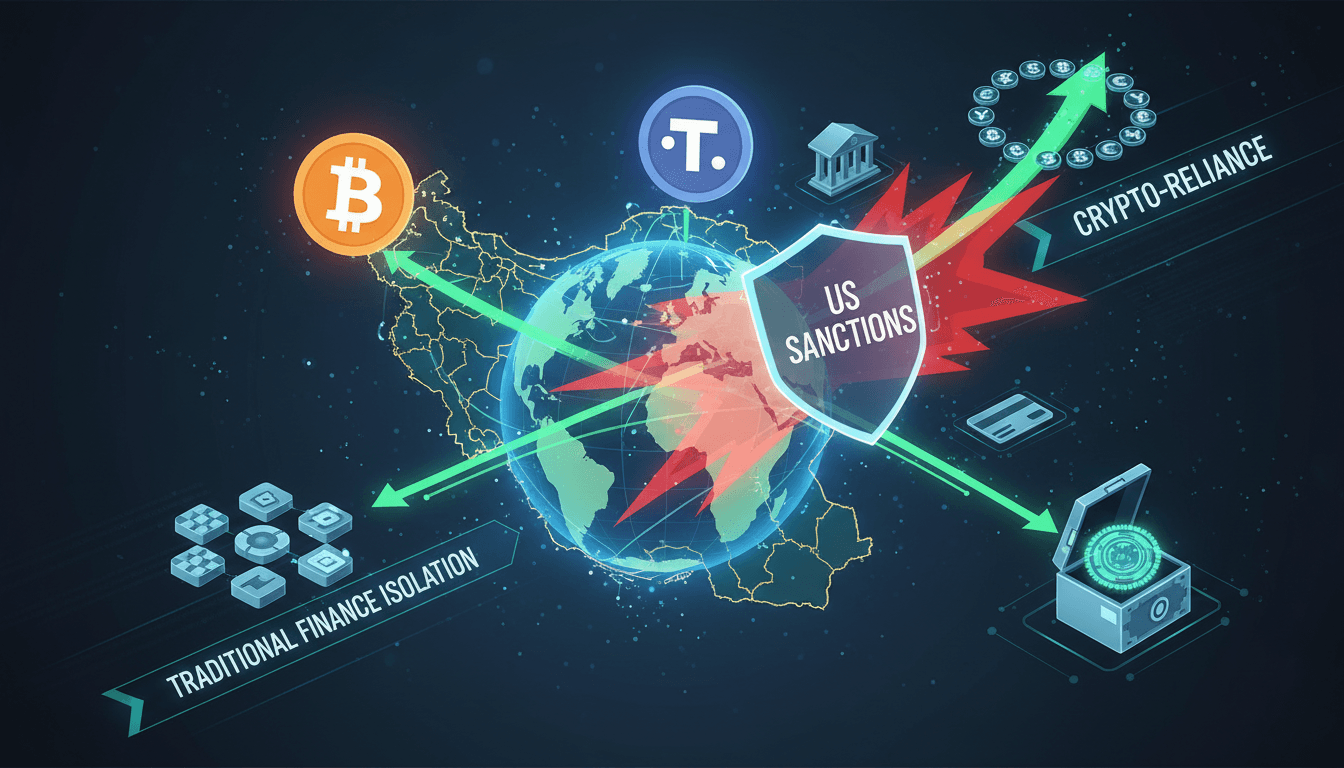
Here's what it means for you.
If you engage in international trade or finance, Iran's shift to cryptocurrency could reshape market dynamics and compliance risks.
Why it matters
This development highlights the growing use of digital currencies as a workaround for traditional financial systems under geopolitical stress.
What happened (in 30 seconds)
- Iran's central bank directed businesses to use bitcoin and Tether (USDT) for repatriating export proceeds to evade sanctions.
- US Treasury intensified sanctions targeting Iran's digital asset sector, freezing nearly $1 billion in assets since April 2026.
- Crypto activity linked to Iran reached approximately $10 billion in 2025, indicating a significant reliance on digital currencies for trade.
The context you actually need
- Long-standing sanctions: Iran has faced extensive US and international sanctions for decades, limiting access to global banking systems.
- Crypto as a solution: The Iranian government and businesses have increasingly turned to cryptocurrencies as a means to facilitate cross-border trade amid these restrictions.
- US response: The US Treasury's Operation Economic Outcast aims to disrupt Iran's digital asset channels, complicating the landscape for crypto transactions linked to the country.
What's really happening
In September 2026, the Financial Times reported that Iran's central bank has officially instructed businesses to utilize cryptocurrencies, specifically bitcoin and Tether (USDT), for repatriating export proceeds. This policy shift comes as a direct response to the ongoing US-Iran conflict and the blockade measures that have severely restricted access to conventional banking channels. The Iranian regime has recognized cryptocurrency as a viable settlement mechanism for cross-border trade, with blockchain analytics firms estimating that Iran's crypto activity reached approximately $10 billion in 2025.
The backdrop of this development is a long history of comprehensive sanctions imposed on Iran, which have intensified due to geopolitical conflicts, including a recent war with the US. These sanctions have effectively excluded Iranian entities from the SWIFT network and other global banking systems, prompting both state and private actors to explore alternative methods for value transfer. Reports indicate that Iranian crypto volumes have been substantial, with estimates ranging from $7.8 billion to $11.4 billion annually from 2024 to 2025.
In early 2026, amid escalating tensions, Iran's central bank relaxed its enforcement of foreign currency repatriation rules, explicitly allowing cryptocurrency settlements through domestic exchanges. This policy change was confirmed by regime insiders and analysts, who noted the utility of Tether for maintaining stable value and bitcoin for liquidity derived from mining operations. Concurrently, the US Treasury has ramped up its efforts to target these digital asset channels, designating Iranian exchanges and implementing wallet sanctions. The launch of Operation Economic Outcast on August 24, 2026, marked a significant escalation, with the US Treasury coordinating freezes with Tether that totaled over $475 million linked to the Iranian central bank.
As a result of these sanctions, Iranian exchanges have seen a decline in monthly inflows, dropping from peaks of $2.1 billion in late 2024 to just $510 million in the first quarter of 2026. Despite the tightening of sanctions, Iranian business executives have described the receipt of cryptocurrency as "totally established," indicating a shift in the operational landscape for trade and finance in the region.
Who feels it first (and how)
- Iranian businesses: They will need to adapt to using cryptocurrencies for international transactions, impacting their operational strategies.
- Crypto exchanges: Platforms facilitating Iranian transactions may face increased scrutiny and regulatory risks, particularly in regions like Dubai.
- International traders: Companies engaging with Iranian markets must navigate the complexities of compliance with evolving sanctions and digital asset regulations.
What to watch next
- US Treasury actions: Monitor any further sanctions or designations targeting Iranian digital asset channels, as these will impact the viability of crypto transactions.
- Crypto market trends: Watch for shifts in cryptocurrency prices and trading volumes linked to Iranian activity, which could signal broader market implications.
- Regulatory developments in the UAE: Keep an eye on how UAE authorities respond to Iranian-linked transactions, as this could affect compliance costs for local businesses.
Iran is actively using cryptocurrencies to circumvent international sanctions.
The US will continue to expand sanctions targeting Iran's digital asset sector.
The long-term impact on global cryptocurrency markets and compliance frameworks remains uncertain.
Frequently Asked Questions
- Why it matters?
- This development highlights the growing use of digital currencies as a workaround for traditional financial systems under geopolitical stress.
- What happened (in 30 seconds)?
- Iran's central bank directed businesses to use bitcoin and Tether (USDT) for repatriating export proceeds to evade sanctions. US Treasury intensified sanctions targeting Iran's digital asset sector, freezing nearly $1 billion in assets since April 2026. Crypto activity linked to Iran reached approximately $10 billion in 2025, indicating a significant reliance on digital currencies for trade.
- What's really happening?
- In September 2026, the Financial Times reported that Iran's central bank has officially instructed businesses to utilize cryptocurrencies, specifically bitcoin and Tether (USDT), for repatriating export proceeds. This policy shift comes as a direct response to the ongoing US-Iran conflict and the blockade measures that have severely restricted access to conventional banking channels. The Iranian regime has recognized cryptocurrency as a viable settlement mechanism for cross-border trade, with bl
- Who feels it first (and how)?
- Iranian businesses: They will need to adapt to using cryptocurrencies for international transactions, impacting their operational strategies. Crypto exchanges: Platforms facilitating Iranian transactions may face increased scrutiny and regulatory risks, particularly in regions like Dubai. International traders: Companies engaging with Iranian markets must navigate the complexities of compliance with evolving sanctions and digital asset regulations.
- What to watch next?
- US Treasury actions: Monitor any further sanctions or designations targeting Iranian digital asset channels, as these will impact the viability of crypto transactions. Crypto market trends: Watch for shifts in cryptocurrency prices and trading volumes linked to Iranian activity, which could signal broader market implications. Regulatory developments in the UAE: Keep an eye on how UAE authorities respond to Iranian-linked transactions, as this could affect compliance costs for local businesse
Covers Bitcoin plus altcoin news, market updates, and educational resources.
"Bitcoin.com provides news, market data, and guides focused on Bitcoin and the wider crypto industry."
— A47 Editor
Cut off From Global Finance, Iran Turns to Bitcoin and Tether
Iran has increasingly turned to cryptocurrencies like Bitcoin and Tether to facilitate its export transactions, as the nation faces significant financial isolation due to U.S. sanctions. This shift allows Iranian exporters to bring overseas earnings ...
Covers blockchain, cryptocurrency news, project analysis, and market insights.
"CoinDesk is a well-established cryptocurrency and blockchain news provider, offering comprehensive insights, market data, and industry research."
— A47 Editor
Iran eases currency controls to let traders bring earnings home in crypto: FT
Iran has eased its currency controls, allowing exporters to utilize overseas earnings for direct import funding without needing to convert foreign currency at official rates, as reported by the Financial Times. This shift is seen as a strategic move ...
Arabic-language coverage of political affairs and current events.
"Okaz political coverage typically follows mainstream Saudi framing on national and regional affairs."
— A47 Editor
إيران تراهن على العملات الرقمية لتجاوز قيود النظام المصرفي العالمي
Iranian companies are increasingly turning to cryptocurrencies like Bitcoin and Tether (USDT) for cross-border payments, providing exporters with an alternative to the official foreign currency system, according to a report by the Financial Times. Th...
Covers blockchain, cryptocurrency news, project analysis, and market insights.
"Cointelegraph is a leading crypto-focused media outlet known for timely news, analysis, and educational content related to blockchain and digital assets."
— A47 Editor
Iran eases currency rules to bypass US sanctions with crypto: Report
Iran has relaxed its currency regulations, allowing exporters to fund imports using overseas earnings without converting foreign currency at official rates, as reported by the Financial Times. This move is seen as a strategy to circumvent U.S. sancti...
Real-time updates, analysis, and reports on the blockchain and cryptocurrency sectors.
"Crypto News delivers real-time updates, analysis, and reports on the blockchain and cryptocurrency sectors."
— A47 Editor
Iran turns to crypto for export payments amid sanctions: FT
Iran has relaxed its foreign-exchange controls, allowing exporters to utilize cryptocurrency for export payments as a response to U.S. sanctions that limit access to traditional banking systems. This shift enables exporters to fund imports using over...