
Robinhood to Introduce Share Redemptions and Voting Rights for Stock Tokens Following AMC Criticism
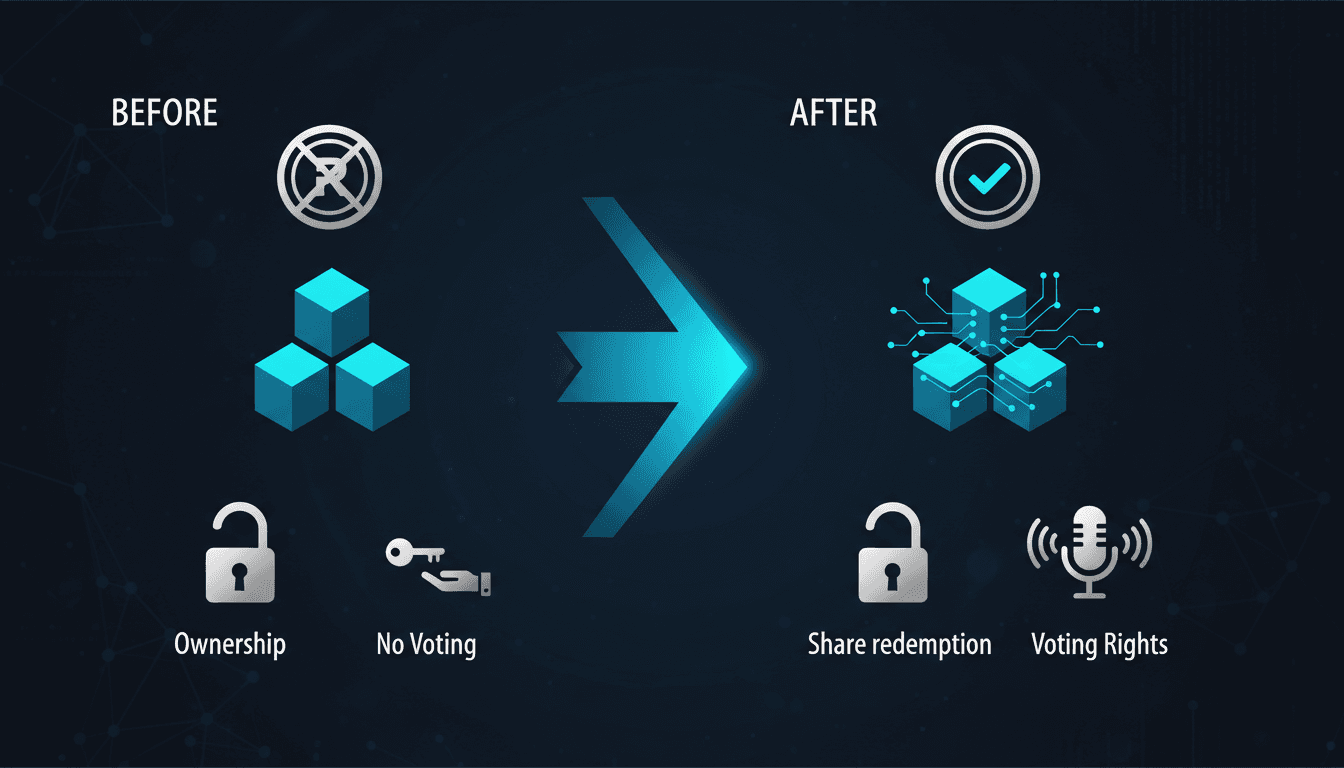
The recent changes to Robinhood's Stock Tokens could reshape how you engage with equity investments, especially in the evolving landscape of digital assets.
Why it matters
This move signals a potential shift in how digital asset platforms address shareholder rights, impacting investor confidence and market dynamics.
What happened (in 30 seconds)
- On September 14, 2026, Robinhood announced plans to implement share redemptions and voting rights for its Stock Tokens.
- This decision follows criticism from AMC Entertainment CEO Adam Aron, who highlighted the lack of genuine ownership features in these tokens.
- Robinhood's CEO Vlad Tenev confirmed that these features are under development, aligning with similar commitments from other platforms like Coinbase.
The context you actually need
- Stock Tokens were launched by Robinhood as blockchain-based products that provide economic exposure to U.S. equities but lack traditional shareholder rights.
- The backlash intensified after AMC's CEO publicly condemned the tokens, raising concerns about ownership and control in the digital asset space.
- Robinhood's response includes plans for 1:1 share redemptions and voting rights, which could enhance the legitimacy of their offerings and attract more users.
What's really happening
Robinhood's announcement on September 14, 2026, marks a significant pivot in its approach to Stock Tokens, which have faced scrutiny since their inception. Initially launched as debt instruments, these tokens allowed users to gain economic exposure to U.S. equities without granting them the rights typically associated with stock ownership, such as voting and dividends in kind. This structure was designed to simplify trading and broaden access to equity markets, but it also raised questions about the authenticity of ownership.
The criticism from AMC's CEO Adam Aron was a catalyst for change. He argued that the tokens effectively decoupled ownership from control, which could mislead investors about their rights. This public condemnation not only put pressure on Robinhood but also highlighted a broader concern within the industry regarding the transparency and legitimacy of tokenized assets. In response, Robinhood's leadership, including CEO Vlad Tenev and crypto head Johann Kerbrat, emphasized the need to adapt and enhance their offerings to meet user expectations and regulatory scrutiny.
The planned introduction of share redemptions and voting rights is a strategic move to address these concerns. By allowing users to redeem their tokens for actual shares and participate in corporate governance, Robinhood aims to restore trust and credibility in its products. This shift aligns with similar initiatives from other platforms, such as Coinbase, which are also exploring ways to integrate shareholder rights into their tokenized equity offerings.
However, the implementation of these features is still in the roadmap development phase, and the timeline for rollout remains unclear. The industry is watching closely, as the success of these changes could set a precedent for how digital asset platforms operate in the future. If Robinhood can effectively integrate these rights, it may not only enhance its competitive position but also influence regulatory frameworks surrounding tokenized equities.
Who feels it first (and how)
- Retail Investors: Users of Robinhood's platform who seek more control and rights over their investments.
- Crypto Enthusiasts: Individuals interested in the intersection of traditional finance and digital assets, looking for legitimate ownership structures.
- Market Regulators: Authorities monitoring the evolution of digital asset regulations and investor protections.
What to watch next
- Implementation Timeline: Keep an eye on when Robinhood rolls out these new features, as it will indicate their commitment to improving shareholder rights.
- Regulatory Responses: Watch for any regulatory changes or guidelines that may emerge in response to Robinhood's announcement and the broader tokenization debate.
- Market Reactions: Observe how other platforms react to Robinhood's changes, particularly in terms of adopting similar rights for their tokenized products.
Robinhood plans to introduce share redemptions and voting rights for its Stock Tokens.
Other platforms may follow suit, leading to a broader industry shift towards integrating shareholder rights in digital assets.
The exact timeline for implementation and the regulatory landscape surrounding these changes.
Frequently Asked Questions
- Why it matters?
- This move signals a potential shift in how digital asset platforms address shareholder rights, impacting investor confidence and market dynamics.
- What happened (in 30 seconds)?
- On September 14, 2026, Robinhood announced plans to implement share redemptions and voting rights for its Stock Tokens. This decision follows criticism from AMC Entertainment CEO Adam Aron, who highlighted the lack of genuine ownership features in these tokens. Robinhood's CEO Vlad Tenev confirmed that these features are under development, aligning with similar commitments from other platforms like Coinbase.
- What's really happening?
- Robinhood's announcement on September 14, 2026, marks a significant pivot in its approach to Stock Tokens, which have faced scrutiny since their inception. Initially launched as debt instruments, these tokens allowed users to gain economic exposure to U.S. equities without granting them the rights typically associated with stock ownership, such as voting and dividends in kind. This structure was designed to simplify trading and broaden access to equity markets, but it also raised questions about
- Who feels it first (and how)?
- Retail Investors: Users of Robinhood's platform who seek more control and rights over their investments. Crypto Enthusiasts: Individuals interested in the intersection of traditional finance and digital assets, looking for legitimate ownership structures. Market Regulators: Authorities monitoring the evolution of digital asset regulations and investor protections.
- What to watch next?
- Implementation Timeline: Keep an eye on when Robinhood rolls out these new features, as it will indicate their commitment to improving shareholder rights. Regulatory Responses: Watch for any regulatory changes or guidelines that may emerge in response to Robinhood's announcement and the broader tokenization debate. Market Reactions: Observe how other platforms react to Robinhood's changes, particularly in terms of adopting similar rights for their tokenized products.
Covers blockchain, cryptocurrency news, project analysis, and market insights.
"CoinDesk is a well-established cryptocurrency and blockchain news provider, offering comprehensive insights, market data, and industry research."
— A47 Editor
Robinhood plans share redemptions, voting rights for stock tokens, after criticism
Robinhood's CEO Vlad Tenev announced plans to introduce share redemptions and voting rights for its stock tokens, responding to criticism regarding ownership rights associated with these tokens. This move aims to enhance shareholder features and addr...
Real-time updates, analysis, and reports on the blockchain and cryptocurrency sectors.
"Crypto News delivers real-time updates, analysis, and reports on the blockchain and cryptocurrency sectors."
— A47 Editor
Robinhood CEO rejects issuer veto over stock tokens
Robinhood CEO Vlad Tenev has publicly rejected the notion that issuers should have the authority to veto stock tokens that are tied to their shares, asserting that such tokens should not alter shareholder rights or official records. This stance comes...
Covers blockchain, cryptocurrency news, project analysis, and market insights.
"Cointelegraph is a leading crypto-focused media outlet known for timely news, analysis, and educational content related to blockchain and digital assets."
— A47 Editor
Robinhood CEO says issuers should not have veto over tokenized stocks
Robinhood CEO Vlad Tenev stated that issuers should not have the authority to veto tokenized stocks that are backed by their shares, emphasizing that their involvement should only be necessary if shareholder rights or company obligations are altered....