
CFTC Updates Guidance Allowing Crypto as Margin Collateral with Haircuts
Why it matters
This guidance shapes how digital assets can be utilized in margin calculations, impacting liquidity and risk management in derivatives markets.
What happened (in 30 seconds)
- On September 24, 2026, the CFTC updated its FAQs to clarify the use of crypto as margin collateral.
- A minimum 20% haircut is now applied to non-stablecoin digital assets for margin calculations.
- Existing rules on collateral valuation remain in effect, emphasizing the need for careful risk management.
The context you actually need
- Prior CFTC actions established conditions for using digital assets in margin calculations, focusing on risk management.
- Regulation 1.25 governs customer fund investments, while Regulation 39.13 addresses collateral acceptance by clearing organizations.
- The September update does not expand eligible collateral categories but clarifies existing permissions and requirements.
What's really happening
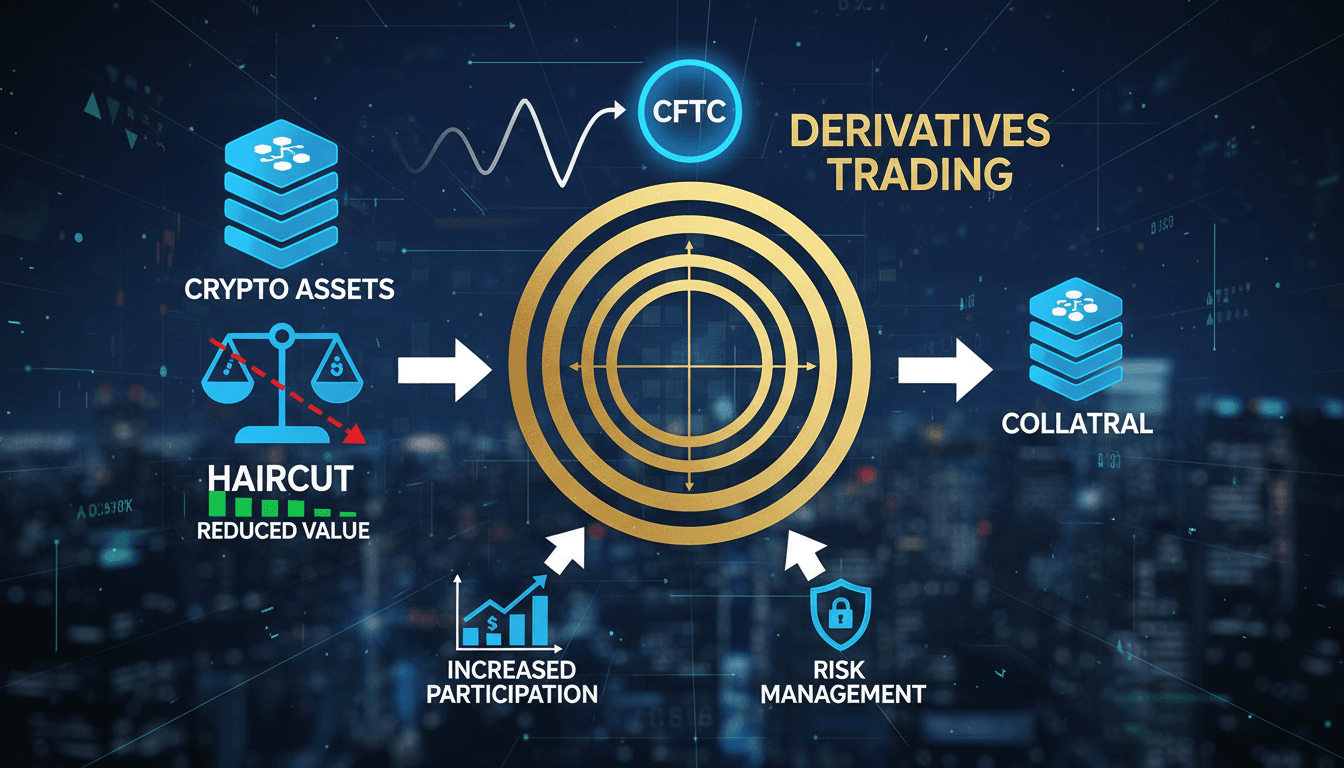
The CFTC's recent guidance is a significant step in integrating cryptocurrencies into regulated derivatives markets, but it comes with strict conditions that market participants must navigate. The update clarifies that while certain digital assets can be accepted as margin collateral, they are subject to a minimum haircut of 20%. This means that if you post $100,000 worth of non-stablecoin crypto as collateral, only $80,000 will be recognized for margin calculations.
This haircut is crucial because it directly impacts how much collateral you need to maintain your positions. If the value of your posted collateral declines—say, by 15%—the recognized value drops to $68,000, potentially triggering margin calls or requiring additional deposits. This dynamic valuation process emphasizes the importance of real-time monitoring and risk management for traders and firms involved in derivatives.
Moreover, the CFTC's guidance does not introduce new permissions for collateral but reinforces existing rules. Futures Commission Merchants (FCMs) and Derivatives Clearing Organizations (DCOs) retain discretion over haircuts and eligibility, which means that the actual impact on your trading strategy may vary based on the specific FCM or DCO you work with. The guidance also highlights the need for robust blockchain recordkeeping and tokenized investments, which are becoming increasingly relevant in the evolving landscape of digital assets.
The CFTC's focus on risk management is evident in its requirement for DCOs to review haircuts monthly based on credit, market, and liquidity risks. This adds another layer of complexity for traders, as they must stay informed about potential changes in haircut policies that could affect their margin requirements.
In summary, while the CFTC's update allows for greater use of crypto in derivatives trading, it also imposes strict conditions that require careful consideration and proactive risk management strategies.
Who feels it first (and how)
- Futures Commission Merchants (FCMs): They must adapt their margin policies to comply with the new haircut requirements.
- Traders and investors: Those using non-stablecoin cryptocurrencies as collateral will face increased scrutiny and potential margin calls.
- Derivatives Clearing Organizations (DCOs): They will need to implement monthly reviews of haircuts, affecting their operational processes.
What to watch next
- Market reactions: Watch for how traders adjust their strategies in response to the new haircut rules, which could impact liquidity.
- Regulatory developments: Keep an eye on any further clarifications or changes from the CFTC regarding crypto collateral and margin requirements.
- Adoption of blockchain technology: Increased focus on tokenization and blockchain recordkeeping may lead to innovations in how collateral is managed.
A minimum 20% haircut applies to non-stablecoin crypto assets in margin calculations.
Increased scrutiny on margin calls and collateral management practices among traders and FCMs.
The long-term impact of these rules on the overall liquidity and stability of derivatives markets.
Frequently Asked Questions
- Why it matters?
- This guidance shapes how digital assets can be utilized in margin calculations, impacting liquidity and risk management in derivatives markets.
- What happened (in 30 seconds)?
- On September 24, 2026, the CFTC updated its FAQs to clarify the use of crypto as margin collateral. A minimum 20% haircut is now applied to non-stablecoin digital assets for margin calculations. Existing rules on collateral valuation remain in effect, emphasizing the need for careful risk management.
- What's really happening?
- The CFTC's recent guidance is a significant step in integrating cryptocurrencies into regulated derivatives markets, but it comes with strict conditions that market participants must navigate. The update clarifies that while certain digital assets can be accepted as margin collateral, they are subject to a minimum haircut of 20%. This means that if you post $100,000 worth of non-stablecoin crypto as collateral, only $80,000 will be recognized for margin calculations. This haircut is crucial be
- Who feels it first (and how)?
- Futures Commission Merchants (FCMs): They must adapt their margin policies to comply with the new haircut requirements. Traders and investors: Those using non-stablecoin cryptocurrencies as collateral will face increased scrutiny and potential margin calls. Derivatives Clearing Organizations (DCOs): They will need to implement monthly reviews of haircuts, affecting their operational processes.
- What to watch next?
- Market reactions: Watch for how traders adjust their strategies in response to the new haircut rules, which could impact liquidity. Regulatory developments: Keep an eye on any further clarifications or changes from the CFTC regarding crypto collateral and margin requirements. Adoption of blockchain technology: Increased focus on tokenization and blockchain recordkeeping may lead to innovations in how collateral is managed.
Real-time updates, analysis, and reports on the blockchain and cryptocurrency sectors.
"Crypto News delivers real-time updates, analysis, and reports on the blockchain and cryptocurrency sectors."
— A47 Editor
Crypto can serve as derivatives collateral. What happens when its price falls?
The Commodity Futures Trading Commission (CFTC) has updated its guidance regarding the use of cryptocurrency as collateral for derivatives, allowing certain futures intermediaries to accept crypto as margin. This shift emphasizes the regulatory frame...
Covers blockchain, cryptocurrency news, project analysis, and market insights.
"Cointelegraph is a leading crypto-focused media outlet known for timely news, analysis, and educational content related to blockchain and digital assets."
— A47 Editor
CFTC updates guidance on tokenized assets, blockchain records after failed vote
The Commodity Futures Trading Commission (CFTC) has updated its guidance on tokenized assets and blockchain records following the Senate's failure to advance the CLARITY Act, which aimed to clarify cryptocurrency regulations. Although the CFTC chair ...
Covers blockchain, cryptocurrency news, project analysis, and market insights.
"CoinDesk is a well-established cryptocurrency and blockchain news provider, offering comprehensive insights, market data, and industry research."
— A47 Editor
U.S. commodities firms can invest in tokenized assets, use blockchain records: CFTC
The U.S. Commodity Futures Trading Commission (CFTC) is advancing its guidance to allow U.S. commodities firms to invest in tokenized assets and utilize blockchain recordkeeping, marking a significant shift in regulatory acceptance of these technolog...