
Upbit and Samsung Reject Participation in Open USD Stablecoin Consortium
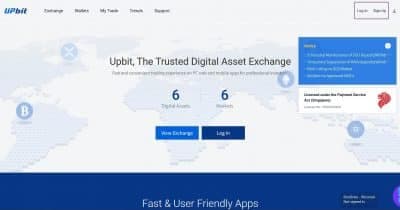
Here's what it means for you.
The refusal of Upbit and Samsung to participate in the Open USD stablecoin consortium raises critical questions about the integrity of partnerships in the cryptocurrency space. As major players distance themselves from the initiative, the credibility of the consortium is under scrutiny, which could influence market dynamics and regulatory responses. Stakeholders should remain vigilant as this situation unfolds, as it may set a precedent for future stablecoin projects.
What happened
Upbit, a prominent South Korean crypto exchange, has publicly rejected claims of its involvement in the issuance of the proposed stablecoin Open USD. This decision was echoed by Samsung, which also denied consent for its inclusion in the consortium. The backlash comes in light of reports that over 140 organizations were initially listed as partners without their approval, raising significant concerns about the legitimacy of the consortium's claims.
The public denials from these key players highlight a growing distrust within the cryptocurrency market regarding the authenticity of partnerships. As more companies voice their discontent, the future of the Open USD initiative appears increasingly uncertain.
The Context
The Open USD consortium initially claimed the support of over 140 organizations, a number that underscores the scale of its ambitions. However, the lack of consent from major players like Upbit and Samsung has cast doubt on the consortium's credibility. This controversy not only affects the Open USD project but also raises broader questions about the legitimacy of stablecoin partnerships in the cryptocurrency ecosystem.
As the situation develops, it is essential to consider the implications for regulatory scrutiny and market acceptance of digital currencies. The timing of these denials, coinciding with a growing focus on compliance and transparency in the crypto space, suggests that stakeholders are increasingly wary of potential reputational risks.
Takeaway
The ongoing backlash against the Open USD consortium may lead to heightened scrutiny of stablecoin partnerships in the cryptocurrency market. Observers should monitor reactions from other organizations listed as partners, as their responses could further impact the consortium's credibility. Additionally, the situation may prompt regulatory bodies to examine the legitimacy of such initiatives more closely.
As companies continue to distance themselves from Open USD, the consortium faces significant challenges in establishing trust and credibility. The outcome of this controversy could have lasting effects on the future acceptance of stablecoins in the market.
Real-time updates, analysis, and reports on the blockchain and cryptocurrency sectors.
"Crypto News delivers real-time updates, analysis, and reports on the blockchain and cryptocurrency sectors."
— A47 Editor
Upbit rejects Open USD role after stablecoin partner claims
South Korean cryptocurrency exchange Upbit has officially rejected claims of its involvement in the issuance of Open USD (OUSD), following its listing among over 140 organizations purportedly associated with the stablecoin initiative. Upbit clarified...
Covers Bitcoin plus altcoin news, market updates, and educational resources.
"Bitcoin.com provides news, market data, and guides focused on Bitcoin and the wider crypto industry."
— A47 Editor
Open USD Backlash: Consortium Faces Allegations of Faking Key Stablecoin Partnerships
The Open USD Consortium is facing backlash amid allegations of fabricating key partnerships for its stablecoin initiative, with major players like Samsung and Upbit distancing themselves from the project. This comes after scrutiny over the legitimacy...
Research, news, and analysis on blockchain startups, DeFi, and regulations.
"Crypto Briefing provides research, news, and analysis on blockchain startups, DeFi, and crypto regulations with investor-focused coverage."
— A47 Editor
Upbit joins Samsung in declining participation in Open USD issuance
Upbit and Samsung have both declined to participate in the issuance of Open USD (OUSD), raising concerns about the credibility of the OUSD initiative and its claimed partnerships. This withdrawal from key players could significantly alter the dynamic...