
Research Proposal Introduces Zcash-Style Privacy for Bitcoin Transactions
Why it matters
This proposal addresses long-standing privacy concerns in Bitcoin, potentially reshaping how transactions are conducted globally.
What happened (in 30 seconds)
- On September 25, 2026, researchers at [alloc] init published a specification for Shielded Bitcoin, enabling Zcash-style privacy for Bitcoin transfers.
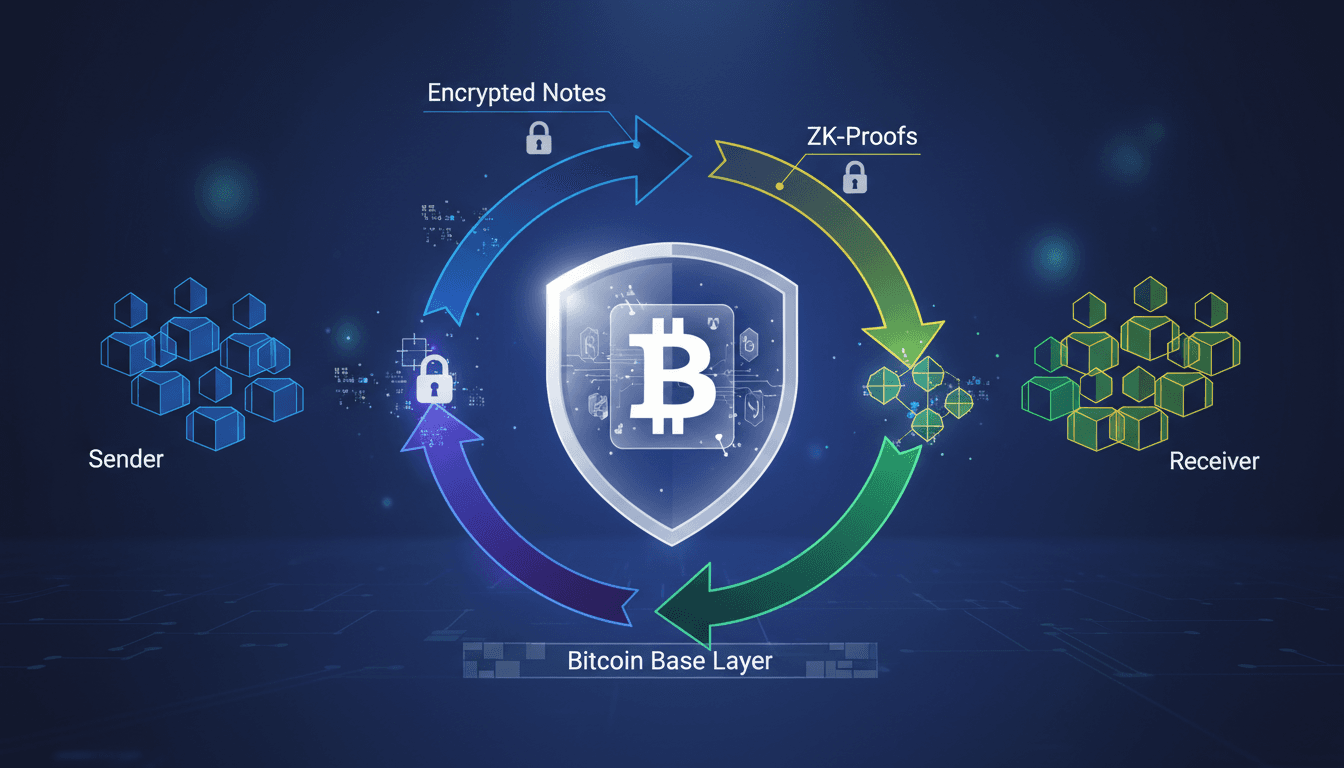
- The design uses encrypted notes and zero-knowledge proofs, allowing for private transactions without changing Bitcoin's consensus rules.
- As of now, the proposal is in the preliminary research phase, with no implementation for deposits or withdrawals yet.
The context you actually need
- Bitcoin's transparent ledger has historically exposed transaction details, prompting calls for enhanced privacy solutions.
- Previous proposals often required significant changes to the network, such as soft forks, which are difficult to coordinate among stakeholders.
- Zcash pioneered shielded transactions using encrypted notes and zk-proofs, setting a precedent that this new proposal aims to build upon without the need for consensus changes.
What's really happening
On September 25, 2026, researchers from [alloc] init unveiled a groundbreaking proposal for Shielded Bitcoin, which aims to integrate Zcash-style privacy features directly into the Bitcoin base layer. This innovative approach utilizes encrypted notes, zero-knowledge proofs (zk-proofs), and nullifiers, all published through Bitcoin transactions. The core idea is to treat Bitcoin as a neutral data publication and ordering layer, allowing for private transfers without altering its consensus rules.
The proposal outlines a system where value is represented by encrypted notes. When a transfer occurs, nullifiers and zk-proofs are published on the Bitcoin blockchain via OP_RETURN outputs, which typically consume around 625-700 vbytes. This allows external indexers to reconstruct the shielded state without requiring Bitcoin nodes to validate the proofs themselves. Essentially, Bitcoin will confirm the hosting transaction regardless of the validity of the proof, which is a significant departure from traditional validation methods.
This design also introduces a clear distinction between spending and viewing keys, eliminating the need for trusted operators or separate chains. Unlike Zcash, which relies on its own infrastructure for validation, Shielded Bitcoin offloads this verification process externally, potentially increasing efficiency and reducing the burden on the Bitcoin network.
The proposal comes at a time of renewed interest in privacy coins and heightened regulatory scrutiny of transparent ledgers. As of late September 2026, approximately 4.9 million ZEC (worth about $7.8 billion) is held in Zcash shielded pools, highlighting the demand for privacy in cryptocurrency transactions. However, the Shielded Bitcoin proposal remains in the preliminary research phase, with no mechanisms for deposits or withdrawals currently implemented.
Market reactions have been cautious, with some analysts predicting potential fee increases—up to four times the standard transaction costs—due to the additional complexity of shielded transactions. Discussions within the Zcash community have also emerged, focusing on the implications for validation dynamics and competition between the two systems. As of now, there have been no significant price movements or policy shifts in exchanges related to this proposal.
Who feels it first (and how)
- Cryptocurrency traders: Increased transaction privacy could attract more users to Bitcoin, impacting trading volumes.
- Privacy advocates: Enhanced privacy features align with their goals, potentially increasing adoption among privacy-conscious individuals.
- Regulatory bodies: They may need to adapt to the implications of private transactions on compliance and monitoring efforts.
What to watch next
- Implementation timelines: Keep an eye on when or if the proposal transitions from research to practical application, as this will affect market dynamics.
- Regulatory responses: Watch for how governments react to the introduction of privacy features in Bitcoin, which could influence future legislation.
- Market adoption: Monitor the uptake of Shielded Bitcoin among users and exchanges, as this will indicate its acceptance and potential impact on Bitcoin's ecosystem.
The proposal aims to enhance privacy for Bitcoin transactions without altering consensus rules.
Increased interest in privacy features could lead to more users adopting Bitcoin for private transactions.
The long-term effects on transaction fees and market dynamics remain to be seen.
Frequently Asked Questions
- Why it matters?
- This proposal addresses long-standing privacy concerns in Bitcoin, potentially reshaping how transactions are conducted globally.
- What happened (in 30 seconds)?
- On September 25, 2026, researchers at [alloc] init published a specification for Shielded Bitcoin, enabling Zcash-style privacy for Bitcoin transfers. The design uses encrypted notes and zero-knowledge proofs, allowing for private transactions without changing Bitcoin's consensus rules. As of now, the proposal is in the preliminary research phase, with no implementation for deposits or withdrawals yet.
- What's really happening?
- On September 25, 2026, researchers from [alloc] init unveiled a groundbreaking proposal for Shielded Bitcoin, which aims to integrate Zcash-style privacy features directly into the Bitcoin base layer. This innovative approach utilizes encrypted notes, zero-knowledge proofs (zk-proofs), and nullifiers, all published through Bitcoin transactions. The core idea is to treat Bitcoin as a neutral data publication and ordering layer, allowing for private transfers without altering its consensus rules.
- Who feels it first (and how)?
- Cryptocurrency traders: Increased transaction privacy could attract more users to Bitcoin, impacting trading volumes. Privacy advocates: Enhanced privacy features align with their goals, potentially increasing adoption among privacy-conscious individuals. Regulatory bodies: They may need to adapt to the implications of private transactions on compliance and monitoring efforts.
- What to watch next?
- Implementation timelines: Keep an eye on when or if the proposal transitions from research to practical application, as this will affect market dynamics. Regulatory responses: Watch for how governments react to the introduction of privacy features in Bitcoin, which could influence future legislation. Market adoption: Monitor the uptake of Shielded Bitcoin among users and exchanges, as this will indicate its acceptance and potential impact on Bitcoin's ecosystem.
Covers blockchain, cryptocurrency news, project analysis, and market insights.
"CoinDesk is a well-established cryptocurrency and blockchain news provider, offering comprehensive insights, market data, and industry research."
— A47 Editor
Bitcoin could soon get Zcash-style 'shielded' privacy without changing its rules
Researchers have proposed a method for implementing Zcash-style privacy features for Bitcoin transactions without altering its existing rules. This approach involves private Bitcoin-denominated transfers that run alongside the main Bitcoin network, u...
Real-time updates, analysis, and reports on the blockchain and cryptocurrency sectors.
"Crypto News delivers real-time updates, analysis, and reports on the blockchain and cryptocurrency sectors."
— A47 Editor
Bitcoin privacy proposal avoids soft fork with ZK proofs
Researchers have introduced a proposal for Shielded Bitcoin, which employs zero-knowledge (ZK) proofs and encrypted notes to facilitate private Bitcoin transactions without necessitating a soft fork or changes to the consensus mechanism. This innovat...
Covers blockchain, cryptocurrency news, project analysis, and market insights.
"Cointelegraph is a leading crypto-focused media outlet known for timely news, analysis, and educational content related to blockchain and digital assets."
— A47 Editor
Researchers propose Zcash-style private Bitcoin transfers without a soft fork
Researchers have proposed a method for private Bitcoin transfers that mimics Zcash's privacy features without requiring a soft fork. This approach utilizes zero-knowledge proofs and encrypted notes to conceal transaction details while maintaining Bit...