
Block Integrates Bitcoin Lightning Network into x402 Protocol for AI Payments
Why it matters
This integration could redefine how AI agents transact, potentially lowering costs and increasing efficiency across digital services.
What happened (in 30 seconds)
- On September 23-24, 2026, Block integrated Bitcoin Lightning Network support into the x402 payment protocol.
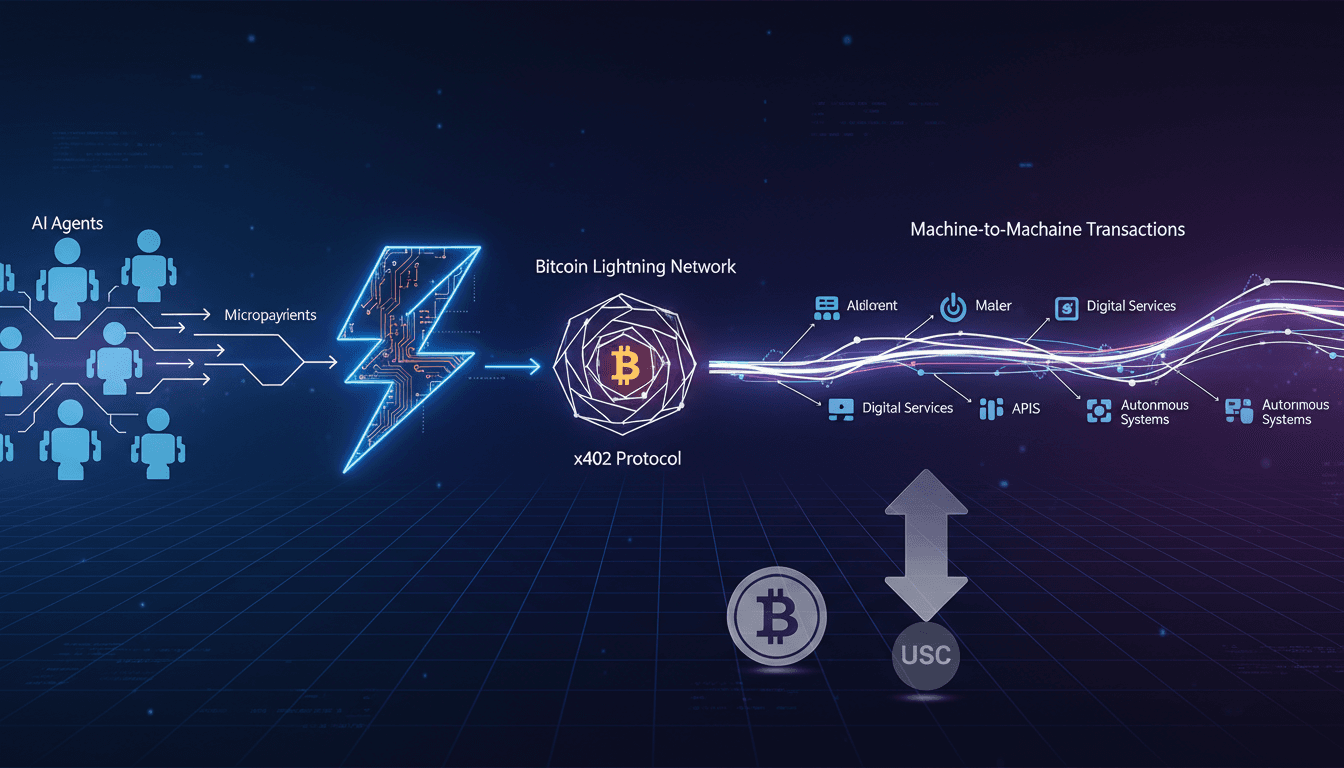
- This development targets high-volume micropayments, allowing AI agents to transact using Bitcoin instead of stablecoins like USDC.
- The integration aims to address the 99.3% dominance of USDC in x402 volume by introducing a low-cost alternative for sub-cent transactions.
The context you actually need
- The x402 protocol was created to facilitate machine-to-machine micropayments, a growing need driven by the rise of generative AI.
- Block's contribution marks a significant shift in payment options, moving away from traditional credit card systems that are often inefficient for small transactions.
- The HTTP 402 status code, previously unused, is now being revived to support these new payment methods, attracting major players like Google and AWS.
What's really happening
On September 23, 2026, Block, the payments company founded by Jack Dorsey, made a strategic move by integrating Bitcoin Lightning Network support into the x402 payment protocol. This integration is significant because it introduces a Bitcoin-native payment option to a protocol that has been largely dominated by stablecoins, particularly USDC, which accounted for 99.3% of x402 transaction volume prior to this development.
The x402 protocol, which utilizes the HTTP 402 'Payment Required' status code, was initially proposed by Coinbase and later transferred to the Linux Foundation. Its purpose is to facilitate high-volume micropayments, particularly for AI agents that require efficient and low-cost transactions for APIs, data, and digital services. Traditional payment systems, which often involve credit cards and bank accounts, are not well-suited for the rapid and frequent transactions that AI agents need, due to high fees and friction.
By integrating Lightning payments, Block allows servers to issue Lightning invoices in response to 402 codes. Clients can then pay these invoices and receive a payment preimage for verification and access to data. This mechanism not only streamlines the payment process but also significantly reduces costs associated with micropayments, making it feasible for transactions that are often less than a cent.
The integration is still in its early stages, with a Python implementation pending real-node testing and no announced timeline for production deployment. However, Block has expressed intentions to continue contributing to the Lightning Network and participating in x402 working groups. This commitment indicates a long-term vision for enhancing the payment landscape for AI-driven services.
As the demand for autonomous machine-to-machine payments grows, the introduction of Bitcoin Lightning into the x402 protocol could lead to a broader acceptance of Bitcoin as a payment method, particularly in sectors that rely heavily on AI and digital services. This shift could also encourage other payment providers to explore similar integrations, potentially leading to a more competitive and diverse payment ecosystem.
Who feels it first (and how)
- AI Developers: They will benefit from reduced transaction costs and faster payment processing for their services.
- Digital Service Providers: Companies offering APIs and data services can expect increased efficiency and lower fees.
- Micropayment Platforms: Businesses that rely on small transactions will find new opportunities for profitability.
- Consumers: End-users may see lower costs for services that utilize AI-driven micropayments.
What to watch next
- Adoption Rates: Monitor how quickly developers and businesses begin to implement the x402 protocol with Lightning support, as this will indicate market acceptance.
- Transaction Volume: Keep an eye on the transaction volume processed through the x402 protocol to gauge the effectiveness of Bitcoin Lightning in real-world applications.
- Competitive Responses: Watch for reactions from other payment providers, particularly those currently dominating the micropayment space, as they may seek to adapt or innovate in response.
Block has integrated Bitcoin Lightning support into the x402 protocol.
The integration will lead to increased adoption of Bitcoin for micropayments in AI applications.
The timeline for full production deployment and the extent of market impact remain uncertain.
Frequently Asked Questions
- Why it matters?
- This integration could redefine how AI agents transact, potentially lowering costs and increasing efficiency across digital services.
- What happened (in 30 seconds)?
- On September 23-24, 2026, Block integrated Bitcoin Lightning Network support into the x402 payment protocol. This development targets high-volume micropayments, allowing AI agents to transact using Bitcoin instead of stablecoins like USDC. The integration aims to address the 99.3% dominance of USDC in x402 volume by introducing a low-cost alternative for sub-cent transactions.
- What's really happening?
- On September 23, 2026, Block, the payments company founded by Jack Dorsey, made a strategic move by integrating Bitcoin Lightning Network support into the x402 payment protocol. This integration is significant because it introduces a Bitcoin-native payment option to a protocol that has been largely dominated by stablecoins, particularly USDC, which accounted for 99.3% of x402 transaction volume prior to this development. The x402 protocol, which utilizes the HTTP 402 'Payment Required' status c
- Who feels it first (and how)?
- AI Developers: They will benefit from reduced transaction costs and faster payment processing for their services. Digital Service Providers: Companies offering APIs and data services can expect increased efficiency and lower fees. Micropayment Platforms: Businesses that rely on small transactions will find new opportunities for profitability. Consumers: End-users may see lower costs for services that utilize AI-driven micropayments.
- What to watch next?
- Adoption Rates: Monitor how quickly developers and businesses begin to implement the x402 protocol with Lightning support, as this will indicate market acceptance. Transaction Volume: Keep an eye on the transaction volume processed through the x402 protocol to gauge the effectiveness of Bitcoin Lightning in real-world applications. Competitive Responses: Watch for reactions from other payment providers, particularly those currently dominating the micropayment space, as they may seek to adapt or
Covers Bitcoin plus altcoin news, market updates, and educational resources.
"Bitcoin.com provides news, market data, and guides focused on Bitcoin and the wider crypto industry."
— A47 Editor
Jack Dorsey’s Block Brings Lightning Network to x402
Jack Dorsey's company Block has successfully integrated Bitcoin Lightning payments into the x402 payment standard, which is tailored for AI agents. This integration positions Block alongside major tech players like Google, Microsoft, and AWS, enhanci...
Real-time updates, analysis, and reports on the blockchain and cryptocurrency sectors.
"Crypto News delivers real-time updates, analysis, and reports on the blockchain and cryptocurrency sectors."
— A47 Editor
Jack Dorsey’s Block joins x402 with Lightning support
Block, led by Jack Dorsey, has integrated Bitcoin Lightning support into the x402 payment standard, enhancing its functionality for AI agents and joining a coalition of major tech companies.
Covers blockchain, cryptocurrency news, project analysis, and market insights.
"Cointelegraph is a leading crypto-focused media outlet known for timely news, analysis, and educational content related to blockchain and digital assets."
— A47 Editor
Block brings Bitcoin Lightning payments to x402 for AI agents
Block has announced the integration of Bitcoin Lightning payments into the x402 payment standard, which is designed for AI agents, joining major tech companies like Google, Microsoft, AWS, and Coinbase in this initiative.