
Qivalis Secures Dutch EMI Authorization for Euro Stablecoin Initiative
Why it matters
The authorization of Qivalis marks a significant step towards establishing a regulated euro stablecoin, potentially altering the competitive dynamics in the stablecoin market.
What happened (in 30 seconds)
- On October 14, 2026, De Nederlandsche Bank authorized Qivalis B.V. as an electronic money institution.
- Qivalis is backed by 37 European banks across 15 countries, aiming to issue a euro-denominated electronic money token compliant with MiCA.
- Issuance is pending the publication of a required MiCA white paper and operational readiness.
The context you actually need
- MiCA regulation: The EU's Markets in Crypto-Assets regulation, effective from 2024, sets a framework for crypto-asset service providers, including electronic money tokens (EMTs).
- Market share: Prior to this, euro stablecoins accounted for only a small fraction of the total stablecoin market, dominated by dollar-pegged assets.
- Strategic autonomy: The project aims to enhance European strategic autonomy in digital finance and support institutional payments.
What's really happening
The authorization of Qivalis as an electronic money institution by De Nederlandsche Bank is a pivotal moment in the European financial landscape. This move is not just about regulatory compliance; it reflects a broader strategy among European banks to reclaim market share in the stablecoin sector, which has been largely dominated by U.S. dollar tokens.
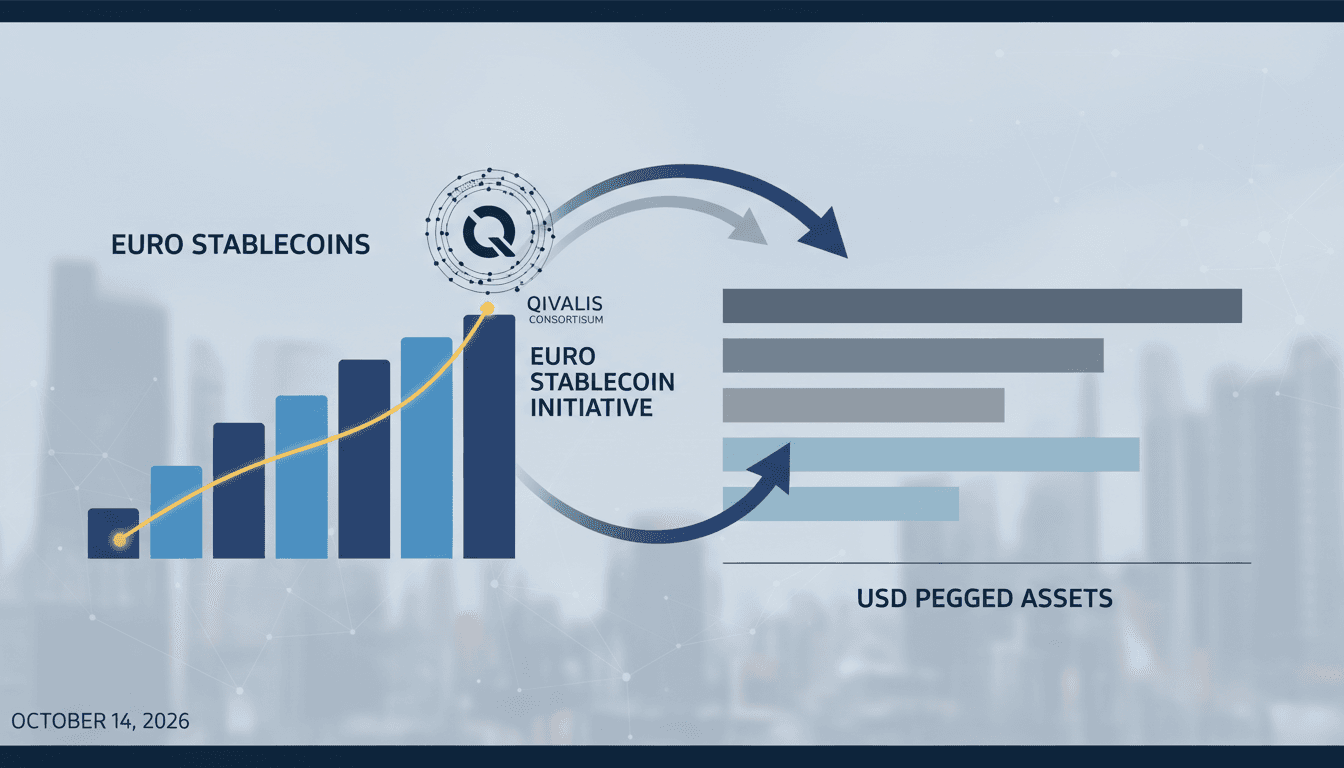
The Qivalis consortium, which expanded from an initial group of nine banks to 37 institutions, is a direct response to the growing influence of dollar-pegged stablecoins. As of late 2025, euro stablecoins represented only about EUR 395 million, a mere fraction of the total stablecoin capitalization, which is overwhelmingly dollar-centric. This disparity has raised concerns about the euro's competitiveness in the digital finance space, prompting banks to collaborate on a solution.
The issuance of euro-denominated electronic money tokens (EMTs) is contingent upon the publication of a MiCA-compliant white paper and the establishment of operational frameworks. The consortium plans to distribute the tokens through a B2B2X model, leveraging existing banking infrastructure rather than issuing directly to retail consumers. This approach aims to ensure a smoother integration into the current financial ecosystem while addressing the complexities of redemption procedures, reserves, and liquidity mechanisms.
The success of Qivalis will depend heavily on how well these banks can integrate the new stablecoin into their existing services and how effectively they can compete with established dollar tokens. Market participants are closely monitoring the development of the redemption infrastructure and the competitive landscape, as these factors will significantly influence user adoption and market dynamics.
As the European Banking Authority has already classified USDC as a significant EMT, the regulatory landscape is tightening, and oversight will likely increase. This regulatory focus aligns with the EU's broader goals of ensuring stability and security in the crypto market, which could further impact the operational strategies of both existing and new players in the space.
Who feels it first (and how)
- European banks: They will need to adapt their services to incorporate the new euro stablecoin.
- Crypto exchanges: They may see increased trading volume and new listings as euro stablecoins become available.
- Institutional investors: They could benefit from a regulated euro stablecoin for cross-border transactions and settlements.
- Regulatory bodies: Increased scrutiny and oversight will affect how they monitor stablecoin activities.
What to watch next
- MiCA white paper publication: This will clarify the operational framework and requirements for Qivalis, impacting the timeline for token issuance.
- Bank integrations: Watch how quickly and effectively banks can integrate the euro stablecoin into their existing systems, which will determine its market acceptance.
- Market competition: Monitor how established dollar-pegged stablecoins respond to the emergence of a euro stablecoin, particularly in terms of pricing and features.
Qivalis has received regulatory authorization from De Nederlandsche Bank.
The euro stablecoin will be issued within months, pending compliance with MiCA.
The extent to which the euro stablecoin will capture market share from dollar-pegged assets.
Frequently Asked Questions
- Why it matters?
- The authorization of Qivalis marks a significant step towards establishing a regulated euro stablecoin, potentially altering the competitive dynamics in the stablecoin market.
- What happened (in 30 seconds)?
- On October 14, 2026, De Nederlandsche Bank authorized Qivalis B.V. as an electronic money institution. Qivalis is backed by 37 European banks across 15 countries, aiming to issue a euro-denominated electronic money token compliant with MiCA. Issuance is pending the publication of a required MiCA white paper and operational readiness.
- What's really happening?
- The authorization of Qivalis as an electronic money institution by De Nederlandsche Bank is a pivotal moment in the European financial landscape. This move is not just about regulatory compliance; it reflects a broader strategy among European banks to reclaim market share in the stablecoin sector, which has been largely dominated by U.S. dollar tokens. The Qivalis consortium, which expanded from an initial group of nine banks to 37 institutions, is a direct response to the growing influence of
- Who feels it first (and how)?
- European banks: They will need to adapt their services to incorporate the new euro stablecoin. Crypto exchanges: They may see increased trading volume and new listings as euro stablecoins become available. Institutional investors: They could benefit from a regulated euro stablecoin for cross-border transactions and settlements. Regulatory bodies: Increased scrutiny and oversight will affect how they monitor stablecoin activities.
- What to watch next?
- MiCA white paper publication: This will clarify the operational framework and requirements for Qivalis, impacting the timeline for token issuance. Bank integrations: Watch how quickly and effectively banks can integrate the euro stablecoin into their existing systems, which will determine its market acceptance. Market competition: Monitor how established dollar-pegged stablecoins respond to the emergence of a euro stablecoin, particularly in terms of pricing and features.
Real-time updates, analysis, and reports on the blockchain and cryptocurrency sectors.
"Crypto News delivers real-time updates, analysis, and reports on the blockchain and cryptocurrency sectors."
— A47 Editor
Europe’s banks have a euro stablecoin license. Can they win users?
Qivalis has received an electronic money institution license from the Dutch central bank, allowing it to issue a euro-denominated stablecoin compliant with the Markets in Crypto-Assets (MiCA) regulation. This license is a crucial step for Qivalis as ...
Covers blockchain, cryptocurrency news, project analysis, and market insights.
"Cointelegraph is a leading crypto-focused media outlet known for timely news, analysis, and educational content related to blockchain and digital assets."
— A47 Editor
Qivalis wins Dutch e-money license for euro stablecoin
Qivalis has secured an Electronic Money Institution authorization from the Dutch authorities, allowing it to launch a euro-denominated stablecoin in the upcoming months, contingent upon meeting additional requirements under the Markets in Crypto-Asse...
Covers blockchain, cryptocurrency news, project analysis, and market insights.
"CoinDesk is a well-established cryptocurrency and blockchain news provider, offering comprehensive insights, market data, and industry research."
— A47 Editor
Dutch central bank grants Qivalis e-money license for MiCA-compliant euro token
The Dutch central bank has granted Qivalis an e-money license, enabling the company to offer a euro-denominated stablecoin compliant with the Markets in Crypto-Assets (MiCA) regulation. This authorization marks a significant step for Qivalis in estab...