
Six beluga whales relocated from Canadian marine park to U.S. aquariums
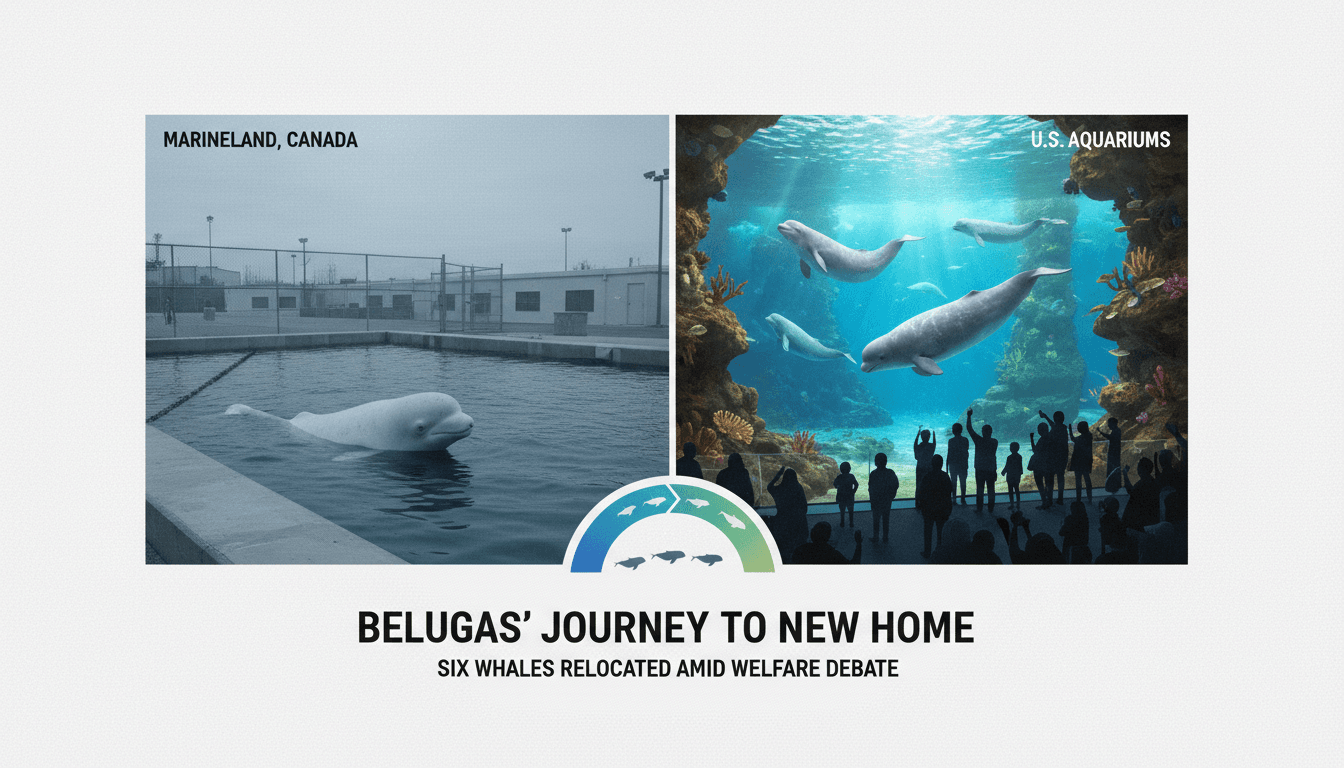
Here's what it means for you.
The successful relocation of six beluga whales from Marineland in Canada to U.S. aquariums marks a pivotal moment in animal welfare. This event highlights growing public concern over the treatment of marine animals in captivity and may influence future policies regarding animal care standards. As these whales adapt to their new environments, their well-being will be closely monitored, potentially setting a precedent for similar cases in the future.
What happened
Six beluga whales were flown from Marineland, a Canadian marine park, to various aquariums in the United States. This relocation process began on July 21, 2026, and concluded with the whales arriving at their new homes in Illinois and Texas on July 22, 2026. The move was prompted by a prolonged controversy surrounding the treatment of the whales, including threats of euthanasia from Marineland due to its inability to care for them.
The relocation involved a consortium of U.S. aquariums and was complex and lengthy, reflecting the challenges associated with such efforts. The successful transfer of these whales signifies a significant change in their living conditions, as they transition from a controversial captivity situation to potentially more supportive environments.
The Context
The relocation of the belugas comes amid increasing scrutiny of Marineland's practices and the broader implications for animal welfare in captivity. Animal welfare advocates have long criticized the park for its treatment of marine animals, leading to public outcry and demands for change. The relocation not only addresses the immediate needs of the whales but also raises questions about the future of Marineland and its remaining animals.
This event is significant as it may influence public perception and policy regarding marine animal care standards. The successful relocation could inspire similar initiatives for other marine animals facing inadequate living conditions in captivity, potentially leading to a shift in industry practices.
Takeaway
As the belugas settle into their new environments, ongoing monitoring will be essential to ensure their well-being. Observers will be keen to track how these whales adapt to their new habitats and whether they thrive in their new surroundings. Additionally, developments regarding the future of Marineland and its remaining animals will be closely watched, as they may impact broader discussions on animal welfare.
The successful relocation of these belugas signals a positive step towards better treatment of marine animals in captivity, and it sets a hopeful precedent for future rescue efforts.
Reporting on North, Central, and South America, plus the Caribbean.
"The Guardian is known for its progressive editorial stance and in-depth analysis."
— A47 Editor
Six beluga whales finally leave embattled Canadian marine park
Six beluga whales have been successfully relocated from Marineland, a Canadian marine park in Niagara Falls, to U.S. aquariums, marking a significant milestone in their journey towards better care and rehabilitation. This relocation follows a long sa...
International coverage of politics, culture, and current affairs.
"BBC News is widely regarded as a reputable international news organization, known for its impartial tone and public service mandate."
— A47 Editor
Watch: Beluga whales travel by plane and lorry to US from closed Canadian marine park
Six beluga whales have been successfully transported from a closed marine park in Canada to new facilities in Illinois and Texas, utilizing both plane and lorry for the journey. This move comes as the Canadian park was unable to continue caring for t...
National coverage of politics and current events across Canada.
"Global News is a mainstream Canadian outlet with a centrist editorial stance, focusing on factual reporting."
— A47 Editor
Six Marineland belugas now swimming in new U.S. homes
Six beluga whales from Marineland have been successfully transported to new homes in U.S. aquariums, marking a significant milestone in a complex relocation process initiated by Marineland and a consortium of U.S. aquariums. This operation began on M...