
Alan Turing's short story reveals a playful side challenging his tortured genius narrative
What happened
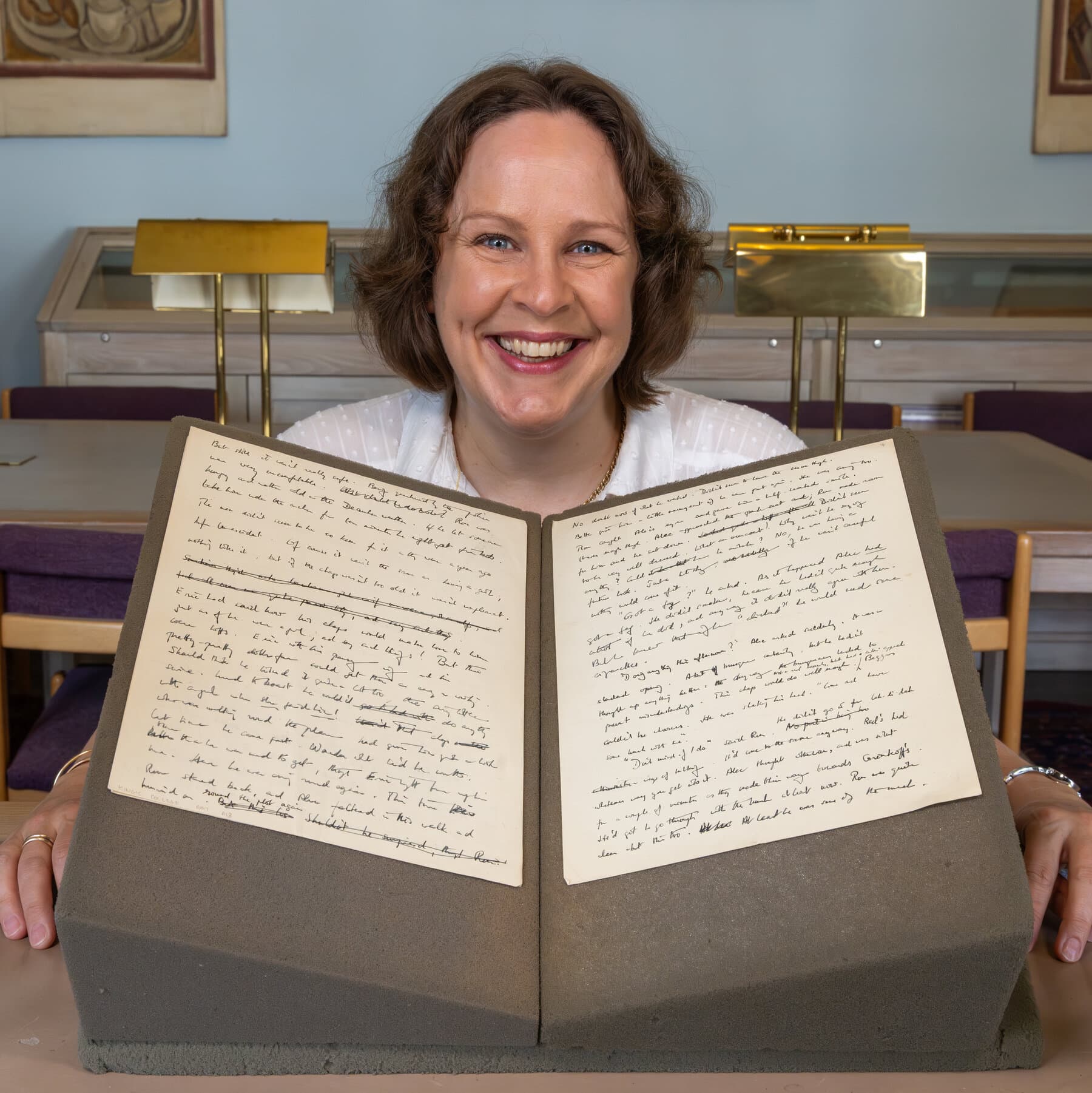
Alan Turing's short story, "Pryce's Buoy," has recently been transcribed and analyzed, revealing a humorous aspect of his personality that contrasts sharply with the common perception of him as a tortured genius. This work was penned shortly after Turing's arrest for gross indecency in 1952, a pivotal moment in his life that has often overshadowed his achievements. Professor Sarah Dillon, an English literature scholar at Cambridge, emphasizes the significance of this story in providing a richer understanding of Turing's character.
The analysis highlights Turing's literary talent and his ability to infuse humor into his writing, challenging the traditional narrative of his life. This newfound insight into Turing's personality invites a reevaluation of how he is remembered, suggesting that he should be celebrated not only for his groundbreaking work in computing but also for his creative expression.
The Context
The story "Pryce's Buoy" was written in 1953, a year before Turing's untimely death, during a tumultuous period marked by personal and societal challenges. Turing's arrest for gross indecency in 1952 significantly impacted his life and legacy, often leading to a portrayal of him as a solitary and tortured figure. Professor Dillon argues that this narrative overlooks the playful and humorous aspects of Turing's character, which are evident in his literary works.
By analyzing Turing's short story, scholars can gain a deeper appreciation of his multifaceted personality. This exploration not only enriches our understanding of Turing as an individual but also highlights the importance of recognizing the complexities of historical figures who have shaped our world.
Takeaway
The discovery and analysis of Turing's literary contributions may pave the way for a deeper appreciation of his character and the complexities of his life. Future studies on Turing's works could further illuminate the interplay between his personal experiences and his groundbreaking scientific innovations. As society continues to explore the narratives surrounding influential figures, Turing's story serves as a reminder of the importance of embracing a more nuanced perspective.
This reevaluation of Turing's legacy may inspire future generations to look beyond the tortured genius stereotype and recognize the humor and creativity that can coexist with brilliance. The ongoing exploration of Turing's literary contributions will likely influence how we understand the relationship between personal identity and professional achievement.
Scientific research, space, environment, and health coverage.
"The New York Times is a globally recognized newspaper offering authoritative reporting with a center-left editorial stance."
— A47 Editor
Life of Alan Turing Emerges in Richer Detail From Short Story
A Cambridge professor, Sarah Dillon, has transcribed a handwritten short story by the renowned mathematician Alan Turing, written in the year before his death. This transcription reveals a different aspect of Turing's life and character, providing de...
United Kingdom-focused news including local politics, business, and social issues.
"BBC News is widely regarded as a reputable international news organization, known for its impartial tone and public service mandate."
— A47 Editor
Novel analysis reveals playful side of Alan Turing
A recent analysis by Prof Sarah Dillon highlights the short story, Pryce's Buoy, which offers new insights into the life and character of renowned codebreaker Alan Turing. This examination reveals a more playful aspect of Turing's personality, contri...
Reports on science policy, discoveries, and public debate in the scientific realm.
"The Guardian’s science section is known for thoughtful and critical reporting on global research, ethics, and public understanding of science."
— A47 Editor
Racy short story by Alan Turing offers glimpse of ‘playful, funny, cheeky’ side
A recently transcribed short story by Alan Turing, written in the year following his arrest for gross indecency, reveals a more playful and humorous side of the renowned mathematician and codebreaker. Cambridge University professor Sarah Dillon has h...