
Jerry Falade's debut novel deal collapses over AI authenticity concerns
What happened
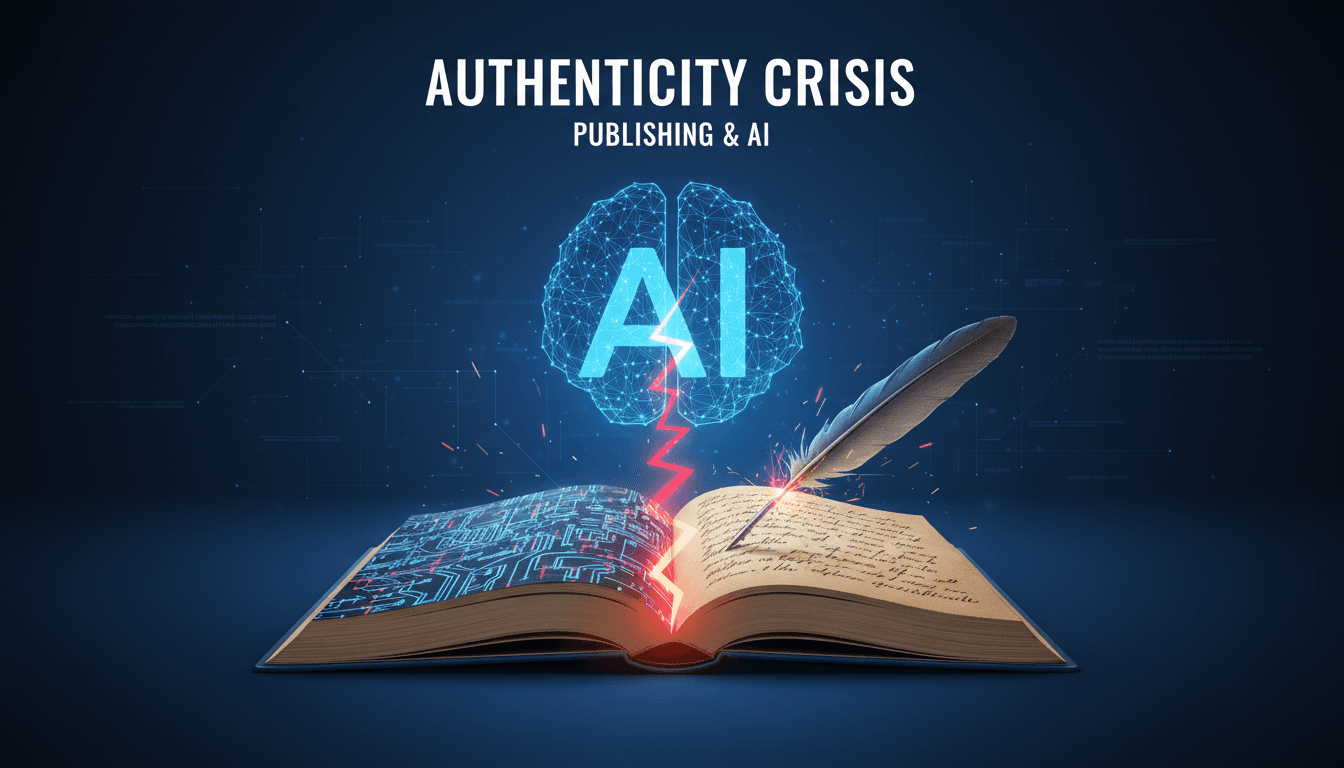
The publishing deal for Jerry Falade's debut novel, "Call Me, I’ll Hide the Body," has collapsed amid concerns regarding the potential use of artificial intelligence in its creation. Despite a competitive auction that attracted offers exceeding $2 million, the author's agent withdrew support, citing doubts about the manuscript's authenticity. This unexpected turn of events has left the future of the novel uncertain, with implications for both the author and the publishing industry.
The deal was initially set to be with Minotaur, a division of Macmillan US, and was highly anticipated, with fourteen publishers vying for the rights. However, the agent's withdrawal has raised broader questions about the role of AI in creative writing. As the industry continues to evolve, the scrutiny surrounding AI's influence on authorship is likely to intensify.
The Context
The collapse of Falade's deal comes at a time when the publishing industry is increasingly aware of the implications of AI technologies in creative fields. The competitive auction that preceded the deal highlighted the significant interest in Falade's work, but the subsequent concerns about authenticity have shifted the narrative. This situation underscores the tension between innovation and traditional authorship, as stakeholders navigate the complexities of AI's role in literature.
As the manuscript was set to be published in 2028, the timing of this incident is particularly critical. The growing scrutiny of AI's involvement in creative writing may prompt publishers to adopt stricter standards for authorship verification. This could reshape the landscape for emerging authors and established writers alike, as they adapt to new expectations in the industry.
Takeaway
The incident surrounding Jerry Falade's novel serves as a cautionary tale for the publishing industry, highlighting the need for clarity regarding the use of AI in creative processes. As discussions about AI ethics in creative fields gain momentum, authors may face increased pressure to disclose their methods and ensure the authenticity of their work. This could lead to potential changes in publishing contracts that address AI use more explicitly.
Looking ahead, the industry may see a shift towards more rigorous authorship verification processes, impacting how future works are evaluated and marketed. As the conversation around AI continues to evolve, it will be essential for authors and publishers to navigate these challenges thoughtfully to maintain trust and credibility in the literary community.
U.S. business news, corporate developments, and economy.
"The Wall Street Journal is respected for deep financial and economic reporting with a center-right editorial perspective."
— A47 Editor
The Red-Hot Book at the Center of an AI Mystery
Jerry Falade's debut novel has garnered significant attention, with fourteen publishers competing for its rights. However, following its sale, concerns regarding artificial intelligence led his agent to withdraw support for the project.
Tech business coverage, major deals, product launches, and Silicon Valley trends.
"WSJ’s tech section offers authoritative reporting on the intersection of technology and business, including exclusive industry analysis."
— A47 Editor
The Red-Hot Book at the Center of an AI Mystery
Jerry Falade's debut novel has sparked significant interest, with fourteen publishers vying for its rights. However, following its sale, Falade's agent withdrew support due to concerns regarding artificial intelligence (AI) implications in the publis...
News and features on AI from The Guardian.
"Progressive-leaning international outlet with critical AI coverage."
— A47 Editor
$2m crime novel deal collapses amid questions over AI use
A $2 million publishing deal for Jerry Falade's debut crime novel, 'Call Me, I’ll Hide the Body,' has collapsed after agents expressed concerns over the authenticity of the manuscript's development, particularly regarding the potential use of artific...
Tech culture, product news, and critical takes on the tech industry's social impact.
"The Guardian's tech coverage blends mainstream news, critical analysis, and cultural commentary on emerging technologies and digital trends."
— A47 Editor
$2m crime novel deal collapses amid questions over AI use
A $2 million publishing deal for Jerry Falade's debut crime novel, 'Call Me, I’ll Hide the Body,' has collapsed after agents expressed concerns about the authenticity of the manuscript, particularly regarding the potential involvement of artificial i...