
Total solar eclipse captivates millions across Europe
What happened
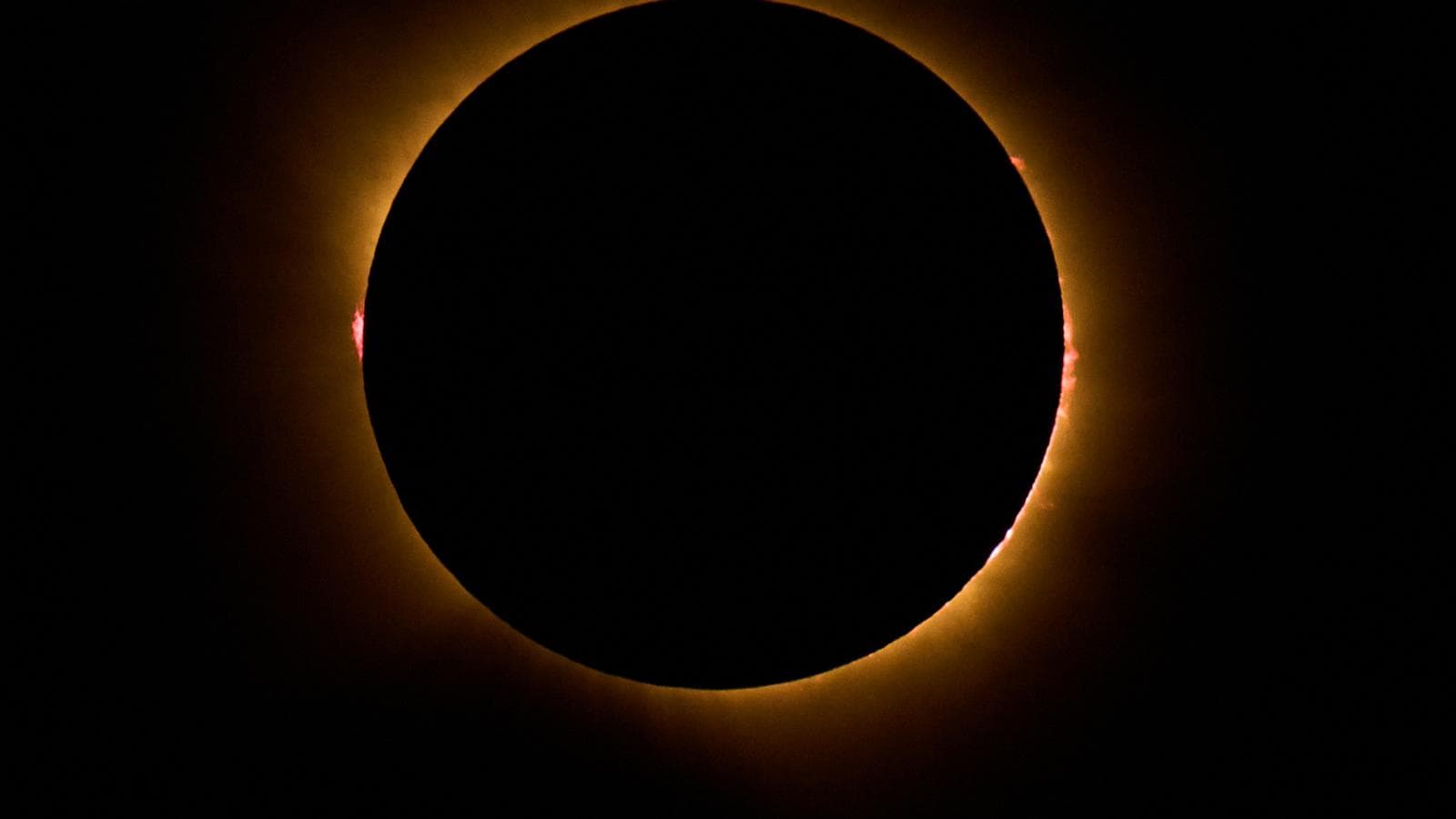
On August 13, 2026, millions across Europe experienced a rare total solar eclipse, with totality visible in parts of Iceland and northern Spain. The moon obscured the sun, creating a breathtaking spectacle that captivated viewers in various cities. While totality was limited to specific regions, much of Europe enjoyed a partial eclipse, with over 90% of the sun covered in many areas, enhancing the visual impact of the event.
Large crowds gathered in urban centers, where many applauded as the sky darkened, marking a moment of collective wonder. This eclipse was particularly significant for Spain, as it was the first total solar eclipse in over a century, drawing attention from both locals and tourists alike.
The Context
The solar eclipse of August 2026 was a landmark event, especially for Spain, where the last total eclipse occurred more than a hundred years ago. The path of totality extended through Greenland, Iceland, Spain, and Portugal, allowing diverse audiences to partake in the experience. Clear skies in many Spanish cities further enhanced the viewing conditions, making the event even more memorable.
Media outlets widely covered the eclipse, underscoring its significance and the public's growing interest in astronomical phenomena. This event not only served as a spectacle but also as a reminder of humanity's connection to the cosmos, fostering a sense of community among those who gathered to witness it.
Takeaway
The solar eclipse not only provided a stunning visual experience but also highlighted the increasing public interest in astronomical events. As this trend continues, future eclipses are likely to draw even larger crowds and receive heightened media attention. The excitement generated by such celestial phenomena can inspire scientific curiosity and encourage educational initiatives focused on astronomy.
Looking ahead, communities may benefit from planning events around future eclipses, enhancing local engagement and tourism. The growing appreciation for these occurrences suggests a bright future for public interest in celestial events.
24/7 international news from a French perspective in multiple languages.
"France 24 is viewed as a globally focused outlet with balanced coverage and a European perspective."
— A47 Editor
Eclipse: Europe falls into darkness as millions watch
On August 12, 2026, millions across Europe witnessed a rare total solar eclipse as the Moon passed directly in front of the Sun, creating a brief period of darkness. The eclipse was total in parts of Iceland and northern Spain, while many regions, in...
Technology innovations, startups, and trends.
"ABC News delivers broad national coverage with a mainstream editorial stance, focusing on accessibility and balanced reporting."
— A47 Editor
Spain prepares for rare solar eclipse against backdrop of heat and wildfires
Millions of people in Spain gathered in cloudless cities and towns to witness a rare total solar eclipse, an astronomical event that briefly plunged parts of the planet into darkness. This eclipse marks the first time in over a century that such an e...
International stories from NPR’s global desk.
"NPR is an American public media organization known for thoughtful reporting and a slightly left-leaning editorial tone."
— A47 Editor
Millions crowd cities to see Spain's first total solar eclipse in over a century
On August 12, 2026, millions gathered across Spain to witness the country's first total solar eclipse in over a century, as the moon completely obscured the sun, transforming daylight into twilight and eliciting applause from the captivated crowds.
International stories from NPR’s global desk.
"NPR is an American public media organization known for thoughtful reporting and a slightly left-leaning editorial tone."
— A47 Editor
Photos: See the best photos from this year's total solar eclipse
On August 12, 2026, millions across Europe experienced a total solar eclipse, with the path of totality traversing Greenland, Iceland, Spain, and parts of Portugal. This rare celestial event transformed daylight into twilight, captivating viewers as ...
International stories from NPR’s global desk.
"NPR is an American public media organization known for thoughtful reporting and a slightly left-leaning editorial tone."
— A47 Editor
Photos: See the best photos from the solar eclipse
On August 12, 2026, millions across Europe witnessed a total solar eclipse, with the path of totality passing through Greenland, Iceland, and Spain. This rare celestial event transformed daylight into twilight, captivating viewers as the Moon complet...
United Kingdom-focused news including local politics, business, and social issues.
"BBC News is widely regarded as a reputable international news organization, known for its impartial tone and public service mandate."
— A47 Editor
The Papers: 'The Sun, the Moon' and 'The greatest show on Earth'
A rare total solar eclipse captivated millions across the UK and Europe on August 12, 2026, as the Moon completely obscured the Sun, creating a brief period of darkness. This celestial event marked the first total solar eclipse observable from mainla...