
Generative AI Allegations Cause Major Disruptions in Global Publishing Industry
Why it matters
The integrity of authorship and trust in published content are under threat, impacting both creators and consumers.
What happened (in 30 seconds)
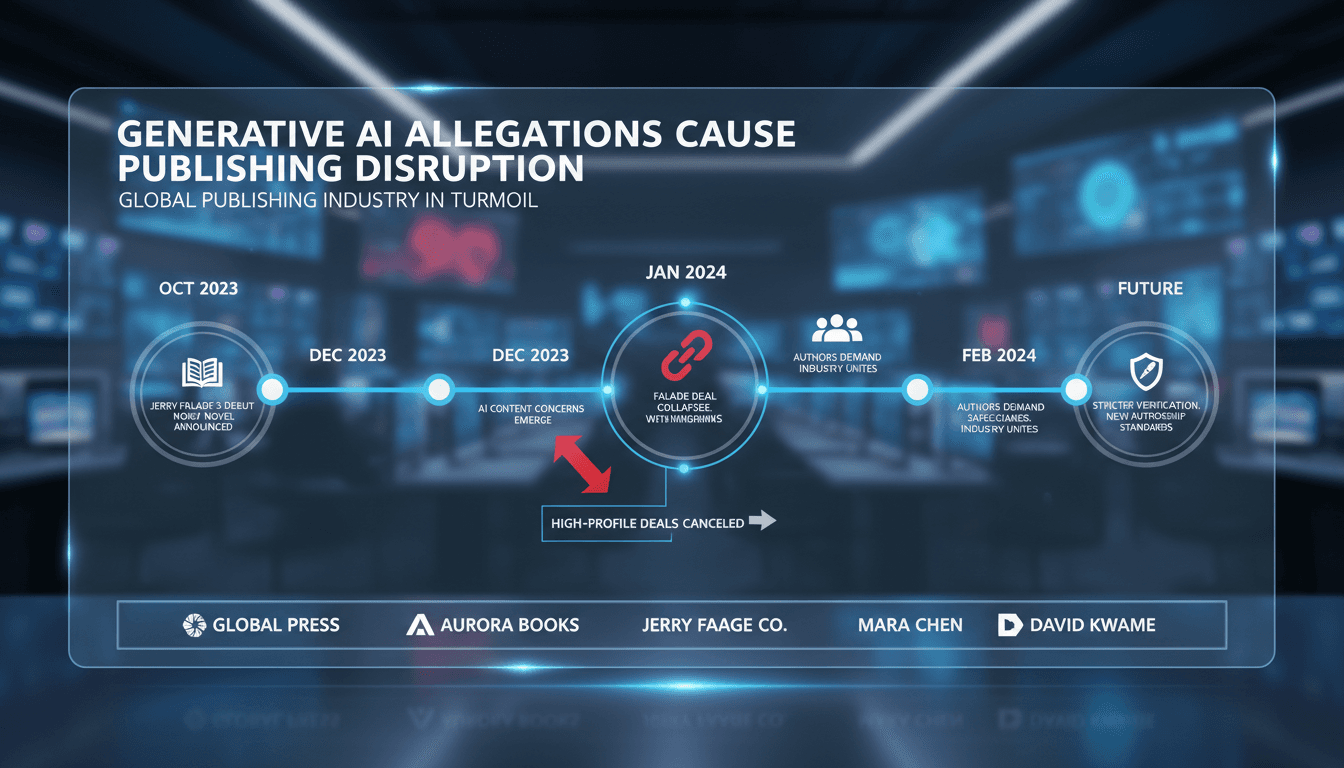
- Generative AI allegations have led to the collapse of several high-profile book deals, including Jerry Falade's debut novel.
- Seventy prominent authors, including Margaret Atwood, have demanded safeguards against machine-generated content.
- Big Five publishers are grappling with verification challenges and ongoing litigation, resulting in stalled projects and selective deal cancellations.
The context you actually need
- Generative AI tools are trained on vast amounts of copyrighted material, raising legal and ethical concerns among authors.
- Publishers face dual pressures: the potential for efficiency gains from AI and the risk of losing market trust and creative integrity.
- Prior industry shifts toward digital formats and self-publishing have already altered the landscape, making the current crisis particularly impactful.
What's really happening
The publishing industry is experiencing a significant crisis as generative AI tools become more prevalent. This technology, capable of producing text that mimics human writing, has raised alarms about authorship and authenticity. The recent withdrawal of support for Jerry Falade's debut crime novel by the Europa Content agency exemplifies the turmoil. Allegations that the manuscript contained machine-generated content led to the collapse of a multimillion-dollar deal, sending shockwaves through the industry.
In response to these developments, a coalition of 70 authors, including literary heavyweights like Margaret Atwood and Jonathan Franzen, issued an open letter demanding that publishers commit to not releasing machine-generated works. This collective action highlights a growing concern among writers about the potential for AI to undermine their livelihoods and the creative process itself. The letter serves as a rallying cry for authors who fear that the rise of AI could lead to a devaluation of human creativity in literature.
Despite these pressures, the Big Five publishers—Simon & Schuster, Penguin Random House, HarperCollins, Hachette, and Macmillan—have been hesitant to implement sweeping prohibitions against AI-generated content. Instead, they are engaged in ongoing litigation over the unauthorized use of copyrighted material for training AI models. This legal uncertainty has resulted in a fragmented response to the crisis, with major houses avoiding broad policy commitments while grappling with the implications of AI on their business models.
As a result, the industry is witnessing increased scrutiny of manuscript submissions, with publishers more cautious about the authenticity of the content they choose to support. This cautious approach could lead to a slowdown in debut deals, particularly for new authors who may find it more challenging to secure contracts in an environment rife with suspicion. The ongoing debates and selective deal cancellations indicate that the publishing industry is at a crossroads, with no clear consensus on how to navigate the complexities introduced by generative AI.
Who feels it first (and how)
- Authors: Emerging writers may struggle to secure deals as publishers become more cautious.
- Publishers: The Big Five face reputational risks and legal challenges that could impact their bottom line.
- Readers: Consumers may experience a decline in trust regarding the authenticity of the books they purchase.
- Literary Agents: Agents may find it harder to sell manuscripts as publishers tighten their criteria for authenticity.
What to watch next
- Litigation outcomes: The results of ongoing lawsuits regarding AI training data could set precedents for the industry.
- Author coalitions: The formation of more author groups advocating for rights and protections against AI could influence publishing policies.
- Market shifts: Watch for changes in submission guidelines and the types of content that publishers prioritize in the wake of these controversies.
Generative AI has raised significant concerns about authorship and authenticity in publishing.
The industry will see increased scrutiny of submissions and a potential slowdown in new author deals.
The long-term regulatory framework governing AI-generated content in publishing remains uncertain.
Frequently Asked Questions
- Why it matters?
- The integrity of authorship and trust in published content are under threat, impacting both creators and consumers.
- What happened (in 30 seconds)?
- Generative AI allegations have led to the collapse of several high-profile book deals, including Jerry Falade's debut novel. Seventy prominent authors, including Margaret Atwood, have demanded safeguards against machine-generated content. Big Five publishers are grappling with verification challenges and ongoing litigation, resulting in stalled projects and selective deal cancellations.
- What's really happening?
- The publishing industry is experiencing a significant crisis as generative AI tools become more prevalent. This technology, capable of producing text that mimics human writing, has raised alarms about authorship and authenticity. The recent withdrawal of support for Jerry Falade's debut crime novel by the Europa Content agency exemplifies the turmoil. Allegations that the manuscript contained machine-generated content led to the collapse of a multimillion-dollar deal, sending shockwaves through
- Who feels it first (and how)?
- Authors: Emerging writers may struggle to secure deals as publishers become more cautious. Publishers: The Big Five face reputational risks and legal challenges that could impact their bottom line. Readers: Consumers may experience a decline in trust regarding the authenticity of the books they purchase. Literary Agents: Agents may find it harder to sell manuscripts as publishers tighten their criteria for authenticity.
- What to watch next?
- Litigation outcomes: The results of ongoing lawsuits regarding AI training data could set precedents for the industry. Author coalitions: The formation of more author groups advocating for rights and protections against AI could influence publishing policies. Market shifts: Watch for changes in submission guidelines and the types of content that publishers prioritize in the wake of these controversies.
U.S. business news, corporate developments, and economy.
"The Wall Street Journal is respected for deep financial and economic reporting with a center-right editorial perspective."
— A47 Editor
AI Has Plunged the Book Publishing Industry Into Utter Chaos
The book publishing industry is facing significant turmoil as major deals collapse due to concerns over the use of artificial intelligence (AI), prompting a critical examination of creativity and trust within the sector.
Tech business coverage, major deals, product launches, and Silicon Valley trends.
"WSJ’s tech section offers authoritative reporting on the intersection of technology and business, including exclusive industry analysis."
— A47 Editor
AI Has Plunged the Book Publishing Industry Into Utter Chaos
The book publishing industry is currently facing significant turmoil due to the fallout from major deals that have collapsed amid concerns over the use of artificial intelligence (AI). This upheaval has raised critical questions about creativity, tru...
Reports on arts, film, culture, literature, and entertainment industry developments.
"Dow Jones Arts & Culture offers coverage of visual arts, theater, music, and cultural events with a WSJ-backed journalistic lens."
— A47 Editor
AI Has Plunged the Book Publishing Industry Into Utter Chaos
The book publishing industry is facing significant turmoil as major deals collapse over concerns regarding the use of artificial intelligence (AI), prompting a critical examination of creativity and trust within the sector.