
AI technology enables recovery of ancient scrolls from Mount Vesuvius eruption
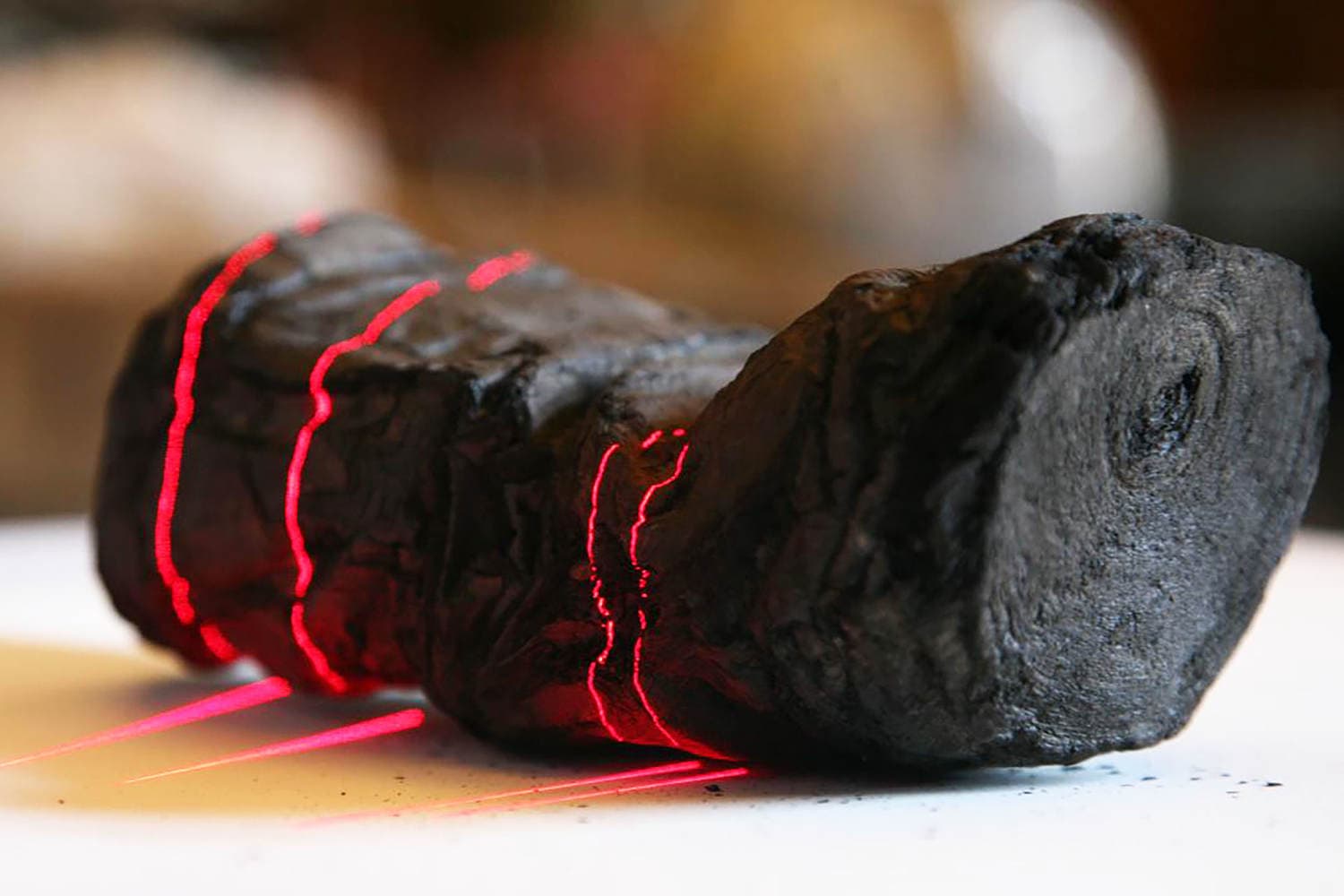
Here's what it means for you.
The successful application of AI technology in archaeology signifies a transformative shift in how we can access and interpret ancient texts. This breakthrough not only enhances our understanding of historical human thought but also opens avenues for future discoveries that could reshape our comprehension of ancient civilizations. As researchers continue to leverage advanced imaging techniques, the potential for uncovering lost philosophical writings becomes increasingly promising.
What happened
Researchers have achieved a remarkable feat by utilizing AI tools to digitally unroll and read ancient scrolls that were buried and burned during the catastrophic eruption of Mount Vesuvius in 79 AD. This groundbreaking work has led to the recovery of lost philosophical texts that delve into various aspects of human thought and ethics. The scrolls, which have remained hidden for nearly 2,000 years, provide invaluable insights into the intellectual landscape of the time.
The first complete viewings of these scrolls mark a significant milestone in the intersection of technology and archaeology. The texts recovered from Herculaneum, a city destroyed alongside Pompeii, explore themes such as ethics, the arts, human behavior, and theology. This research not only enriches our understanding of ancient Roman thought but also showcases the potential of technology in uncovering historical artifacts.
The Context
The eruption of Mount Vesuvius in 79 AD was a catastrophic event that buried the Roman cities of Pompeii and Herculaneum, preserving many artifacts and texts in the process. The scrolls discovered in Herculaneum contained philosophical writings that had been lost to history until now. This research, supported by a Silicon Valley-backed venture, represents a significant advancement in the field of archaeology and the application of technology in historical studies.
As technology continues to evolve, the implications for archaeological research are profound. The ability to recover and read texts that were once thought to be lost forever not only enhances our understanding of ancient cultures but also highlights the importance of interdisciplinary collaboration between technology and the humanities. This development could lead to a renaissance in the study of ancient philosophical discussions.
Takeaway
The application of AI in archaeology is poised to lead to further discoveries of lost texts and insights into ancient civilizations. As researchers refine their techniques and expand their capabilities, we can anticipate a growing body of knowledge that will enrich our understanding of historical human thought. Future developments in AI technology may also uncover additional texts from other sites affected by ancient disasters, broadening our perspective on the past.
The ongoing research into the scrolls from Herculaneum serves as a testament to the potential of technology in historical studies. As we look ahead, the intersection of AI and archaeology promises to unveil more secrets of our ancient heritage, offering a deeper appreciation of the philosophical discussions that shaped human history.
Science and technology stories including AI.
"Longstanding science magazine with thoughtful AI coverage."
— A47 Editor
Ancient Roman scrolls destroyed by Mount Vesuvius digitally unrolled in full for first time
A Silicon Valley-backed venture has successfully digitally unrolled ancient Roman scrolls that were destroyed during the catastrophic eruption of Mount Vesuvius in 79 C.E., revealing their contents for the first time. This innovative technology aims ...
Scientific research, technology, environment, and society.
"Scientific American is one of the oldest and most authoritative science magazines, known for deep dives into science, technology, and society."
— A47 Editor
Ancient Roman scrolls destroyed by Mount Vesuvius digitally unrolled in full for first time
A Silicon Valley-backed venture has successfully digitally unrolled ancient Roman scrolls that were destroyed during the catastrophic eruption of Mount Vesuvius in 79 C.E., revealing their contents for the first time. This innovative technology aims ...
International coverage of politics, security, and social issues.
"Global News is a mainstream Canadian outlet with a centrist editorial stance, focusing on factual reporting."
— A47 Editor
New imaging reveals hidden philosophy from scrolls buried by Mount Vesuvius
Researchers have utilized artificial intelligence tools to achieve the first complete viewings of charred scrolls that were buried by the eruption of Mount Vesuvius in 79 AD, revealing hidden philosophical texts. This groundbreaking work marks a sign...
Comprehensive coverage of global events, politics, and international issues.
"NBC News is a mainstream outlet known for comprehensive national and international coverage with a centrist to slightly left-leaning editorial tone."
— A47 Editor
Scientists reveal secrets of ancient scrolls burned by Mount Vesuvius nearly 2,000 years ago
Researchers have successfully recovered ancient texts that were lost for nearly 2,000 years due to the eruption of Mount Vesuvius. These texts provide insights into philosophical discussions on ethics, the arts, human behavior, and theology, showcasi...