
Putin acknowledges fuel shortages in Russia due to Ukrainian drone strikes
Here's what it means for you.
The acknowledgment of fuel shortages by President Putin signals a critical juncture in Russia's ongoing conflict with Ukraine. This development may lead to significant shifts in energy policy, impacting both domestic supply and export capabilities. As the situation evolves, stakeholders in the energy sector should closely monitor how these shortages affect Russia's military operations and broader economic stability.
What happened
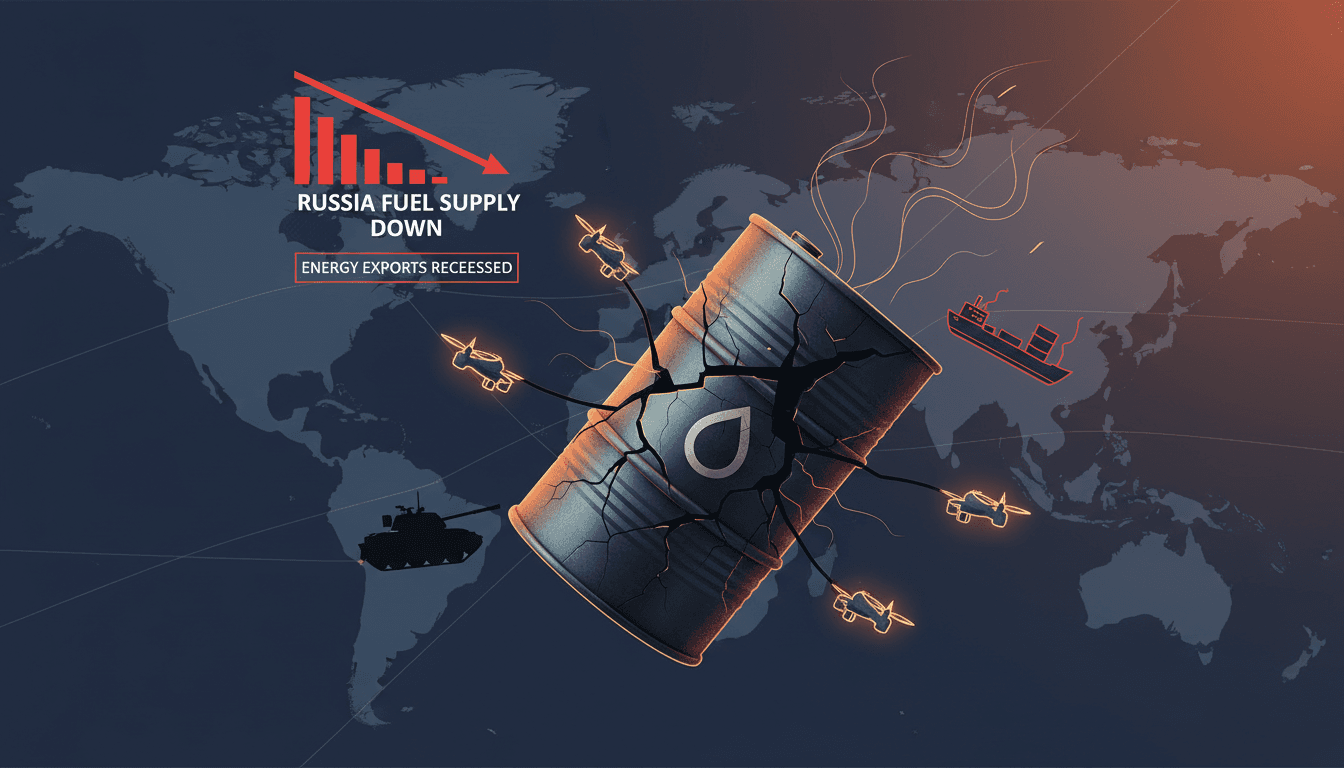
Russian President Vladimir Putin has publicly admitted that Ukraine's drone strikes have resulted in significant fuel shortages across Russia. This marks the first time he has recognized the impact of these long-range attacks on the country's fuel production. Key refineries have been targeted, disrupting the flow of fuel necessary for both civilian and military needs.
In response to the situation, Deputy Prime Minister Alexander Novak announced that the government is reviewing fuel export agreements to prioritize domestic consumption. Putin characterized the current circumstances as a "difficult period" for the nation, highlighting the urgency of addressing these shortages.
The Context
The ongoing conflict between Russia and Ukraine has escalated, with drone strikes becoming a pivotal element of Ukraine's military strategy. The targeting of key refineries has not only disrupted fuel production but has also raised concerns about Russia's energy security. The acknowledgment of fuel shortages by high-ranking officials indicates a significant shift in the narrative surrounding the conflict.
As the situation develops, the Russian government is faced with the challenge of balancing domestic needs against its commitments to fuel exports. The implications of these shortages extend beyond immediate logistical concerns, potentially affecting Russia's military capabilities and economic stability in the long term.
Takeaway
Looking ahead, it is crucial to monitor developments in Russian fuel production and export strategies as the government reassesses its priorities. The ongoing conflict may lead to further complications in energy supply, impacting both domestic and international markets. Additionally, responses from Ukraine regarding their drone operations could shape the next phase of this conflict.
As both sides adapt their strategies, the long-term effects on Russia's energy sector and military operations will become increasingly apparent. Stakeholders should remain vigilant as the situation unfolds, given its potential to influence broader geopolitical dynamics.
Editor-curated FT homepage stories spanning markets, business, world, and opinion.
"The Financial Times is a globally respected business publication with a centrist/center-left tone and strong markets focus."
— A47 Editor
Putin says Russia faces fuel shortages as Ukrainian drones strike refineries
Russian President Vladimir Putin has acknowledged that the country is facing significant fuel shortages, attributing these issues to intensified drone strikes by Ukraine on oil refineries and ports, which have disrupted production and reduced refinin...
Market-moving headlines impacting equities, bonds, and related risk assets.
"Real-time catalysts and volatility drivers across indices and sectors."
— A47 Editor
Putin says fuel shortages hit Russian regions after drone strikes
Russian President Vladimir Putin has reported significant fuel shortages affecting over 50 regions in Russia, attributing these issues to intensified drone strikes by Ukraine on oil refineries and ports, which have reduced the country's refining capa...
Corporate leadership, finance, technology, and market trends.
"Fortune covers financial trends, leadership, and innovation with a pragmatic editorial approach."
— A47 Editor
Putin admits Russia is ‘going through a difficult period’ as relentless Ukrainian drone attacks cut off fuel supplies
Russian President Vladimir Putin has acknowledged that the country is experiencing a challenging period due to relentless Ukrainian drone attacks that have severely disrupted fuel supplies across more than 50 regions. Deputy Prime Minister Alexander ...