
Iran's Supreme Leader Approves MoU with US to End Hostilities
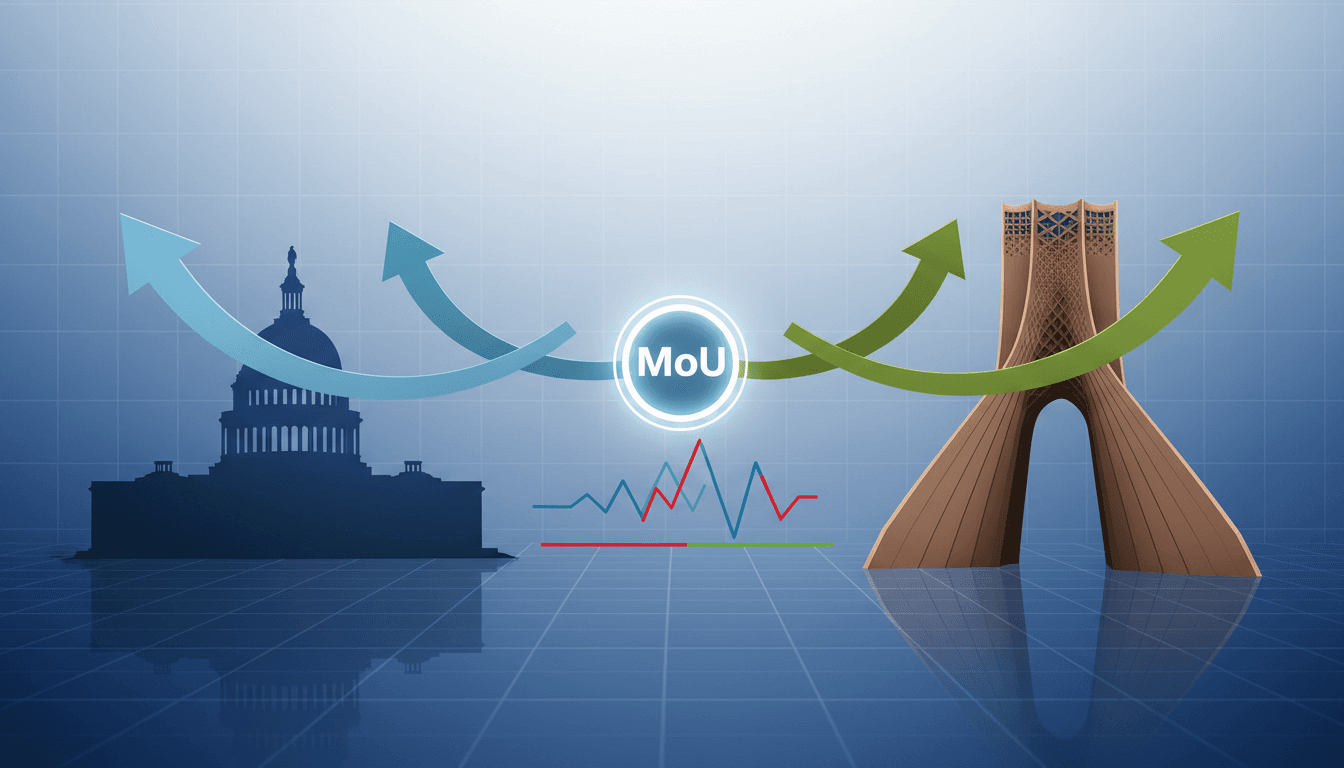
Here's what it means for you.
The approval of the memorandum of understanding (MoU) by Iran's Supreme Leader signals a potential turning point in US-Iran relations. This agreement could reshape diplomatic interactions and influence regional stability. Stakeholders in international policy and market dynamics should closely monitor the implications of this development. The MoU's focus on ending hostilities may also affect broader geopolitical strategies, particularly in the Middle East. As tensions persist, the balance of power remains delicate, necessitating careful observation of subsequent actions from both nations.
What happened
Iran's Supreme Leader Mojtaba Khamenei has approved a memorandum of understanding with the United States aimed at ending the ongoing war. His approval came after receiving assurances from Iranian President Masoud Pezeshkian regarding the protection of Iranian rights. Despite expressing reservations about the implications of the agreement, Khamenei's decision marks a significant step in diplomatic negotiations.
The MoU is intended to facilitate the cessation of hostilities between the two nations. This development reflects a strategic choice amidst complex geopolitical dynamics, highlighting the ongoing negotiations aimed at stabilizing relations.
The Context
The approval of the MoU comes at a time of heightened tensions between Iran and the US, with both nations navigating a fraught historical relationship. Khamenei's reservations indicate that while there is a willingness to engage, concerns about the implications of the agreement remain. The involvement of President Pezeshkian underscores the importance of internal assurances in Iran's decision-making process.
This agreement could have far-reaching consequences for regional stability and international relations. As the MoU aims to end hostilities, it also opens the door for potential shifts in US foreign policy towards Iran, which could impact other regional powers.
Takeaway
The approval of the MoU may lead to a significant shift in diplomatic relations between Iran and the US, but challenges remain. Observers should monitor reactions from other regional powers, as their responses could influence the effectiveness of the agreement. Additionally, potential changes in US foreign policy towards Iran will be critical to watch in the coming months.
The underlying tensions and Khamenei's reservations suggest that while this is a step forward, the path to lasting peace and cooperation will require careful navigation and sustained dialogue.
Regional and international reporting focused on Middle Eastern politics, diplomacy, and economics.
"Asharq Al-Awsat is a Saudi-owned international newspaper reflecting mainstream Gulf political perspectives."
— A47 Editor
Iran's Khamenei Says He Approved MoU with US, Despite Reservations, after Assurances on Iran's Rights
Iran's Supreme Leader, Ayatollah Ali Khamenei, has approved a Memorandum of Understanding (MoU) with the United States, despite expressing reservations, following assurances regarding Iran's rights. This decision comes amid ongoing negotiations aimed...
Capitol Hill news, legislation, and policy insight.
"The Hill specializes in U.S. politics and policy, with a focus on Capitol Hill developments and a reputation for insider reporting."
— A47 Editor
Iran supreme leader says he approved MOU despite reservations
Iran's Supreme Leader Mojtaba Khamenei announced his approval of a memorandum of understanding (MOU) with the United States, despite expressing reservations about the agreement aimed at ending hostilities between the two nations. Khamenei's decision ...
Pan-Arab news coverage spanning politics, business, sports, and regional affairs.
"Asharq Al-Awsat reflects a broad Arab editorial perspective with strong attention to regional geopolitics."
— A47 Editor
خامنئي: وافقت على مذكرة التفاهم بضمانات من بزشكيان
Iranian leader Mojtaba Khamenei stated that his approval of the memorandum of understanding with the United States was contingent upon a commitment from the Iranian president to safeguard the rights of the people and the 'Resistance Front.'