
US and Iran sign interim peace deal extending ceasefire and nuclear negotiations
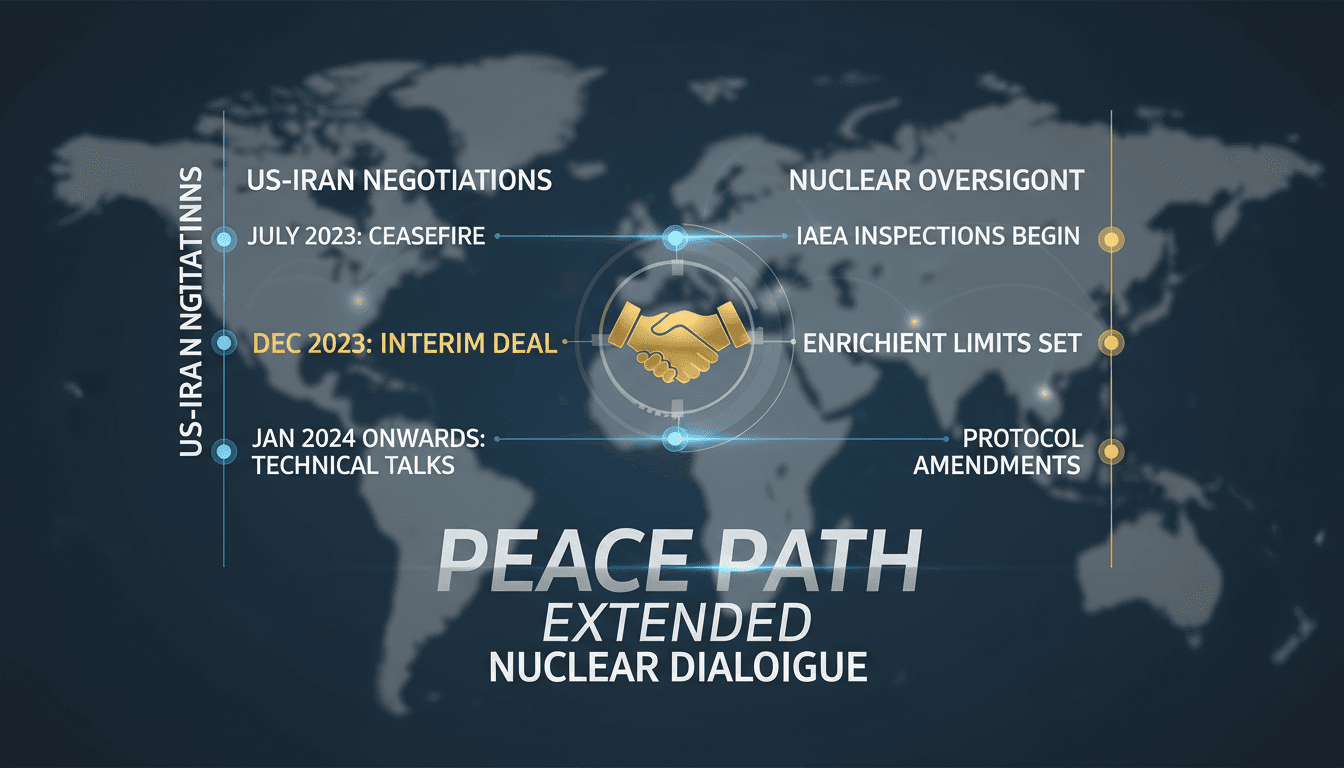
Here's what it means for you.
The recent agreement between the United States and Iran signals a potential thaw in relations that have been strained for decades. By extending the ceasefire and initiating discussions on nuclear oversight, both nations are taking steps toward a more stable geopolitical landscape. This development could have significant implications for international markets and diplomatic relations, particularly in the Middle East. As the International Atomic Energy Agency (IAEA) becomes involved, the framework for compliance and oversight may enhance trust between the two nations. Stakeholders in global energy markets and international diplomacy will be closely monitoring the outcomes of these negotiations.
What happened
The United States and Iran have signed a 14-point memorandum that extends a ceasefire and outlines steps for nuclear negotiations. This agreement, which builds on a ceasefire originally announced in April, has been extended by an additional 60 days to facilitate further discussions. Both US President Trump and Iranian President Masoud Pezeshkian have digitally signed the memorandum, marking a formal commitment to the terms outlined.
The IAEA has welcomed the agreement, emphasizing its role in overseeing the implementation of the deal. Technical discussions regarding Iran's nuclear program are set to begin immediately, with provisions for uranium enrichment oversight included in the memorandum. The agreement is already in effect as of the signing date.
The Context
The ceasefire extension and the new memorandum come at a critical time in US-Iran relations, which have been fraught with tension over Iran's nuclear ambitions. The initial ceasefire was announced in April 2026, and the recent signing on June 17, 2026, represents a significant step forward. The involvement of the IAEA suggests a structured approach to negotiations, which could lead to a more comprehensive agreement in the future.
Both nations are motivated to stabilize relations, particularly in light of regional security concerns and international scrutiny. The IAEA's participation is crucial, as it will help ensure compliance with the terms of the agreement and provide a framework for future discussions. This collaborative effort may pave the way for a more stable relationship between the US and Iran.
Takeaway
As negotiations commence, the focus will be on defining concrete steps for nuclear oversight and ensuring compliance, which are essential for regional stability. The successful implementation of this agreement could lead to a more comprehensive deal that addresses longstanding tensions. Stakeholders will be watching for progress in technical discussions between the IAEA, the US, and Iran, as well as any potential challenges that may arise during the negotiation process.
The outcomes of these discussions will be pivotal in shaping the future of US-Iran relations and could have broader implications for international diplomacy and security. Continued monitoring of the situation will be necessary to assess the effectiveness of the agreement and its impact on global relations.
English-language reporting on Saudi politics, policy, and society.
"Saudi Gazette reflects mainstream Saudi institutional perspectives."
— A47 Editor
IAEA chief welcomes Iran-US peace deal, says technical work starts now
The head of the International Atomic Energy Agency (IAEA), Rafael Grossi, welcomed the interim peace deal between the United States and Iran, which includes a 14-point memorandum aimed at extending a ceasefire and facilitating technical discussions f...
Global news coverage with extensive reporting on Middle Eastern conflicts and geopolitics.
"Al Jazeera is a Qatar-based broadcaster known for wide regional coverage and alternative perspectives."
— A47 Editor
World reacts to US-Iran deal to extend ceasefire, reopen Strait of Hormuz
The United States and Iran have reached a significant agreement to extend their ceasefire and reopen the strategically vital Strait of Hormuz, a crucial maritime route for international shipping. This deal, welcomed by various countries, marks a pivo...
Comprehensive coverage of Middle Eastern and global issues.
"Al Jazeera is a prominent voice from the Global South, especially the Middle East, with an emphasis on underreported stories."
— A47 Editor
World reacts to US-Iran deal to extend ceasefire, reopen Strait of Hormuz
The United States and Iran have reached a significant agreement to extend their ceasefire and reopen the strategically vital Strait of Hormuz, a crucial maritime route for international shipping. This deal, welcomed by various countries, marks a pivo...
Regional coverage and analysis focused on politics, diplomacy, and business across the Middle East.
"Al-Monitor is known for analytical reporting on Middle East politics and policy developments."
— A47 Editor
UN nuclear watchdog chief welcomes Iran-US peace deal, says technical work starts now
The head of the International Atomic Energy Agency (IAEA), Rafael Grossi, welcomed the interim peace deal signed between the United States and Iran, stating that technical discussions will now commence to implement the agreement. This development fol...