
Iran Invites IAEA Inspectors to Nuclear Facilities
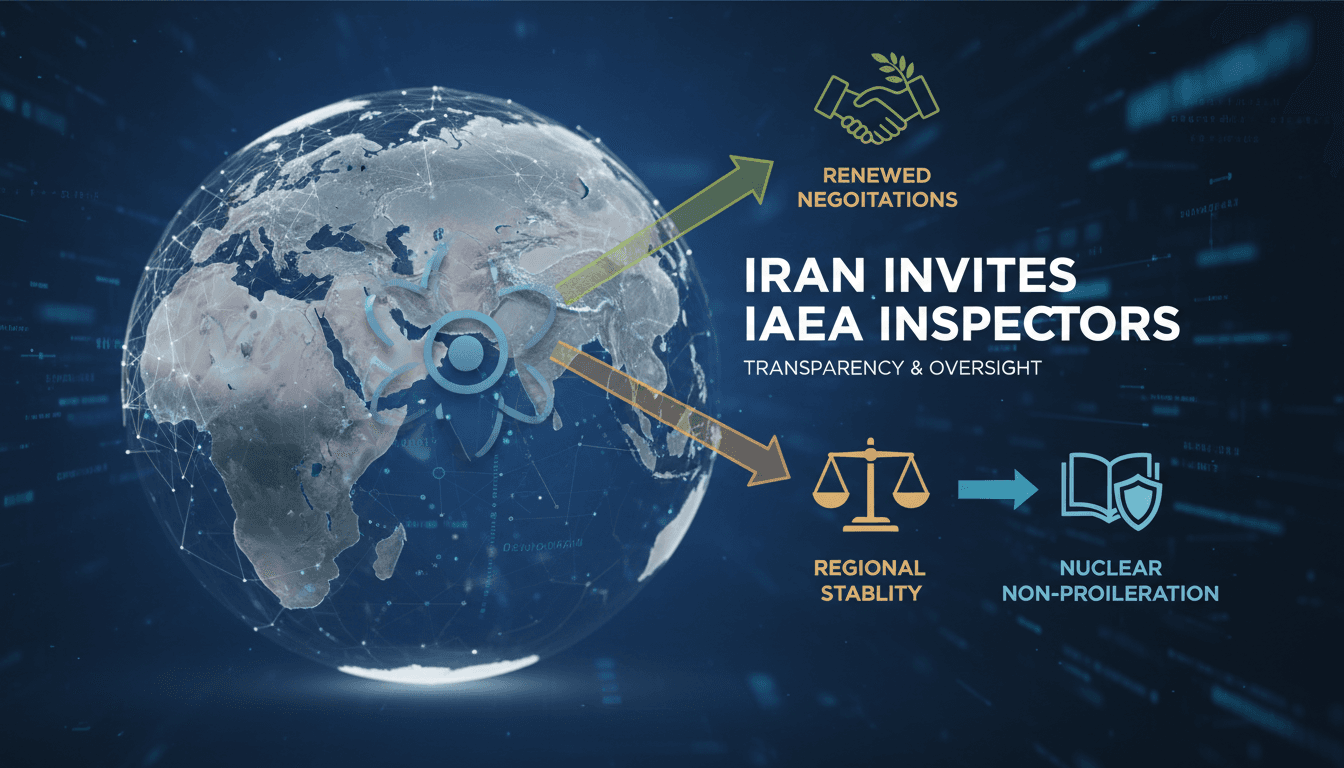
Here's what it means for you.
Iran's decision to allow International Atomic Energy Agency inspectors into its nuclear facilities signals a potential shift in the geopolitical landscape surrounding its nuclear program. This move may enhance transparency and build trust among international stakeholders, which is crucial for future negotiations. The implications could extend beyond Iran, affecting regional stability and global nuclear non-proliferation efforts. As diplomatic efforts continue, the international community will be watching closely to see how this development influences ongoing discussions and agreements. The return of inspectors could lead to a more structured dialogue regarding Iran's nuclear intentions.
What happened
Iran has officially agreed to invite inspectors from the International Atomic Energy Agency (IAEA) to its nuclear sites, as announced by U.S. special envoy Steve Witkoff. This invitation marks a significant step towards increased transparency in Iran's nuclear activities. The decision comes amid renewed diplomatic efforts aimed at addressing longstanding concerns over the country's nuclear program.
The involvement of the IAEA is critical for monitoring compliance with international nuclear agreements. This singular invitation could lead to substantial developments in nuclear oversight and international relations.
The Context
The invitation for IAEA inspectors is a response to mounting international pressure for greater transparency regarding Iran's nuclear ambitions. Ongoing diplomatic efforts have focused on ensuring that Iran adheres to its commitments under various international agreements. The IAEA plays a vital role in this process, tasked with monitoring nuclear programs worldwide.
This announcement follows a series of discussions aimed at resolving issues related to Iran's nuclear activities. The timing is crucial, as it may influence the dynamics of future negotiations involving multiple stakeholders, including the United States and other nations engaged in the nuclear agreement discussions.
Takeaway
The return of IAEA inspectors to Iran's nuclear facilities could pave the way for renewed negotiations and potential agreements regarding the country's nuclear program. Observers will be keen to see how this development impacts U.S.-Iran relations and the broader international community's approach to nuclear oversight.
As the situation unfolds, further developments in negotiations will be closely monitored, particularly reactions from other countries involved in the nuclear agreement discussions. The outcome of these interactions may significantly influence regional stability and global nuclear non-proliferation efforts.
Global business headlines with AI angles.
"General business outlet that frequently covers AI."
— A47 Editor
Witkoff Says Iran Has Invited IAEA Inspectors Back to Nuclear Sites as New Talks Begin
U.S. special envoy Steve Witkoff announced that Iran has agreed to permit inspectors from the International Atomic Energy Agency (IAEA) to return to its key nuclear facilities as new negotiations commence. This development marks a significant step in...
English-language news from Qatar covering domestic and regional affairs.
"Gulf Times reflects Qatari perspectives on regional developments."
— A47 Editor
US President's Envoy: Iran to invite IAEA to inspect its Nuclear Facilities
U.S. President Donald Trump's envoy, Steve Witkoff, announced that Iran will invite the International Atomic Energy Agency (IAEA) to inspect its nuclear facilities, marking a significant step in international oversight of Iran's nuclear activities. T...
Arabic-language coverage of international news and geopolitics.
"RT Arabic is a Russian state-funded outlet often criticized for promoting Kremlin-aligned narratives."
— A47 Editor
ويتكوف: إيران ستسمح لمفتشي الوكالة الدولية للطاقة الذرية بتفتيش منشآتها النووية
U.S. presidential envoy Steve Witkoff announced that Iran will allow International Atomic Energy Agency (IAEA) inspectors access to its nuclear facilities, a move aimed at enhancing transparency regarding its nuclear program.