
Lebanon and Israel initiate new negotiations in Washington under U.S. mediation
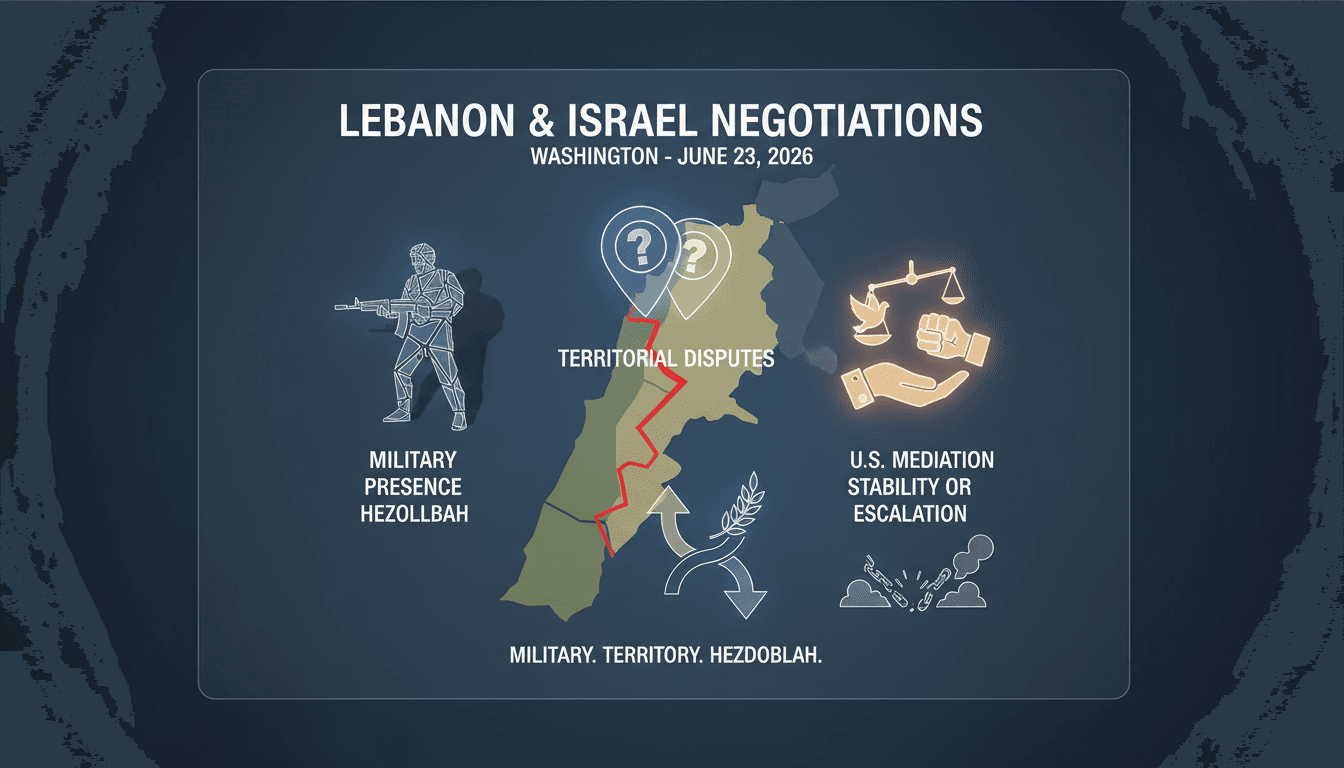
Here's what it means for you.
The renewed negotiations between Lebanon and Israel could reshape the geopolitical landscape of the region. With U.S. mediation, there is potential for addressing long-standing disputes that have historically fueled tensions. The outcomes of these talks may influence not only military and territorial dynamics but also broader regional stability. As both nations engage in discussions, stakeholders will be closely monitoring the implications for security and diplomatic relations in the Middle East. The international community's response will be critical in shaping the future of these negotiations.
What happened
Lebanon and Israel commenced a new round of negotiations in Washington on June 23, 2026. This development is part of ongoing efforts to address significant disagreements over military and territorial issues, particularly concerning Israel's withdrawal from southern Lebanon. The talks are facilitated by the United States amid a fragile ceasefire and heightened regional tensions.
These negotiations represent a continuation of previous discussions aimed at resolving complex issues between the two nations. The key topics include the role of the Lebanese army and Hezbollah's weapons, which are central to the ongoing conflict.
The Context
The negotiations are taking place under U.S. mediation, highlighting the involvement of external stakeholders in the region's stability. Deep-seated disagreements persist between Lebanon and Israel, particularly regarding military presence and territorial integrity. The timing of these talks is crucial, as they occur during a period of increased regional pressures that could influence their outcomes.
The international community is watching closely, as the results of these discussions could either pave the way for a more stable relationship or exacerbate existing tensions. The role of Hezbollah and responses from other regional actors will also be significant in shaping the future dynamics of the negotiations.
Takeaway
The outcome of the Lebanon-Israel negotiations could have far-reaching implications for regional stability and security dynamics. As the talks unfold, potential developments in the ceasefire agreement will be critical to monitor. Responses from Hezbollah and other regional actors will also play a vital role in determining the success of these negotiations.
The international community's engagement will be essential in supporting a peaceful resolution to the disputes at hand. Observers will be keenly aware of how these discussions evolve and what they mean for the broader geopolitical landscape.
Arabic-language reporting on global and regional news.
"BBC Arabic is part of the BBC, generally regarded for editorial standards and broad international coverage."
— A47 Editor
ما أبرز نقاط المحادثات بين لبنان وإسرائيل؟
Lebanese-Israeli talks have resumed in Washington amid a fragile ceasefire, with significant American and regional pressures influencing the discussions. Key issues include the Israeli withdrawal from southern Lebanon, the role of the Lebanese army, ...
Pan-Arab news coverage spanning politics, business, sports, and regional affairs.
"Asharq Al-Awsat reflects a broad Arab editorial perspective with strong attention to regional geopolitics."
— A47 Editor
محادثات جديدة بين لبنان وإسرائيل الثلاثاء على وقع اتفاق إيران
Lebanon is set to engage in a new round of talks with Israel in Washington on Tuesday, as it seeks to advance direct negotiations. This development comes amid ongoing geopolitical dynamics in the region, particularly following an agreement involving ...
Arabic-language coverage of international news and geopolitics.
"RT Arabic is a Russian state-funded outlet often criticized for promoting Kremlin-aligned narratives."
— A47 Editor
واشنطن تستضيف جولة جديدة من المفاوضات بين إسرائيل ولبنان
A new round of negotiations between Israel and Lebanon, mediated by the United States, is set to begin today in Washington. This development marks a significant step in addressing ongoing tensions and disputes between the two nations.