
Trump Faces Domestic Pressure as Iran Demands Access to Frozen Funds in Peace Talks
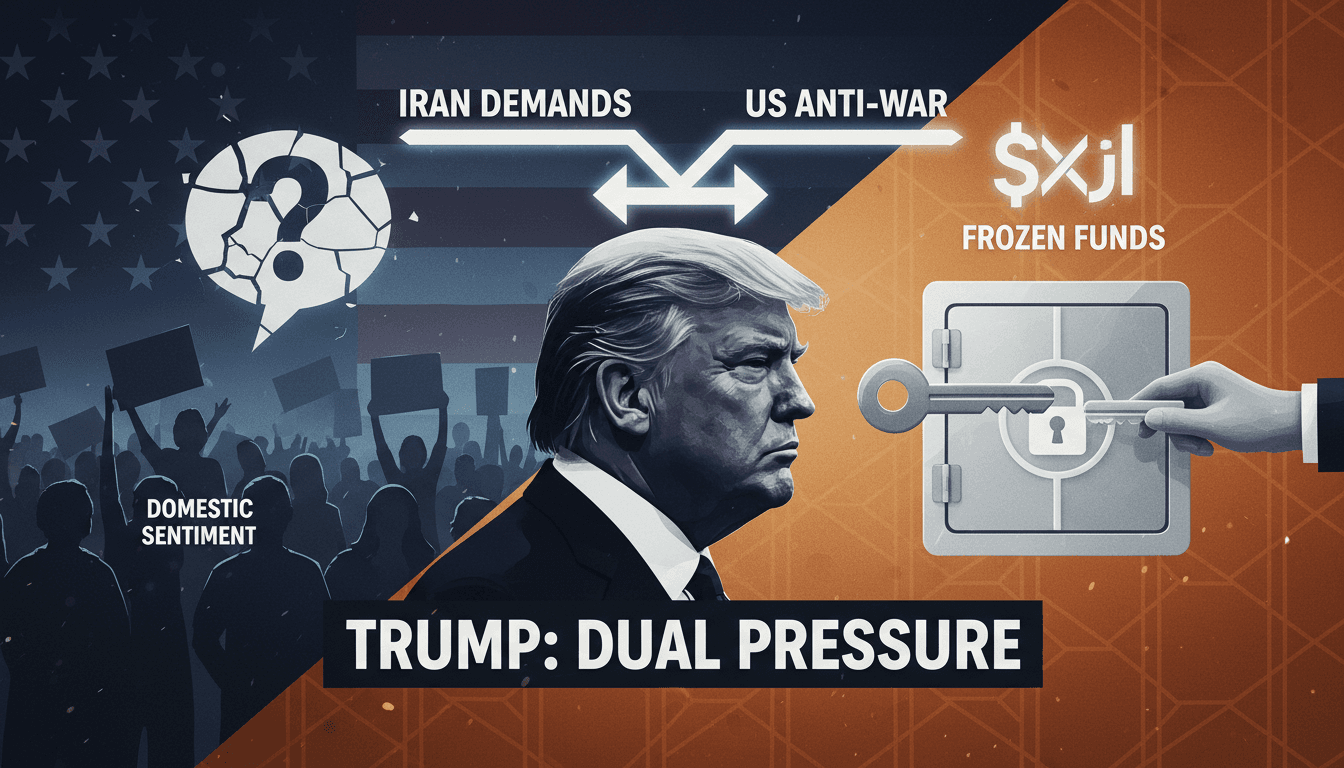
Here's what it means for you.
The ongoing negotiations between the U.S. and Iran are critical not only for international relations but also for domestic political stability in the U.S. As anti-war sentiment grows, President Trump faces increasing pressure to find a resolution that satisfies both Tehran's demands and the American public's desire for peace. The outcome of these talks could significantly influence market perceptions and policy directions regarding U.S. foreign engagements. With Iran's demand for access to frozen funds, the stakes are higher than ever. A failure to reach an agreement may lead to escalated tensions, impacting both domestic and international landscapes.
What happened
Iran has publicly demanded access to its frozen funds as part of ongoing peace negotiations with the U.S. This demand has emerged amid rising domestic anti-war sentiment in the U.S., driven by increasing prices and economic concerns. President Trump has warned that military action could be considered if the nuclear negotiations fail, adding another layer of complexity to the situation.
The U.S. administration remains committed to pursuing diplomatic solutions despite ongoing provocations from Iran. A fragile cease-fire has been in place for nearly two months, but the demand for cash from Tehran presents a significant hurdle in these negotiations.
The Context
The backdrop of these negotiations is marked by a growing anti-war sentiment among the American public, which is increasingly vocal about the costs associated with prolonged military engagement. President Trump is navigating a dual challenge: addressing the demands from Iran while also responding to domestic pressures to end the war. The fragile cease-fire, which has lasted for nearly two months, underscores the delicate nature of the current situation.
As the U.S. administration prioritizes diplomacy, the potential for escalation remains if negotiations falter. The outcome of these discussions could reshape U.S.-Iran relations and have profound implications for domestic political dynamics.
Takeaway
Looking ahead, it will be crucial to monitor developments in the U.S.-Iran negotiations regarding frozen funds. Any shifts in public sentiment regarding the war could further influence the administration's approach to these talks. The situation remains delicate, with the potential for escalation if an agreement is not reached.
A diplomatic resolution could not only reshape U.S.-Iran relations but also impact the broader political landscape in the United States. Observers should remain vigilant as these negotiations unfold.
Global political, business, and cultural coverage from WSJ international desks.
"The Wall Street Journal offers extensive international reporting with a reputation for financial insight and a center-right editorial stance."
— A47 Editor
Iran Demands Cash for Peace. That’s a Political Minefield for Trump.
Iran is demanding immediate access to its frozen funds as a condition for peace negotiations with the United States, presenting a significant obstacle to President Trump's efforts to resolve the ongoing conflict. This demand comes amid escalating ten...
Conservative-leaning political and national coverage.
"The Washington Times is a conservative-leaning newspaper known for its political coverage and advocacy of right-of-center viewpoints."
— A47 Editor
Art of the Ordeal: Domestic clamor to wind down the war complicates Trump's negotiations with Iran
President Trump is facing increasing domestic pressure to de-escalate the ongoing conflict with Iran, as rising prices and anti-war sentiment complicate his negotiations with the Islamic regime. Recent missile and drone strikes between the U.S. and I...
Breaking news, politics, business, and entertainment from the U.S. and around the world.
"The New York Post is a tabloid-format newspaper known for its sensationalist headlines and conservative-leaning editorial tone."
— A47 Editor
Why Trump isn’t rushing back into war with Iran — despite Tehran’s provocations
President Trump has signaled a cautious approach towards Iran, emphasizing that military action remains a possibility if nuclear negotiations fail, yet the White House is currently prioritizing diplomatic efforts following a recent ceasefire.