
Iran Rejects U.S. Envoys Amid High-Level Talk Requests
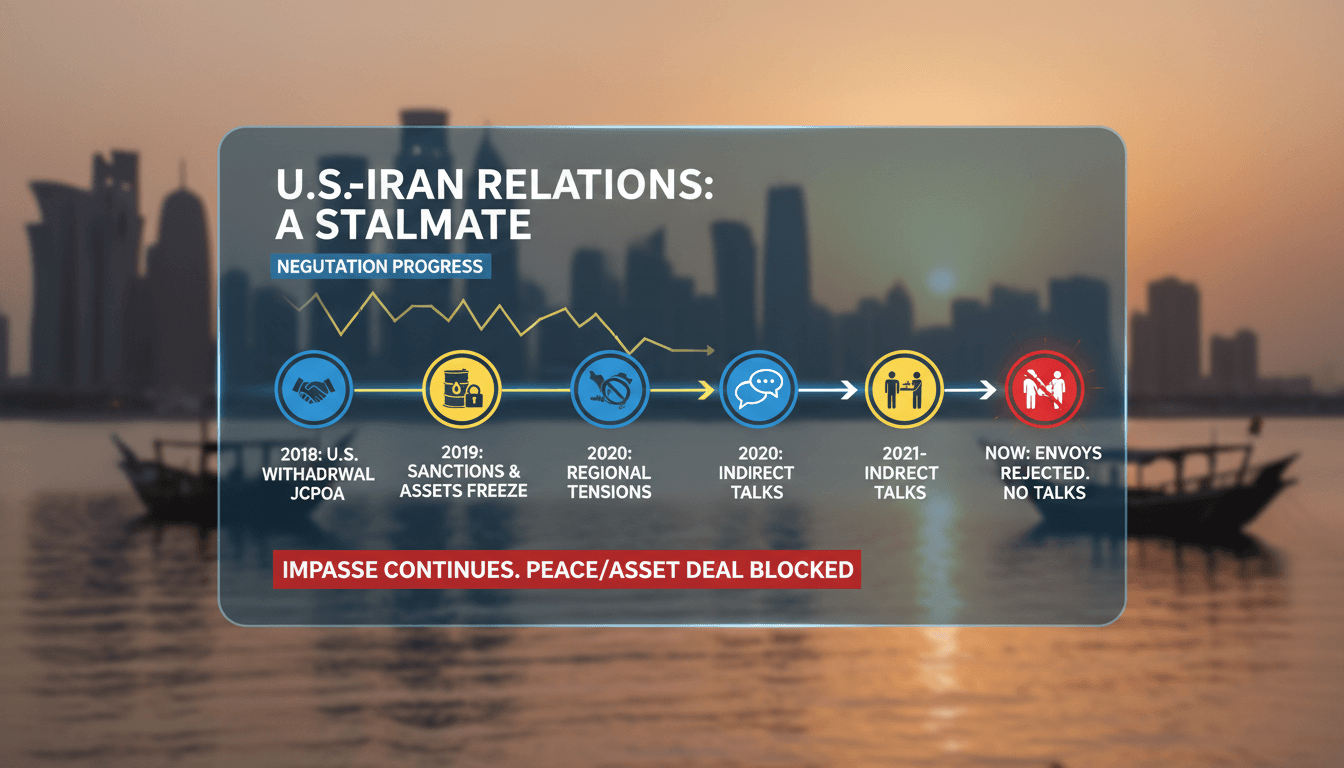
Here's what it means for you.
The ongoing refusal of Iran to engage with U.S. envoys complicates the already fragile diplomatic landscape between the two nations. This stalemate not only hinders potential peace negotiations but also impacts the broader geopolitical dynamics in the region. Stakeholders in international relations and markets should remain vigilant as these developments could influence oil prices and security in the Strait of Hormuz.
What happened
Iran has formally requested high-level talks with U.S. officials, yet it has confirmed that no meetings are currently scheduled. This announcement comes as U.S. envoys, including Jared Kushner and Steve Witkoff, are in Qatar to discuss critical issues related to Iranian assets and a ceasefire in the Strait of Hormuz. Despite the presence of U.S. representatives in the region, Iran's Foreign Ministry has stated that it will not engage directly with them.
The situation is further complicated by ongoing negotiations regarding the unfreezing of $6 billion in Iranian assets. These assets have been a focal point in discussions, and their status remains uncertain as diplomatic efforts stall. The refusal to meet with U.S. envoys raises significant questions about the future of U.S.-Iran relations.
The Context
The backdrop of this diplomatic impasse is marked by rising tensions between the U.S. and Iran, particularly concerning regional security and economic sanctions. The U.S. has warned that any violence will be met with a strong response, indicating the precarious nature of the current situation. Iran's decision to send envoys to Doha for discussions reflects its desire to negotiate, yet its refusal to meet with U.S. officials underscores the complexities involved.
The timing of these developments is critical, as they coincide with ongoing negotiations about the unfreezing of Iranian assets and the broader implications for peace in the region. The Strait of Hormuz remains a vital shipping route, and any escalation in tensions could have far-reaching consequences for global trade and security.
Takeaway
The stalled talks between Iran and the U.S. highlight the fragility of their relations and the significant hurdles that remain in achieving a peace deal. Observers should watch for any shifts in Iran's stance regarding direct negotiations with U.S. envoys, as this could open the door for renewed discussions. Additionally, the impact of regional tensions on the geopolitical landscape will be crucial to monitor in the coming weeks.
As diplomatic efforts continue to face challenges, the outlook for U.S.-Iran relations remains uncertain. The complexities of these negotiations will likely influence not only bilateral relations but also broader regional stability.
Business and economy coverage focused on Dubai, the UAE, Saudi Arabia, and the wider Middle East.
"Arabian Business is a well-known regional business outlet with strong focus on Gulf markets, leadership, and investment stories."
— A47 Editor
US-Iran peace talks stall as Tehran rejects meeting with Trump envoys and Strait of Hormuz dispute deepens
Tensions between the United States and Iran have escalated as Iran has rejected a meeting with U.S. envoys Jared Kushner and Steve Witkoff, causing peace talks to stall amid ongoing disputes over the Strait of Hormuz. This refusal comes despite previ...
International coverage from The Guardian's global desks.
"The Guardian is known for its progressive editorial stance and in-depth analysis."
— A47 Editor
US-Iran talks over $6bn Iranian assets to restart
Indirect talks between U.S. and Iranian officials regarding the unfreezing of at least $6 billion in Iranian assets are set to resume in Doha, Qatar. This follows a lack of direct negotiations since the signing of a ceasefire agreement and the reopen...
Global coverage of politics, crises, and international affairs.
"HuffPost provides progressive-oriented reporting on international developments, often focusing on humanitarian and social justice issues."
— A47 Editor
Iran Says It Won't Meet With U.S. Envoys, Clouding Prospects For Peace Deal
Iran's Foreign Ministry spokesperson Esmaeil Baghaei announced that no meetings with U.S. envoys are scheduled, casting doubt on the prospects for a peace deal amid ongoing tensions in the Middle East. This statement follows conflicting reports about...
Conservative-leaning coverage of current events.
"Fox News is a highly influential conservative news outlet known for right-leaning political commentary and coverage."
— A47 Editor
Iran requests talks with US as White House warns 'violence will be met with violence'
Iran has requested high-level talks with the Trump administration, sending special envoys Witkoff and Kushner to Doha to discuss a potential deal. This request comes amid escalating tensions and military exchanges between the U.S. and Iran, particula...
Capitol Hill news, legislation, and policy insight.
"The Hill specializes in U.S. politics and policy, with a focus on Capitol Hill developments and a reputation for insider reporting."
— A47 Editor
Jared Kushner, Steve Witkoff headed to Qatar for Iran talks
Jared Kushner and special envoy Steve Witkoff are traveling to Qatar for high-level talks with Iran, following a request from the Iranian government for discussions this week. This meeting is part of ongoing efforts to address tensions and seek a pot...