
France passes law regulating fast-fashion retailers like Shein and Temu
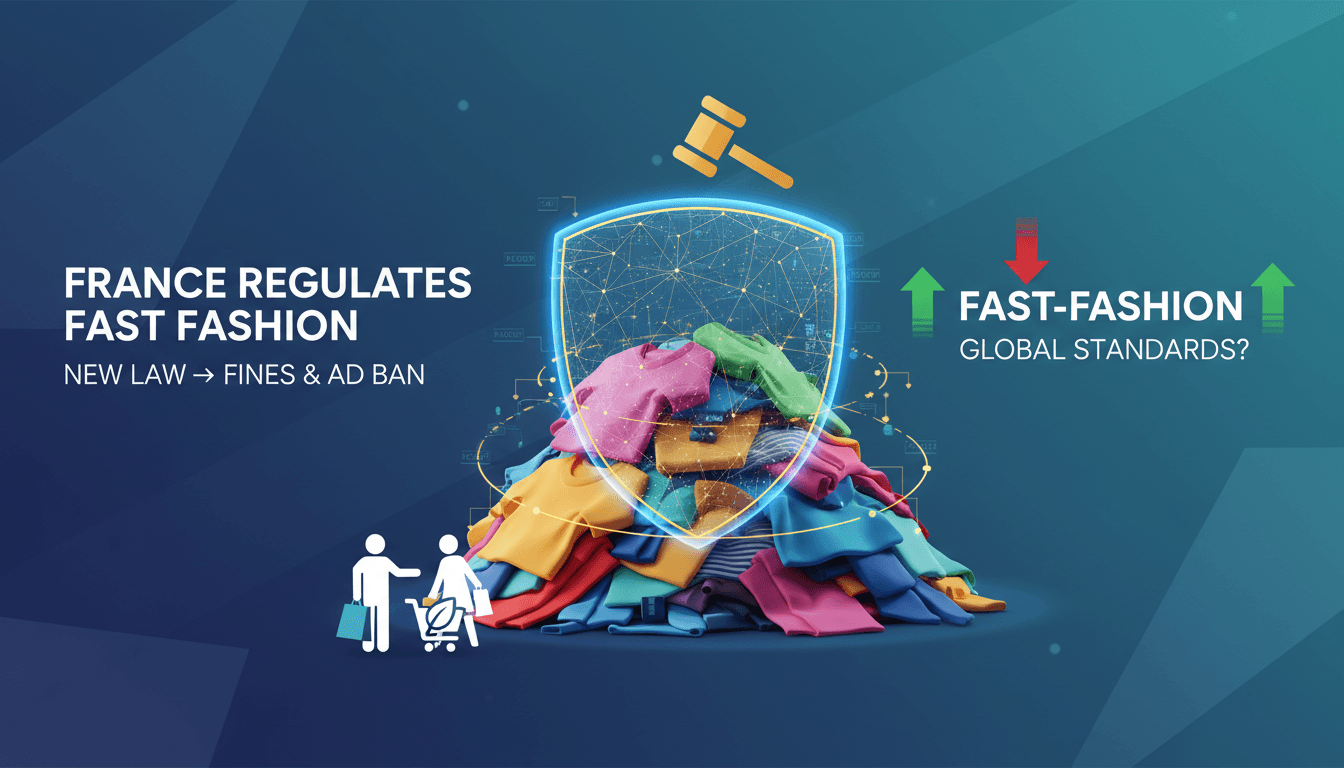
Here's what it means for you.
The French parliament's new law regulating fast-fashion retailers signals a significant shift in consumer protection and environmental responsibility. By imposing fines and banning advertising practices, this legislation aims to hold companies accountable for their production methods. As similar regulations may emerge globally, businesses in the fashion industry should prepare for a changing landscape that prioritizes sustainability and ethical practices. This law could influence consumer behavior, encouraging a shift towards more responsible purchasing decisions. Stakeholders in the fashion sector will need to adapt to these new standards or risk facing financial penalties.
What happened
The French parliament has passed a bill aimed at regulating fast-fashion companies, specifically targeting retailers like Shein and Temu. This legislation, which has been under discussion for over two years, imposes fines on companies that produce high volumes of low-cost products. The fines will start at €0.25 per product this year and could increase to a maximum of €10 per product by 2030.
Additionally, the law prohibits advertising and influencer promotions for these fast-fashion companies. This legislative action reflects growing concerns over the environmental and ethical implications of the fast-fashion industry.
The Context
The law specifically targets ultra fast-fashion retailers known for their rapid production cycles and low-cost offerings. The decision comes amid increasing scrutiny of the fast-fashion industry, which has faced criticism for its environmental impact and labor practices. By regulating these companies, the French government aims to address these pressing issues and set a precedent for other nations.
The passage of this law follows more than two years of parliamentary debate, highlighting the complexity of balancing economic interests with environmental and ethical considerations. As the global fashion industry evolves, this legislation may inspire similar regulatory efforts in other countries.
Takeaway
As the fast-fashion industry faces heightened scrutiny, this law could lead to a transformation in consumer habits and industry practices worldwide. Observers should monitor how fast-fashion companies adapt to these new regulations and whether similar legislative efforts emerge in other countries. The long-term effects of this law may reshape the fashion landscape, pushing for more sustainable and ethical production methods.
The implementation of fines and advertising bans could serve as a catalyst for change, prompting consumers to prioritize brands that align with these values.
24/7 international news from a French perspective in multiple languages.
"France 24 is viewed as a globally focused outlet with balanced coverage and a European perspective."
— A47 Editor
French parliament passes fast-fashion law to curb Shein and Temu
The French parliament has passed a significant bill aimed at regulating ultra fast-fashion retailers such as Shein, Temu, and AliExpress, following extensive discussions over two years. The law imposes fines ranging from €0.25 to €6 per product this ...
U.S. business news, corporate developments, and economy.
"The Wall Street Journal is respected for deep financial and economic reporting with a center-right editorial perspective."
— A47 Editor
France Passes New Law to Fine Shein, Temu and Ultrafast Fashion
France has enacted a new law aimed at imposing fines on companies like Shein and Temu, which are known for their ultrafast fashion practices that release a high volume of low-cost products. The legislation also prohibits advertising and influencer pr...
Regional and international reporting focused on Middle Eastern politics, diplomacy, and economics.
"Asharq Al-Awsat is a Saudi-owned international newspaper reflecting mainstream Gulf political perspectives."
— A47 Editor
French Parliament Adopts Bill to Regulate Fast Fashion
The French Parliament has adopted a new bill aimed at regulating the fast fashion industry, a significant step towards addressing the environmental and social impacts associated with rapid clothing production and consumption. This legislation reflect...