
Iran Assures No Transit Fees for Ships in Strait of Hormuz Amid U.S. Negotiations
Here's what it means for you.
The assurance from Iran regarding transit fees in the Strait of Hormuz is a significant development for international shipping and U.S.-Iran relations. It indicates a potential easing of tensions that could facilitate increased maritime activity in a critical trade route. However, the situation remains precarious, and any deviation from this commitment could derail ongoing negotiations. The implications extend beyond immediate shipping concerns, affecting global oil markets and regional stability. Stakeholders should remain vigilant as developments unfold.
What happened
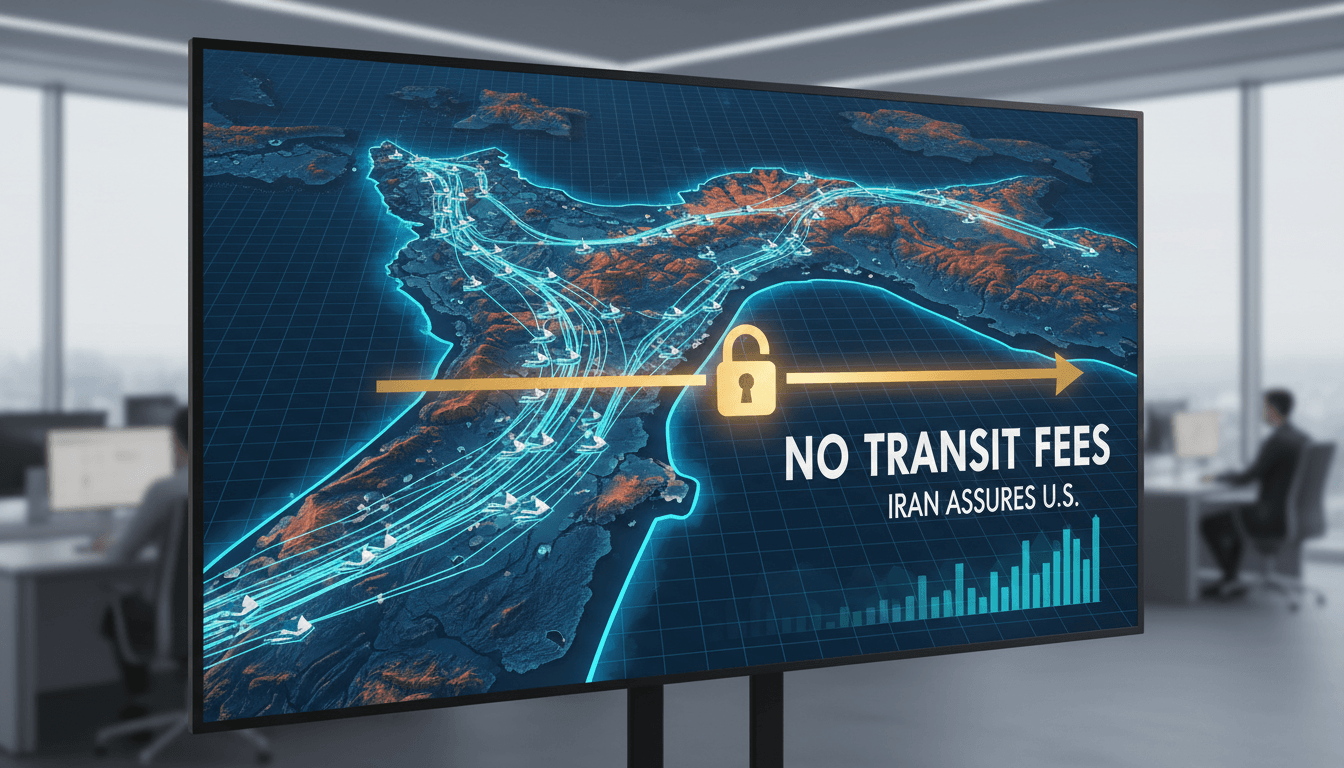
President Donald Trump announced that Iran has assured the U.S. it will not impose transit fees on ships passing through the Strait of Hormuz. This assurance is crucial as it comes amid rising tensions and ongoing negotiations between the two countries. Trump emphasized that any deviation from this commitment could jeopardize the fragile diplomatic efforts currently in play.
The International Maritime Organization has confirmed that ships have begun to transit the Strait under a new maritime plan. At least 35 commercial vessels are preparing to navigate this vital waterway, indicating a sustained level of maritime activity despite the existing tensions.
The Context
Iran had previously suggested the possibility of charging fees for services in the Strait, raising concerns among international stakeholders. Trump's insistence on compliance before any U.S. funds are released to Iran underscores the delicate nature of the negotiations. The Strait of Hormuz is a critical chokepoint for global oil shipments, making the situation particularly significant for international markets.
The timing of these assurances is crucial, as they come at a moment when diplomatic relations are under intense scrutiny. The ongoing negotiations between the U.S. and Iran could have far-reaching implications for regional stability and international shipping.
Takeaway
The situation in the Strait of Hormuz remains fluid, and stakeholders should closely monitor further statements from Iranian officials regarding transit fees. Any miscommunication or deviation from Iran's commitments could jeopardize the ongoing negotiations and impact maritime activities in the region.
As at least 35 commercial vessels prepare to transit the Strait, the potential for increased maritime activity could signal a shift in the current dynamics. Observers should watch for updates on U.S.-Iran negotiations and any changes in Iran's stance on transit fees.
Arabic-language political and world news coverage for UAE readers.
"Emarat Al Youm world coverage usually presents international developments through a UAE and Arab audience lens."
— A47 Editor
ترامب: إيران لن تفرض رسوما على السفن المارة عبر هرمز ترامب: إيران لن تفرض رسوما على السفن المارة عبر هرمز
On Wednesday, U.S. President Donald Trump announced that he received assurances from Iran that it would not impose transit fees on ships passing through the Strait of Hormuz. This statement comes amid ongoing tensions in the region and highlights dip...
Business, investment, entrepreneurship, leadership, and innovation.
"Forbes is known for its coverage of business leaders, market trends, and entrepreneurial ventures with a pro-business editorial stance."
— A47 Editor
Trump Threatens End Of Iran Negotiations If It Charges Fees In Strait Of Hormuz
President Trump has threatened to terminate negotiations with Iran if it proceeds to charge fees for transit through the Strait of Hormuz, a vital maritime route for global oil shipments. Iran has indicated it may impose such fees in exchange for ser...
Arabic-language coverage of political affairs and current events.
"Okaz political coverage typically follows mainstream Saudi framing on national and regional affairs."
— A47 Editor
ترمب محذراً إيران: فرض رسوم في هرمز ينهي المفاوضات
U.S. President Donald Trump announced that Iran has informed the United States that no fees are required for ships passing through the Strait of Hormuz, despite misleading media reports. He warned that if this information is incorrect, negotiations w...