
U.S. Vice President JD Vance engages Iranian officials in Switzerland amid Middle East tensions
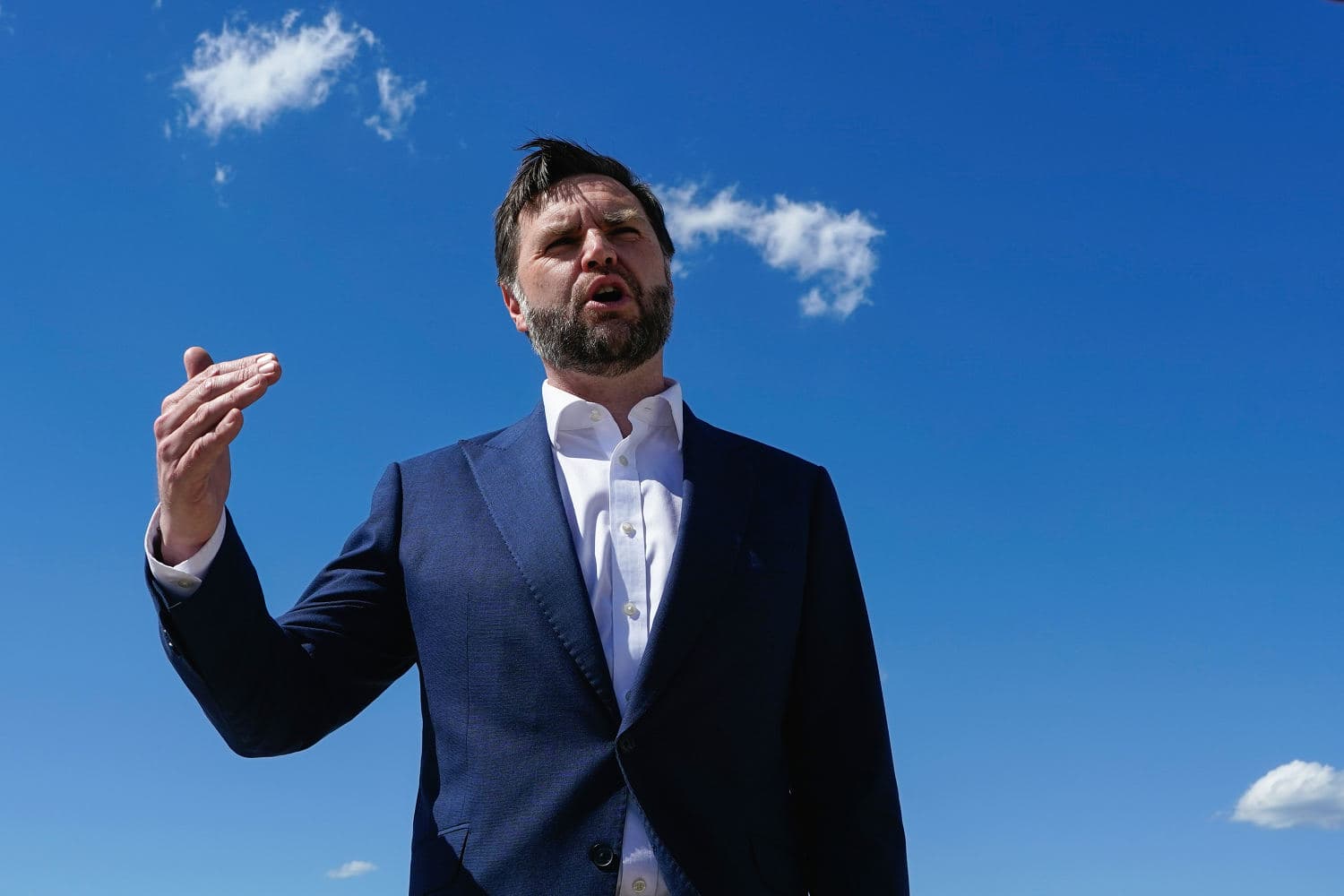
Here's what it means for you.
The ongoing discussions led by Vice President JD Vance in Switzerland could reshape U.S.-Iran relations and influence regional stability in the Middle East. As tensions escalate due to Iran's involvement in Lebanon, the outcomes of these talks may have significant implications for international maritime security and peace efforts. Stakeholders in the region, including Israel and Lebanon, are closely monitoring these developments, which could affect diplomatic and military strategies moving forward.
What happened
U.S. Vice President JD Vance is currently in Switzerland, leading a delegation to engage in discussions with Iranian officials. This diplomatic initiative comes in response to rising tensions linked to Iran's influence in Lebanon and recent military actions by Israel. The talks aim to address the complexities surrounding peace negotiations in the region, particularly concerning the role of Iran-backed groups like Hezbollah.
During his visit, Vance met with Lebanese President Joseph Aoun to explore mechanisms for de-escalation and conflict prevention in Lebanon. The discussions are critical as they occur against a backdrop of threats from Iran regarding maritime security in the Strait of Hormuz. The singular focus of the U.S. delegation is to stabilize the situation in Lebanon amidst these escalating threats.
The Context
The backdrop to these discussions includes Israel's military actions in Lebanon, which have complicated ongoing peace negotiations. Israeli President Isaac Herzog has publicly accused Iran-backed proxies, such as Hezbollah, of undermining efforts to achieve stability in the region. Meanwhile, Lebanese President Aoun is actively seeking U.S. support to establish a de-confliction mechanism to prevent further conflict.
The timing of these talks is crucial, as tensions in the Middle East have reached a boiling point, with Iran issuing threats that could impact shipping routes. The outcome of Vance's discussions may not only influence U.S.-Iran relations but also the broader geopolitical landscape in the region, affecting various stakeholders involved in the ongoing conflict.
Takeaway
As the diplomatic efforts unfold, the potential for both conflict and resolution remains high, depending on the responses from Iran and other regional actors. Observers will be keenly watching for any agreements or escalations that may arise from the talks in Switzerland. The implications of these discussions could significantly impact the stability of Lebanon and the broader Middle East.
Future developments will likely hinge on how Iran and its proxies respond to U.S. diplomatic initiatives. The situation remains precarious, and the outcomes of these discussions could set the stage for either increased tensions or a pathway toward peace.
English-language news from Qatar covering domestic and regional affairs.
"Gulf Times reflects Qatari perspectives on regional developments."
— A47 Editor
Aoun discusses deconfliction mechanism with US officials
Lebanese President Joseph Aoun and US Vice President JD Vance discussed a de-confliction mechanism for Lebanon, aimed at preventing escalating tensions between Israel and Hezbollah. This meeting highlights ongoing diplomatic efforts to stabilize the ...
Conservative-leaning coverage of current events.
"Fox News is a highly influential conservative news outlet known for right-leaning political commentary and coverage."
— A47 Editor
Iran-backed proxies sabotaging Lebanon peace as JD Vance leads US delegation to Switzerland, Herzog says
Israeli President Isaac Herzog has stated that Iran-backed proxies, particularly Hezbollah, are undermining peace efforts in Lebanon as U.S. Vice President JD Vance leads a delegation to Switzerland for negotiations with Iranian officials.
National headlines across the United States including breaking stories and societal issues.
"NBC News is a mainstream media outlet known for comprehensive national and international news coverage with a centrist to slightly left-leaning editorial tone."
— A47 Editor
Vance in Switzerland for Iran talks as Trump threatens ‘guardian angel’ toll in strait
Vice President JD Vance arrived in Switzerland for negotiations with Iranian officials amid escalating tensions in the region, particularly following Israel's military actions in Lebanon and Iran's threats regarding the Strait of Hormuz. This meeting...
Comprehensive coverage of global events, politics, and international issues.
"NBC News is a mainstream outlet known for comprehensive national and international coverage with a centrist to slightly left-leaning editorial tone."
— A47 Editor
U.S.-Iran negotiations end, technical talks will continue after Trump threats shake up summit
U.S. and Iranian officials concluded negotiations in Switzerland, establishing a roadmap for a final agreement within 60 days, despite recent threats from former President Donald Trump that have complicated discussions.