
US and Iran make diplomatic progress at Lake Lucerne Summit
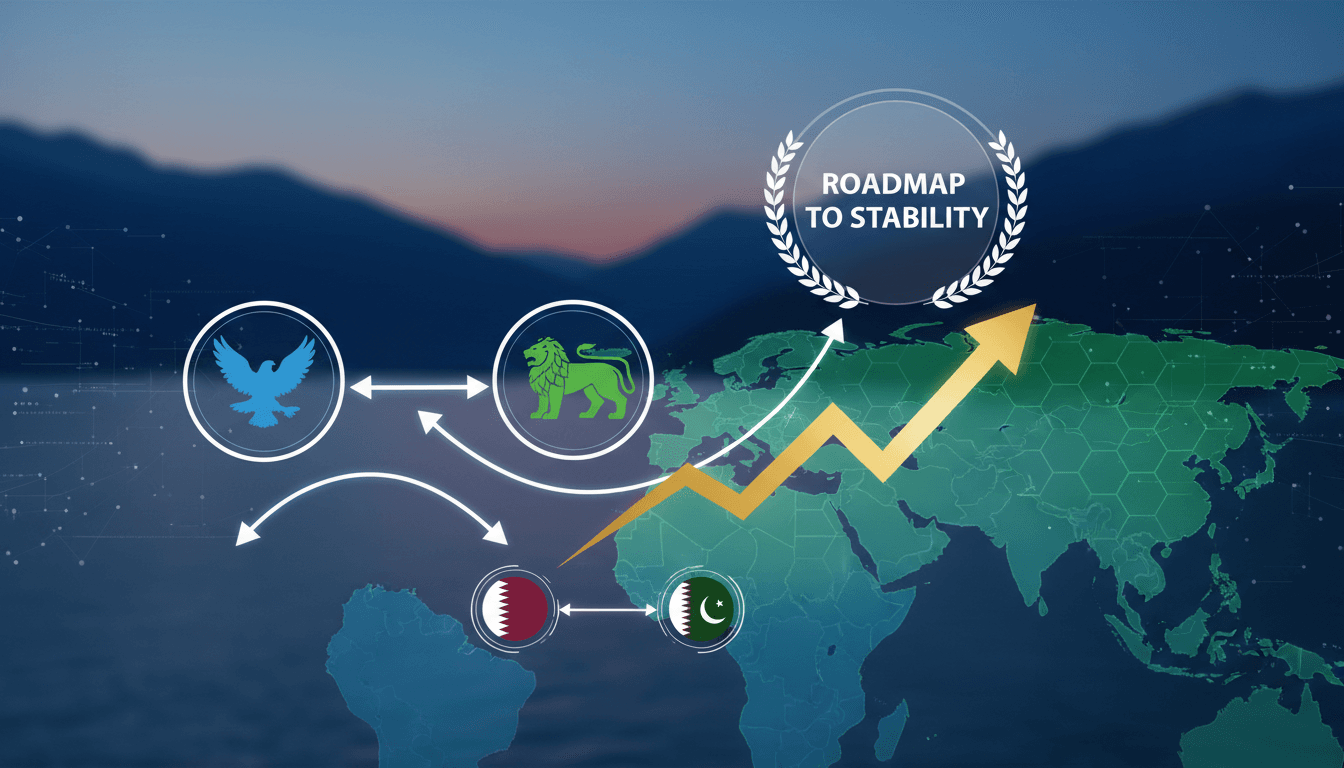
Here's what it means for you.
The recent high-level talks between the US and Iran at the Lake Lucerne Summit signal a potential shift in diplomatic relations that could impact regional stability. As both nations work towards a final agreement within 60 days, stakeholders in international policy and security should closely monitor developments. The involvement of Qatar and Pakistan as mediators underscores the importance of collaborative diplomacy in addressing longstanding tensions.
What happened
The Lake Lucerne Summit facilitated high-level discussions between the US and Iran, resulting in a roadmap for a final agreement and the establishment of communication lines. Despite initial tensions, both parties made notable progress, including mechanisms for safe passage in the Strait of Hormuz. The summit was characterized by a positive atmosphere, with both sides expressing a commitment to diplomacy.
The US delegation was led by Vice President JD Vance, while the Iranian side was represented by Parliament Speaker Mohammad Baqer Qalibaf. A 'de-confliction cell' was established to manage military operations in Lebanon, highlighting the talks' focus on regional security issues. The engagement marks a significant step in addressing the complexities of US-Iran relations.
The Context
The diplomatic engagement comes amid ongoing tensions surrounding Iran's nuclear program and military operations in Lebanon. Iran's initial refusal to participate in a joint photo with US officials reflects the sensitivities that still exist between the two nations. The involvement of Qatar and Pakistan as mediators indicates a broader international interest in achieving a stable resolution to these issues.
The timeline of events includes the signing of the Islamabad Memorandum of Understanding on June 17, 2026, followed by the high-level talks at the Lake Lucerne Summit on June 21-22, 2026. This context is crucial as it sets the stage for potential changes in the geopolitical landscape, particularly concerning US-Iran relations and regional security dynamics.
Takeaway
As negotiations progress, the next steps will be critical in determining the future of US-Iran relations. Observers should monitor the technical talks scheduled for the remainder of the week, as well as reactions from Israel and other regional players regarding the negotiations. If a comprehensive agreement is reached, it could reshape the dynamics of regional stability and security.
The 60-day timeframe for reaching a final agreement adds urgency to the discussions, making it essential for stakeholders to stay informed about developments. The outcome of these talks could have far-reaching implications for both nations and the broader Middle East.
English-language reporting on Saudi politics, policy, and society.
"Saudi Gazette reflects mainstream Saudi institutional perspectives."
— A47 Editor
Qatar and Pakistan announce 'encouraging progress' in US-Iran talks
Qatar and Pakistan have announced significant progress in US-Iran diplomatic talks, revealing that both nations have agreed on a roadmap for a final deal within 60 days. This announcement follows the first round of high-level discussions held at the ...
Global markets, investing, and macroeconomics from a premier financial newsroom.
"Bloomberg is respected for in-depth financial reporting and data-driven analysis."
— A47 Editor
Iran Avoids Shared US Photo at Summit
Iran's delegation attended the Lake Lucerne Summit but left without participating in a joint photograph with US officials, highlighting Tehran's reluctance to engage publicly amid ongoing sensitive diplomatic negotiations. Despite this, representativ...
Arabic-language coverage of political affairs and current events.
"Okaz political coverage typically follows mainstream Saudi framing on national and regional affairs."
— A47 Editor
عقد أول اجتماع بحضور أمريكي إيراني.. قمّة رباعية في سويسرا لكسر جمود المفاوضات
The inaugural meeting of the 'Lucerne Lake Summit' commenced today, featuring representatives from the United States, Iran, Qatar, and Pakistan, aimed at breaking the deadlock in negotiations. The Qatari Foreign Ministry expressed hope that these dis...