
U.S. Intensifies Air Strikes Against Iran Amid Escalating Tensions
Here's what it means for you.
The recent escalation in U.S. air strikes against Iran signals a significant shift in military strategy, with potential implications for global oil markets and international relations. As tensions rise, businesses and policymakers must prepare for possible disruptions in the Strait of Hormuz, a critical shipping route. The ongoing conflict may also influence diplomatic efforts in the region, affecting stability and security.
What happened
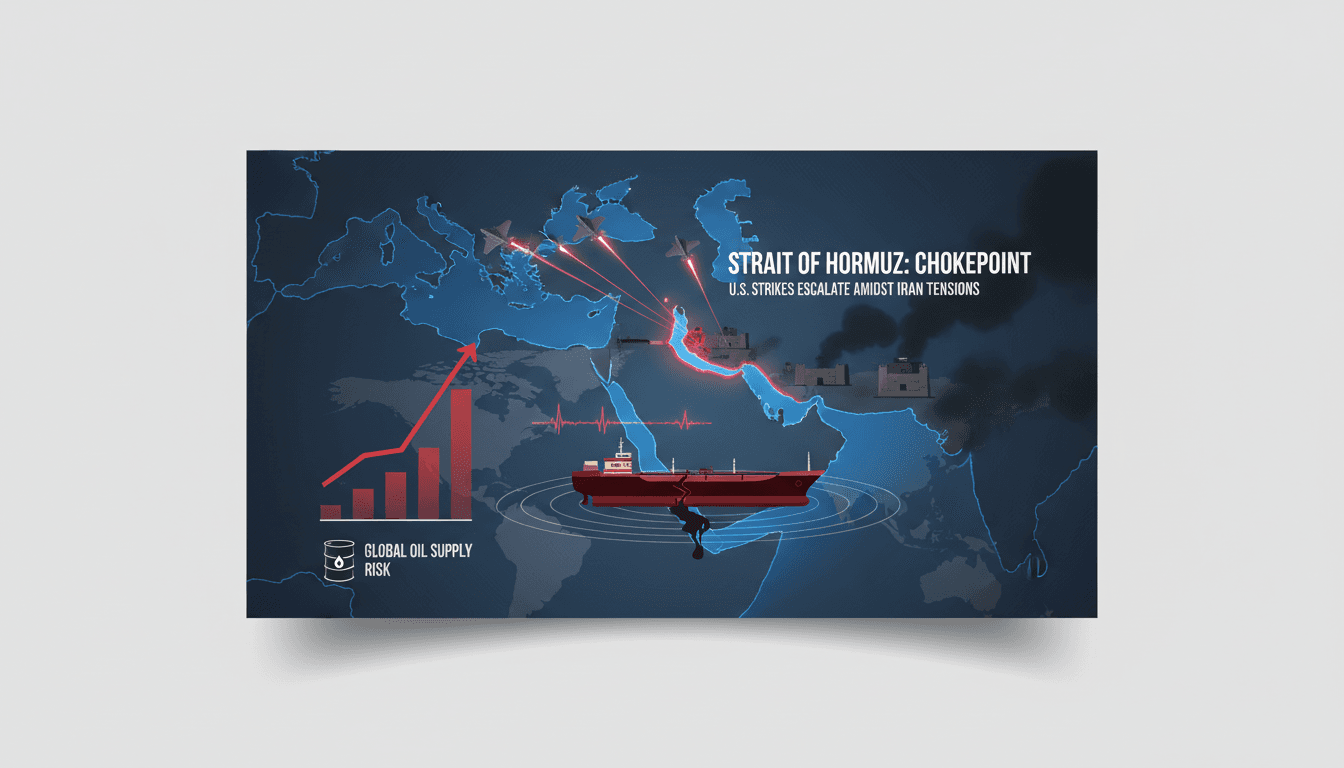
The U.S. has launched a new wave of air strikes against Iran, specifically targeting military sites and capabilities. This military action follows the collapse of a temporary ceasefire, indicating a shift towards more aggressive tactics. The strikes aim to disrupt Iranian military operations in the strategically vital Strait of Hormuz, where significant global oil shipping occurs.
Reports indicate that at least 35 individuals have been killed in these recent strikes, underscoring the human cost of the escalating conflict. Explosions were documented in various locations across Iran, including Qeshm Island and Bandar Abbas, as the U.S. military seeks to degrade Iran's ability to threaten shipping in the region.
The Context
The U.S. military's actions are part of a broader strategy to counter Iranian influence in the Strait of Hormuz, a crucial area for international trade. Iran has responded to these strikes with threats and claims of potential retaliatory attacks on U.S. military targets, further heightening tensions. The situation has resulted in significant casualties and a volatile atmosphere in the region, with both sides preparing for continued hostilities.
President Trump has issued stern warnings to Tehran, emphasizing the need for Iran to "behave" amid these escalating tensions. The breakdown of the ceasefire agreement has led to a precarious situation, with the potential for further conflict looming as both nations remain on high alert.
Takeaway
The ongoing military actions suggest a potential for further escalation in U.S.-Iran relations, with both sides poised for continued hostilities. Observers should monitor Iranian responses to U.S. military actions closely, as these could influence the trajectory of the conflict. Additionally, developments in diplomatic efforts to resolve the situation will be critical in determining the future stability of the region.
As military actions persist, the strategic importance of the Strait of Hormuz adds urgency to the situation, impacting not only regional dynamics but also global oil markets and international relations.
Pan-Arab political news and analysis.
"Al-Quds Al-Arabi is a London-based Arabic newspaper known for political coverage."
— A47 Editor
ترامب يهدد بتصعيد جديد مع إيران ويخاطر بتكرار أخطاء الماضي
Washington has intensified tensions with Iran as Donald Trump threatens a new escalation, risking a repetition of past mistakes in foreign policy. This development comes amid ongoing concerns regarding Iran's nuclear program and regional influence, w...
Regional coverage and analysis focused on politics, diplomacy, and business across the Middle East.
"Al-Monitor is known for analytical reporting on Middle East politics and policy developments."
— A47 Editor
Analysis-Trump threatens new Iran escalation and risks repeating old mistakes
President Donald Trump has escalated U.S. military actions against Iran, intensifying airstrikes and declaring the end of a recent ceasefire, which has raised concerns about a potential broader conflict in the region. This comes as Trump seeks to und...
English-language reporting on Saudi politics, policy, and society.
"Saudi Gazette reflects mainstream Saudi institutional perspectives."
— A47 Editor
Trump warns Tehran 'better behave' as US resumes strikes on Iran
The United States has launched a new wave of airstrikes against Iran, targeting military installations and capabilities that threaten maritime security in the Strait of Hormuz. President Donald Trump issued a warning to Tehran, stating it