
Iran launches missile and drone attacks against Gulf states prompting regional condemnation
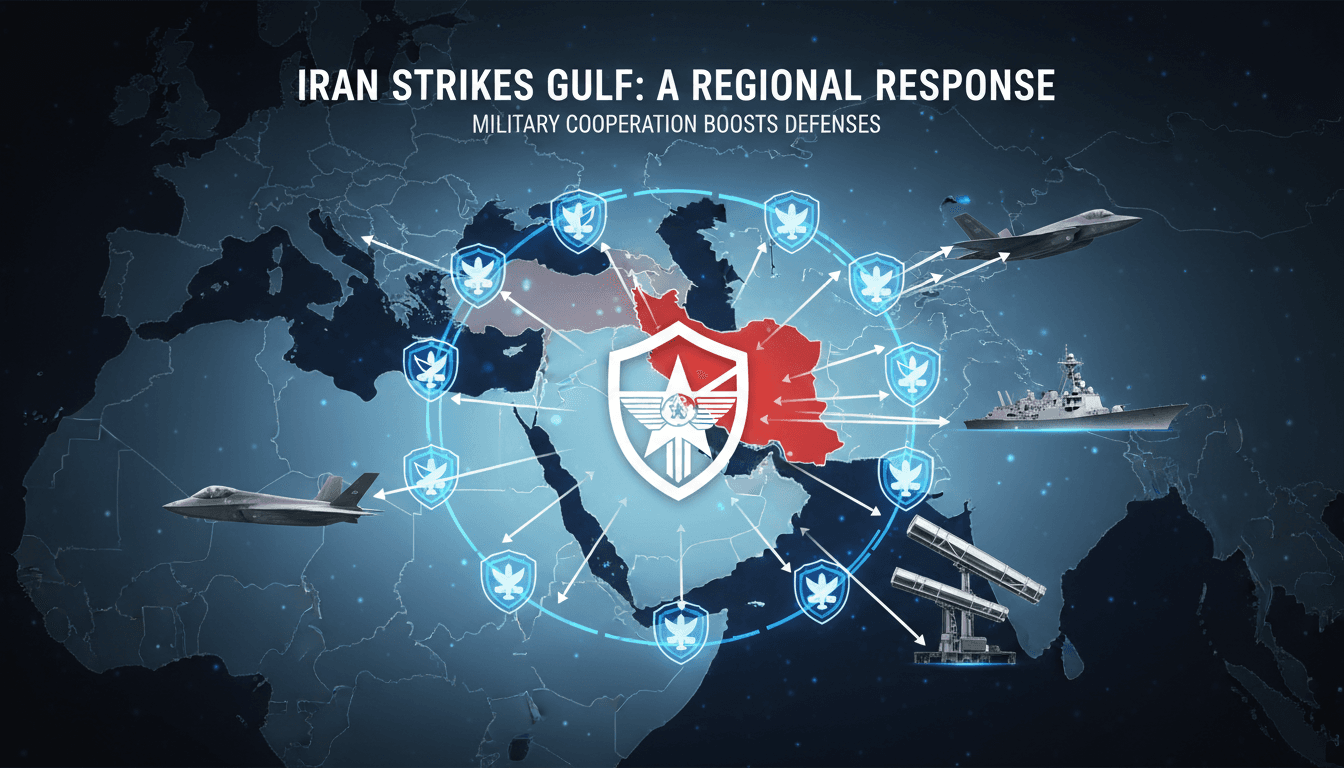
What happened
Iran has launched missile and drone strikes targeting Jordan, Bahrain, and Kuwait, prompting a strong condemnation from these nations. In response to the attacks, Gulf states and Jordan have united in their denunciation of Iran's actions. The situation has escalated to the point where over 1,000 arrests have been made in Gulf countries to suppress the documentation of these strikes.
Jordan successfully intercepted seven missiles and six drones during the attacks, showcasing its defensive capabilities amid rising tensions. This military engagement follows a series of U.S. strikes against Iran, which have intensified since late February.
The Context
The conflict between Iran and the United States has been escalating since February 28, leading to a series of retaliatory strikes. Gulf states and Jordan have expressed a unified stance against Iranian aggression, indicating a collective effort to address the threat posed by Iran. The recent attacks have not only heightened military tensions but also raised concerns about internal stability within the Gulf states, as governments crack down on information related to the conflict.
The regional response reflects a broader geopolitical struggle, with countries like Iraq also taking steps to control weapons and mitigate the influence of Iranian-backed groups. The timing of these events is critical, as they coincide with ongoing U.S. military operations in the region.
Takeaway
The ongoing conflict may lead to further military escalations and increased regional instability, with Gulf states likely seeking stronger alliances with the U.S. to counter Iranian influence. Observers should watch for potential developments in military cooperation among these nations, as well as any shifts in the Iranian-U.S. conflict that could impact regional security. The situation remains fluid, and the implications of these attacks will likely resonate throughout the Middle East.
As tensions continue to rise, the potential for further military engagements looms, necessitating a vigilant approach from regional powers.
European coverage of Middle East politics and security issues.
"France 24 offers international reporting with a European editorial perspective."
— A47 Editor
Arrests, denials and missing images: Gulf states’ response to Iranian strikes
Since the conflict between Iran and the United States escalated on February 28, over 1,000 individuals have been arrested in Jordan and Gulf states for attempting to document Iranian missile strikes. These governments are actively suppressing the dis...
Coverage of current events and conflicts in the Middle East.
"France 24 is viewed as a globally focused outlet with balanced coverage and a European perspective."
— A47 Editor
Arrests, denials and missing images: Gulf states’ response to Iranian strikes
Since the conflict between Iran and the United States escalated on February 28, over 1,000 individuals have been arrested in Jordan and Gulf states for attempting to document Iranian missile strikes. These governments are actively suppressing the dis...
Regional coverage and analysis focused on politics, diplomacy, and business across the Middle East.
"Al-Monitor is known for analytical reporting on Middle East politics and policy developments."
— A47 Editor
Jordan intercepts 7 missiles, 6 drones as Iran warns civilians near US bases
Jordan successfully intercepted seven missiles and six drones launched by Iran, amidst escalating tensions following 13 consecutive nights of U.S. airstrikes against Iranian targets. This military action highlights the ongoing conflict in the region,...
Pan-Arab news coverage spanning politics, business, sports, and regional affairs.
"Asharq Al-Awsat reflects a broad Arab editorial perspective with strong attention to regional geopolitics."
— A47 Editor
موقف خليجي أردني مشترك يدين عدوان إيران ووكلائها
Gulf countries and Jordan expressed a unified stance on Thursday condemning Iran and its proxies for their attacks on their territories, welcoming the Iraqi government's decision to restrict weapons to the state.